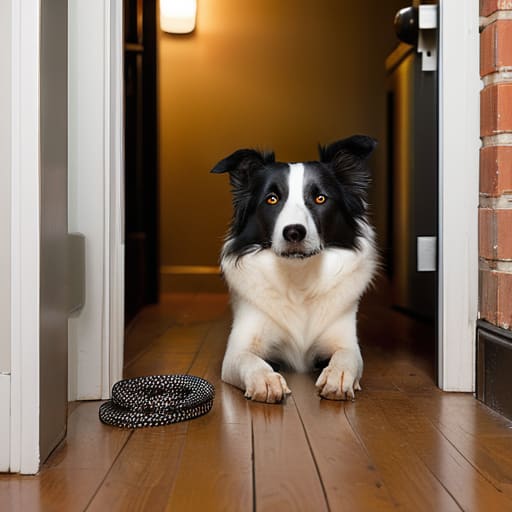
I’ve spent thirty years watching people spend a fortune on bitter sprays and “indestructible” rubber toys that end up as expensive confetti scattered across a living room rug. If you’re scouring the internet for a magic potion to fix your dog’s mouth, let me save you some money: there isn’t one. Most of the advice on how to stop destructive chewing is either selling you a product you don’t need or ignoring the fact that your dog might actually be hurting. I’ve seen enough owners come into the clinic with a shredded sofa and a dog with a broken molar to know that a spray bottle isn’t going to solve a dental crisis or a chronic anxiety issue.
I’m not here to sell you a subscription to a training app or a $50 chew toy. I’m going to tell you how to look at your dog and figure out if they are just being a nuisance or if they are experiencing a medical problem that requires a vet visit. We are going to talk about boredom, dental pain, and separation anxiety with the clinical honesty you won’t find in a lifestyle blog. I’ll give you the straight truth on what to try at home and when you need to stop playing games and start calling the clinic.
Table of Contents
- Puppy Teething Relief vs Destructive Furniture Chewing
- When Canine Separation Anxiety Chewing Needs Professional Help
- Beyond the Chew Toy: Practical Tactics for a House That Isn't Being Eaten
- The Bottom Line on Chewing
- The Difference Between a Bored Dog and a Broken One
- The Bottom Line on the Chewing
- Frequently Asked Questions
Puppy Teething Relief vs Destructive Furniture Chewing

If you’ve got a four-month-old Lab working on your baseboards, your first instinct is to assume it’s just those teeth coming in. And you’re probably right. At that age, most “destruction” is really just a desperate search for puppy teething relief. Their gums are inflamed, their mouths feel crowded, and a piece of solid oak feels a hell of a lot better than a rubber Kong. In these cases, you don’t need a trainer; you need to provide safe chew toy alternatives like frozen washcloths or chilled teething rings to soothe the swelling.
However, there is a massive difference between a puppy seeking relief and an adult dog systematically dismantling your sofa. If your older dog is suddenly targeting the upholstery, you aren’t looking at a teething issue; you’re likely looking at canine separation anxiety chewing or chronic boredom. I’ve seen owners try to “discipline” an anxious dog for chewing a chair leg, which is about as effective as yelling at a thunderstorm. If the behavior happens when you leave, or if they seem frantic while doing it, you aren’t dealing with a bad habit—you’re dealing with a psychological distress signal that requires professional help, not just a new chew toy.
When Canine Separation Anxiety Chewing Needs Professional Help

There is a massive difference between a dog that chews because they’ve found a rogue sneaker and a dog that chews because they are spiraling into a panic attack. If your dog only starts destroying things the moment you close the front door, you aren’t dealing with a “bad dog” or a lack of enrichment for bored dogs; you are dealing with canine separation anxiety chewing. This isn’t a discipline issue, and no amount of “no” or “stay” is going to fix a brain that is stuck in a fight-or-flight loop. When the chewing is accompanied by frantic pacing, howling, or self-mutilation (like licking paws raw), you have moved past the realm of training and into the realm of medical necessity.
At this stage, you need to stop looking for safe chew toy alternatives and start looking for a veterinarian. You’ll likely need a formal plan for dog behavior modification and, quite frankly, you might need to discuss medication to lower their baseline cortisol. I’ve seen owners spend hundreds on heavy-duty Kongs only to find the dog has chewed through the rubber and is now swallowing plastic. If the destruction is tied to your absence, the solution isn’t a harder toy—it’s professional help.
Beyond the Chew Toy: Practical Tactics for a House That Isn't Being Eaten
- Manage your environment like you’re preparing for a storm. If your dog is a “counter surfer” or a shoe thief, you can’t just hope they’ll learn better manners by next Tuesday. You need to physically remove the temptation. This means baby gates, closed doors, or keeping the “good stuff” in high cabinets. If they can’t reach it, they can’t destroy it, and you won’t be coming home to a shredded sofa cushion and a $200 bill for a professional cleaner.
- Check the mouth, not just the behavior. I’ve seen plenty of owners swear their dog was just being “naughty” with their leather boots, only to find out the dog had a cracked carnassial tooth or a painful abscess. If the chewing is sudden, localized to one side, or accompanied by pawing at the face, stop looking for a chew toy and start looking for an appointment. Dental work isn’t cheap—expect to look at anywhere from $400 to $1,200 depending on if they need extractions—but it’s cheaper than a systemic infection.
- Stop using “distraction” as a permanent fix. Giving a dog a bone when they are actively shredding your baseboards is like giving a kid a lollipop while they’re throwing a tantrum; it doesn’t address why they’re acting out, it just rewards the outburst. You need to provide appropriate outlets before the boredom sets in. If they’re a high-drive breed, a standard rubber Kong might not cut it; you might need to look into frozen enrichment or even a bit of mental stimulation work to tire out that brain.
- Be wary of the “bitter” spray trap. People love to buy those bitter apple sprays and think they’ve solved the problem. Listen, they work for some dogs, but for others, it just makes the object taste like a challenge. If you use it, use it on the specific target, but don’t rely on it as your only line of defense. If you’re spending $15 a bottle every two weeks and the couch is still getting chewed, the spray is a band-aid on a broken leg.
- Rule out the “silent” pain. This is the part most people miss. A dog that is suddenly chewing on things they never touched before—especially hard objects like wood or drywall—might be trying to soothe a dull, aching pain in their gut or joints. I’ve seen dogs chew on furniture because they were experiencing GI discomfort or even neurological twitches. If the behavior is a total departure from their normal personality, don’t just buy more chew toys; get a blood panel and a physical exam to make sure they aren’t trying to tell you something is wrong internally.
The Bottom Line on Chewing
Stop looking for a “magic” chew toy; if the chewing is driven by separation anxiety or chronic pain, a Kong isn’t going to fix it—you need a behavioral plan or a vet visit.
Learn to distinguish between “boredom chewing” (which is a management issue) and “pain-driven chewing” (which is a medical emergency), and don’t wait until your bank account is drained by an emergency surgery to figure out the difference.
Watch the mouth, not just the furniture; if you see swelling, bleeding, or a sudden change in how they eat, stop worrying about your baseboards and start booking an appointment.
The Difference Between a Bored Dog and a Broken One
“I’ve spent too many years cleaning up the wreckage of a chewed-up sofa to tell you that ‘bad behavior’ is the only answer; half the time, I’m looking at a dog that’s either trying to soothe a teething ache or one that’s spiraling into a panic attack because you left the house. If you treat a mental health crisis like a discipline problem, you aren’t just wasting your money on new baseboards—you’re letting your dog suffer in silence.”
Marlene Ostrowski
The Bottom Line on the Chewing

At the end of the day, you have to look at what’s actually happening when you walk through the door. If it’s a teething puppy, it’s a phase you can manage with frozen carrots and some heavy-duty rubber toys. If it’s a bored adult dog, it’s a training and enrichment problem. But if you see signs of pacing, panting, or destruction that happens only when you are gone, you aren’t dealing with a “bad dog”—you are likely dealing with separation anxiety. Stop trying to punish the behavior out of them; you can’t discipline a panic attack. Figure out if the root is physical, behavioral, or psychological, and treat the cause rather than just replacing the chewed-up shoe.
I know how exhausting this is. I’ve sat in exam rooms with owners who are crying because they feel like they’ve failed, or they’re staring at a $400 vet bill for a destroyed sofa and a dental exam. It is incredibly draining to live in a house where you feel like you’re constantly managing a crisis. But remember, your dog isn’t trying to spite you; they are just trying to navigate a world they don’t fully understand. Be patient with them, but more importantly, be patient with yourself. You are doing the work, and that is the only way through.
Frequently Asked Questions
My dog is chewing on things that aren't furniture or toys—like baseboards or rugs—is that still just anxiety or could it be a nutritional deficiency?
Look, I’m going to give it to you straight: the “nutritional deficiency” theory is one of those things people love to throw around on forums, but in my thirty years, I’ve rarely seen a dog chewing baseboards because they’re low on calcium. If they were truly malnourished, they’d likely be losing weight or looking dull. This is almost always behavioral—either boredom, anxiety, or they’ve just learned that certain textures feel good on their gums. Check their diet first, but don’t expect a vitamin to fix a habit.
I’ve tried bitter sprays and different chew toys, but nothing works; at what point is this a behavioral issue that requires actual medication rather than just more training?
Look, if you’ve gone through the bitter sprays and the expensive Kongs and they’re still treating your sofa like a chew toy, you’re likely fighting chemistry, not just bad manners. When a dog is in a state of constant physiological arousal, training can’t “sink in” because their brain is too flooded to learn. If they can’t settle even with distractions, talk to your vet about something like fluoxetine. It’s not “cheating”; it’s lowering the ceiling so training can actually work.
How much is this actually going to cost me in terms of vet visits or behavioral specialists if I can't get this under control?
Look, I’m not going to sugarcoat it: if you can’t get this under control, you’re looking at a steep climb. A standard behavioral consult starts around $150 to $250, and that’s before we talk about medication like Fluoxetine, which can run you $40 to $80 a month depending on the dose. If it’s a physical issue, expect a diagnostic workup—bloodwork and maybe imaging—to hit $400 minimum. It’s expensive, but it’s cheaper than replacing your custom mahogany coffee table.