
Stop looking at those glossy, color-coded training calendars that promise a “complete guide to dog exercise needs” through a series of expensive agility classes and high-tech wearable trackers. Most of that is just expensive noise designed to make you feel guilty. I spent nearly three decades in a clinic watching owners come in with “over-exercised” Labradors that actually had undiagnosed hip dysplasia, or frantic owners who thought their sedentary Bulldog was “lazy” when he was actually just clinically obese. People treat exercise like a math equation, but a dog isn’t a machine you just run until the battery hits zero; they are living, breathing animals with varying levels of joint integrity and cardiovascular capacity.
I’m not here to sell you a subscription to a fitness app or a fancy new harness. I’m going to give you the unvarnished reality of what movement actually looks like across different breeds, ages, and health statuses. We’re going to talk about how to tell the difference between a dog that’s tired and a dog that’s actually in pain, and I’ll tell you exactly when you need to scale back before you end up with a massive vet bill for a torn ligament.
Table of Contents
- Puppy Developmental Exercise Building Foundations Without Breaking Bones
- High Energy Breed Activities Solving Boredom Before It Becomes Destruction
- Five Rules of Thumb to Keep Your Dog Moving Without Breaking Them
- The Bottom Line: When to Push and When to Pull Back
- The Difference Between a Tired Dog and a Broken One
- Listen to the Dog, Not the Manual
- Frequently Asked Questions
Puppy Developmental Exercise Building Foundations Without Breaking Bones

Look, I’ve seen too many new owners try to “burn off” a puppy’s energy by taking them on a three-mile run through the park, and frankly, it’s irresponsible. Those growth plates in a puppy’s long bones are fragile, and if you treat a six-month-old like a marathon runner, you aren’t building fitness—you’re inviting orthopedic issues that will cost you thousands in surgery later. Puppy developmental exercise isn’t about distance or speed; it’s about short, controlled bursts of movement and, more importantly, mental stimulation for dogs. A ten-minute session of sniffing out treats in the grass will tire a puppy out more effectively than a frantic walk, without the risk of joint damage.
Focus on variety rather than intensity. Think of it as building a foundation rather than testing a chassis. You want to encourage controlled exploration—short walks on varied terrain and gentle play sessions—rather than repetitive, high-impact jumping or sprinting. If you’re dealing with a high-energy breed, the temptation to push them is even higher, but you have to be the adult in the room. Consistency beats intensity every single time when you’re working with a growing body.
High Energy Breed Activities Solving Boredom Before It Becomes Destruction
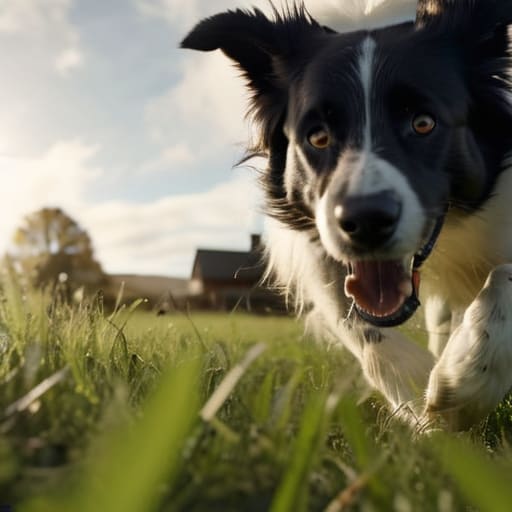
If you’ve ever brought home a Border Collie or a Malinois and thought, “He’s just a little hyper,” you’re in for a rude awakening. These aren’t just “active” dogs; they are biological machines designed for a job. When you fail to meet their canine physical activity requirements, they don’t just sleep it off. They find a job, and usually, that job is deconstructing your baseboards or learning how to open the child-proof latches on the pantry. I’ve seen enough “destruction” cases in my thirty years to know that a chewed-up sofa is rarely about bad behavior—it’s almost always about unspent kinetic energy.
You cannot solve a high-drive breed’s boredom with a twenty-minute stroll around the block. For these dogs, physical movement is only half the battle; you have to incorporate serious mental stimulation for dogs to actually tire them out. I’m talking about scent work, advanced trick training, or long-duration puzzle feeders. If you don’t engage their brains, they will stay wired even after a three-mile run. A tired body is useless if the mind is still hunting for something to destroy.
Five Rules of Thumb to Keep Your Dog Moving Without Breaking Them
- Stop measuring exercise in minutes and start measuring it in intensity. A twenty-minute sniffari where your dog is actually using their brain is often more exhausting—and better for their mental health—than a forty-minute slog on a retractable leash where they’re just pulling against your arm.
- Watch for the “post-exercise crash.” If your dog finishes a walk and immediately collapses, panting heavily with pale gums or a refusal to drink, you didn’t just exercise them; you overexerted them. That’s not “tired,” that’s physiological distress, and if it happens every time, you need to scale back or check for underlying cardiac issues.
- Respect the weight factor. If you have a heavy-set breed or a dog that’s carrying an extra 2–3 kg of “love” around the middle, high-impact exercise like jumping or sprinting is a recipe for torn ACLs and spinal issues. At that weight, stick to controlled, low-impact walking until the scale moves back in the right direction.
- Learn the difference between “good tired” and “pain tired.” A good tired dog sleeps deeply and greets you with a wag. A dog in pain will be restless, pacing, or whining after exercise, often because their joints are throbbing. If the post-walk behavior looks more like irritability than relaxation, stop the long walks and call your vet about joint supplements or an anti-inflammatory.
- Don’t forget the mental component. I’ve seen plenty of high-drive dogs who have had three miles of walking but still tear the sofa to shreds at 10:00 PM. They aren’t under-exercised physically; they are under-stimulated mentally. If the body is tired but the brain is still “on,” you need to swap a walk for a scent work session or a puzzle toy.
The Bottom Line: When to Push and When to Pull Back
Exercise isn’t a “one size fits all” number you find on a chart; it’s about reading your dog’s body language, and if they’re panting heavily, lagging behind, or refusing to stand up after a walk, you’ve gone too far and need to stop immediately.
Don’t mistake frantic, repetitive pacing or “zoomies” for high energy—often, that’s actually mental distress or physical discomfort, and no amount of extra walking is going to fix a problem that requires a clinical exam.
Watch the joints, especially in seniors or large breeds; if you notice limping or stiffness that doesn’t resolve after a warm-up, stop the high-impact activity and talk to your vet about pain management before you turn a minor ache into a permanent injury.
The Difference Between a Tired Dog and a Broken One
“Don’t mistake a dog that’s panting and pacing for one that just needs a longer walk; sometimes that frantic energy isn’t a lack of exercise, it’s a dog in pain trying to find a comfortable way to exist in a body that’s failing them. You have to learn the difference between a dog that’s bored and a dog that’s hurting, because one needs a frisbee and the other needs an exam table.”
Marlene Ostrowski
Listen to the Dog, Not the Manual

At the end of the day, there is no magic number of minutes or a perfect calorie-to-stride ratio that applies to every dog. You’ve got puppies whose growth plates are still soft and need caution, and you’ve got high-drive working breeds that will literally tear your sofa apart if you don’t give them a job to do. The common thread is that exercise isn’t just about burning off steam; it’s about preventative medicine. Whether you are managing a senior dog’s stiff joints or a teenager’s endless energy, the goal is to find that sweet spot where they are tired but not exhausted, and satisfied but not lethargic. If you see heavy panting that doesn’t stop, or a dog that is suddenly reluctant to move, stop guessing and call your vet.
I spent three decades watching owners realize too late that their “lazy” dog was actually a dog in pain, or their “hyper” dog was actually a dog in distress. Don’t make that mistake. Exercise is the most honest way you can communicate with your animal. When you pay attention to how they move, how they recover, and how they settle after a walk, you aren’t just keeping them fit—you are learning their language. It isn’t always easy, and some days the weather is miserable and your legs ache, but showing up for them is the most important part of the job. They can’t tell you when they’re feeling good, so you have to be the one to notice.
Frequently Asked Questions
My dog is older and slowing down, so how do I know if I'm actually helping his joints or just causing more inflammation?
Listen, there is a fine line between “good movement” and “mechanical damage.” If your dog is stiff for the first ten minutes but settles down after a short walk, you’re likely helping. But if he’s limping, panting heavily, or refusing to get up after a stroll, you’ve crossed into inflammation territory. Watch his gait, not just his speed. If he’s dragging a hind leg or trembling, stop the walks and call the vet.
How much of this "exercise" needs to be physical movement versus mental stimulation to actually tire them out?
If you’re only walking them around the block, you’re barely scratching the surface. In my experience, ten minutes of intense mental work—like scent work or a focused training session—will drain a dog faster than a forty-minute stroll. I call it the 70/30 rule: seventy percent mental, thirty percent physical. If they’re physically exhausted but still pacing and chewing your baseboards, they aren’t tired; they’re just under-stimulated. Use their nose, not just their legs.
I can't afford a trainer or a daycare; what are the signs that my dog's lack of activity is turning into a medical issue rather than just bad behavior?
Look, there’s a line between a bored dog chewing your baseboards and a dog in physical distress. If the “bad behavior” looks like sudden pacing, frantic panting while resting, or a sudden refusal to move, stop blaming their temperament and start looking at their body. If they’re whining when they stand up or their breathing stays heavy long after you’ve stopped moving, that’s not a lack of exercise—that’s potential pain or cardiac strain.