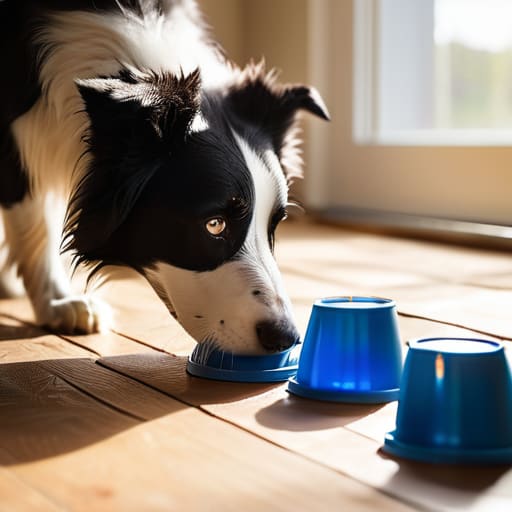
Dogs

The Four Commands That Cover Most Real Situations

How to teach basic obedience commands.

I’ve spent three decades watching people pour hundreds of dollars into “behavioral specialists” and fancy clicker-training gadgets, only to end up with a dog that still drags them toward every passing squirrel. Most of the advice you find online about how to teach basic obedience is either way too complicated or focuses on “tricks” that won’t actually keep your dog from bolting into traffic. I’ve seen enough frantic owners in my exam room to know that a dog who can “shake” but won’t “stay” isn’t just poorly trained—they’re a safety liability.

I’m not here to sell you a subscription to a training app or promise you a “miracle” in three days. I’m going to tell you the truth about what actually works when you’re tired, your house is a mess, and your dog is being stubborn. We’re going to focus on the few, essential commands that actually matter for a dog’s long-term health and safety, and I’ll show you how to spot the difference between a stubborn pup and one that’s actually unwell.

Table of Contents

Mastering Positive Reinforcement Training Techniques

Mastering Positive Reinforcement Training Techniques guide.

Look, I’ve seen plenty of owners try to “alpha” their way into respect, and all they end up with is a dog that’s too terrified to eat its kibble. If you want a dog that actually listens when there’s a squirrel in sight, you need to master positive reinforcement training techniques that focus on what they should do, not just punishing what they shouldn’t. This isn’t about being a pushover; it’s about building a language. When you use a high-value reward—and I mean real pieces of boiled chicken, not those stale, cardboard-tasting biscuits—you’re creating a dog training reward system that actually holds weight.

The biggest mistake I see, even from people who think they know better, is the lack of timing. If you give a treat five seconds after the sit, you aren’t rewarding the sit; you’re rewarding the dog for standing there looking confused. You have about a one-second window to make that connection. Consistency is everything here. If you let them jump on you on Tuesday because you’re in a good mood, you’ve just spent three weeks undoing the work you did on Monday.

The True Cost of Inconsistency in Canine Training

The True Cost of Inconsistency in Canine Training

I’ve sat in enough exam rooms to know that “bad behavior” is rarely about a stubborn dog and almost always about a confused one. When you use different rules on Tuesday than you do on Thursday, you aren’t just being “lenient”—you are breaking the line of communication. If the kids get to feed the dog from the table but you insist on strict manners, that dog isn’t being defiant; he’s just trying to solve a puzzle that has no logic. This lack of consistency in canine training creates a baseline of anxiety. A dog that never knows where the boundary lies is a dog that is constantly scanning the environment for cues, which makes them reactive and difficult to manage in public.

The real cost, though, isn’t just a frustrated owner; it’s the behavioral fallout. I’ve seen perfectly sweet dogs develop compulsive behaviors or aggression because their dog training reward systems were unpredictable. When a dog learns that a command might be rewarded one minute and ignored the next, they eventually stop trying altogether. You aren’t just failing at obedience; you’re failing to build a reliable language. If you want to avoid the expensive behavioral consultations I see every week, you have to commit to the same rules, every single time.

Stop Training for Performance and Start Training for Safety

  • Focus on the “Life-Saving Three” first—sit, stay, and recall—and stop worrying about fancy tricks. I’ve seen enough dogs bolt into traffic because their owners spent six months teaching them how to “roll over” instead of teaching them how to stop when called.
  • Learn to read the subtle signs of stress before you push through a training session. If your dog’s ears go flat, they start lip licking, or they’re panting despite the air conditioning being on, you aren’t “building grit”—you’re breaking their confidence, and you need to end the session immediately.
  • Consistency isn’t just a buzzword; it’s the difference between a reliable dog and a chaotic one. If you let them jump on you when you’re wearing old sweats but scold them when you’re in work clothes, you aren’t teaching them “manners,” you’re teaching them that your rules are a coin toss.
  • Treat training like a medical dose: timing and precision matter. If you give a reward three seconds too late, you aren’t rewarding the “sit,” you’re rewarding the fact that they happened to be standing there when the treat appeared; you have to catch the exact moment of compliance.
  • Understand that “stubbornness” is almost always a physical or environmental distraction. Before you get frustrated, check the basics: Are they hungry? Are they tired? Is there a scent or a sound in the room that’s more interesting than you? Most “behavioral issues” are actually just dogs being dogs.

The Bottom Line on Training Success

Stop looking for a magic trick; obedience is about predictable patterns, not “hacks,” and if you aren’t consistent, you’re just teaching your dog how to ignore you.

Watch the body language, not just the behavior—a dog that won’t sit because they’re stubborn is one thing, but a dog that won’t sit because they’re in pain is a medical issue that no amount of treats will fix.

Budget for the long haul, because training isn’t just the cost of a bag of high-value treats or a trainer; it’s the cost of the vet visit you’ll eventually need if a lack of control leads to an injury or a reactive episode.

Training is Safety, Not Just Manners

Most people think obedience training is about making a dog look pretty in a park, but after thirty years in a clinic, I know better. Obedience is about the split-second decision your dog makes when they see a squirrel or a car; it’s the difference between a controlled retreat and a trip to the emergency vet for a broken limb or a hit-and-run. You aren’t just teaching ‘sit’ and ‘stay’—you’re building a communication line that keeps them alive when things go sideways.

Marlene Ostrowski

The Long Game

Training a dog is The Long Game.

At the end of the day, teaching obedience isn’t about getting a dog to sit perfectly for a photo op; it’s about the practical reality of safety and management. You’ve learned that positive reinforcement works better than fear, and you’ve seen how much it costs—in time, in frustration, and in vet bills—when you let inconsistency slide. If you don’t establish a reliable foundation now, you’re just waiting for the moment they bolt toward a busy street or jump on a stranger at the clinic. Remember, training isn’t a separate activity you do for fifteen minutes a day; it is a constant, quiet dialogue between you and your dog that requires steady, predictable leadership every single time they look at you for direction.

I know there will be days when you feel like you’re making zero progress and you just want to throw the treats across the room. I’ve seen owners walk out of my clinic after a stressful visit feeling completely defeated, and I know that feeling of exhaustion well. But please, don’t mistake a bad week for a bad dog. Most “behavioral issues” are actually just communication breakdowns or underlying physical discomfort that hasn’t been addressed. If you stay patient and keep your expectations realistic, you aren’t just teaching commands—you are building a partnership that will sustain you both through the senior years when the walks get shorter and the joints get stiffer. Stick with it.

Frequently Asked Questions

My dog is too hyper to focus on any commands; is this a training failure or should I be looking for a medical reason like hyperthyroidism or pain?

Look, I’ve seen “hyper” dogs that were just poorly socialized, but I’ve also seen dogs that were vibrating because they were in pain or dealing with a thyroid storm. If he’s acting out of character—sudden onset, restless even when tired, or pacing at night—don’t waste money on a trainer. That’s a medical appointment, not a discipline issue. Get a blood panel done first. It’ll cost you maybe $200–$300, but it beats training a dog that’s actually sick.

How much am I actually going to spend on high-quality training treats and tools versus the cheap stuff that just causes a distraction?

Look, if you buy a five-pound bag of generic, bone-shaped biscuits from the grocery store, you’re wasting your money. They’re too hard, too bland, and they won’t motivate a distracted dog. Budget about $40–$60 for a decent selection of high-value, soft treats—think freeze-dried liver or string cheese—that actually work. For tools, skip the cheap nylon leashes; spend the extra $20 on a sturdy, six-foot leather or biothane lead. It’s an investment in control, not just gear.

When a dog refuses a command, how do I tell the difference between them being stubborn and them having a physical issue like joint pain or a neurological twitch?

Look, if your dog suddenly stops sitting or won’t jump on the couch, don’t just call them “stubborn.” I’ve seen owners spend weeks trying “motivation hacks” when the dog actually has Grade 4 hip dysplasia. If the refusal is sudden, accompanied by a stiff gait, or they hesitate before moving, that’s a medical red flag. Check their weight—if they’re even slightly off, or if you see a tremor, stop training and call the vet.

Managing Shedding Without Buying Fourteen Brushes

Tips on how to manage shedding.

I spent twenty-eight years in a small practice watching people spend a small fortune on “de-shedding” shampoos and expensive, high-tech grooming gadgets that do little more than make your credit card statement look angry. If you’ve been scrolling through social media looking for a magic potion to solve your hair problem, let me save you the trip: there isn’t one. Most of those fancy supplements are just expensive urine for your dog, and if you’re asking how to manage shedding, you don’t need a miracle; you need a better brush and a realistic understanding of biology.

I’m not here to sell you a lifestyle or a subscription to a boutique grooming brand. I’m going to tell you what actually works, what’s a total waste of your hard-earned money, and—most importantly—when that sudden loss of hair isn’t just “seasonal” but is actually a medical red flag that requires a vet visit. I’ve seen enough skin infections and endocrine issues to know the difference between a heavy coat and a sick animal. I’ll give you the practical, no-nonsense truth about keeping your house clean without ignoring the symptoms that actually matter.

Table of Contents

Seasonal Coat Changes in Dogs Normal or Something More

Seasonal Coat Changes in Dogs Normal or Something More

Most people think a sudden explosion of hair on the rug is just the seasons shifting, and half the time, they’re right. If your dog is blowing their coat in the spring or fall, it’s usually just biology doing its job. You’ll see more loose fur, maybe a little more oil, but the skin underneath should still look clean and pink. When you’re looking at seasonal coat changes in dogs, the rule of thumb is to watch the skin, not just the floor. If the coat is thinning but the skin looks fine, you’re likely just dealing with a heavy molt that requires some extra brushing.

However, there is a line between a seasonal shift and a medical issue. If you see patchy hair loss, redness, or if your dog is obsessively licking at a specific spot, that isn’t a coat change—that’s an inflammatory response or a parasite. I’ve seen owners try to manage it with better grooming tools, but no amount of deshedding will fix a staph infection or a thyroid imbalance. If the skin looks angry or smells “musty,” stop looking for the best tools for pet deshedding and call your vet.

Best Tools for Pet Deshedding and When They Arent Enough

Best Tools for Pet Deshedding and When They Arent Enough.

Look, you can spend a fortune on fancy gadgets, but most of the best tools for pet deshedding come down to two things: a good slicker brush and a de-shedding tool like a Furminator. If you have a short-haired breed, don’t go buying a heavy-duty comb that’s just going to scratch their skin; a rubber curry brush works wonders for getting that loose undercoat out before it hits your rug. I’ve spent many an afternoon in the clinic seeing dogs with skin irritation because owners used these tools too aggressively. If you see redness or broken skin, you’re doing more harm than good.

However, all the brushing in the world won’t fix a coat that’s falling out due to a systemic issue. If you’re trying every pet hair reduction technique in the book and your house still looks like a tumbleweed factory, the problem isn’t the tool—it’s the animal. You need to look at nutritional support for hair growth or check for parasites. If the hair is coming out in clumps or the skin looks greasy or flaky, put the brush down and call the vet. No amount of grooming can brush away a thyroid issue or a flea allergy.

Five Ways to Handle the Hair Without Losing Your Mind

  • Check the skin, not just the fur. If you’re brushing a dog to manage shedding and you notice the skin underneath is pink, bumpy, or smells like corn chips, stop brushing. You aren’t managing shedding anymore; you’re irritating an underlying dermatological issue or a parasite load that a slicker brush won’t fix.
  • Get the nutrition right before you buy the expensive brushes. I’ve seen plenty of owners spend eighty dollars on a high-end deshedding tool while feeding their dog a grocery-store kibble that’s lacking essential fatty acids. If the coat is brittle and falling out in clumps rather than single hairs, look at the bowl, not the brush.
  • Don’t overdo the baths. I know it’s tempting to wash the dog every time they roll in something, but stripping the natural oils with too many shampoos makes the skin dry and the hair more prone to breaking and shedding. Aim for a balance—once every few weeks is usually plenty unless they’ve actually been in the mud.
  • Watch the weight. It sounds unrelated, but carrying an extra two or three kilograms—even if it’s just a little bit of extra fat around the midsection—puts stress on the joints and can actually affect how the coat looks and sheds. A lean dog is a healthy dog, and a healthy dog has a more stable coat cycle.
  • Know when the “shed” is actually an emergency. If the hair loss is symmetrical, patchy, or accompanied by frantic licking, it’s likely not seasonal. That’s usually an endocrine issue like hypothyroidism or a skin infection. A brush won’t solve a hormonal imbalance, and waiting to see if it “grows back” is how you end up with a much larger vet bill later.

The Bottom Line on Shedding

Distinguish between “normal” hair on your rug and “abnormal” hair on your pet; if the shedding is accompanied by redness, hot spots, or a smell that isn’t quite right, you aren’t dealing with a grooming issue, you’re dealing with a skin infection or an allergy that needs a prescription, not a brush.

Invest in quality tools like a high-quality slicker brush or an undercoat rake to save your sanity, but don’t mistake a fancy tool for a cure—if you’re brushing for twenty minutes and still seeing clumps, the problem is internal, not mechanical.

Watch the cost of waiting; a $20 bottle of medicated shampoo or a quick vet check for a flea allergy is significantly cheaper than the $500+ bill for treating a systemic staph infection because you tried to “tough out” the itching.

The Line Between Shedding and Skin Disease

“Look, I get it—you’re tired of finding hair in your coffee and vacuuming your living room twice a day. But there is a massive difference between a dog losing their seasonal coat and a dog losing their skin. If you’re brushing out dead hair, that’s maintenance; if you’re seeing red, raw patches or your dog is licking themselves into a frenzy, stop looking for a better brush and start looking for your car keys. Brushing manages the mess, but it doesn’t fix a medical crisis.”

Marlene Ostrowski

The Bottom Line on the Hair Everywhere

The Bottom Line on the Hair Everywhere.

At the end of the day, managing shedding is about knowing the difference between a seasonal coat change and a medical red flag. If you’re just dealing with extra fluff, invest in a decent slicker brush and maybe a high-quality Omega-3 supplement to keep that skin barrier intact—it’ll save you money on professional grooming later. But if that shedding is accompanied by patchy hair loss, angry red skin, or an obsessive need to lick, stop looking for a better vacuum and call your vet. Don’t let a “normal” shedding season turn into a costly dermatological crisis because you were trying to save a few bucks on a brush.

I know it’s exhausting. I’ve spent decades cleaning up hair from clinic floors and vacuuming it out of my own rugs, and I know how much it can feel like a losing battle. But remember that a healthy coat is often the first sign of a healthy body. When you take those few minutes a day to brush them, you aren’t just cleaning your house; you’re performing a daily wellness check that might catch a lump or a sore before it becomes an emergency. Take care of the coat, and you’ll likely be taking care of the animal underneath it.

Frequently Asked Questions

If my dog is shedding more than usual, how do I tell the difference between a seasonal coat change and a skin allergy or thyroid issue?

Here’s the truth: seasonal shedding is just hair falling out; allergies and thyroid issues are skin problems. If the skin underneath looks pink, angry, or smells like corn chips, that isn’t a season change—that’s inflammation. If they’re licking their paws or losing hair in actual bald patches, you aren’t dealing with a coat change. Thyroid issues usually come with weight changes or lethargy, too. If you see redness or patches, stop brushing and start calling.

Are there specific supplements or diet changes that actually work for shedding, or is it all just marketing fluff?

Most of what you see on Instagram is marketing fluff, but there is a kernel of truth in the science. If your dog’s coat is dull or coming out in clumps, it’s usually a nutritional deficiency. Omega-3 fatty acids—specifically high-quality fish oil—actually work to strengthen the skin barrier. Don’t waste money on “glowing coat” treats; just look for a reputable EPA/DHA supplement. However, if they’re shedding excessively despite a good diet, check for parasites or thyroid issues.

At what point does shedding stop being a nuisance and start being a medical emergency that requires a vet visit?

Shedding becomes a medical issue the moment it’s paired with skin changes. If you see redness, scaling, or “hot spots,” that’s not just a heavy coat; that’s inflammation. If they are licking or chewing at the skin until it’s raw, or if you see actual bald patches, stop brushing and call the vet. An appointment might run you $80 to $150 for the exam alone, but treating a secondary staph infection is going to cost significantly more.

Paw Pads: Salt, Heat, Grit and Cracks

Tips on how to care for a dog's paws.

I’ve lost count of how many times I’ve sat in a darkened exam room at 2:00 AM, listening to a frantic owner explain how they spent sixty dollars on some “organic, artisanal paw butter” from a boutique website, only to realize the dog actually has a deep, festering laceration from a piece of glass. People get so caught up in the marketing of fancy moisturizers that they completely forget the basics of how to care for a dog’s paws in a way that actually prevents a crisis. Most of what you see advertised online is just expensive scented wax that does nothing for a real injury, and frankly, your dog doesn’t need a spa day—they need functional skin.

I’m not here to sell you a lifestyle or a subscription to a grooming kit you don’t need. My goal is to give you the clinical reality of what you’re looking at when you flip those feet over. I will tell you which cracks are just dry skin you can handle with a bit of coconut oil on a Sunday afternoon, and which ones mean you’re about to pay a heavy emergency fee because of an infection. We’re going to talk about real maintenance, real costs, and when to stop DIY-ing and start calling the vet.

Table of Contents

Cleaning Dog Paws After Walks Without Making Things Worse

Cleaning dog paws after walks without making things worse.

Look, I know the instinct is to grab the hose and blast the dirt off as soon as you walk through the door, but if you’re doing that every single time, you’re actually stripping away the natural oils that keep those pads resilient. If you’re cleaning dog paws after walks in the middle of a dry spell, skip the harsh soaps. A simple wipe with a damp, soft microfiber cloth is plenty. If you use those heavy-duty medicated wipes you see in big-box stores, just be careful; some of them are loaded with alcohols that’ll dry the skin out faster than a desert wind, leaving you with cracks that are begging for an infection.

When the seasons shift, your approach has to change. During the colder months, winter paw protection for dogs isn’t just about a little sweater; it’s about the salt and ice melt on the sidewalk. That stuff is caustic. If you see them licking their feet obsessively after a walk, they’ve likely picked up some chemical irritants. This is when a decent dog paw balm actually earns its keep. I don’t care about the fancy scents; I want something thick, beeswax-based, and boring. Apply a thin layer after you’ve cleaned them to seal that moisture back in.

The Truth About Dog Paw Balm Benefits and Moisturizers

The Truth About Dog Paw Balm Benefits and Moisturizers

Look, I’ve seen enough people walk into my old clinic with cracked, bleeding pads because they thought a tub of coconut oil from the grocery store was a magic cure. Let’s get one thing straight: a dog paw pad moisturizer isn’t a medical treatment for a deep fissure; it’s preventative maintenance. If you’re using a balm to keep the skin supple during the transition into colder months, you’re doing exactly what you should be doing. The goal is to maintain the integrity of the skin barrier so that salt and ice don’t get in there and cause trouble.

However, you need to know the difference between “dry skin” and an actual problem. If you see redness, swelling, or if your dog starts licking their feet obsessively, stop looking for a balm and start looking for a vet. Those are early signs of dog paw infection, and rubbing wax over a bacterial infection is just going to trap the heat and make it worse. Use a dedicated balm for winter paw protection for dogs to keep things soft, but if the pad is already split or oozing, you aren’t looking for a moisturizer—you’re looking at a prescription.

Five Things I Learned From Thirty Years of Looking at Dirty, Sore Feet

  • Check between the toes, not just on the pads. People always look at the bottom of the foot, but I’ve seen more misery caused by a tiny, embedded thorn or a clump of matted hair between the digits than I have from dry skin. If it’s red or swollen in there, that’s an infection waiting to happen.
  • Watch the temperature of the pavement like your life depends on it. If you can’t hold the back of your hand to the asphalt for seven seconds without flinching, it’s going to cook your dog’s pads. I’ve seen second-degree burns on dogs that happened in ten minutes of walking, and those vet bills for skin grafts are not something you want to see.
  • Don’t use human lotion just because you have a half-empty bottle in the bathroom. Most of that stuff is full of scents and chemicals that will irritate their skin or, worse, get licked off and cause an upset stomach. If you aren’t using a dedicated pet balm, you’re just adding more problems to the list.
  • Trim the hair between the pads if your dog has long fur. It sounds cosmetic, but it’s actually about traction and hygiene. Long hair acts like a sponge for salt, ice, and bacteria, and it makes them slip on hardwood floors, which leads to torn ACLs—and nobody wants to pay for orthopedic surgery if they can avoid it.
  • Learn the difference between a dry pad and a bleeding one. A little flaking or dryness is usually fine for a week of monitoring and some balm; a crack that is oozing or bleeding means you need to call the clinic today. If you wait until it’s a deep fissure, you’re looking at antibiotics and much more expensive care.

The Bottom Line on Paw Care

If the pads are just dry or flaky, a little balm and some patience will get you through the week; if you see deep cracks, bleeding, or your dog is suddenly limping, stop looking for home remedies and call the vet, because an infection in a paw pad can turn systemic faster than you think.

Don’t go overboard with the cleaning; scrubbing every single time they step on a sidewalk is just going to strip the natural oils and leave you with a bigger problem to pay for later.

Watch for the “silent” signs like licking or chewing—if they’re obsessively grooming their feet, it’s rarely just “boredom” and usually a sign of irritation, allergies, or something stuck between the toes that you need to check for immediately.

The Cost of Ignoring the Small Stuff

I’ve seen plenty of owners try to save fifty bucks by ignoring a little redness between the toes, only to end up at the emergency clinic at 2:00 AM paying four hundred for an infection that required antibiotics and a surgical clip. If the pads are just dry, grab a balm; if they’re swelling or weeping, stop looking for home remedies and start looking for your credit card.

Marlene Ostrowski

The Bottom Line on Paws

The Bottom Line on Paws: pet care.

At the end of the day, paw care isn’t about buying every expensive, lavender-scented balm on the market; it’s about observation and common sense. Keep the dirt out so you aren’t dealing with infections, use moisturizers only when the skin actually looks thirsty, and don’t overdo the cleaning if you’re stripping away their natural oils. Most importantly, learn the difference between a dry pad that needs some coconut oil and a cracked, bleeding wound that needs a professional. If you see swelling, heat, or a limp, stop Googling and start calling the clinic. I’ve seen too many people try to “wait and see” with a puncture wound or a deep fissure, only to end up paying triple the price for a surgical intervention that could have been a simple bandage a week prior.

I know that looking at a vet bill is stressful, and I know that sometimes a dog’s discomfort feels like a personal failure on your part. It isn’t. You are doing the work just by paying attention. Your hands are the first line of defense, and those few minutes of feeling their pads during a nightly cuddle session are worth more than any high-tech gadget. Just keep your eyes open, trust your gut, and remember that consistency beats intensity every single time. You don’t need to be a vet to take care of them; you just need to be the person who notices when something isn’t quite right.

Frequently Asked Questions

My dog is licking his paws constantly after we come inside; is this just allergies or something more serious?

If he’s licking right after a walk, it’s likely environmental—think pollen, lawn chemicals, or even salt if you’re in a cold climate. If the skin is just pink, you can try a cool soak. But if the paws are swollen, hot to the touch, or smell like corn chips (that’s yeast, by the way), you’ve moved past “itchy” into “infection.” If you see raw, weeping skin, don’t wait; that’s a vet visit.

How much am I actually going to be charged for a vet visit if the paw issue turns out to be a torn nail or a foreign object?

If it’s a torn nail, you’re looking at an exam fee plus maybe $100–$200 for a sedative and a quick trim if they’re acting up. If there’s a foreign object—like a foxtail buried deep—expect that to jump to $300 or $400 once you factor in the exam, local anesthesia, and the procedure to get it out. If it’s an emergency clinic at 2 AM, double those numbers. Plan for the higher end.

Can I use human-grade lotions or Vaseline if I run out of actual dog balm, or am I just asking for a skin infection?

Look, if you’re in a pinch, a tiny bit of plain Vaseline won’t kill them, but it’s not a long-term fix. It just sits on top of the skin like a plastic wrap. The real danger is human lotions. If that stuff has fragrances, alcohols, or zinc oxide, you’re asking for a contact dermatitis nightmare or a toxic ingestion if they lick it off. Stick to plain petroleum jelly if you must, but don’t make it a habit.

Pavement Temperature and the Five-second Rule

How to keep a dog cool in hot weather.

I’ve spent thirty years watching people panic-buy $50 high-tech cooling vests and fancy “soothing” hydration gels that are nothing more than expensive, glorified flavored water. If you’re looking for a miracle gadget to save your pet, you’re wasting your money. The truth about how to keep a dog cool in hot weather isn’t found in a flashy Instagram ad; it’s found in understanding basic physiology and knowing when a panting dog is just warm versus when they are actively dying. I’ve stood in exam rooms at 2:00 AM with dogs whose organs were literally cooking because an owner thought a lukewarm bath was enough to fix a heatstroke situation.

I’m not here to sell you anything or give you a list of “lifestyle hacks” that won’t work when the humidity hits 90%. Instead, I’m going to give you the clinical reality of heat management. I’ll tell you exactly which cooling methods actually drop a core temperature and which ones are just a waste of time, and more importantly, I’ll tell you the specific red flags that mean you need to stop reading this and start driving to the emergency vet.

Table of Contents

Dog Hydration Tips for Summer That Actually Work

Dog Hydration Tips for Summer That Actually Work

Everyone tells you to “keep water available,” but after thirty years in a clinic, I know that’s not always enough when the humidity hits. If you have a large breed or a senior dog, they aren’t going to drink just because a bowl is sitting there; they need motivation. I always tell people to try adding a splash of low-sodium chicken broth—the kind without onions or garlic, obviously—to their water. It makes the bowl smell like a treat, and it gets them moving. If you’re looking for real dog hydration tips for summer, try freezing some of that water into large ice blocks in their bowl. It keeps the water temperature down and gives them something to lick at when they’re feeling lethargic.

Don’t forget that hydration isn’t just about what’s in the bowl; it’s about what’s going in through their skin, too. If you’re using cooling techniques for large breeds, like damp towels, make sure you aren’t accidentally creating a sauna effect. A wet towel can trap heat against the body if the air isn’t moving. I prefer a steady fan or a dedicated cooling mat. If you see their gums looking tacky or dry despite having water, that’s your cue to stop everything and get them into the AC.

Best Cooling Mats for Dogs Is the Price Tag Worth It

Best Cooling Mats for Dogs Is the Price Tag Worth It

I’ve seen plenty of owners spend fifty bucks on a gel-filled mat only to find their dog prefers the cold linoleum in the kitchen. Here is the reality: most of those cheap, pressure-activated mats only work if the dog actually leans their weight into them. If you have a smaller pet, they might not trigger the cooling effect at all. For my senior fosters, I usually look for the heavy-duty pressure-activated ones because they don’t require the dog to “work” to stay cool. If you’re looking for the best cooling mats for dogs, don’t just buy the prettiest one on Amazon; look for something with a durable cover that can handle a bit of clawing.

Price isn’t everything, but durability matters. A cheap mat that leaks gel is a nightmare for your floors and a health hazard if they decide to chew it. If you have a larger dog, you’ll want to look into cooling techniques for large breeds that involve more surface area, like elevated cot-style beds with mesh. These allow air to circulate underneath, which is often more effective than a thin layer of gel. It’s an investment, but it’s better than a vet bill for heat exhaustion.

Real-World Cooling Tactics: What Actually Lowves the Temperature

  • Watch the gums, not just the panting. If your dog is panting heavily but their gums look tacky or dark red instead of bubblegum pink, they aren’t just “warm”—they are trending toward heatstroke. In my experience, once that color shifts, you’ve already lost the battle with the thermometer. Get them to an emergency clinic immediately; an ER visit for heatstroke can easily run you $500 to $1,200 depending on how much IV fluid therapy they need to stabilize.
  • Forget the ice baths. I’ve seen owners try to plunge a panting dog into a tub of ice water, and it can actually trigger a shock response or cause peripheral vasoconstriction, which traps the heat in the core. Use lukewarm water instead. Wet the belly, the groin, and the paw pads—that’s where the blood vessels are closest to the skin. It’s about evaporation, not freezing them solid.
  • The “Walk Test” is non-negotiable. If you can’t hold the back of your hand to the pavement for seven seconds without it being uncomfortable for you, it is too hot for their paws. I’ve seen more cracked, bleeding pads from summer walks than I care to count. Stick to the grass or wait until the sun is actually down.
  • Don’t rely on a single fan in a room. A fan helps humans because we sweat to cool down; dogs don’t sweat through their skin, they pant. A fan is just moving hot air around a dog that’s already struggling. If the indoor temp is climbing above 80°F (about 26.5°C), you need to be looking at air conditioning or a dedicated cooling zone, not just a breeze.
  • Use frozen treats as a metabolic brake. I always kept a stash of frozen low-sodium chicken broth in the freezer for the senior dogs I fostered. It’s not just about the hydration; the act of licking something cold slows the respiratory rate down slightly and gives them something to focus on other than the heat. Just don’t go overboard with the calcium if you’re doing it daily—keep it as a supplemental cooling tool.

The Bottom Line on Summer Safety

The Bottom Line on Summer Safety.

Don’t trust a “cool” breeze or a shaded porch alone; if your dog’s gums are deep red or tacky to the touch, stop reading this and start driving to the emergency clinic—heatstroke kills faster than you think.

Skip the expensive gadgets if you’re on a budget; a damp towel or a fan directed at a wet dog works just as well as a $60 cooling mat, provided you aren’t letting them overheat in the first place.

Watch the water, but watch the behavior more; if they aren’t drinking, it’s a red flag, but if they are drinking excessively and still acting lethargic, you’ve likely moved past “discomfort” and into “medical emergency” territory.

The Difference Between a Warm Dog and a Medical Emergency

“Don’t get distracted by fancy cooling vests or expensive gadgets if you aren’t watching their gums. If those gums are dark red or tacky to the touch and your dog is panting like they’re trying to outrun a freight train, you aren’t looking at ‘summer discomfort’—you’re looking at a heatstroke case that will cost you a four-figure emergency vet bill if you wait until morning.”

Marlene Ostrowski

The Bottom Line on Summer Safety

At the end of the day, keeping a dog cool isn’t about buying the most expensive gadget on the market; it’s about constant, proactive observation. Whether you are investing in a high-end cooling mat or just making sure there is a fresh bowl of water and a shaded spot to lie down, the goal is to stay ahead of the heat. Remember that hydration is your first line of defense, and if you see those signs I mentioned earlier—the dark red gums, the lethargy, or the frantic panting—you need to stop reading and start driving to the vet. Don’t let a “wait and see” attitude turn a manageable afternoon into a life-threatening emergency that costs you both a fortune and your peace of mind.

I’ve spent three decades watching people panic in exam rooms because they thought they could “tough it out” through a heatwave. Please, don’t be that person. Your dog cannot tell you when their internal temperature is climbing to a dangerous level; they can only show you through their behavior. Respect their limits, watch the thermometer, and trust your gut. If something feels wrong, it usually is. Taking these precautions might feel like a chore sometimes, but being vigilant and prepared is the highest form of love you can show the animals who depend on you for everything.

Frequently Asked Questions

How can I tell the difference between a dog that's just panting from playing and a dog that is actually entering heatstroke?

Look at the gums. After a run, they should be pink and moist. If they’re bright red, purple, or tacky to the touch, that’s a red flag. A dog that’s just warm will settle down once they’re in the shade with water. A dog in heatstroke won’t stop; they’ll look glassy-eyed, lethargic, or start vomiting. If the panting doesn’t improve within ten minutes of rest, don’t wait for morning. Go now.

Is it actually safe to use ice water on a dog to cool them down, or will that shock their system?

Don’t dump a bucket of ice water on them. If a dog is truly overheating, their blood vessels are already dilated to move heat to the skin; hitting them with ice-cold water can cause them to constrict, actually trapping that heat inside their core. Use lukewarm or cool water instead. Focus on the belly, groin, and paw pads. It’s about a steady temperature drop, not a thermal shock.

If I can't afford a fancy cooling mat, what are some cheap, practical ways to keep my dog's body temperature down at home?

Look, you don’t need a $50 gel mat to make a difference. A damp, cool towel laid on the floor—not draped over their neck, which can actually trap heat—works wonders. If they’re really struggling, a fan blowing directly on a wet towel creates a makeshift evaporative cooling station. You can also fill a plastic water bottle, freeze it, and wrap it in a thin sock. It gives them a cold spot to lean against without the frostbite risk.

Car Journeys With a Dog Who Drools and Panics

Tips on how to travel by car with a dog.

I once spent three hours in an exam room with a frantic owner who had spent two hundred dollars on “calming lavender aromatherapy sprays” and “soothing travel pillows,” only to have their Golden Retriever projectile vomit all over the upholstery because they’d ignored the basic physiology of motion sickness. People love to buy expensive gadgets to solve problems that actually require common sense and a bit of clinical foresight. If you’re looking for a shopping list of overpriced tactical harnesses, you’ve come to the wrong place; I’m here to talk about the actual mechanics of how to travel by car with a dog without ending up in an emergency vet clinic at 2:00 AM.

I’m not going to sugarcoat the logistics or pretend that every long haul is a scenic adventure. I’m going to tell you which symptoms are just a bit of tummy upset and which ones mean you need to pull over immediately. We’ll talk about real costs, the difference between a nervous bark and a true panic attack, and how to prepare your dog so you aren’t paying for a professional detailing service when you arrive. This isn’t about making the trip “perfect”—it’s about making it safe.

Table of Contents

The Pet Travel Essentials Checklist You Cant Afford to Ignore

The Pet Travel Essentials Checklist You Cant Afford to Ignore

Look, you don’t need a fancy, $200 designer travel kit with matching leashes, but you do need the basics that actually keep an animal alive in a collision. My first rule is always about restraint. Forget the idea that a dog “prefers” to sit on your lap; if you have to slam on the brakes, that 60-pound lab becomes a projectile that will break your ribs or fly through the windshield. I always tell people to invest in a high-quality dog harness for car travel that clips directly into the seatbelt system. It’s not about comfort; it’s about physics.

Next, let’s talk about the stuff people forget until they’re five hours deep into a highway stretch with a frantic animal. A proper pet travel essentials checklist has to include a portable water bowl and a way to keep them hydrated without making a mess of your upholstery. I also keep a small kit of absorbent towels and some enzyme cleaner in the trunk. If your dog gets sick—and if they have a sensitive stomach, they will—you don’t want to be trying to scrub bile out of your floor mats at a gas station in the middle of the night.

Safe Dog Transportation Methods Avoiding the Expensive Mistakes

Safe Dog Transportation Methods Avoiding the Expensive Mistakes

Let’s get one thing straight: letting your dog loose in the backseat like a passenger in a convertible is not “freedom,” it’s a physics problem. If you have to slam on the brakes for a deer, a sixty-pound Lab becomes a projectile that will either crush you or be crushed by you. I’ve seen the aftermath of unrestrained pets in the ER, and it isn’t pretty. You need a dedicated dog harness for car travel that clips directly into the seatbelt system, or better yet, a crash-tested crate. If you’re looking for safe dog transportation methods, stop looking at aesthetic booster seats and start looking at crash-test ratings.

Then there is the issue of the “puke factor.” If you’re trying to focus on the highway while your golden retriever is turning the upholstery into a crime scene, you aren’t driving safely. Preventing motion sickness in dogs usually starts with a conversation about timing; don’t feed them a heavy meal right before you pull out of the driveway. If they start drooling excessively or acting lethargic, that’s your cue to pull over. It’s much cheaper to buy some over-the-counter Cerenia than it is to pay for a professional detailer and a vet visit for dehydration.

  • Watch the thermometer, not just the weather. A car that feels “okay” to you can become a convection oven for a dog in under ten minutes. If you aren’t running the AC and seeing the vents blow cold, don’t even bother putting them in the back. I’ve seen heatstroke turn a fun weekend trip into a $1,500 emergency ER visit before you even hit the interstate.
  • Stop treating motion sickness like a joke. If your dog is drooling excessively or acting lethargic, that’s not just “car sickness”—it’s a physiological stress response. Talk to your vet about Cerenia or a similar anti-emetic before you leave. It’ll cost you maybe $40 to $60 for a dose, which is a hell of a lot cheaper than a vet bill for dehydration and vomiting-induced electrolyte imbalances.
  • Skip the “human” treats on the road. I know, you want to reward them for being good, but a heavy, fatty treat in a moving vehicle is a one-way ticket to an upset stomach. Stick to small amounts of bland food or nothing at all for the actual drive. If they haven’t eaten in four hours, they’re usually better off.
  • Know your “Red Line” symptoms. There is a difference between a dog that is panting because they are excited and a dog that is panting with pale gums and frantic, wide-eyed behavior. If the gums look white or blueish instead of bubblegum pink, you aren’t looking for a rest stop; you’re looking for the nearest 24-hour clinic.
  • Secure the passenger, not just the driver. I’ve seen people spend a fortune on fancy harnesses but leave the dog loose in the backseat. In a sudden stop or a minor fender bender, a 60-pound dog becomes a 60-pound projectile. If they aren’t buckled into a crash-tested harness or in a secured crate, you aren’t traveling safely; you’re just gambling.

The Bottom Line Before You Hit the Road

Don’t confuse a little drool with a medical crisis; if your dog is vomiting repeatedly or acting lethargic despite the AC being on, you aren’t dealing with motion sickness, you’re dealing with heatstroke or a serious neurological issue that needs an ER visit immediately.

Invest in a crash-tested harness or crate now, because a $50 mistake in restraint is much cheaper than a $3,000 emergency vet bill for a broken limb or internal bleeding after a sudden stop.

Stop looking for “natural” car sickness remedies in your pantry; if your dog can’t keep water down, they’ll dehydrate faster than you think, and you’ll be paying for subcutaneous fluids at a clinic halfway to your destination.

The Difference Between a Nauseous Dog and a Medical Emergency

“Most people think a dog panting in the backseat is just ‘car sickness,’ but if that panting is heavy, rhythmic, and doesn’t stop when you turn the AC up, you aren’t dealing with a tummy ache—you’re dealing with heatstroke or acute distress, and by the time you hit the emergency vet, you’re looking at a four-figure bill instead of a simple anti-nausea pill.”

Marlene Ostrowski

The Bottom Line Before You Hit the Gas

The Bottom Line Before You Hit the Gas.

At the end of the day, traveling with a dog isn’t about having the most expensive tactical harness or the fanciest portable water fountain; it’s about predictability and restraint. You’ve checked the crates, you’ve planned your stops every two to three hours, and you know exactly what your dog’s “I’m actually sick” face looks like versus their “I’m just bored” face. If you’ve done the prep work—securing them properly and packing a kit that includes more than just a bag of kibble—you’ve already bypassed the most common mistakes that turn a fun weekend into a three-digit emergency vet bill on the side of the highway.

I know it’s a lot of extra weight to carry, both literally in your trunk and mentally in your planning. But after thirty years of seeing owners panic in the middle of a highway because their dog flew loose in the backseat or dehydrated in the heat, I can tell you that the effort is worth it. Your dog doesn’t need a luxury suite on wheels; they just need you to be the steady, prepared hand that keeps them safe. Do the work upfront, stay observant, and then actually enjoy the drive. You both earned it.

Frequently Asked Questions

My dog gets carsick every time we leave the driveway; is there a safe medication I can give him, or am I just looking at a massive vet bill for an emergency visit if he vomits on the highway?

If he’s vomiting in the driveway, he’s not just “carsick”—he’s nauseated, and that’s a miserable way to travel. Don’t wait for a highway emergency. Call your vet and ask about Cerenia; it’s the gold standard for motion sickness, though it isn’t cheap. If you’re on a budget, ask about dimenhydrinate, but be prepared for heavy sedation. You’ll likely spend $50–$100 on the consult and meds, which is still cheaper than an emergency visit for dehydration.

If my dog is a large breed, is it actually safer to let him sit in the back seat with me, or am I just risking him becoming a projectile if I have to slam on the brakes?

If you’re driving a sedan, let’s be blunt: your dog isn’t a passenger, he’s a 70-kilogram projectile. In a collision at 35 mph, that weight becomes a force that will crush you or kill him instantly. If he’s too big for a crash-tested crate, you need a heavy-duty dog seatbelt tether. It’s not about comfort; it’s about physics. Don’t let sentimentality turn a fender-bender into a funeral.

How much should I realistically budget for "just in case" medical costs or unexpected boarding fees if our car breaks down halfway through a long trip?

Look, don’t just set aside fifty bucks and hope for the best. If your car dies in a town you don’t know, you’re looking at a “triple threat” cost: emergency boarding, a sudden vet visit, and the logistics of getting your dog home. I’d budget at least $400 to $600. That covers a night or two of premium boarding and a basic exam with some diagnostic bloodwork if your dog’s stress levels spike.

Building Confidence in a Frightened Dog Slowly

Tips on how to help a fearful dog.

I’ve spent thirty years watching people spend hundreds of dollars on “calming” essential oil diffusers and expensive lavender-scented treats that do absolutely nothing but make your house smell like a spa. If you’re scouring the internet for a magic pill or a fancy gadget to solve your pet’s anxiety, you’re wasting your money and, frankly, you’re missing the point. Learning how to help a fearful dog isn’t about buying a lifestyle brand; it’s about understanding the difference between a dog that is merely shy and a dog that is actively suffering from a neurological or environmental trigger.

I’m not here to sell you a miracle cure or give you some flowery, “positive vibes only” lecture. I’m going to tell you what I learned from decades of restraining terrified animals in exam rooms and fostering seniors who wouldn’t even lift their heads for a treat. I’ll give you the real-world breakdown of when you can manage things at home with patience and structure, and when that trembling is a sign of something much more serious that requires a vet visit. We’re going to focus on practical, no-nonsense steps that actually work when the world gets too loud for your dog.

Table of Contents

Spotting the Real Signs of Dog Fearfulness

Spotting the Real Signs of Dog Fearfulness.

When I was working the floor at the clinic, I could usually tell a dog was terrified before the owner even opened their mouth. It isn’t always the obvious stuff like growling or snapping—though you should never mistake a fearful dog for an aggressive one. Often, it’s the subtle, physiological shifts. I’m talking about the “whale eye,” where you see the whites of their eyes as they try to track a sound without moving their head, or that sudden, frantic licking of the lips when nothing is happening. You might also notice panting while resting or a sudden loss of bladder control. If they are trembling, it’s a signal their nervous system is redlining.

Identifying these signs of dog fearfulness is the first step, but you have to distinguish between “uncomfortable” and “in crisis.” A dog that is slightly hesitant around a vacuum cleaner is one thing; a dog that is trembling so hard they can’t stand or is hiding in a way that they won’t come out for a high-value treat is another. When the fear becomes that deep, you aren’t just looking for comfort; you are looking at a dog whose cortisol levels are through the roof, which can eventually lead to physical illness if left unmanaged.

Managing Environmental Stressors for Dogs Without Overdoing It

Managing Environmental Stressors for Dogs Without Overdoing It

When people talk about managing environmental stressors for dogs, they often make the mistake of trying to “fix” the dog instead of fixing the room. If your dog is trembling because the vacuum is running, don’t try to force them to stand next to it to “show them it’s okay.” That’s a fast track to a shut-down animal. Instead, you need to create a safe space for anxious dogs—usually a crate or a specific corner with a heavy blanket—where the world simply cannot reach them. If they go in there, let them stay. We aren’t punishing them; we’re giving them a tactical retreat.

Once they have that sanctuary, you can start working on desensitization and counter conditioning. This isn’t a quick fix you do in an afternoon; it’s a slow burn. If a doorbell triggers a panic response, you don’t just ring it louder. You make the sound happen at a volume so low they barely notice it, and you immediately follow it with something high-value—I’m talking real chicken, not those cardboard-tasting biscuits. You want them to realize that the scary sound actually predicts a snack. It’s about changing the brain’s math, one tiny, controlled step at a time.

Five Things That Actually Work (And Three That Just Make It Worse)

  • Stop forcing the “socialization.” I’ve seen owners drag a terrified pup into a crowded pet store thinking they’re “fixing” them. You aren’t. You’re just teaching that dog that new things equal trauma. If they are shaking, let them hide. A dog in a crate or under a table is a dog that feels safe, and safety is the only foundation you have to build on.
  • Learn the subtle stuff before the big stuff. Most people wait until the dog is barking or lunging to realize they’re scared. By then, the adrenaline is already spiking. Watch for the “micro-signals”: a lip lick when nothing is happening, a sudden stiffness in the spine, or those wide, “whale eye” whites showing in their pupils. If you see those, change the environment immediately—move to another room or head home.
  • Use high-value rewards, but don’t be a pushover. If you’re trying to help a dog through a thunderstorm, a piece of dry kibble isn’t going to cut it. You need the good stuff—plain boiled chicken or those smelly freeze-dried liver treats. But here’s the rule: don’t feed them when they are in a full-blown panic attack. They won’t swallow, and you’ll just end up frustrated. Wait for the tension to drop slightly, then reward the calm.
  • Be realistic about medication. People think “drugging” a dog is a failure of training. It’s not. Sometimes a dog’s cortisol levels are so high they literally cannot learn. If your dog is so scared they aren’t eating or they’re constantly pacing, talk to your vet about situational meds like Gabapentin or Trazodone. It can cost anywhere from $30 to $80 for a month’s supply depending on the weight, but it’s cheaper than the emotional toll of a broken bond.
  • Watch your own energy. I’m serious. I’ve spent thirty years watching owners walk into a room with “rescue energy”—that tight, anxious, “Oh no, please don’t bark, please be good” vibe. Dogs pick up on your heart rate and your tension like a radar. If you’re breathing shallow and moving stiffly, they think there’s a predator in the room. Take a breath, settle your shoulders, and act like everything is boring. To a fearful dog, “boring” is a luxury.

The Bottom Line: When to Act and When to Watch

Distinguish between “nervous” and “in crisis”—if your dog is just tucking their tail, you can work on training, but if they are panting heavily, pacing, or refusing food, you need to call the vet immediately.

Don’t waste money on every “calming” supplement you see on social media; most are expensive urine, so focus on environmental control and professional advice before you start throwing pills at the problem.

Watch the clock—fear can quickly turn into physical symptoms like GI upset or even seizures, so if the behavior is escalating rather than settling, stop waiting for it to “pass” on its own.

The Difference Between Nerves and Panic

“There is a massive difference between a dog that is slightly hesitant to walk on a new leash and a dog that is vibrating so hard you can feel it through your gloves. If they are just avoiding a loud vacuum, you can work on training; if they are panting, trembling, and refusing to eat, they aren’t being ‘stubborn’ or ‘difficult’—their nervous system is redlining, and you need to stop trying to ‘fix’ it and start trying to protect them.”

Marlene Ostrowski

The Long Game

Training a fearful dog: The Long Game.

At the end of the day, helping a fearful dog isn’t about one magic trick or a specific brand of calming supplement. It’s about the small, repetitive stuff: recognizing that a tucked tail or a frantic search for a hiding spot is a cry for help, not “bad behavior,” and adjusting your environment before the panic sets in. You have to balance the need for structure with the reality that you can’t force a dog to be brave. If you see them shutting down completely or reacting with sudden, unprovoked aggression, stop trying to “fix” it yourself and get them to a professional. There is a massive difference between a dog who is nervous about a thunderstorm and a dog experiencing a clinical anxiety disorder that requires medication to stabilize.

I’ve spent three decades watching owners give up on “difficult” dogs because they thought fear was a personality flaw rather than a physiological response. It isn’t. It’s just a nervous system that’s stuck in overdrive. You aren’t going to see a transformation overnight, and some days will feel like two steps back, but patience is your most important clinical tool. If you keep showing up with a calm voice and a predictable routine, you are building the foundation of trust they never had. It’s slow, it’s often frustrating, but seeing that moment when they finally lean their weight against your leg for the first time? That makes every difficult minute worth it.

Frequently Asked Questions

I've seen people try to "tough it out" with their dogs, but how do I know if my dog is actually suffering from anxiety or if they're just being stubborn?

Stubbornness is a choice; anxiety is a physiological hijacking. A stubborn dog ignores your command because they’d rather sniff a bush. An anxious dog is physically unable to listen because their brain is stuck in “fight or flight.” Look for the tells: dilated pupils, panting when it isn’t hot, trembling, or pacing. If they aren’t making eye contact or are trying to hide, they aren’t being difficult—they’re suffering. Don’t punish a panic attack.

If I decide to use something like Gabapentin or Trazodone to help them through a thunderstorm, what kind of cost am I looking at, and is it actually worth the side effects?

Gabapentin is usually the cheaper route, often running $20–$40 for a month’s supply depending on the dose, while Trazodone might run you $50 or more. You’ll likely see some lethargy or “spacey” behavior, but in my experience, a sleepy dog is much easier to manage than a dog trying to dig through a drywall. If the storm is causing genuine panic, the side effects are a small price to pay for safety.

At what point does "fearful behavior" cross the line into a medical emergency that requires an immediate trip to the ER?

Look, there is a difference between a dog that’s shaking because a car backfired and a dog that is truly crashing. If the fear is accompanied by vomiting, diarrhea, or if they stop eating entirely, that’s a red flag. But if they’re panting heavily while hiding under the bed, or if their gums look pale or tacky, you need to call the ER tonight—don’t wait until Monday to see if it passes.

The First Month With a Rescue Dog, Week by Week

What to expect from a rescue dog's first month.

I’ve spent thirty years watching people walk into exam rooms with a brand-new rescue dog and a look of pure, unadulterated panic because they’ve been reading “expert” blogs that claim every single bout of diarrhea or midnight pacing is a sign of deep-seated psychological trauma. Let me save you the stress and the unnecessary $200 emergency vet co-pay: most of the time, it’s just a nervous animal trying to figure out where the floor is. When you are trying to learn what to expect from a rescue dog’s first month, you don’t need a lecture on “canine soul-bonding”; you need to know the difference between a dog that is adjusting to a new environment and a dog that is actually sick.

I’m not here to sell you a specific brand of organic kibble or tell you that you need a professional behaviorist on retainer by Tuesday. What I am going to give you is the clinical reality of those first thirty days—the messy, unglamorous, and often expensive truth. I’ll tell you which symptoms are just part of the transition and which ones mean you should stop reading this and drive to the clinic immediately. No fluff, no sugar-coating, just the facts you need to keep your new companion alive and your bank account intact.

Table of Contents

Navigating the Canine Decompression Period Without Panic

You’re going to hear a lot about the 3-3-3 rule for rescue dogs, and while it’s a helpful shorthand, it isn’t a law of nature. In my experience, the canine decompression period is less like a predictable countdown and more like a slow thaw. For the first few days, your dog might act like a ghost—hiding under the dining room table or staring blankly at a wall. This isn’t necessarily “trauma” in the way people describe it on social media; it’s often just sheer sensory overload. They are trying to figure out if your floorboards creak, if the mailman is a threat, and if the food bowl actually stays full.

Don’t mistake a quiet dog for a settled one. I’ve seen plenty of “perfect” rescues who act like angels for a week, only to have a total meltdown once they finally feel safe enough to show their true anxiety. Watch for the subtle signs of stress, like excessive panting when nothing is happening or sudden, frantic licking of their paws. If they are just moping, give them space. If they are pacing and can’t settle even with a meal, that’s when you start looking closer.

The 3 3 3 Rule for Rescue Dogs Survival vs Success

The 3 3 3 Rule for Rescue Dogs Survival vs Success.

You’ve probably heard people throw around the 3-3-3 rule for rescue dogs, and while it’s a bit of a generalization, it’s the best framework I’ve ever seen for keeping owners from pulling the plug too early. The first three days are pure survival. Your dog is likely in a state of physiological shock; their cortisol levels are through the roof, and they might not even eat. Don’t mistake a dog hiding under your dining room table for a “bad dog”—they are simply trying to regulate a nervous system that is currently screaming.

By week three, the fog starts to lift. This is when the real work of adjusting to a new home with a dog begins. They’ll start to show their actual personality, which might be more difficult than the “blank slate” you imagined. This is also when the subtle signs of stress in rescue dogs—like resource guarding a new bed or sudden reactivity—tend to surface because they finally feel safe enough to test your boundaries.

By month three, they should finally feel like they belong. If you haven’t established a solid routine by this point, you’re likely dealing with a breakdown in communication rather than a “difficult” animal.

The Practical Realities: What You’ll Actually Be Dealing With

  • Expect the “Dietary Reset.” Most rescues arrive with a stomach full of stress and whatever low-grade kibble the shelter was using. You’ll likely see some loose stools or even a bit of bile in the morning. If it’s just a soft stool once or twice, keep them hydrated and stay calm. But if you see blood—bright red or looking like coffee grounds—or if they start vomiting more than twice in a few hours, that isn’t “adjustment.” That’s a vet visit, and you should probably be heading to the emergency clinic tonight.
  • Watch the “Resource Guarding” closely. When you bring a dog home, everything is new: their bowl, their bed, even your favorite pair of slippers. In a shelter, they had nothing. In your house, they have everything. If you see a low growl or a stiff posture when you walk near their food, don’t punish it—that’s them communicating a boundary. However, if they are lunging or snapping, you need to manage the environment immediately by feeding them in a separate room until you can get professional help.
  • Don’t panic over the “House Training Regression.” I’ve seen plenty of owners lose their minds when a house-trained lab pees on the rug in the second week. It’s not spite; it’s cortisol. Their nervous system is fried. Stick to a strict schedule—every two hours, every meal, every nap—but if they start drinking excessive amounts of water and then peeing every twenty minutes, stop blaming the stress and start looking at a potential UTI or diabetes.
  • The Cost of the “Hidden” Vet Visit. Budget for the fact that the first month almost always includes a diagnostic run. Even if the shelter says they are “vetted,” they rarely do a full senior panel or a thorough fecal exam. Expect to shell out anywhere from $200 to $500 for a baseline wellness check, bloodwork, and preventative deworming. If you can’t afford that right now, look for local low-cost clinics immediately; don’t wait until they show symptoms of a parasite load that’s already doubled.
  • Monitor the “Shut Down” vs. “The Zoomies.” You’ll see two extremes: a dog that won’t leave the corner of the room, and a dog that suddenly has a burst of frantic, uncoordinated energy. The “shut down” dog is common—they are processing. But if that lethargy is accompanied by pale gums (press your finger against their gum; it should turn pink again in under two seconds) or if they won’t lift their head to eat, you aren’t dealing with a shy dog; you’re dealing with a medical crisis.

The Bottom Line: What Actually Matters in the First 30 Days

Watch the output, not just the behavior. A little soft stool is expected when their gut microbiome is scrambling to adjust to new food, but if you see blood or if they stop drinking water entirely, that isn’t “stress”—that’s a vet visit, and you should probably go tonight.

Don’t mistake a quiet dog for a settled dog. A dog that sits in the corner and won’t touch their food is often more concerning than a dog that’s pacing or barking; total shutdown is a sign of severe cortisol spikes that can lead to physical illness if not managed.

Budget for the “hidden” costs of rescue. Between the initial round of dewormers, the inevitable skin allergy treatments, and the emergency fund for the one thing you didn’t see coming, you should expect to spend several hundred dollars in the first month alone—plan for it now so you aren’t making medical decisions based on your bank balance later.

## The Reality of the Transition

“You’re going to see a lot of things that look like ‘bad behavior’—the accidents on the rug, the refusal to eat, the pacing at 2:00 AM—but most of that is just a nervous system trying to find its footing. My job is to help you tell the difference between a dog who is simply overwhelmed by a new living room and a dog who is actually sick, because in a rescue, a change in behavior is often the only warning sign you’re going to get before a crisis hits.”

Marlene Ostrowski

The Long Game

Observant pet ownership is The Long Game.

Look, the first thirty days are going to feel like a constant tug-of-war between wanting to cuddle that nervous face and wanting to throw your hands up in frustration. You’ve learned to watch for the red flags—the lethargy that isn’t just tiredness, the diarrhea that won’t quit, or the sudden aggression that signals real pain—and you’ve learned to respect the 3-3-3 timeline. It isn’t about being a perfect owner; it’s about being an observant one. You don’t need to solve every behavioral quirk by week two, but you do need to know when a symptom is a minor adjustment and when it’s a medical necessity that requires a trip to the clinic.

I’ve spent three decades watching animals transition from the trembling, terrified creatures in the back of a van to the ones sleeping soundly on a rug at home. It is slow, it is often messy, and sometimes it is incredibly expensive, but it is worth it. You are building a foundation of trust that most of these dogs have never experienced before. There will be nights when you wonder if you made a mistake, but then they’ll finally let you touch their ears or follow you into the kitchen, and you’ll realize that true resilience is built in those quiet, small victories. Hang in there; the breakthrough is coming.

Frequently Asked Questions

My dog is refusing to eat anything but his old kibble; should I worry about his nutrition or just wait it out?

If he’s still drinking water and acting normal, don’t panic. He’s likely just holding out for the “good stuff” or feeling stressed by the change. Give it three days. However, if he stops drinking or starts vomiting, that’s a different story. A vet visit for dehydration and a diagnostic exam will likely run you $200–$400 minimum. If he’s just being picky, let him have the old kibble for now. Stress kills more than a bad diet does.

How can I tell if his nighttime pacing is just anxiety or if he's actually in physical pain?

Look, pacing is a classic anxiety marker, but don’t mistake a restless mind for a restless body. If he’s pacing in tight, repetitive circles or keeps shifting his weight like he can’t find a comfortable spot, that’s often physical. Watch his posture: is his back arched or his head held low? If he’s pacing alongside panting or whimpering, he’s likely in pain. If it’s just “zoomies” or frantic searching, it’s anxiety. If he’s stiff, go see the vet.

If I need to take him to an emergency vet for a sudden symptom, what kind of out-of-pocket costs should I be prepared for?

Listen, I know the sticker shock is what keeps people in the driveway when they should be in the clinic. For an emergency visit, expect to pay a triage fee—usually $150 to $250 just to walk through the door. If they need bloodwork or X-rays to find out why he’s bloat-y or lethargic, you’re looking at another $400 to $700. If it’s a real crisis, plan for $1,500+. It’s brutal, but it’s better than a funeral.

Choosing a Breed on Temperament, Not Looks

Learning how to choose a dog breed.

I’ve spent thirty years watching people walk into a clinic with a dog that clearly wasn’t meant for their life, usually because they fell in love with a photo on Instagram rather than looking at the actual requirements of the animal. They think they want a “low maintenance” companion, but then they end up with a high-drive working breed that’s tearing up their drywall because they didn’t understand the difference between a lap dog and a predator. If you are looking for a guide on how to choose a dog breed based on which one looks best in your living room, you’re in the wrong place. I’m not here to sell you on a lifestyle; I’m here to talk about the reality of what that animal is going to demand from your time, your wallet, and your sanity.

I’m not going to give you some glossy, sanitized list of “top ten breeds for families.” Instead, I’m going to give you the truth about energy levels, common genetic health costs, and the actual daily labor involved. I want to help you make a decision that doesn’t end in a rehoming crisis or a mountain of preventable vet bills. We’re going to look at the math and the biology, not the hype.

Table of Contents

Lifestyle Compatibility With Dogs Expecting More Than You Can Give

Lifestyle Compatibility With Dogs Expecting More Than You Can Give

I’ve sat in enough exam rooms to see the exact same look on an owner’s face: the realization that their “couch potato” puppy is actually a high-octane athlete that needs three miles of hiking before breakfast. People often underestimate the daily exercise requirements for dogs because they see a cute video on social media. If you live in a third-floor walk-up, you need to be honest about the size of dog vs living space and your own stamina. Bringing a working breed into a cramped apartment without a plan for mental stimulation is a recipe for chewed-up baseboards and a very stressed-out animal.

It isn’t just about physical space, though; it’s about your clock. If you work ten-hour shifts, you aren’t looking for a companion; you’re looking for a roommate that requires a dog walker. I’ve seen too many people get caught in the trap of high dog training difficulty levels because they wanted a specific look but didn’t want the work. Don’t mistake “low maintenance” for “low intelligence.” Every dog needs something from you, or they’ll find something to destroy instead.

Daily Exercise Requirements for Dogs Why Energy Levels Matter

Daily Exercise Requirements for Dogs Why Energy Levels Matter

I’ve seen it a thousand times in the exam room: a high-drive Border Collie or a working Malinois sitting in a tiny studio apartment, looking like they’re about to vibrate right out of their skin. People think they can “burn off” that energy with a quick walk around the block, but they’re wrong. When you ignore the daily exercise requirements for dogs, you aren’t just dealing with a tired pup; you’re dealing with a dog that has learned to use destruction as a hobby. A bored dog is an expensive dog—one that eats your sofa and learns how to pick locks.

You have to be honest about your own stamina. If your idea of a workout is a slow stroll to the coffee shop, do not come home with a breed that expects two hours of structured activity a day. This is where the size of dog vs living space argument gets tricky, too. A large, low-energy Mastiff might actually be easier for a city dweller than a tiny, high-strung Jack Russell Terrier. Don’t let the “cute” factor blind you to the reality of what your Tuesday mornings are actually going to look like.

The Reality Check: Five Things the Breed Standard Won't Tell You

  • Look past the “workability” and check the maintenance costs. A high-maintenance coat isn’t just about brushing; it’s about the $150 grooming bill every six weeks and the inevitable skin infections if you skip a session. If you’re choosing a breed based on looks, make sure you can afford the professional upkeep that comes with them.
  • Factor in the “hidden” medical predispositions. Every breed has a price tag written in their DNA. If you fall in love with a Great Dane, you aren’t just buying a big dog; you’re signing up for potential bloat emergencies and joint issues that can cost thousands in a single year. Do your homework on breed-specific ailments before you sign the adoption papers.
  • Understand the difference between “friendly” and “social.” Some breeds are wonderful with families but have zero tolerance for the chaos of a toddler or a loud vacuum cleaner. If you have a house full of noise and movement, don’t pick a sensitive, high-strung breed just because they look sweet in pictures; you’ll end up with a stressed-out dog and a biting incident.
  • Don’t underestimate the “mental” work. It’s not just about walking the dog around the block. High-intelligence breeds like Border Collies or Shepherds need a job or a puzzle, or they will systematically dismantle your drywall and eat your sofa. If you don’t have the time for mental stimulation, get a breed that is happy to just nap at your feet.
  • Consider the lifespan and the “end-of-life” reality. It sounds grim, but I’ve seen too many people unprepared for the decline. Small breeds often live much longer than large ones, meaning you’re looking at a decade or more of geriatric care—special diets, kidney support, and mobility aids. Ask yourself if you are ready for the long haul, including the expensive years at the end.

The Bottom Line: Don't Buy a Problem You Can't Afford to Fix

Match the dog’s energy to your actual Tuesday afternoon, not your idealized Saturday morning; if you can’t commit to an hour of movement every single day, stop looking at working breeds before you end up with a destructive, expensive mess in your living room.

Factor in the “hidden” costs of breed-specific health issues—if you’re eyeing a breed prone to hip dysplasia or heart defects, you aren’t just buying a puppy, you’re signing up for a potential five-figure veterinary bill down the road.

Be honest about your space and your patience; a dog that doesn’t fit your lifestyle isn’t just a nuisance, it’s an animal in distress, and that’s a heavy weight to carry for the next decade.

The Real Price of a Pretty Face

Stop looking at the puppy in the window and start looking at your own calendar and your bank statement; if you choose a breed based on how they look in a photo rather than how they actually live, you aren’t just buying a pet, you’re signing up for a lifetime of expensive vet visits and a level of frustration that no amount of ‘cuteness’ is ever going to fix.

Marlene Ostrowski

The Reality Check Before the Leash

The Reality Check Before the Leash.

Look, choosing a breed isn’t a shopping trip; it’s a long-term commitment to a specific set of biological needs and personality quirks. We’ve talked about matching their energy to your actual daily routine and being honest about your living situation, but don’t forget the financial side of the equation. A high-maintenance working breed or a giant breed with joint issues isn’t just a lifestyle choice—it’s a significant financial obligation that will show up in your bank account every time you visit the clinic. If you ignore the breed’s predispositions now, you aren’t just being optimistic; you are setting yourself up for a crisis that you might not be prepared to handle, either emotionally or monetarily.

At the end of the day, the “perfect” dog doesn’t exist in a vacuum; they only exist in relation to you. If you do the work now—the research, the hard math, and the honest self-reflection—you aren’t just picking an animal; you are building the foundation for a partnership that can actually last. I’ve seen too many people walk into my old clinic with a dog that was a complete mismatch for their life, and the heartbreak in those rooms is heavy. Do the right thing for both of you. When you find that balance between what the dog needs and what you can sustainably provide, that is when the real magic of companionship actually begins.

Frequently Asked Questions

I know the breed's energy level, but how much am I actually going to spend on grooming and professional hair maintenance every month?

The “pretty” factor is a line item in your budget you can’t ignore. If you’re looking at a Poodle, a Doodle, or a Bichon, you aren’t just buying a dog; you’re subscribing to a professional groomer. Expect to pay $70 to $120 every six weeks just to keep them from matting into painful skin infections. If you think you can do it yourself with kitchen scissors, you’re in for a very expensive vet visit for a botched hack job.

If I pick a breed prone to hip dysplasia or heart issues, what kind of "emergency fund" should I realistically have set aside for those specialized vet visits?

If you’re looking at a breed prone to hip dysplasia or cardiac issues, stop thinking about “emergency funds” and start thinking about “long-term management.” For a hip issue, you aren’t just looking at one surgery; you’re looking at lifelong NSAIDs, supplements, and potentially a $3,000–$5,000 arthroplasty. For heart issues, specialized cardiology consults and monthly medications can easily run you $150–$300 a month. Honestly? If you don’t have $5,000 set aside for a single major event, get pet insurance now.

How much does the breed's size actually impact my life—is a 70-pound dog really that much more expensive to feed and medicate than a 20-pound one?

It’s not a linear scale, but yes, size hits your wallet hard. A 32kg (70lb) dog isn’t just three times the cost of a 9kg (20lb) one; it’s often more. You’re looking at triple the food, but more importantly, triple the dose for everything from heartworm prevention to anesthesia. If your dog needs surgery, that 32kg body requires significantly more medication and longer recovery time. Size scales up your grocery bill and your vet invoices simultaneously.

Teaching a Dog to Cope With an Empty House

How to teach a dog to be alone.

I’ve spent three decades watching people spend hundreds of dollars on “calming” pheromone diffusers and expensive, high-tech puzzle toys that do absolutely nothing for a dog in a full-blown panic. You see the ads everywhere, promising that a little lavender scent or a fancy Kong will magically solve your problems, but they ignore the actual physiological reality of a dog that’s losing its mind the second the deadbolt clicks. If you are searching for how to teach a dog to be alone, you don’t need more expensive gadgets; you need to understand the difference between a dog that’s just bored and a dog that is experiencing a genuine neurological crisis.

I’m not here to sell you a subscription to a wellness app or a crate that costs more than my first car. I’m going to give you the clinical reality of separation anxiety and the practical, boring steps that actually work—the kind of stuff I used to tell owners in the exam room when they were too busy crying to listen. We’re going to talk about realistic timelines, when you need to stop DIY-ing it and call a vet for actual medication, and how to tell if your dog is just being stubborn or if they are truly suffering.

Table of Contents

Distinguishing Between Boredom and True Separation Anxiety Symptoms in Dogs

Distinguishing Between Boredom and True Separation Anxiety Symptoms in Dogs.

Here is the difference between a dog who is just bored and a dog who is having a clinical panic attack. If your dog is pacing, whining, or chewing on a shoe while you’re gone, they might just be looking for something to do. That’s a management issue—more exercise, more mental stimulation, or maybe some better crate training for independence. But if they are panting heavily, drooling excessively, or trying to dig through a solid door until their nails bleed, that isn’t boredom. That is a physiological response to stress.

I’ve seen owners mistake the two for years. They think, “Oh, he’s just being a bad boy,” when really the dog is in a state of terror. True separation anxiety symptoms in dogs often involve self-mutilation or “cleaning” themselves until they have raw spots. If your dog is destroying the house, they aren’t being spiteful; they are trying to escape a perceived threat. If you see the frantic, breathless pacing that doesn’t stop even after you’ve returned, you aren’t looking at a bored pet—you’re looking at a medical priority.

When Destructive Chewing Becomes a Dangerous Medical Emergency

When Destructive Chewing Becomes a Dangerous Medical Emergency

Most people think a chewed-up shoe is just a nuisance or a sign that they need to work harder on preventing destructive chewing with more expensive toys. I’ve spent too many shifts cleaning up the aftermath of “nuisance” chewing to let that slide. If your dog is targeting the door frame, the window sills, or the baseboards, they aren’t just being bad; they are trying to escape a perceived threat. When a dog starts attacking the actual structure of your home, you aren’t dealing with a bored pup—you are dealing with a panic attack.

This is where the line gets thin between a training project and a medical crisis. If you see blood on the doorframe or find your dog has swallowed pieces of drywall or wood, stop trying to fix it with a Kong or a lick mat. That is a gastrointestinal emergency waiting to happen. If the destruction is focused on exit points, you need to pivot from desensitizing dog to departures to professional intervention. At that stage, the cost of an emergency endoscopy or surgery will dwarf whatever you were going to spend on a trainer.

Five Ways to Build Independence Without Losing Your Mind

  • Stop making a production out of your departures. If you hug them, say “I’ll miss you so much,” and look like you’re heading to the gallows, you’re telling them that leaving is a traumatic event. Put your keys in your pocket, grab your coat, and walk out the door like you’re just going to check the mail. The less you make it a “moment,” the less they’ll treat it like a crisis.
  • Use “micro-departures” to build their confidence. Don’t start with an eight-hour workday; start with the bathroom. Go into the bathroom, shut the door for thirty seconds, and come back out. If they aren’t howling or scratching, go for two minutes. You are teaching their nervous system that “gone” does not mean “forever,” and that you always, always come back.
  • Give them a high-value “job” that only happens when you leave. I’m talking about a frozen Kong stuffed with peanut butter or a long-lasting chew—something that requires actual mental effort to work through. If they are busy working for a reward, they aren’t busy monitoring the sound of your car pulling out of the driveway. Just make sure it’s something they can’t swallow whole if they get frustrated.
  • Create a “safe zone” that isn’t just a crate they feel trapped in. Some dogs need a crate to feel secure, but others feel like they’re in a prison cell, which only spikes their cortisol. Whether it’s a specific corner with a heavy orthopedic bed or a dedicated laundry room, that space needs to be their sanctuary, not their punishment.
  • Watch the clock, not just the behavior. If you’re trying to train them and they spend the entire time pacing or panting, you’ve pushed too far. In my experience, if a dog is physically unable to settle—heart racing, drooling, or unable to lie down—you aren’t “training” anymore; you’re just escalating their panic. If that happens, back up a step and try a smaller increment next time.

The Bottom Line: When to Act and When to Wait

If your dog is just pacing or whining, you have time to work on training; if they are panting heavily, drooling excessively, or trying to dig through a door, that’s a panic attack, not a bad mood, and you need to talk to your vet about medication.

Stop looking for “natural” calming treats to fix a dog that is destroying your drywall; if the behavior is self-harming or destructive, you aren’t dealing with a bored pet, you’re dealing with a clinical anxiety disorder that usually requires professional intervention.

Budget for the possibility that training alone won’t fix this—between behaviorists and potential prescriptions, you should be prepared for a real financial commitment if you want to stop the cycle of panic.

The Difference Between a Naughty Dog and a Panicking One

“Don’t mistake a chewed-up shoe for a lack of discipline; sometimes it’s just a dog trying to self-soothe a nervous system that’s redlining. You can train a dog to sit and stay, but you can’t ‘discipline’ away a panic attack, and if you try to treat anxiety like bad behavior, you’re just going to end up with a broken spirit and a very expensive vet bill.”

Marlene Ostrowski

The Long Game

Training dogs through The Long Game.

At the end of the day, teaching a dog to be alone isn’t about a single magic trick or a specific brand of calming chew; it is about knowing the difference between a dog that is simply bored and a dog that is experiencing a physiological crisis. We’ve talked about identifying the signs of true separation anxiety, the line where destructive chewing turns into a dangerous emergency, and the necessity of incremental steps. If you are seeing self-mutilation or extreme vocalization, stop trying to “train” your way out of it and start looking for professional help. You cannot out-discipline a panic attack, and trying to do so usually just results in a more expensive vet bill when they eventually swallow something they shouldn’t have.

I know it is exhausting. I have spent many nights sitting on the floor of a darkened clinic, listening to the frantic pacing of a dog who just wanted their person, and I know how much it wears on you to feel like you are failing them. But please, don’t mistake a slow recovery for a lack of progress. Real change happens in millimeters, not miles. If you stay patient, stay observant, and listen to what their body is telling you, you will get there. It won’t be overnight, and it won’t be perfect, but you are doing the hard, unglamorous work that actually makes a difference in their lives.

Frequently Asked Questions

If my dog is already destroying my door frames, is it even worth trying training at home, or am I just wasting money before I need a vet?

Look, I’ve seen owners spend hundreds on “calming” treats and pheromone diffusers while their dog is literally eating the drywall. If they are actively destroying the house, you aren’t just dealing with a bored pup; you’re dealing with a physiological panic attack. You can try a trainer, but if the destruction is structural, stop wasting money on gadgets. You need a vet to discuss situational medication. Training won’t work if their brain is in red-alert mode.

I've heard about using CBD or calming supplements for anxiety; are these actually effective, or am I just buying expensive treats that won't do anything?

Look, I’ve seen a lot of people pour money into “calming” treats only to realize they’ve just bought very expensive, flavored biscuits. Some L-theanine or melatonin blends can take the edge off a mild case, but don’t expect a miracle. If your dog is pacing or panting, a gummy isn’t going to fix it. Most of that stuff is unregulated, too. If you’re going to spend the money, talk to your vet about actual pharmaceutical options first.

How much should I realistically budget for professional help, like a certified trainer or a vet visit for anxiety medication, if the DIY methods fail?

If the DIY stuff fails, you’re looking at two main paths. A behaviorist or certified trainer will run you anywhere from $150 to $300 per session; don’t expect a fix in one visit. If you go the medical route, a vet consultation is usually $75–$150, plus the cost of the meds. For a medium dog, expect $30–$60 a month for something like Fluoxetine. It’s an investment, but cheaper than replacing a chewed-up door frame.

Preparing a Dog for a Baby Months Before the Baby

How to introduce a dog to a baby.

I’ve spent thirty years watching people walk into exam rooms with eyes full of panic because they followed some “miracle” training guide from a glossy magazine instead of using common sense. Most of that advice on how to introduce a dog to a baby is fluff written by people who have never had to clean up a frantic mess or manage a high-drive breed in a living room full of baby gear. They tell you to buy expensive pheromone diffusers or hire a “behavioral consultant” for a thousand dollars, but they rarely tell you what to do when your golden retriever is actually fixated on the sound of a newborn’s cry.

I’m not here to sell you a subscription or a magic calming spray. I’m going to give you the unvarnished truth about what this transition actually looks like when the adrenaline wears off. We’re going to talk about real boundaries, how to read the subtle body language that tells you a dog is reaching its limit, and exactly when you need to step in versus when you can let them coexist. I’ve seen the best-laid plans fail and the most “difficult” dogs succeed, and I’ll tell you exactly what to watch for so you can sleep through the night.

Table of Contents

Reading Dog Behavior Around Infants Before Trouble Starts

Reading Dog Behavior Around Infants Before Trouble Starts

You need to stop looking at your dog’s tail and start looking at their eyes and their posture. Most people think a wagging tail means “everything is fine,” but in a high-stress environment like a house with a screaming newborn, a stiff, rapid wag can actually be a warning sign of arousal or tension. I spent decades watching dogs in exam rooms; I know the difference between a dog that is happy to see you and a dog that is hyper-vigilant. If your dog is suddenly staring intensely at the bassinet, or if they are “hovering” with a frozen body, they aren’t being protective—they are assessing a potential threat.

When it comes to preventing dog aggression in newborns, you have to catch the micro-signals before they escalate into a snap or a growl. Watch for “whale eye”—where you see the whites of their eyes—or lip licking when the baby starts crying. These are subtle signs of stress. If you notice your dog is suddenly retreating to another room or acting restless, they are likely managing dog anxiety with new baby smells and sounds by trying to escape. Don’t wait for a confrontation to intervene; once a dog feels they have to “police” the baby, you’ve already lost the battle.

Managing Dog Anxiety With a New Baby in the House

Managing Dog Anxiety With a New Baby in the House

When that first cry pierces the air, your dog isn’t being “bad”—they are reacting to a sudden, high-pitched disruption in their territory. I’ve seen plenty of owners mistake a pacing, panting, or whining dog for “jealousy,” but in my thirty years, it’s almost always pure stress. Managing dog anxiety with a new baby isn’t about teaching them to love the infant; it’s about teaching them that the infant’s presence doesn’t mean their world is ending. If your dog starts hiding under the bed or refusing food, they aren’t just being moody; they are telling you their cortisol levels are through the roof.

You need to build a “safe zone” that is non-negotiable. This isn’t just a crate in the corner; it’s a sanctuary where the baby’s noise and the smell of diapers cannot reach them. I always tell people that babyproofing for pet owners should include more than just cord covers—it needs to include physical barriers like baby gates that allow the dog to move freely without being cornered by a moving stroller or a squirming infant. If they can’t escape the chaos, they might feel they have no choice but to defend their space.

Five Hard Truths About Keeping the Peace

  • Control the environment with physical barriers, not just “good behavior.” I’ve seen plenty of “sweet” dogs snap because a baby’s hand grabbed their ear or a sudden cry startled them. Use baby gates or crates to create a sanctuary where the dog can exist without being touched. If you can’t see the dog, you can’t manage the dog.
  • Watch for the “Freeze and Stare.” Most people look for growling or snapping, but by the time a dog is growling, they are already at their limit. If you see your dog go completely still and just stare at the infant, that is a massive red flag. That is a dog deciding whether to move or react. Break that eye contact immediately with a distraction.
  • Don’t let the dog become a ghost in their own home. When the baby arrives, the routine goes out the window, and that’s when dogs get neurotic. Keep their feeding times and walk schedules as close to the old rhythm as possible. If the dog feels like they’ve been replaced, they’re going to start acting out, and usually, that looks like destructive chewing or house soiling.
  • Scent is the first introduction, not sight. Before you bring the baby into the room, let the dog sniff the blankets or the onesies that have been near the infant. It lets them process the “new person” chemically before they have to deal with the physical chaos of a moving, screaming human. It lowers the stakes.
  • Supervise every single interaction, even if you think you’re being careful. I know, it sounds exhausting, and it is. But “I thought he was being gentle” is the phrase I heard most often in the clinic right before a vet had to stitch up a laceration. If you aren’t standing right there, the dog and the baby shouldn’t be in the same space. Period.

The Bottom Line: What You Actually Need to Watch For

Never trust a “good dog” around a crying infant; if you see your dog staring intensely, stiffening their body, or hovering too close to the bassinet, that isn’t affection—it’s fixation, and you need to put a physical barrier between them immediately.

Predictable routines are your best defense against behavioral regression; when the house shifts from quiet to baby-chaos, keep the dog’s feeding and walking times identical to prevent the kind of anxiety that leads to house-soiling or redirected aggression.

Financial and physical safety go hand-in-hand, so invest in high-quality baby gates and sturdy crates now; it is much cheaper to buy a gate today than it is to pay an emergency vet bill or a behavioral specialist after a preventable accident occurs.

The Reality of the First Meeting

“I’ve spent three decades watching owners mistake a stiffened posture or a sudden, quiet withdrawal for ‘being a good dog,’ when in reality, that animal is one overstimulated cry away from a defensive reaction; you aren’t looking for a dog that is friendly, you are looking for a dog that is calm, and if they aren’t calm, you don’t introduce them—you separate them.”

Marlene Ostrowski

The Reality of the Long Game

The Reality of the Long Game: Management.

At the end of the day, there is no magic trick or “one-and-done” introduction that guarantees safety. You have to be the buffer. You’ve spent this time learning to spot the subtle signs—the stiffening of a shoulder, the sudden avoidance of eye contact, or that frantic, obsessive sniffing that usually precedes a problem. Remember that managing this transition isn’t just about teaching the dog to be “good”; it’s about protecting the dog from the stress of a changing environment and protecting the baby from a creature that doesn’t understand why its world has suddenly become loud and unpredictable. If you find yourself constantly playing referee, do not hesitate to use crates or baby gates to create physical boundaries. It isn’t a failure of training; it is responsible management.

I know it feels overwhelming right now. Between the sleep deprivation and the constant vigilance, it feels like you’ve lost the peace you used to have with your pet. But I’ve seen families navigate this, and I’ve seen dogs who eventually become the most gentle, watchful guardians a child could have. It takes patience, a lot of high-value treats, and a willingness to admit when a situation is getting too tense before anyone gets hurt. It won’t always be easy, and it won’t always be pretty, but if you stay observant and respect their individual boundaries, you aren’t just preventing accidents—you are building a foundation of trust that can last a lifetime.

Frequently Asked Questions

What are the actual red flags in my dog's body language that mean "get the baby out of the room right now"?

If your dog is staring at the baby with a fixed, unblinking gaze—what we call “hyper-focus”—that’s your first warning. If they start licking their lips, yawning when they aren’t tired, or showing the whites of their eyes (whale eye), they are stressed. But if you see a stiff body, a tucked tail, or a low, guttural growl, do not wait for a bite. Get the baby out of the room immediately. That isn’t “grumpiness”; that’s a countdown.

How much should I realistically expect to spend on baby gates and crates to keep the house safe during this transition?

Look, don’t let a salesperson talk you into a $400 designer gate. For a standard pressure-mounted gate, expect to pay $50 to $80 per unit. If you’re doing a large dog, get the metal ones; they’re sturdier and won’t budge when a 70kg lab decides to lean on them. As for crates, a decent wire crate for a medium dog will run you $100 to $150. It’s an upfront cost, but it’s cheaper than an emergency vet visit for a chewed-up power cord.

My dog is getting older and slower; is it fair to expect them to adapt to a newborn, or am I setting them up for a breakdown?

It’s not about fairness; it’s about capacity. A senior dog’s world is built on predictability and physical ease. A newborn is neither. If your dog is already struggling with mobility or cognitive decline, the sensory overload—the crying, the sudden movements, the smell of formula—can trigger a genuine breakdown or even a fear-based aggression response. Don’t force a “merger.” Plan for separate zones and heavy supervision. If they can’t find peace, you aren’t being kind by making them adapt.