I’ve spent thirty years watching people walk into my clinic clutching a printed-out “complete guide to a puppy’s first year” from some wellness blog, only to realize they’ve spent three hundred dollars on organic, grain-free kibble while ignoring the actual red flags. They’re worried about whether their puppy needs a specific brand of calming chew, but they haven’t realized that the lethargy and the bloody stool means they need to be in the ER before the sun goes down. Most of the advice you find online is written by people who have never had to hold a wriggling, terrified animal in a dark exam room or explain to a weeping owner why a preventable parvovirus infection just cost them two thousand dollars.
I’m not here to sell you on expensive gadgets or trendy diets that don’t mean a lick to a growing dog. What I’m going to give you is a no-nonsense roadmap of what those first twelve months actually look like when you strip away the fluff. I’ll tell you which vaccinations are non-negotiable, what those vet visits are actually going to cost you, and—most importantly—how to tell the difference between a “wait until Monday” hiccup and a midnight emergency.
Table of Contents
Canine Vaccination Timelines and the Cost of Cutting Corners

I’ve sat in exam rooms where owners looked at a vaccination schedule like it was a suggestion rather than a necessity. They see a list of shots and think, “My dog stays in the backyard; we can skip the expensive stuff.” Here is the reality: skipping a core vaccine isn’t a way to save money; it is a way to gamble with a $3,000 emergency ICU stay. A standard canine vaccination timeline usually starts around six to eight weeks and repeats every few weeks until they are about sixteen weeks old. If you miss that window, you aren’t just “behind”—you are leaving the door wide open for parvovirus, which is a fast, expensive, and incredibly brutal way for a puppy to die.
Expect to pay anywhere from $150 to $400 for that initial series, depending on whether you’re at a boutique clinic or a high-volume center. I know that feels steep when you’re already shelling out for food and crates, but preventative care is always cheaper than crisis management. If you try to “wait and see” if they get sick before committing to the full schedule, you’ve already lost.
Puppy Nutrition Requirements Feeding for Growth Not Just Hunger

Listen, everyone wants to buy the most expensive bag of kibble on the shelf because the marketing says it’s “premium,” but that’s not how biology works. Your puppy isn’t just a small dog; they are a construction site. Their bones, organs, and brain are being built in real-time, and if you don’t get the calcium-to-phosphorus ratio right, you aren’t just feeding them poorly—you’re potentially setting them up for lifelong orthopedic issues. I’ve seen too many owners try to switch a growing pup to “adult” food too early to save a few bucks, and frankly, it’s a mistake you’ll pay for in vet bills later.
You need to follow the puppy nutrition requirements specific to their breed size. A Great Dane puppy needs a very different caloric density than a Yorkie, or you’ll end up with a dog that grows too fast for its own skeleton to keep up. Keep an eye on their body condition score; you should be able to feel their ribs without a layer of fat over them. If they are constantly begging, don’t just throw more food at them—check the quality of the protein. Most of the time, they aren’t hungry; they’re just eating filler.
The Stuff They Don't Put in the Pretty Puppy Books
- Watch the poop, not just the food. You’ll see people obsess over expensive grain-free kibble, but if your puppy has soft, mustard-colored stool three times a day, you’re looking at a parasite load or a malabsorption issue. A deworming protocol isn’t a suggestion; it’s a necessity. If you see mucus or blood, stop worrying about the brand of food and call the clinic.
- Learn the difference between “puppy zoomies” and a real GI upset. If they are vomiting once but acting like a maniac five minutes later, you can probably wait until morning. If they are vomiting and then huddling in a corner with a tucked abdomen, you are looking at an emergency vet bill that starts at $500 just to walk through the door.
- Don’t skip the microchip just because you have a collar and a tag. I have seen too many “lost” dogs that were actually just “untraceable.” A collar falls off in a thicket; a chip stays under the skin. It costs about $50 once, and it is the cheapest insurance policy you will ever buy for your sanity.
- Socialization is about exposure, not just playdates. You don’t need your puppy meeting every Golden Retriever at the park—in fact, you should avoid that until their shots are finished. You need them seeing umbrellas, hearing vacuum cleaners, and meeting people in hats. If you wait until they are six months old to introduce the world, you aren’t “being safe,” you’re building a neurotic dog.
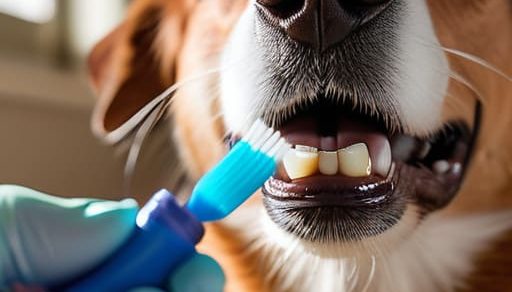
- Start the dental habit now, even if their breath doesn’t smell like anything yet. A puppy’s teeth are small, but the habit of handling their mouth is everything. If you can’t get a finger in there to feel their gums without them snapping, you are going to be paying for a $1,200 professional cleaning under anesthesia by the time they are three.
The Bottom Line: What You Need to Carry With You
Don’t let “sticker shock” become a tragedy; knowing the difference between a $150 wellness visit and a $3,000 emergency surgery for an intestinal blockage is the only way you’ll make a rational decision when the panic sets in.
Vaccination schedules aren’t suggestions or “optional extras” to save a few bucks—they are the only thing standing between your puppy and a very expensive, very preventable encounter with Parvo.
Growth is a high-stakes biological process, not a buffet; feeding the wrong thing now doesn’t just cause a tummy ache, it sets the structural foundation for every joint and bone your dog will have for the next ten years.
The Reality of the First Year
“A puppy’s first year isn’t a series of cute milestones; it’s a high-stakes balancing act between managing their explosive growth and preparing your bank account for the inevitable emergencies that come with a body that hasn’t finished building itself yet.”
Marlene Ostrowski
The Long Game

Look, I know it feels like you’re just throwing money and energy into a black hole right now. Between the scheduled vaccines, the specialized high-calorie kibble, and the inevitable “oops, he ate a sock” emergency visits, the first year is a massive financial and emotional undertaking. But if you stay on top of the nutrition and don’t skimp on the preventative medicine, you aren’t just checking boxes on a medical chart; you are building the foundation for the next decade. Keeping a close eye on their weight and their developmental milestones now is the difference between a dog that thrives into their senior years and a dog that spends their twilight years struggling with preventable, chronic issues. Don’t treat the first year like a checklist; treat it like an investment.
There will be nights when you’re exhausted, covered in puppy breath and hair, wondering if all this effort is actually worth it. I’ve sat in those exam rooms and seen the owners who waited too long because they thought “it was just a phase,” and I’ve seen the owners who were prepared. When that puppy finally grows into themselves—when the clumsy, biting, sleep-deprived terror turns into your steady, loyal shadow—you’ll realize that every single cent and sleepless hour was part of the contract. You aren’t just raising a pet; you’re learning how to be a guardian. Do the work now, so you can enjoy the reward later.
Frequently Asked Questions
My puppy has a slight runny nose and is acting a bit lethargic; is this just a minor bug, or am I looking at a Parvo emergency that's going to cost me three thousand dollars?
Look, I’m not a vet, but I’ve held enough Parvo-stricken pups to know the difference between a sniffle and a crisis. A runny nose alone isn’t the red flag; it’s the lethargy and what happens next. If he starts vomiting, refuses water, or develops bloody diarrhea, stop reading this and get to the ER. Parvo isn’t a “wait and see” situation; it’s a “liquidate your savings” situation. If he’s still eating, watch him like a hawk.
I’ve seen people online suggesting raw diets for puppies, but is it actually worth the risk of bacterial contamination, or should I just stick to the expensive kibble the vet recommends?
Look, I’ve spent half my retirement arguing with my vet about raw feeding, so I know the appeal. But for a puppy? Their immune systems are still under construction. You aren’t just risking a little tummy upset; you’re risking salmonella or parasites that can turn a growing pup sideways fast. If you go raw, you better be prepared to balance every single micronutrient yourself. Honestly? Stick to the high-quality kibble for now. It’s predictable, and predictability is what a growing body needs.
How much should I realistically be budgeting for the "invisible" costs of the first year, like preventative medications and those unexpected mid-year vet visits?
Budgeting for the “fun” stuff is easy; it’s the invisible stuff that breaks you. Between heartworm, flea, and tick preventatives—which I recommend religiously—and those “oops, he ate a sock” emergency visits, you should set aside another $600 to $800. An ER visit for an ingestion can easily hit $500 before they even run the bloodwork. Don’t let a lack of a “buffer fund” be the reason you’re staring at a bill you can’t pay while your puppy is in distress.