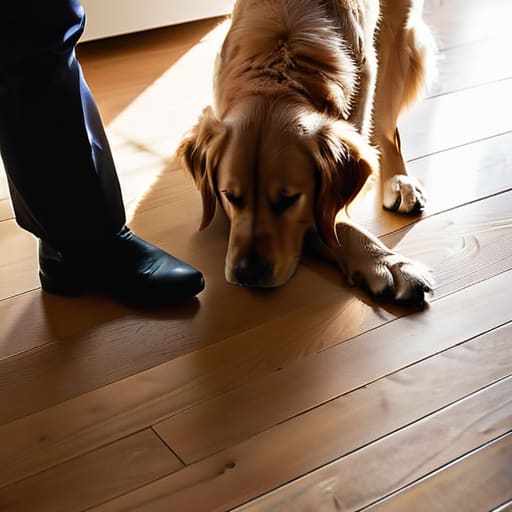
Dogs

Exercise by Age: Why Puppies Should Do Less

How much exercise a dog needs by age.

I’ve spent three decades watching owners walk into my clinic with a dog that’s either dangerously obese or has blown out a cruciate ligament because they followed some “one size fits all” fitness influencer’s advice. There is a massive, expensive myth floating around that more movement is always better, but if you’re pushing a sixty-pound Lab puppy to run five miles a day, you aren’t being a good owner—you’re inviting a lifetime of orthopedic surgery. Knowing how much exercise a dog needs by age isn’t about hitting a step count on a smartwatch; it’s about understanding the structural reality of their joints and their metabolic limits.

I’m not here to sell you a fancy hiking harness or a subscription to a canine bootcamp. I’m going to give you the clinical reality of what those different life stages actually require, from the cautious, controlled walks a growing puppy needs to keep their growth plates safe, to the low-impact movement that keeps a senior dog from stiffening up entirely. I’ll tell you exactly when a “lazy” day is actually a medical necessity and when a lack of movement is becoming a health crisis.

Table of Contents

Safe Playtime for Growing Puppies vs the Risk of Injury

Safe Playtime for Growing Puppies vs the Risk of Injury

When I was working the floor, I saw far too many owners bringing in six-month-old Labs with orthopedic issues that could have been avoided with a little more common sense. Everyone wants to play fetch in the backyard, but you have to remember that safe playtime for growing puppies isn’t about distance or speed; it’s about protecting those soft, developing growth plates. If you’re letting a puppy sprint on hard pavement or jump off a high porch, you aren’t “burning off energy,” you’re potentially setting them up for lifelong joint pain. Keep it to short bursts of controlled movement and avoid anything high-impact until they are fully grown.

It’s a balancing act. You want to respect dog breed energy levels—a Border Collie puppy is going to have a different drive than a Basset Hound—but the physical structure always comes first. I always told clients: if you see them tripping over their own feet or getting unusually lethargic after a play session, stop. You aren’t being “too soft” by cutting a play session short; you’re being a responsible owner.

Managing Puppy Developmental Activity Levels Without Breaking Your Wallet

Managing Puppy Developmental Activity Levels Without Breaking Your Wallet

The thing about puppies is that their energy is a runaway train, but their joints are still basically wet noodles. You’ll see people spending a fortune on high-end agility courses or fancy motorized toys, but most of that is just noise. When you’re managing puppy developmental activity levels, the most expensive mistake you can make is overdoing it and causing a growth plate injury. A vet visit for a suspected orthopedic issue isn’t just a consultation; once you add X-rays and orthopedic specialists, you’re looking at a bill that can easily clear $1,000 before you’ve even discussed a treatment plan.

Instead of chasing expensive gadgets, focus on mental stimulation. A snuffle mat or a frozen Kong costs ten dollars and burns more brainpower than a twenty-minute sprint in the backyard. I’ve seen too many owners try to “tire out” a high-energy breed by running them on pavement, only to end up paying for physical therapy later. You have to account for dog breed energy levels—a Border Collie isn’t a Pug—but regardless of the breed, mental work is cheaper and safer than physical exhaustion during those first critical months.

Five things I learned from thirty years of seeing what happens when owners overdo it (or underdo it)

  • Stop the “marathon” mindset for puppies; their growth plates are soft, and if you push a six-month-old too hard on long runs, you aren’t building muscle, you’re risking permanent orthopedic damage that will cost you thousands in surgery later.
  • Watch the “panting scale” in adult dogs; if your dog is panting heavily ten minutes after a walk, you’ve hit their limit, and if they’re still panting twenty minutes after you’ve come inside, you’ve gone too far.
  • For seniors, focus on “micro-bursts” of movement rather than one long trek; five-minute sniffari walks three times a day are better for a stiff joint than one thirty-minute walk that leaves them unable to get up off the floor for the rest of the evening.
  • Don’t mistake “destructive behavior” for a need for more running; often, a bored adult dog doesn’t need a five-mile hike, they need mental stimulation like a snuffle mat or a frozen Kong, which costs about five dollars and saves your baseboards.
  • Learn the difference between “stiff” and “painful”; if your dog is slow to rise in the morning, that’s aging, but if they are trembling or yelping during a transition from sitting to standing, that’s an acute issue that needs a vet visit, not a longer walk.

The bottom line on movement and age

Puppies need mental stimulation and short bursts of play more than long hikes; pushing a growing dog too hard before their growth plates close is a fast track to expensive orthopedic surgery.

For seniors, “exercise” is often just about maintaining mobility, so watch for heavy panting or a refusal to stand—if they stop getting up, you aren’t waiting until Monday, you’re calling the vet.

Don’t let the cost of a gym membership or a trainer stop you from being active; a consistent, slow-paced walk and some nose work in the backyard do more for a dog’s health than any overpriced gadget.

The danger of the "more is better" mindset

I’ve spent half my career watching owners try to “burn off” a puppy’s energy with marathon runs, only to end up in my exam room three years later with a dog suffering from preventable orthopedic issues. You aren’t training a marathon runner; you’re managing a biological timeline, and if you push a growing skeleton too hard because you’re tired of the chewing, you’ll pay for it in vet bills that no amount of ‘exercise’ can justify.

Marlene Ostrowski

Listen to the dog, not the manual

Listen to the dog, not the manual.

At the end of the day, there isn’t a magic number in a textbook that applies to every living creature. A high-drive Border Collie puppy needs much more mental and physical stimulation than a Basset Hound puppy, and a senior Lab with a touch of arthritis shouldn’t be doing the same circuit they did at age three. You have to watch for the signs: the heavy, labored panting that doesn’t stop when you get inside, the sudden reluctance to jump into the car, or that subtle stiffness in the morning. If you’re seeing these things, it’s time to adjust the intensity, not the frequency. Remember, it is always better to under-exercise a senior dog and keep them mobile than to push them into a soft-tissue injury that ends up costing you a three-thousand-dollar surgery and a month of pain management.

I’ve spent thirty years watching owners realize too late that they missed the subtle shift from “just getting old” to “this is a medical problem.” Exercise is the best medicine we have for keeping joints lubricated and minds sharp, but it has to be done with intention. Don’t get caught up in the guilt of not hitting a specific mileage; instead, focus on the quality of the movement and the way your dog carries themselves. You are the only one who knows their baseline, so trust your gut over the internet. If something feels off, it probably is. Keep them moving, keep them happy, and pay attention to the small things—that’s how you give them a good life.

Frequently Asked Questions

My dog is a senior and seems to be slowing down, but how do I tell the difference between normal aging and actual pain that needs a vet visit?

Look, “slowing down” is a vague term that hides a lot of suffering. A senior dog might take a little longer to stand up, but they shouldn’t be trembling or panting heavily while doing it. If you see them hesitating at the stairs, licking their joints incessantly, or if they stop eating because they don’t want to stand up for the bowl, that isn’t “just age.” That’s pain. Get them checked out.

If I have a high-energy breed like a Border Collie, is it actually safe to keep them working hard once they hit their middle years?

With a Border Collie, you don’t want to kill their spirit, but you have to respect the physics of an aging body. In their middle years, the “work” should shift from high-impact sprinting to mental engagement. I’ve seen too many working breeds go into orthopedic crisis because owners thought “high energy” meant “unlimited jumping.” Keep the brain busy with scent work or advanced tricks—it burns just as much fuel without wrecking their joints.

I'm on a tight budget; are there ways to keep an active dog tired without paying for expensive daycare or professional trainers?

Look, I’ve seen too many owners skip walks because they’re exhausted or broke, and then pay $3,000 for a behavioral vet later. You don’t need a fancy trainer; you need mental fatigue. Ten minutes of intensive nosework—hiding treats around the living room—will tire a dog out more than a forty-minute stroll. It costs nothing but your time. If you can’t afford daycare, use scent work and basic command training. A tired brain beats a tired body every time.

Physical Exercise Alone Will Not Tire That Dog Out

How to exercise a high energy dog.

I’ve spent thirty years watching owners walk into my clinic with expensive, high-tech agility kits or “brain games” they bought from a glossy Instagram ad, only to realize those gadgets didn’t do a damn thing for their dog’s destruction. Most of the advice you find online about how to exercise a high energy dog is either selling you a subscription service or pretending that a twenty-minute walk is going to fix a Border Collie with a vendetta against your sofa. Let me tell you something: if you’re just trying to tire them out physically without addressing the mental drain, you aren’t exercising them—you’re just building a faster, stronger athlete who knows exactly how to tear your house apart.

I’m not here to sell you a lifestyle brand or a fancy new toy. I’m going to give you the practical, clinical reality of what actually works when you’re exhausted and your dog is vibrating with nervous energy. We are going to talk about the difference between physical exhaustion and mental fatigue, how to structure a routine that doesn’t cost a fortune, and most importantly, when that “excessive energy” might actually be a medical issue that needs a vet, not a longer leash.

Table of Contents

The Real Difference Between Physical vs Mental Stimulation for Dogs

The Real Difference Between Physical vs Mental Stimulation for Dogs.

Most people think a tired dog is a happy dog, but I’ve spent enough years in a clinic to know that a dog can be physically exhausted and still be a complete neurotic mess. If you spend two hours throwing a tennis ball for a Border Collie, you’ve addressed the muscle fatigue, but you haven’t touched the brain. That’s the crux of the debate regarding physical vs mental stimulation for dogs: one burns calories, while the other burns off the obsessive energy that leads to chewed-up baseboards. You can run a dog into the ground physically, but if they aren’t getting enough cognitive work, they’ll just wake up from a nap and immediately start looking for trouble.

I always tell new owners to look for specific dog fatigue signs to see which bucket they’re actually filling. If your dog is panting, sweaty, and ready for a nap, you’ve hit the physical mark. But if they are still pacing, whining, or staring at you with that “I’m about to destroy something” look, they are mentally under-stimulated. In those cases, you don’t need more laps around the block; you need canine enrichment activities like scent work or puzzle feeders. You have to work the mind to settle the body.

Managing Puppy Zoomies Before They Destroy Your Living Room

Managing Puppy Zoomies Before They Destroy Your Living Room

Look, I’ve spent enough time in exam rooms to know that “zoomies” aren’t just cute little bursts of energy; for a puppy, they are often a frantic attempt to discharge a massive amount of pent-up tension. When that puppy starts banking off your sofa like a pinball, you aren’t just looking at a messy living room—you’re looking at a dog that is overstimulated and under-managed. If you try to outrun them, you’ll just teach them that your legs are toys. Instead of more running, try shifting toward canine enrichment activities that force them to use their brains. A frozen Kong or a snuffle mat can do more to settle a frantic brain than a thirty-minute sprint ever will.

The goal isn’t to tire them out until they crash; it’s to teach them how to switch off. If you see them pacing or frantically biting at air, they’ve likely crossed the line from “playing” to “overtired.” This is where most owners fail—they think more movement is the answer, but you actually need indoor activities for energetic dogs that prioritize sniffing and licking. These actions lower a dog’s cortisol levels. Watch for the heavy panting and the glazed eyes; those are your real dog fatigue signs, and that’s when you stop the chaos and start the calm.

Five Ways to Burn Off the Energy Without Losing Your Mind (or Your Furniture)

  • Stop thinking a thirty-minute walk is “exercise.” For a high-drive breed, that’s just a sniffing tour. If you want to actually tire them out, you need interval training—short bursts of jogging or fetching followed by a rest. If you just trudge along at a human pace, you’re just teaching them how to be professional walkers, not how to settle down.
  • Use your brain to save your legs. I’ve seen plenty of owners try to run their Border Collies into the ground until the dog’s joints are screaming, when what they actually needed was a snuffle mat or a puzzle feeder. Ten minutes of intense scent work or nose work will often drain a dog more effectively than a mile-long hike, and it’s much easier on your knees.
  • Watch for the “overtired” meltdown. There is a very fine line between a dog that is happily exercising and a dog that is becoming overstimulated and neurotic. If you see frantic, repetitive behaviors—like obsessive licking or pacing that doesn’t stop when the activity ends—you’ve pushed too hard. You aren’t building stamina at that point; you’re just spiking their cortisol.
  • Structure your sessions around their caloric needs. If you’re ramping up the activity, you have to be honest about the food. I see people double the exercise and then “reward” the dog with extra treats, and suddenly they’re looking at a $400 bill for weight management or insulin because the dog became obese. Exercise is a math problem, not just a way to hand out biscuits.
  • Don’t ignore the “why” behind the frantic energy. If a dog that was previously chill suddenly becomes hyperactive or destructive, don’t just buy more chew toys. Check for pain. I’ve seen dogs with undiagnosed hip dysplasia or GI discomfort act out with manic energy because they don’t know how to process the discomfort. If the behavior change is sudden, skip the treadmill and call the vet.

The Bottom Line: Don't Mistake Exhaustion for Fulfillment

A tired dog isn’t always a happy dog; if you’re just running them until they collapse physically but they’re still pacing the house at 10:00 PM, you haven’t actually addressed their brain—you’ve just built a more athletic, frustrated dog.

Watch the joints, not just the energy levels; if you have a high-drive breed, “more exercise” shouldn’t mean more concrete running, it should mean more complex sniffing and puzzle work to save their hips for when they’re older.

Know your limit and theirs; if you’re feeling burnt out by their energy, it’s a sign you need to pivot to mental stimulation—it’s cheaper than a vet bill for an injury and a lot less taxing on your own sanity.

The Tired Dog Fallacy

“I’ve seen plenty of owners come in with a dog that’s acting out, thinking they just need to run him harder in the backyard, but a dog that’s physically exhausted but mentally starving is just a ticking time bomb for anxiety and joint issues. You can’t outrun a brain that’s bored; you have to give them something to do with their heads, or they’ll spend all night finding something to destroy instead.”

Marlene Ostrowski

The Bottom Line on High-Energy Dogs

The Bottom Line on High-Energy Dogs.

At the end of the day, managing a high-energy dog isn’t about running yourself ragged until you’re too exhausted to function. It’s about understanding that a tired body doesn’t always mean a tired brain. You can walk a dog for five miles, but if he spent the whole time sniffing the same three bushes and ignoring your cues, he’s still going to come home and chew your baseboards. You have to balance that physical output with intentional mental work—whether that’s sniffing games, puzzle feeders, or actual training sessions. Stop looking for the “magic” exercise that will fix everything and start looking at the total daily load you are putting on their nervous system.

I know it’s exhausting. I’ve seen owners come into the clinic looking absolutely defeated because they feel like they’ve failed their dog by not being “enough.” But please, give yourself some grace. You aren’t just a playmate; you are their handler and their provider. If you can’t do a sixty-minute hike every morning, find a way to make ten minutes of nose work happen in your living room. It’s not about perfection; it’s about consistency over intensity. When you find that rhythm where your dog is settled and you aren’t constantly on edge, you’ll realize that the work you put in now is what buys you a peaceful home later.

Frequently Asked Questions

My dog is clearly exhausted after a long walk, but he's still pacing and panting—is he actually tired or am I missing a medical issue?

If he’s panting and pacing after a walk, don’t assume he’s just “wound up.” I’ve seen too many owners mistake heat exhaustion or even early signs of heart issues for simple hyperactivity. Check his gum color—they should be bubblegum pink, not pale or purple. If he’s pacing and can’t settle, even with a bowl of water, call your vet. It’s better to pay a $75 exam fee than a $2,000 emergency bill later.

How much am I realistically going to spend on professional daycare or dog walkers if I can't keep up with his energy levels myself?

Look, I’ve sat in the exam room while owners cried because they couldn’t afford the lifestyle their dog required. If you’re outsourcing, budget for reality: professional dog walkers usually run $25–$40 per 30-minute visit, and daycare can hit $40–$60 a day. That’s $150–$300 a week if you’re doing it daily. It adds up fast. If that number makes your stomach turn, we need to talk about high-intensity mental games you can do at home for free.

Is there a point where I'm overworking him and actually risking a physical injury like a torn ligament or joint issue?

Yes, there absolutely is. I’ve spent enough years pulling limping dogs off exam tables to tell you that “more” isn’t always better; sometimes it’s just more opportunities for a CCL tear. If you see him lagging behind, favoring a limb, or even just acting “off” after a session, stop. Pushing through a limp is how a minor strain becomes a $3,000 surgery. If he’s stiff, you’ve gone too far. Back off.

Choosing a Trainer: the Methods Question to Ask First

Tips on how to choose a dog trainer.

Stop looking for a “dog whisperer” or some magical guru who promises to fix your aggressive Lab in a single weekend session. I spent nearly three decades in a vet clinic, and if there is one thing I learned from watching owners walk through those doors, it’s that most people looking for help are being sold a fairy tale. They spend hundreds of dollars on flashy social media trainers who use “alpha” nonsense that actually increases a dog’s cortisol levels, only to end up in my exam room with a dog that is more reactive and a client who is completely broke. If you are trying to figure out how to choose a dog trainer, you need to stop looking at their follower count and start looking at their actual methodology and their price list.

I’m not here to give you a pep talk or tell you that every behavior can be solved with a handful of treats and a smile. I’m going to tell you exactly what questions to ask to see if a trainer actually knows what they’re doing, and more importantly, how to spot the red flags before you hand over your credit card. I’ll give you the clinical reality of what training actually costs—both in dollars and in time—so you don’t waste your resources on a quick fix that leaves your dog in worse shape than when you started.

Table of Contents

Why Most Dog Training Philosophy Is Just Expensive Guesswork

Why Most Dog Training Philosophy Is Just Expensive Guesswork

I’ve spent three decades watching people bring in dogs that weren’t just “naughty,” but were fundamentally broken because their owners had followed a “quick fix” from a social media video. Most people walking into a training session are actually walking into a salesperson’s version of a dog training philosophy. They sell you a promise of obedience, but they rarely explain the mechanics behind it. You’ll find plenty of trainers who claim to be experts, but if you ask them about their specific behavioral modification techniques, they’ll give you a vague answer about “dominance” or “pack leadership.” That’s a red flag. In my experience, if they can’t explain the science of why a behavior is happening, they aren’t training; they’re just guessing and hoping the dog eventually submits.

The danger is that “guessing” often looks like progress until it doesn’t. A dog might stop barking because it’s terrified, not because it learned anything, and that’s where the real damage happens. You need to look for someone who understands the difference between a dog that is compliant and a dog that is shut down. If they aren’t prioritizing avoiding punitive training methods that rely on fear, you aren’t paying for a trainer—you’re paying for a ticking time bomb of anxiety and aggression.

The Real Cost of Ignoring Dog Training Certification Standards

The Real Cost of Ignoring Dog Training Certification Standards

I’ve spent enough time in exam rooms watching owners bring in dogs that have become “unfixable” because their previous trainer used fear to get quick results. When you ignore dog training certification standards, you aren’t just risking a few hundred dollars; you are risking the animal’s psychological stability. I have seen dogs that were once friendly become reactive or shut down entirely because someone thought a heavy hand or a shock collar was a shortcut to obedience. Those “quick fixes” usually end with a referral to a behaviorist, and let me tell you, behavioral modification techniques prescribed by a specialist cost three times as much as a proper trainer would have charged in the first place.

If you are looking at a price list and seeing something that feels too good to be true, it probably is. People often skip the vetting process to save money, but they don’t account for the cost of a broken bond or a dog that can no longer go to the park. You need to be avoiding punitive training methods at all costs. If a trainer can’t explain the science behind their approach or refuses to discuss how they handle stress, walk away. It is much cheaper to pay for an expert now than to pay for a specialist to repair the damage later.

Five Ways to Tell if You're Hiring a Pro or Just a Person with a Bag of Treats

  • Ask about their specific credentials, not just their “experience.” In my thirty years in the clinic, I saw plenty of “trainers” who were really just people with high energy and zero understanding of canine neurology. Look for certifications from recognized bodies like the CCPDT or IAABC. If they say they “learned it from their dog,” hang up the phone. That’s not a qualification; that’s a hobby.
  • Demand to see their actual methodology in writing before you book. If they can’t explain—clearly and without using vague buzzwords like “balanced” or “alpha”—exactly how they handle a reactive dog or a resource guarder, they don’t have a plan. You aren’t paying for them to “work with your dog”; you’re paying for a repeatable system that works when you aren’t in the room.
  • Watch how they talk about the dog’s “bad” behavior. A real professional talks about triggers, threshold levels, and physiological responses. A hack talks about “dominance,” “stubbornness,” or “disrespect.” If they treat your dog like a naughty child rather than a biological organism with a nervous system, they are going to use methods that might work in the short term but will eventually leave you with a dog that’s too terrified to tell you when something is actually wrong.
  • Get a straight answer on the price, including the “hidden” stuff. I’ve seen owners get blindsided by trainers who charge a reasonable hourly rate but then tack on “assessment fees,” “equipment costs,” and mandatory follow-up packages that double the bill. Ask if the price includes a customized plan or if you’re just paying for their time. If they can’t give you a clear estimate, they aren’t running a business; they’re running a side hustle.
  • Check if they are willing to talk to your vet. This is the ultimate litmus test. A legitimate trainer knows that behavior is often tied to physical health—pain, thyroid issues, or neurological shifts. If a trainer tells you that “the vet doesn’t know anything about behavior” or tries to steer you away from medical consultation, walk away. You want a partner in your dog’s care, not someone who thinks they’re more important than a medical professional.

The Bottom Line Before You Hire Anyone

Stop looking for the lowest hourly rate; a “bargain” trainer who uses fear or heavy-handed corrections often creates behavioral issues that end up costing you thousands in vet bills for stress-related illnesses or emergency behavioral consultations later.

Demand to see actual credentials and a clear, written philosophy—if they can’t explain exactly how they handle a specific problem without resorting to “dominance” or physical punishment, they aren’t a professional, they’re just someone with a leash and an opinion.

Vet your trainer’s methods against your dog’s specific needs, because a trainer who treats a high-drive working breed the same way they treat a senior rescue is going to fail both of you, and you’ll be the one left dealing with the fallout.

The Price of a "Quick Fix"

Stop looking for the person who promises they can fix your dog by next weekend for fifty bucks an hour; if they aren’t talking about behavioral science, clear metrics, and a realistic timeline, they aren’t training your dog—they’re just managing your desperation until the next crisis hits.

Marlene Ostrowski

The Bottom Line

The Bottom Line on choosing dog trainers.

Look, I’ve spent three decades watching people try to “fix” their dogs with whatever trendy method they saw on a thirty-second video clip, and it almost always ends in a vet clinic or a surrender line. Choosing a trainer isn’t about finding the person with the cutest Instagram feed or the lowest hourly rate; it’s about verifying their credentials, understanding their actual methodology, and knowing exactly what you’re paying for before you sign a contract. You need to know if they are using force, if they understand canine psychology, and if they have a plan for when things inevitably get difficult. Don’t let a lack of transparency or a “bargain” price tag blind you to the fact that bad training is a long-term liability that can damage your dog’s temperament for years.

At the end of the day, you aren’t just buying a service; you are investing in the quality of life for a creature that cannot speak for itself. It’s easy to get overwhelmed by the options, but remember that a good trainer won’t just teach your dog to sit—they will teach you how to communicate. It takes patience, and it usually takes more money than we’d like to admit upfront, but doing it right the first time is always cheaper than paying for the fallout of a mistake. Trust your gut, do your homework, and choose the professional who respects your dog as much as you do.

Frequently Asked Questions

How can I tell if a trainer is actually using positive reinforcement or if they’re just hiding the fact that they’re using pain and fear under a different name?

Watch their hands and the dog’s body language, not their marketing. If the trainer says they use “balanced” methods, they’re usually just using a leash pop or an e-collar to mask fear. Look for “suppression”—when the dog stops a behavior because they’re terrified, not because they understand. If the dog’s tail is tucked or they’re freezing up, that isn’t “focus,” it’s shut-down. Real positive reinforcement builds confidence; fear just builds a ticking time bomb.

Is it worth paying a premium for a certified professional if my dog’s behavior issues seem relatively minor right now?

Look, I’ve seen “minor” issues turn into emergency vet visits because an owner tried to DIY a behavioral problem. If your dog is just pulling on a leash, sure, you can probably manage. But if there’s aggression, resource guarding, or anxiety, “minor” is a lie we tell ourselves to save money. Paying the premium for a certified professional now is cheaper than paying for a specialized behaviorist—or a vet bill—once the habit is baked in.

What specific questions should I ask during a consultation to see if they actually understand my dog's specific breed or medical history?

Don’t just ask if they “know” your breed; ask how they handle that breed’s specific physical tendencies. If you have a Malinois, ask how they manage high-drive reactivity without using physical corrections that trigger a shutdown. If your dog has a history of IVDD or joint issues, ask exactly how they modify their handling to avoid spinal stress. If they give you a vague answer about “positive reinforcement,” they aren’t listening to your dog’s medical reality.

Reactivity on the Lead: Distance Is the Medicine

How to handle dog to dog reactivity.

I’ve spent thirty years watching people pour hundreds of dollars into “miracle” calming supplements and high-tech training gadgets, only to have their dog explode the second a Golden Retriever wanders into their line of sight. It’s exhausting, and frankly, it’s a waste of your money. Most of the advice you find online makes it sound like you need a PhD in canine psychology to figure out how to handle dog to dog reactivity, but usually, you just need to stop overcomplicating the basics and start looking at the actual triggers. If you’re currently white-knuckling your leash because you’re terrified of the next lunging, snarling meltdown, I want you to know that I’ve seen it all—from the nervous pups in my clinic to the truly aggressive ones that required a team of three people to hold.

I’m not here to sell you a subscription to a training app or promise that a handful of chamomile will fix a deep-seated fear response. What I am going to give you is the unvarnished truth about what reactivity actually looks like, how to tell the difference between a dog who is just “grumpy” and one who is a genuine safety risk, and what your actual toolkit should look like. We’re going to talk about management, realistic timelines, and when it’s time to stop trying to “fix” it and start focusing on safety and stability.

Table of Contents

Reading Dog Body Language Signs Before the Bark

Reading Dog Body Language Signs Before the Bark

In my thirty years at the clinic, I’ve seen more fights break out because an owner missed the “quiet” signals than because of actual aggression. By the time your dog is lunging and barking, the window for a peaceful resolution has usually slammed shut. You have to stop looking at the bark and start looking at the ears, the eyes, and the tail. If you see a dog freeze mid-stride, or notice their eyes turning white around the edges—what we call “whale eye”—that is not a “grumpy” dog. That is a dog that is actively escalating.

When you’re managing leash reactivity, you’re essentially playing a game of prediction. If you see a dog approaching and your dog starts stiffening their posture or licking their lips excessively, they are telling you they are uncomfortable. Don’t wait for the growl. If you catch those early dog body language signs, you can use a quick U-turn or a distance increase to prevent the explosion. If you wait until they are already screaming at the other dog, your adrenaline spikes, your grip on the leash tightens, and you’ve just signaled to your dog that the situation is indeed a crisis.

Desensitization Training Methods That Actually Work

Desensitization Training Methods That Actually Work

Look, I’ve seen too many people try to “fix” reactivity by dragging a dog down the street or using a prong collar to “correct” the lunging. That’s not training; that’s just teaching your dog that other dogs are the source of physical pain. If you want real results, you have to lean into positive reinforcement for reactive dogs. This means you find the exact distance where your dog notices another canine but hasn’t reached the “red zone” of barking and lunging yet. Once you find that sweet spot, you reward the calm. You aren’t just teaching them to sit; you are rewiring their brain to realize that seeing another dog equals high-value treats, not a fight.

Effective desensitization training methods require more patience than most people are willing to give. You have to be consistent, and you have to be boring. If you’re out on a walk and you see a trigger coming, don’t wait for the explosion. Turn around, change direction, or create a barrier with a parked car immediately. It’s about managing the environment before the threshold is crossed. If you miss the window, the session is over. You can’t teach a dog who is currently in a state of physiological arousal.

Five Hard Truths for Managing the Chaos

  • Stop the “Apology Tour” at the park. If your dog starts lunging, don’t stand there apologizing to every stranger while your dog’s cortisol levels spike into the stratosphere. You aren’t being rude; you’re managing a medical and behavioral threshold. If they can’t walk past a dog without losing their mind, you don’t go to the dog park. You go to the empty parking lot or the quiet trail. You can’t train a brain that is currently in a state of fight-or-flight.
  • Learn the “Threshold” math. In the clinic, we look at physiological markers, and in the field, you look at distance. If your dog is reactive at 20 feet, 15 feet is a waste of your time and money. You need to find the distance where they can actually see the other dog but still take a piece of dried liver without acting like the world is ending. If you can’t find that distance, you’re just practicing failure.
  • High-value rewards aren’t a luxury; they’re the job. If you’re using those dry, boring biscuits you bought in a bulk bag, don’t be surprised when your dog chooses the “exciting” stranger over your mediocre snack. I’m talking real chicken, real cheese, or something smelly. If the reward isn’t better than the distraction, the math doesn’t work.
  • Watch for the “Pre-Reaction” tells. Most people wait for the bark or the snap, but by then, the dog has been ramping up for three minutes. Look for the stiffening of the spine, the “whale eye” (where you see the whites of their eyes), or the sudden freeze. When you see the freeze, that is your cue to move—not to grab the leash and pull, but to calmly create distance before the explosion happens.
  • Rule out the physical stuff first. I’ve seen plenty of “behavioral” cases that were actually just a dog in pain. If a dog has undiagnosed hip dysplasia or a dental issue, their tolerance for being near other dogs drops to zero. If this reactivity started suddenly or seems to flare up when they move a certain way, skip the trainer for a week and go to the vet. A $75 exam fee is a lot cheaper than months of failed training for a dog that’s actually just hurting.

The Bottom Line: When to Train and When to Step Back

Stop trying to “fix” a dog that is currently in a state of physiological shutdown; you cannot teach a brain that is flooded with cortisol and adrenaline, so focus on management and distance until the nervous system settles.

Learn to distinguish between a dog that is “frustrated-reactive” (barking because they want to play or get closer) and one that is truly fearful or aggressive, because your approach—and the level of professional help you need—changes entirely depending on the trigger.

Safety is non-negotiable, and if you can’t control the situation with a standard leash or a muzzle, you aren’t “testing” your dog’s progress, you’re setting yourself up for a bite—and a very expensive emergency vet bill if a fight breaks out.

## The Cost of Hesitation

“I’ve spent three decades watching owners try to ‘wait it out’ or ‘train it away’ while their dog’s stress levels hit a breaking point. Reactivity isn’t just a bad attitude; it’s a physiological state, and if you don’t learn to distinguish between a dog who’s just being a nuisance and a dog who is truly losing control, you aren’t just risking a bite—you’re risking a neurological burnout that no amount of treats can fix.”

Marlene Ostrowski

The Long Road to a Quiet Walk

The Long Road to a Quiet Walk.

At the end of the day, managing reactivity isn’t about achieving a perfect, silent stroll through the park; it’s about recognizing the subtle shifts in your dog’s posture before the lunging starts and having a plan that doesn’t involve panic. You have to learn to read the stiffened tail or the hard stare, use your desensitization tools consistently, and—most importantly—know when to call it a day and head home. If you’re seeing signs of genuine neurological distress or sudden, uncharacteristic aggression that feels “off,” don’t try to train your way out of it; get them to the vet to rule out pain or cognitive issues. Training is for behavior, but medicine is for the body, and you need to know the difference.

I know how exhausting this is. I’ve sat in waiting rooms with owners who were shaking because their dog had just charged another pet, and I’ve seen the sheer burnout that comes from a year of failed “quick fixes.” But please, don’t lose heart. Progress in reactivity isn’t a straight line; it’s a messy, frustrating zig-zag of two steps forward and one step back. Just keep showing up, keep watching the body language, and be patient with yourself. You aren’t just training a dog; you are building a bridge of trust that allows them to feel safe in a world that feels too loud and too crowded.

Frequently Asked Questions

Is my dog actually being aggressive, or are they just overstimulated and needing a break?

Look, there’s a massive difference between a dog who is “over threshold” and a dog that is truly aggressive. If your dog is stiff, staring intensely, and won’t take a treat, they’re likely overstimulated—their brain has effectively shut down and they’re in fight-or-flight. If they’re lunging to get to the other dog, that’s reactivity. But if they are snapping or showing teeth to keep something away, that’s aggression. If it’s the latter, stop the training and call your vet; we need to rule out pain first.

How much is this going to cost me if I have to see a veterinary behaviorist instead of just a trainer?

Here is the reality: a trainer might charge you $100 to $200 for a session, but they aren’t doctors. A board-certified veterinary behaviorist is a specialist, and they charge accordingly. Expect an initial consultation to run anywhere from $300 to $600, plus the cost of any diagnostic bloodwork or medications they prescribe. It’s a steeper upfront investment, but if the reactivity is neurological, a trainer is just whistling in the dark.

If my dog lunges or snaps during a walk, is that a training issue I can fix at home or a neurological red flag that needs an immediate vet visit?

Look, if your dog is lunging because they see a squirrel and have zero impulse control, that’s a training job. But if the snapping is sudden, new, or accompanied by a glazed look or stumbling, stop the training and call the vet. I’ve seen “behavioral” outbursts turn out to be neurological pain or seizures. If they seem disoriented or lose muscle control, you aren’t waiting until Monday; you’re heading to the ER tonight.

Stopping the Jumping Without Kneeing Anybody

How to stop a dog jumping up.

If you spend more than ten minutes on those pet training forums, you’ll be told you need a high-tech electronic collar, a specialized “alpha” training course, or a miracle supplement to fix your manners. Honestly, most of that is just expensive noise designed to separate you from your paycheck. I’ve spent twenty-eight years in a clinic watching people walk in with bruised shins or torn clothes because they were trying to “alpha” their way through a behavioral issue that was actually just pure, unadulterated excitement. Learning how to stop a dog jumping up isn’t about dominance or buying a gadget; it’s about understanding the biological impulse behind the movement and managing your own reaction.

I’m not here to sell you a subscription or a “quick fix” that won’t work by Tuesday. What I am going to give you is the clinical reality of why your dog is doing this and the practical, low-cost steps to redirect that energy before someone gets hurt. We’re going to look at the difference between a happy greeting and a neurological compulsion, and I’ll tell you exactly when a jumping habit is just a nuisance versus when it’s a sign of something that needs a vet’s eyes.

Table of Contents

How to Manage Dog Excitement Without Losing Your Cool

How to Manage Dog Excitement Without Losing Your Cool

The first thing you have to accept is that you cannot yell a dog into being calm. I spent three decades watching people scream at their labs for being “bad,” only to realize the dog was just flooded with cortisol and had no idea how to process the energy. If you’re trying to work on preventing excessive jumping, you have to become the most boring person in the room. The second they hit your chest, the party is over. You turn your back, cross your arms, and become a statue. It feels like you’re doing nothing, but in reality, you are teaching them that contact equals the immediate withdrawal of your attention.

Once you’ve mastered the “ignore” phase, you need to pivot to canine impulse control exercises that actually mean something. Don’t just hope they’ll sit; make it the only way they get what they want. I always told my clients that teaching a dog to sit for greetings is about rewarding the absence of the jump. Use high-value treats—we’re talking real chicken or freeze-dried liver, not those stale biscuits from the grocery store—the moment their butt hits the floor. You aren’t just training manners; you’re teaching them how to regulate their own nervous systems.

Teaching Dog to Sit for Greetings Instead of Chaos

Teaching Dog to Sit for Greetings Instead of Chaos

Look, if you want to stop the chaos when the doorbell rings, you have to stop rewarding the rocket launch. I spent years watching owners accidentally reinforce the exact behavior they hated by saying, “Oh, settle down!” while patting the dog’s chest—which, to a high-drive dog, is just a polite way of saying keep going. You need to implement canine impulse control exercises before the guests even arrive. This means practicing the “sit” in a vacuum, when nothing exciting is happening, so it becomes a reflex rather than a negotiation.

When you’re actually teaching your dog to sit for greetings, the rule is simple: no paws on people, no treats, and no attention until that butt hits the floor. If they pop up, you turn your back and become a statue. It feels like you’re being mean, but you aren’t; you’re providing clear boundaries. I always tell new owners that consistency is more important than the quality of the treat. If you let him jump “just this once” because you’re tired, you’ve just reset his progress to zero.

Five Ways to Handle the Jumpers (Without Losing Your Sanity)

  • Stop the “reward” cycle immediately. I’ve seen owners push a jumping dog away while saying, “No, no, stop it!” in a high-pitched, happy voice. To a dog, that’s not a reprimand; it’s a victory lap. If they hit your waist, you become a statue. No eye contact, no talking, no touching. You turn your back and become the most boring object in the room until all four paws are back on the floor.
  • Manage the environment before the chaos starts. If you know your neighbor is coming over or the mailman is at the door, use a baby gate or a tether. It is much easier to prevent a dog from launching themselves at a guest than it is to try and pull a sixty-pound Lab back once they’ve already left the ground. Prevention isn’t “giving in”; it’s setting them up for success.
  • Watch for the “pre-jump” tell. Most dogs don’t just teleport into the air; there is a tell—a frantic circling, a specific type of whining, or a sudden stiffening of the body. If you catch that micro-second of tension, you can redirect them to a “sit” or “down” before the physics of the jump even take place.
  • Check the “why” behind the leap. If your dog is normally chill but suddenly starts jumping at everything, don’t just assume they’re being “naughty.” I’ve seen dogs jump because they are in pain—specifically spinal or joint pain—and they are trying to get closer to you for comfort or because they are feeling frantic. If the behavior changed overnight, skip the training tips and call the vet.
  • Use high-value redirection, not just kibble. If you’re training a dog to stay down during greetings, a piece of dry biscuit isn’t going to cut it when the doorbell rings. You need the good stuff—boiled chicken or freeze-dried liver. It sounds expensive, but it’s a lot cheaper than the vet bill you’ll get if you’re constantly wrestling a hyper dog in the entryway.

The Bottom Line: When to Train and When to Worry

If the jumping is purely about greeting you at the door, it’s a behavioral habit that requires consistent, boring repetition—not a medical crisis.

If the jumping is accompanied by frantic panting, pacing, or a “glazed over” look in their eyes, stop trying to train them and start looking for a neurological or pain-related cause.

Don’t let “I’ll fix it tomorrow” become “it’s too late” because you misread a physical symptom as just being a “bad dog.”

The Real Reason They're Jumping

“Don’t mistake a frantic, jumping dog for a happy one. Most people think they’re just being ‘enthusiastic,’ but after thirty years in a clinic, I’ve learned that sudden, uncontrolled leaping—especially if it’s paired with panting or pacing—is often a dog trying to tell you their nervous system is redlining. If you can’t settle them with a biscuit and a command, stop trying to train the behavior and start looking for the underlying pain or anxiety.”

Marlene Ostrowski

The Bottom Line on the Bouncing and the Barking

The Bottom Line on the Bouncing and the Barking

At the end of the day, stopping a dog from jumping isn’t about being a drill sergeant; it’s about being consistent enough that they actually understand the rules of the house. We’ve covered how to manage that frantic energy, how to swap the chaos for a solid sit, and—most importantly—how to tell the difference between a happy pup and one that is truly hyperactive or in pain. If you’re doing the work and seeing zero progress, or if the jumping is accompanied by pacing or panting, don’t just assume they’re “stubborn.” That is when you stop the training sessions and call your vet to rule out something neurological or physical.

I know it’s exhausting. I’ve spent decades watching owners struggle through these exact same cycles, feeling like they’ve failed because their dog won’t just stay on the floor. But remember, you aren’t just training a dog; you are building a language between two different species. It takes time, it takes a lot of high-value treats, and it takes a fair amount of patience when you’re tired after a long shift. Just keep showing up. When you finally get to that moment where they see you walk through the door and they calmly settle instead of launching themselves at your chest, you’ll realize that every single rejected hug was worth it.

Frequently Asked Questions

My dog is older and has arthritis; is jumping up actually a sign of pain or discomfort rather than just being hyper?

Listen, if your dog is a senior, stop looking at this as a manners problem. In my experience, a sudden urge to jump—especially if it’s followed by a stiff landing or a reluctance to get back up—is often a desperate attempt to reach you because they’re feeling vulnerable. If they’re panting or restless before the jump, it’s pain. Don’t just train them to sit; get them to the vet for a joint assessment.

We've tried the "ignore them" method, but what do I do if my dog is jumping because they are reactive or aggressive toward people in the hallway?

If they’re lunging and barking, “ignoring them” is useless—it’s like trying to ignore a house fire. That isn’t excitement; it’s reactivity, and it’s a safety issue. Stop trying to train them in the hallway. You need to manage the environment first. Use a front-clip harness or a head halter to keep control. If you can’t walk past a trigger without a meltdown, you aren’t training, you’re just managing a crisis.

Is it possible that the jumping is actually a neurological issue or a symptom of something like epilepsy, and how can I tell the difference?

Look, if he’s jumping because he wants your sandwich, that’s behavior. But if the jumping looks more like “fly snapping,” frantic pacing, or if he seems disconnected from you while doing it, we’re talking neurological. Watch for post-episode confusion or if he’s losing bladder control. If it looks like a seizure or he’s acting “out of it,” don’t wait for a training class—call the vet. Neurological issues aren’t something you can “sit” your way out of.

Working Out Why a Dog Barks Before Trying to Stop It

Learn how to stop excessive barking.

I spent nearly three decades in a small practice, and if I had a nickel for every time an owner came in clutching a $50 “ultrasonic bark deterrent” or a bag of expensive calming treats to solve a noise problem, I’d have retired ten years earlier. Most of the advice you see online about how to stop excessive barking is either a sales pitch for a gadget that doesn’t work or a lecture on “positive reinforcement” that ignores the reality of a dog in genuine distress. People try to treat the sound, but they rarely look at the source, and that’s where they get it wrong every single time.

I’m not here to sell you a miracle supplement or a training course that promises results by Tuesday. I’m going to tell you the truth about when that barking is just a bored pup who needs a longer walk, and when it’s a neurological flicker or a pain response that requires a veterinary exam and a real diagnostic plan. We’re going to talk about what’s actually happening in their brain, what the triage process looks like, and exactly how much you should expect to pay when you finally walk through those clinic doors.

Table of Contents

Identifying Environmental Stressors vs Real Pain

Identifying Environmental Stressors vs Real Pain.

Before you start looking up dog training techniques for barking, you need to figure out if your dog is actually annoyed or if they are hurting. I’ve spent enough years in exam rooms to know that a dog “acting out” is often just a dog trying to tell you something they can’t vocalize. If the barking is triggered by the mailman or a squirrel, you’re dealing with identifying environmental stressors. That’s a behavioral issue. But if the barking is sudden, frantic, or accompanied by pacing and a refusal to eat, stop looking at your training manual and start looking at their body.

A dog with chronic arthritis or a urinary tract infection isn’t being “naughty”; they are in distress. In the clinic, I saw countless owners try to fix “behavioral problems” with treats, only to find out later the dog had been in pain for months. If the barking changes when they move, or if they seem restless at night, it’s likely physical. You can’t use canine behavioral modification on a dog that has a kidney infection. If it feels “off” to you, it probably is.

Canine Behavioral Modification When Training Isnt Enough

Canine Behavioral Modification When Training Isnt Enough

Here is the reality: you can spend six months working through various dog training techniques for barking, and you can be the most patient person on the planet, but sometimes the brain just isn’t cooperating. There is a massive difference between a dog that barks because they learned they can get a treat by making noise, and a dog that is stuck in a neurological loop of panic. When you reach the point where your “good boy” is panting, pacing, and losing bladder control the moment you pick up your keys, you aren’t dealing with a discipline issue anymore. You are dealing with a clinical problem.

This is where canine behavioral modification moves out of the living room and into the doctor’s office. If you’ve tried the high-value treats and the consistent commands and nothing is sticking, stop beating yourself up and start looking at medication. I’ve seen too many owners waste hundreds of dollars on “behavioral coaches” when their dog actually needs a prescription to lower their baseline cortisol. It isn’t “cheating” to use drugs to stabilize a dog; it’s often the only way to get them calm enough to actually learn anything.

Five Ways to Handle the Noise Without Losing Your Mind (or Missing a Medical Red Flag)

  • Stop treating every bark like a conversation. If your dog is barking at the mailman because he thinks he’s doing a job, you’re accidentally rewarding him every time you yell “quiet” or “shut up.” You’re just adding your voice to the noise. Instead, use a high-value distraction—think boiled chicken or freeze-dried liver—to redirect him before the barking loop gets too deep to break.
  • Check your ears and your wallet. If a dog that’s been quiet for five years suddenly starts barking at nothing or pacing the halls at night, it’s rarely “behavioral.” It’s usually pain. An ear infection or a neurological issue can make a dog feel frantic and vocal. A vet visit for this will likely run you $150 to $300 for the exam and diagnostics, but it’s cheaper than a dog that’s suffering in silence while you try to teach him “sit.”
  • Management is your best friend when you aren’t home. If the barking is triggered by seeing people walk past the window, stop giving them the view. Close the blinds or use frosted window film. It costs about $20 at a hardware store and it’s a hell of a lot more effective than hoping your dog develops a sense of decorum while you’re at work.
  • Watch the “demand barking.” If your dog barks at you when you’re eating, or when he wants a toy, or when he wants to go out, he has learned that noise equals attention. Even negative attention is a win for a bored dog. The moment he starts, you walk out of the room. No words, no eye contact. You wait for the silence, then you come back. It’s frustrating, but you have to be more stubborn than the dog.
  • Don’t fall for the “quick fix” gadgets. I’ve seen too many people buy those shock collars or ultrasonic deterrents that promise to stop barking in seconds. Half the time, all they do is spike the dog’s cortisol levels, making them more anxious and—you guessed it—more likely to bark later. If the behavior is driven by anxiety, a shock collar is like trying to put out a fire with gasoline.

The Bottom Line: When to Train and When to Call the Vet

Stop looking for a “quick fix” treat if your dog is barking because of sudden changes in their body; if the barking is accompanied by pacing, restlessness, or a change in appetite, you aren’t dealing with a behavioral issue, you’re dealing with a medical one that will cost more the longer you wait.

Distinguish between “nuisance” barking and “distress” barking—one requires a trainer and a lot of patience, while the other requires a diagnostic workup and potentially a $200-$500 exam fee to rule out neurological or pain-based triggers.

If you’ve tried environmental changes and basic command reinforcement for two weeks with zero progress, stop wasting money on new toys and start looking at professional intervention, because a chronic stress response in a dog is a physiological state that won’t just “go away” on its own.

## The Difference Between a Nuisance and a Cry for Help

“Don’t let a ‘bad’ dog distract you from a hurting one. If the barking is a reaction to a mailman, you’ve got a training problem; but if it’s a sudden, frantic change in their baseline, you’ve got a medical problem—and no amount of ‘sit’ and ‘stay’ is going to fix a dog that’s barking because they’re in pain.”

Marlene Ostrowski

The Bottom Line on the Barking

The Bottom Line on the Barking.

At the end of the day, stopping the noise isn’t about finding a magic whistle or a new brand of treats; it’s about doing the detective work. You have to figure out if that bark is a demand for attention, a reaction to a squirrel, or a symptom of something physical that’s making them uncomfortable. If you’ve ruled out the environmental triggers and the training isn’t sticking, stop trying to out-discipline a dog that might actually be in pain or suffering from cognitive dysfunction. Don’t waste your time—and your money—on expensive gadgets if the real issue is a neurological twitch or a chronic ache that needs a prescription, not a clicker. Listen to what they are actually telling you.

I know it’s exhausting. I’ve sat in exam rooms with owners who were shaking because they felt like they were failing their dogs, and I’ve heard the frustration in your voice when the house feels like a construction site. But remember, your dog isn’t being “bad” to spite you; they are communicating in the only way they know how. Whether you end up working with a behaviorist or heading to the clinic for a medical workup, staying observant is your greatest tool. You are their advocate, their interpreter, and their safe harbor. Take a breath, look past the noise, and focus on the animal underneath it all.

Frequently Asked Questions

If my dog is barking because of chronic pain or arthritis, will a behavioral trainer actually be able to help, or am I just wasting my money?

If you’re hiring a trainer to fix barking that’s actually caused by arthritis, you are absolutely throwing money down the drain. A trainer can teach a dog to “quiet,” but they can’t fix a flared-up hip or a spinal ache. If your dog is pacing, whining, or barking at nothing, get them to the vet for an exam and maybe some NSAIDs first. Fix the pain, then decide if you still need the trainer.

I’ve heard about using deterrent sprays or citronella collars to stop the noise—are these actually effective, or am I just masking a bigger problem?

Look, deterrent sprays and citronella collars are just bandaids on a broken leg. They might stop the noise for a minute, but they don’t fix the reason the dog is making it. If you’re using a collar to stop a dog from barking at the mailman, you’re just teaching them to be anxious in silence. If the barking is driven by pain or fear, those collars just add more stress to the equation.

How much should I realistically expect to pay for a professional behaviorist versus a standard trainer if the barking is due to separation anxiety?

Here’s the reality: a standard trainer will charge you maybe $75 to $150 per session to work on “sit” and “stay,” but they often can’t touch true separation anxiety. A certified behaviorist is a different animal. Expect to pay $200 to $400 per session, often with a higher initial consultation fee. It’s a steep climb, but if your dog is destroying your doorframes or self-harming, you’re paying for a specialist, not a hobbyist.

Building a Recall You Can Trust Near a Road

How to teach a reliable recall safely.

I’ve spent thirty years watching owners pour money into “high-frequency clicker kits” and “miracle whistle” gadgets, only to have their dog bolt into traffic the second a squirrel appears. It’s infuriating. Most of the internet is trying to sell you a shortcut, but there is no magic gadget that replaces the fundamental mechanics of how to teach a reliable recall. I’ve seen enough panicked people sprinting down the street after a loose pet to know that training isn’t about the equipment; it’s about the psychological contract you build with your animal before the chaos starts.

I’m not here to give you a polished, five-step plan that works in a quiet living room but fails in a park. I’m going to tell you how this actually works when there are distractions, smells, and other dogs involved. I’ll give you the hard truth about what consistency looks like, why your current method is likely failing, and exactly where the line is between a training hiccup and a genuine safety crisis. No fluff, no expensive gimmicks—just the clinical reality of getting your dog to listen when it actually matters.

Table of Contents

Dog Recall Common Mistakes That Cost You More Than Money

Dog Recall Common Mistakes That Cost You More Than Money

The biggest mistake I see—and I’ve seen it from owners who mean well but are effectively training their dogs to ignore them—is the “penalty” recall. You call your dog, they come, and then you immediately lecture them or clip the leash because they sniffed a bush for three seconds too long. You’ve just taught them that coming to you results in a lecture, so they’ll stop coming. If you aren’t rewarding desired behaviors with something high-value—I’m talking real chicken or liver, not some dry biscuit—you aren’t training; you’re just making noise.

Another massive blunder is trying to jump straight into the deep end. People think they can go from the living room to a crowded park overnight, and when the dog fails, the owner panics. This is how you ruin improving off-leash reliability before you’ve even started. You have to master distraction-free recall exercises in the house first. If they won’t listen when the only thing happening is a nap on the rug, they sure as hell aren’t going to listen when a squirrel is performing a Broadway musical three feet away.

Improving Off Leash Reliability Through Rewarding Desired Behaviors

Improving Off Leash Reliability Through Rewarding Desired Behaviors

Stop treating the recall like a chore you’re forcing them to do, and start treating it like the winning lottery ticket they just hit. In my thirty years, I’ve seen plenty of owners walk into the clinic with a dog that’s so anxious about “corrections” that they’ll bolt the second they see a squirrel just to avoid the lecture. If you want to succeed with positive reinforcement dog training, you have to understand that the reward has to be better than the distraction. If there’s a rabbit in the brush, a dry piece of kibble isn’t going to cut it. You need high-value stuff—boiled chicken, real cheese, or those stinky freeze-dried liver treats—that makes them think, “Wait, if I run to them, I get the good stuff?”

When you’re working on improving off-leash reliability, you have to build up from zero. Don’t start in the middle of a busy park; you’ll just end up frustrated and exhausted. Start in your hallway or a quiet backyard where there’s nothing to pull them away. Once they’re nailing it there, move to distraction-free recall exercises in a fenced area, and only then do you venture out into the real world. It’s about building a bank account of trust. Every time they come back when called, you’re making a deposit. If you only call them when it’s time to go inside or when they’ve done something wrong, you’re making a withdrawal, and eventually, that account is going to hit zero.

Five Hard Truths About Getting Your Dog to Actually Come Back

  • Stop using the “recall word” as a punishment. If you call your dog to come to you, only to clip the leash on and head straight home, you’ve just taught them that coming to you means the fun is over. In my years at the clinic, I saw plenty of “behavioral issues” that were actually just dogs avoiding an owner they associated with the end of playtime.
  • Ditch the whistle if you haven’t mastered the voice. People spend fifty bucks on high-tech training whistles, but if your tone is frantic or panicked, your dog is going to pick up on that cortisol spike and think there’s a predator nearby. They won’t come to you; they’ll hide. Use a calm, high-pitched, “happy” voice—even if you’re secretly sweating because they’re heading toward a busy road.
  • Master the “Long Line” before you even think about the off-leash dream. I’ve seen too many owners jump straight to an open field because they watched a YouTube video, only to end up in the ER after a run-in with a car. Use a 15-to-30-foot training lead. It gives them the illusion of freedom while giving you the physical safety net you need when they inevitably decide a squirrel is more important than your command.
  • Treat recall like a high-stakes medical procedure: consistency is everything. If you let them ignore you “just this once” because you’re in a hurry, you are effectively training them that your commands are optional. A dog that learns they can negotiate with you is a dog that will negotiate with a distracted driver.
  • Carry the “good stuff” in your pocket. If you’re using the same dry kibble you use for breakfast, don’t expect a miracle. When you’re working on recall, I want to see real rewards—small pieces of boiled chicken or freeze-dried liver. It needs to be worth the effort of breaking their focus, especially when the environment is getting loud or distracting.

The Bottom Line on Recall

The Bottom Line on Recall training.

Stop treating recall like a suggestion; if you only call them when it’s convenient, you’re training them to ignore you when it actually matters, and that’s how dogs end up in the ER after running toward a road.

Consistency isn’t just a training buzzword—it’s the difference between a dog that listens and a dog that’s just waiting for a better offer, so pick a reward that actually means something to them and stick to it.

Know your limits—if you haven’t built a reliable foundation of rewards and clear communication, keep that leash on; it’s much cheaper to buy a long training lead than it is to pay an emergency vet for a retrieval after a bad decision.

The High Cost of a "Maybe"

“Stop treating recall like a suggestion; if you only call your dog when you have a treat in your hand, you aren’t training a command, you’re negotiating a contract—and the moment a squirrel offers a better deal, you’ve lost them for good.”

Marlene Ostrowski

The Bottom Line on Recall

At the end of the day, reliable recall isn’t about some magical trick or a high-value treat that works every time; it’s about the foundation you build when no one else is watching. We’ve talked about why inconsistent rewards are a recipe for failure and why those expensive “miracle” training gadgets are usually just a way to mask a lack of communication. You have to be the most interesting thing in your dog’s world, and that means being relentlessly consistent with your cues. If you only call them when it’s convenient for you, you’re teaching them that your voice is optional. Stop treating recall like a suggestion and start treating it like the essential safety tool it actually is.

I’ve spent three decades watching owners stand frozen in a park, praying a distracted dog would turn around, only to realize too late that the connection was never truly there. It’s a heavy feeling, and frankly, it’s one you don’t want to carry. But look, it’s never too late to start over. Whether you’re working with a rambunctious puppy or a senior dog who’s lived a lifetime of distractions, the effort you put in now is what buys you peace of mind later. Don’t aim for perfection; aim for a bond that is stronger than any squirrel or passing scent. That’s the real goal.

Frequently Asked Questions

My dog is high-drive and completely ignores me when there’s a squirrel; is this a training failure or just how his brain is wired?

It’s both. High drive isn’t a defect, but ignoring you is a training failure. Your dog’s brain is wired to hunt; the squirrel is a biological imperative. You haven’t built a “paycheck” high enough to compete with that dopamine hit. You can’t out-discipline instinct, you have to out-value it. If you aren’t offering something better than a squirrel—and I mean high-value, real meat, not dry kibble—you’re just shouting into a vacuum.

How do I know if my dog isn't coming because they're being stubborn or because they're actually feeling unwell or distracted by a scent?

Look, I’ve stood in exam rooms with owners who swore their dog was “just being stubborn,” only to find out the dog had a localized infection or neurological discomfort. If the refusal is sudden, or if they’re dragging their hindquarters or acting lethargic, stop training and call the vet. If it’s a scent, they’ll look intense and focused. If it’s pain, they’ll look avoidant. Don’t punish a dog for being sick.

If I've been using a long line for months and he still won't come, at what point should I stop trying to "fix" it and just accept he's a leash-only dog?

Look, I’ve seen owners spend hundreds on trainers only to realize they were fighting a losing battle against a dog’s instinct. If you’ve been consistent with the long line for months and he’s still ignoring you, you aren’t “failing”—you’re just dealing with a dog that lacks the drive or focus for off-leash freedom. Stop forcing it. Accept the leash, buy a high-quality harness, and stop risking a $2,000 emergency vet bill for a lost dog.

Loose-lead Walking: the Boring Method That Works

How to stop a dog pulling on the lead.

I’ve spent thirty years watching people spend two hundred dollars on “miracle” anti-pulling harnesses that look like something out of a science fiction movie, only to come back to the clinic three weeks later with a dog that is even more frustrated and a shoulder that’s gone stiff. Most of the advice you find online is either selling you a piece of expensive plastic or telling you to “just be consistent,” which is about as helpful as telling a person with a broken leg to just walk more carefully. If you are searching for how to stop a dog pulling on the lead, you don’t need more gear; you need to figure out if your dog is actually being a brat or if they are reacting to something they can’t control.

I’m not going to give you a list of “life hacks” or tell you that a specific brand of treats will solve everything. What I am going to do is help you differentiate between a simple lack of manners and a physical pain response that could be causing the tension in the first place. I’ll give you the practical, no-nonsense steps to manage the behavior, and I’ll tell you exactly when that pulling is a sign that you need to stop training and start calling your vet.

Table of Contents

Common Leash Pulling Mistakes That Only Make It Worse

Common Leash Pulling Mistakes That Only Make It Worse

The first mistake I see—and I’ve seen it in every clinic waiting room for thirty years—is the “tug-of-war” mentality. When a dog lunges, the instinct is to yank back. You think you’re asserting dominance, but you’re actually just teaching them that tension is part of the game. If you’re constantly fighting the leash, you’re essentially training them to be a stronger puller. It turns a walk into a physical struggle that leaves both of you exhausted and the dog even more hyper-focused on the tension.

Another big one is ignoring the equipment. People love their heavy-duty collars, but if your dog is a powerhouse, you might be doing more harm than good. I always talk to owners about the front-clip harness benefits; it shifts the center of gravity so when they pull, they turn toward you rather than just dragging you down the sidewalk.

Finally, don’t fall into the trap of only paying attention when things go wrong. If you only use positive reinforcement training techniques when they happen to walk nicely for three seconds, you’re missing the mark. You have to catch them being good before they decide the squirrel across the street is more important than your shoulder socket.

Rewarding Loose Lead Walking Instead of Chasing the Problem

Rewarding Loose Lead Walking Instead of Chasing the Problem

Most people think training is about stopping the bad behavior, but in my experience, it’s actually about teaching the good behavior you want to see. If you spend the whole walk yanking back every time they lunge, you’re just playing a game of tug-of-war where the dog always wins because they’re the ones driving the momentum. Instead of focusing on the tension, try rewarding loose lead walking by carrying high-value treats—I’m talking real chicken or freeze-dried liver, not those stale biscuits from the supermarket. The second that leash goes slack, that’s when the jackpot happens. You want them to realize that a loose leash is a vending machine, and a tight leash is a dead end.

If you’re struggling with a dog that’s physically too strong to manage, don’t beat yourself up; look into the front-clip harness benefits first. It changes the physics of the walk by redirecting their momentum toward you rather than letting them put their full weight into a forward pull. It’s not a magic fix, but it buys you the physical control you need to actually implement positive reinforcement training techniques without getting dragged into a bush.

Five Hard Truths About Getting Your Dog to Walk Beside You

  • Check the hardware first. If you’re using a standard collar and your dog is a heavy puller, you’re essentially asking them to perform a slow-motion tracheotomy on themselves every time they see a squirrel. I’ve seen enough collapsed airways to know that a front-clip harness isn’t just a “training tool”—it’s a mechanical necessity to redirect their momentum toward you instead of away from you.
  • Stop the “tug-of-war” mentality. When your dog lunges and you yank back with everything you’ve got, you aren’t teaching them to stop; you’re teaching them that the leash is a toy meant for combat. If they hit the end of the line, don’t fight the tension. Become a tree. Stop moving entirely. You wait for the slack to return before you even think about taking another step. It’s boring, and it’s frustrating, but physics doesn’t lie.
  • Watch for the “pain pull.” This is the part the internet ignores. If a dog that used to walk fine suddenly starts lunging or, conversely, refusing to move, they might not be being “stubborn”—they might be hurting. I’ve had owners come in after months of failed training only to find out the dog had early-onset arthritis in the hips. If the pulling is accompanied by a stiff gait or a sudden change in temperament, stop the training and call the vet.
  • Use high-value rewards, not just “good boy” pats. If you’re trying to teach a dog to focus on you while a neighbor’s Golden Retriever is twenty feet away, a piece of dry kibble isn’t going to cut it. You need the “jackpot” stuff—small bits of boiled chicken or freeze-dried liver. It should cost you a little extra at the grocery store, but it’s cheaper than the frustration of a wasted walk.
  • Manage the environment before you fail. If you know your dog is a disaster around other dogs, don’t test your progress by walking down the main street at 5:00 PM. Training happens in increments. Start in your hallway, move to the driveway, then the quiet side street. You wouldn’t expect a student to pass a surgical exam on day one; don’t expect your dog to master a crowded park before they’ve mastered your living room.

The Bottom Line on Leash Pulling

Stop treating every pull like a discipline issue; if your dog is suddenly lunging or stiffening, check for a physical cause like a neck injury or joint pain before you start yelling at them for being “disobedient.”

Ditch the retractable leash—they are a safety nightmare and they teach your dog that tension is the norm rather than the exception.

Consistency beats intensity every single time; you won’t see results in a day, but if you stop rewarding the tension and start rewarding the slack, the habit will eventually break.

The Difference Between Naughtiness and Pain

“Before you spend six months fighting a tug-of-war with a stubborn dog, you need to rule out the physical stuff. I’ve seen plenty of owners try to ‘train’ the pulling out of a dog, only to find out later the animal was actually lunging because their neck was stiff from arthritis or their hips were screaming every time the tension hit the collar. If they’re pulling because they’re excited, that’s a training job; if they’re pulling because they’re trying to escape a sensation that hurts, no amount of treats is going to fix that.”

Marlene Ostrowski

The Long Walk Ahead

The Long Walk Ahead: consistent training.

At the end of the day, fixing a pulling habit isn’t about finding a magic piece of equipment or a “hack” you saw on a thirty-second video. It’s about recognizing that if your dog is lunging, it’s either a learned behavior you’ve accidentally reinforced by letting them lead, or it’s a physical response to pain—like a sore shoulder or a neck injury—that needs a vet’s eyes, not a trainer’s. Stop chasing the dog when they bolt, stop using gear that causes unnecessary friction, and start rewarding the quiet moments when they actually choose to look at you. If you stop treating the leash like a tug-of-war rope and start treating it like a communication tool, you’ll find that consistency is more important than intensity.

I know it’s exhausting. I’ve spent many afternoons in the clinic explaining to owners that their dog isn’t being “bad,” they’re just being a dog, and that training takes time and a lot of missed walks. There will be days when you feel like you’ve gone three steps back, but don’t let a bad afternoon make you throw in the towel. You aren’t just teaching them to walk nicely; you are building a relationship based on mutual respect and clear boundaries. It’s a slow process, but when you finally get to that point where you can walk side-by-side in silence, it is worth every single frustrating minute.

Frequently Asked Questions

Is my dog pulling because they're excited, or could this be a sign of hip dysplasia or neck pain?

Here is the truth: if they’re lunging because they saw a squirrel, that’s excitement. If they’re stiff, hesitant, or yelping when the tension hits the collar, that’s pain. I’ve seen too many owners try to “train out” a limp. If your dog is pulling with a frantic, rhythmic energy, it’s likely behavioral. But if they’re bracing their body or pulling unevenly, stop the training and call the vet. A physical exam and maybe some radiographs will cost you a few hundred, but it beats a chronic injury.

Should I switch to a front-clip harness, or am I just going to end up training them to pull against the new gear?

Look, a front-clip harness isn’t a magic wand; it’s a mechanical advantage. It redirects their momentum toward you instead of letting them use their full shoulder strength to plow forward. If you just slap it on and keep letting them lunge, you’ll just end up with a dog that pulls against the new gear. Use the harness to make management easier, but keep working the training. It’s a tool, not a cure.

If I use a prong or choke collar to stop the pulling, am I doing more damage to their trachea than the habit is worth?

Look, I’ve spent too many shifts intubating dogs with crushed tracheas to give you a sugar-coated answer. If you’re using a choke chain on a small breed or a dog with any history of coughing, yes, you’re risking permanent damage. A collapsed trachea isn’t a “training setback”; it’s a lifelong, expensive respiratory crisis. If the pulling is a habit, use a front-clip harness. If it’s pain, see a vet. Don’t trade a nuisance for a medical emergency.

The Socialisation Window Closes Sooner Than You Think

How to socialise a puppy properly tips.

Stop listening to the influencers who tell you that socialization means taking your eight-week-old pup to a crowded dog park to “meet everyone.” I spent nearly three decades in a small animal practice, and I can tell you that those “socialization” meetups are often just expensive, high-speed ways to introduce your puppy to parvovirus or, worse, a reactive adult dog that will leave your pup traumatized for life. If you follow that generic advice on how to socialise a puppy properly, you aren’t building a confident companion; you’re just gambling with their neurological development and their health.

I’m not here to sell you a fancy training gadget or a subscription to a puppy academy. I want to tell you what actually works when you’re staring at a terrified, trembling creature in your living room. I’m going to give you the real-world blueprint for controlled, safe exposure—the kind that builds a steady dog instead of a reactive one. We’ll talk about what to watch for, what to avoid, and how to do this without breaking the bank or your dog’s spirit.

Table of Contents

Understanding Puppy Development Stages Before Fear Sets in

Understanding Puppy Development Stages Before Fear Sets in

You can’t just wing this based on how much energy your puppy has on a Tuesday morning. In my thirty years in the clinic, I’ve seen the fallout of owners who missed the boat: the dog that cowers under the exam table or the one that lunges at a passing cyclist. Most of that stems from missing the critical canine socialization window, which typically slams shut around sixteen weeks. It isn’t just about meeting other dogs; it’s about how their brain processes the world. Before that window closes, their nervous system is like a sponge, soaking up every sound, texture, and movement.

If you wait until they are six months old to start introducing puppies to new environments, you aren’t just “taking it slow”—you are often playing catch-up with a brain that has already decided the world is a scary place. Once fearful puppy behavior sets in, you aren’t training anymore; you’re rehabilitating. And let me tell you, rehabilitation is significantly more expensive, more time-consuming, and much harder on your sanity than simply doing the work while they are young and curious.

Introducing Puppies to New Environments Without the Trauma

Introducing Puppies to New Environments Without the Trauma.

Look, I’ve seen plenty of owners try to “help” their puppy by dragging them straight into a chaotic pet store or a crowded farmer’s market. It usually ends with a terrified, shaking mess of a dog and a very expensive bill for behavioral modification later. When you are introducing puppies to new environments, the goal isn’t to show them everything at once; it’s to show them that new things aren’t scary. If you see your puppy’s ears pin back or they start frantically trying to hide behind your legs, you’ve gone too far. That is the beginning of fearful puppy behavior, and once that fear takes root, it is ten times harder to undo.

The secret is controlled, incremental exposure. Start in your driveway, then your sidewalk, then the quiet end of the block. Use positive reinforcement training—and I mean real, high-value treats, not those dry biscuits that don’t mean anything—to reward them every time they look at something new without lunging or cowering. You want them to associate the sound of a passing truck or the sight of a stranger with something wonderful. If you rush this, you aren’t socializing them; you’re just traumatizing them.

Real-World Socialization: What Actually Matters When the Puppy Stops Being a Ball of Fluff

  • Stop chasing the “every person and every dog” myth. I’ve spent too many afternoons restraining reactive dogs that were “socialized” by being shoved into a chaotic dog park at eight weeks old. Socialization isn’t a numbers game; it’s about quality. One calm encounter with a person wearing a hat is worth more than fifty terrified lunges at a stranger in a crowded plaza.
  • Watch the body language, not the bark. If your puppy’s tail is tucked, their ears are pinned, or they are trying to hide behind your calves, the “socialization” session is over. You aren’t building a confident dog by forcing them through a panic attack; you’re just teaching them that the world is a scary place and you won’t protect them from it.
  • Master the “neutrality” goal. People think a socialized dog is one that wants to greet everyone. Wrong. A truly well-socialized dog is one that can see a stranger, a cyclist, or a barking Golden Retriever, and then go back to sniffing a blade of grass without losing their mind. We want a dog that is indifferent to the world, not one that is obsessed with it.
  • Use the “Small Wins” budget. If you’re worried about the cost of training, remember that a reactive dog is much more expensive in the long run—think behavioral medications, professional trainers (who charge upwards of $150 an hour), and specialized boarding. Investing ten minutes of focused, low-stress exposure now is much cheaper than trying to fix a neurotic adult dog later.
  • Soundproofing your puppy’s world. Don’t just focus on sights and smells; include the sounds that actually cause trouble. Vacuum cleaners, thunder, doorbells, and heavy traffic. I’ve seen plenty of “social” dogs completely shut down the moment a siren goes by because their owners thought socialization only meant meeting other pets.

The Bottom Line: What You Actually Need to Do

Stop treating socialization like a social club; it’s about controlled exposure, not a puppy playdate, and if your dog is shaking or hiding, you’ve already gone too far.

Watch the clock, not the crowd—the window for proper development is narrow, and trying to “make up for lost time” after they hit six months is a much more expensive, much harder uphill battle.

Trust your eyes over your ego; if you see signs of genuine fear, pull back immediately, because a traumatized dog is a much bigger liability than a “sheltered” one.

The High Cost of Shortcuts

Socialization isn’t about letting your puppy sniff every stranger in the park; it’s about controlled, intentional exposure that builds confidence. I’ve spent far too many years in exam rooms with dogs that were “well-socialized” by forum standards but are actually walking nerve endings because their owners thought a crowded playground was a substitute for actual, steady training.

Marlene Ostrowski

The Long Game: Patience Over Perfection

The Long Game: Patience Over Perfection.

At the end of the day, proper socialization isn’t about checking off a list of every sound, smell, and person your puppy encounters. It’s about managing the quality of their experiences so they don’t spend their adult lives living in a state of constant hyper-vigilance. You’ve learned that you can’t rush the developmental windows, you shouldn’t overwhelm them with uncontrolled chaos, and you must respect their boundaries when they show signs of fear. If you miss a window or a step, don’t panic—it’s not a life sentence—but do remember that rehabilitating a fearful adult dog is significantly more expensive and emotionally draining than doing the slow, methodical work correctly while they are still small.

I’ve seen plenty of owners get frustrated because their puppy isn’t the “perfectly behaved” star of the local dog park by month four. Forget the social media reels; those dogs are the exception, not the rule. Real socialization is often quiet, repetitive, and sometimes even boring. It’s about building a foundation of trust so that when life inevitably throws a loud truck or a strange vet clinic at them, they look to you instead of spiraling. Do the work now, even when it’s tedious, because investing in their confidence today is the best way to ensure you aren’t paying for behavioral specialist fees five years down the line.

Frequently Asked Questions

My puppy hasn't had all her shots yet—is it actually safe to take her out, or am I just asking for a Parvo diagnosis?

Look, I’ve spent too many nights cleaning Parvo off clinic floors to give you a sugar-coated answer. If you take an unvaccinated puppy to a dog park, you aren’t “socializing” her; you’re playing Russian roulette with a virus that costs upwards of $2,000 to treat and has a brutal mortality rate. Stick to your yard or a controlled, clean environment. Wait for those boosters to kick in before you risk a diagnosis that’s both heartbreaking and expensive.

How do I tell the difference between a puppy who is just "learning" a new sound and one that is genuinely terrified and shutting down?

Look for the “freeze.” A puppy learning is curious—ears twitching, head tilting, maybe a little vocal. A terrified puppy shuts down. Their body goes rigid, their eyes might show the whites (that’s “whale eye”), and they stop eating or even sniffing. If they’re trembling or hiding in a corner and won’t come to you for a treat, they aren’t “processing”; they’re overwhelmed. When they shut down, stop the exposure immediately. You’re moving from training into trauma.

I’ve seen people use "correction" methods for reactive puppies online; at what point does a socialization mistake turn into a permanent behavioral problem that's going to cost me thousands in training?

When you use a correction—a pop, a jerk, or a shout—on a puppy that’s already reacting, you aren’t teaching them to be calm; you’re teaching them that the thing they’re afraid of is the source of pain. That’s how you bake in a lifelong phobia. Once that association is hardwired, you’re looking at months of intensive behavior modification. In my experience, that’s a $3,000+ specialized trainer bill, not a “quick fix” correction.

Crate Training Without It Feeling Like a Punishment

Tips on how to crate train a dog.

I’ve spent three decades in vet clinics watching owners walk in with a shredded sofa and a look of pure defeat because they thought they’d failed at how to crate train a dog. Most of the advice you’ll find online is either way too precious—treating a puppy like a porcelain doll that might shatter if you look at it wrong—or it’s some drill-sergeant nonsense that ignores how an animal’s brain actually works. I’ve seen the fallout when people try those “quick fix” methods they read about on a forum; usually, it ends with a terrified, pacing animal and an owner who is ready to give up.

I’m not here to sell you a $200 calming pheromone spray or a specialized “training kit” that’s just plastic junk. I’m going to tell you how this actually works when you’re standing in your kitchen at 2:00 AM with a whining puppy. I’ll give you the realistic timelines, the specific mistakes that lead to house-soiling, and exactly when you need to stop trying and call a professional behaviorist. This isn’t about perfection; it’s about building a way for your dog to feel safe so you can actually get some sleep.

Table of Contents

Puppy Crate Training Tips That Actually Work

Puppy Crate Training Tips That Actually Work

First, stop treating the crate like a prison sentence. If you shove a puppy in there and slam the door because you’re tired of them biting your ankles, you’ve already lost. You need to use positive reinforcement crate training—which is just a fancy way of saying “make the crate the best place on earth.” Feed every single meal in there. Toss a few high-value treats in the back while you’re sitting in the living room. If they go in voluntarily, they get the prize. If they fight you, you’re just teaching them that a tantrum gets them more attention.

Consistency is the only thing that actually works when you’re sleep-deprived at 3:00 AM. You need a predictable crate training schedule that mirrors your own life. If they eat at 7:00, they go in the crate at 7:00. If they nap at noon, they nap in the crate. Don’t go overboard with expensive dog crate accessories like automated toys or fancy pheromone diffusers right away; most of that is marketing fluff. What they actually need is a sense of routine and a quiet, dark corner where they know nothing is going to jump out and startle them.

Positive Reinforcement Crate Training When to Push and When to Stop

Positive Reinforcement Crate Training When to Push and When to Stop

Positive reinforcement crate training is about building a bridge, not a prison. You want them to see that crate means “good things happen here,” not “I am being locked away.” I’ve spent years watching owners try to force it, and all they get is a dog that shakes the moment the door latches. Use high-value treats—I’m talking real chicken or freeze-dried liver, not those dry biscuits—and toss them in while the door is wide open. You want them to choose to step inside.

However, you have to know when you’re hitting a wall. If you’re following a strict crate training schedule and your dog is panting, drooling, or trying to chew through the metal bars, stop. That isn’t “stubbornness”; that is a physiological panic response. At that point, you aren’t training anymore; you’re just traumatizing them. If you see those signs, you need to pivot toward dog crate anxiety relief strategies, like pheromone diffusers or consulting your vet, rather than just pushing through. Pushing through a panic attack won’t make a well-adjusted dog; it just makes a broken one.

Five Hard Truths About Crates That Most Trainers Leave Out

  • Stop using the crate as a punishment. If you shove a dog in there because they chewed a shoe, you aren’t “teaching a lesson,” you’re teaching them that the crate is a place where bad things happen. That’s how you end up with a dog that screams for three hours straight because they’re terrified of being locked up.
  • Manage your expectations on the “potty” timeline. If you’ve got a puppy, don’t expect them to hold it for six hours just because you saw a video saying they can. A puppy’s bladder is tiny, and if they’re forced to soil their sleeping area, you’ve just started a very expensive habit of house-soiling that’s hard to break.
  • Watch the clock, not just the dog. I’ve seen owners leave a crate for eight hours while they go to work, thinking the dog is “fine.” If it’s a young pup or a senior with bladder issues, that’s a recipe for skin infections and a very stressed animal. You need to be able to get home or have a sitter every few hours, period.
  • The crate size matters more than the aesthetic. If you buy a massive, oversized kennel for a small puppy, they’ll just use one corner as a bathroom and sleep in the other. Keep it small enough that they can stand up, turn around, and lie down, but not so small they’re cramped.
  • Don’t fall for the “distraction” trap. Throwing a high-value treat in there doesn’t work if the dog is actively panicking. If they are panting, pacing, or frantically scratching at the metal, the treat won’t save you. At that point, you need to back off, reduce the duration, and stop pushing it until they actually settle.

The Bottom Line on Crate Training

The crate is a tool for safety and calm, not a prison cell; if your dog is panting, drooling excessively, or trying to chew through the metal bars, you’ve pushed too hard and need to back off before you end up with a panicked animal and a destroyed crate.

Consistency isn’t just a suggestion—if you let them sleep in your bed “just this once” because you’re tired, you’ve effectively reset your progress to zero and taught them that your rules are negotiable.

Watch for the signs of genuine distress versus just being vocal; a dog that is whining because they want your attention is one thing, but a dog that is hyperventilating or injuring themselves needs a vet visit to rule out separation anxiety or neurological issues.

The Hard Truth About the Crate

A crate isn’t a prison sentence and it shouldn’t be used as a way to punish a dog for being a dog; it’s a tool for their safety, but if you use it to hide your frustration when they’re whining, you aren’t training them—you’re just teaching them that you aren’t someone they can trust when things get loud.

Marlene Ostrowski

The Long Game of Crate Training

The Long Game of Crate Training.

At the end of the day, crate training isn’t about locking a dog in a box to keep your carpet clean; it’s about giving them a sense of security and giving you a way to manage a situation when things go sideways. We’ve talked about the necessity of positive reinforcement, the importance of not letting them sleep in your bed just because you’re tired, and knowing exactly when to walk away if they start panicking. Remember, if you see frantic clawing, excessive drooling, or a dog that is truly distressed rather than just vocal, you aren’t failing—you might just have a dog with separation anxiety that needs a professional’s eye. Don’t try to power through a psychological breakdown with sheer willpower; that’s how you end up with a broken crate and a traumatized animal.

I’ve spent thirty years watching owners struggle with everything from potty training to post-op recovery, and if there is one thing I know, it’s that patience is your most valuable tool. There will be nights when you’re exhausted, the house is a mess, and you just want to give up, but stay the course. You are building a foundation of trust and boundaries that will serve this dog for the next decade. It’s a slow, often frustrating process, but when you finally see them walk into that crate on their own, looking for a quiet place to nap, you’ll know it was worth every single ounce of effort.

Frequently Asked Questions

My dog is literally screaming and trying to chew through the plastic bars; at what point is this "normal protest" and at what point is it a panic attack that's going to cause him physical harm?

If he’s just whining, he’s testing your boundaries. If he’s hyperventilating, foaming at the mouth, or frantically clawing until his nails bleed, that’s a panic attack. Stop what you’re doing. A dog in a true panic can injure themselves or even go into shock. If he can’t settle even with a distraction, he’s not “being bad”—he’s terrified. Leave the room, let him calm down, and we’ll talk about re-evaluating the crate size or setup later.

I've heard people say you shouldn't crate a dog for more than a few hours, but I work a ten-hour shift—how long is actually safe before I'm being a bad owner?

Look, I’ve seen the guilt trips online, but let’s be practical. A healthy adult dog can handle a longer stretch, but a ten-hour shift is pushing it for a single crate session. You aren’t a “bad owner” for working, but you can’t leave a dog in a box for ten hours straight without a break. If you can’t get home mid-shift, hire a walker or use a long-term confinement area like a heavy-duty playpen.

If I use a crate for house training, am I going to accidentally teach them to hold their bladder for way too long, which might cause kidney or bladder issues later?

No, you aren’t going to ruin their kidneys, but you might be making your life harder if you aren’t consistent. A dog won’t hold it until they’re medically compromised just because they’re in a crate; they’ll actually try harder to hold it because they don’t want to soil their “den.” The danger isn’t bladder damage—it’s the owner getting lazy with potty breaks. If they aren’t going out frequently enough, you’re just teaching them to be a master of accidents.