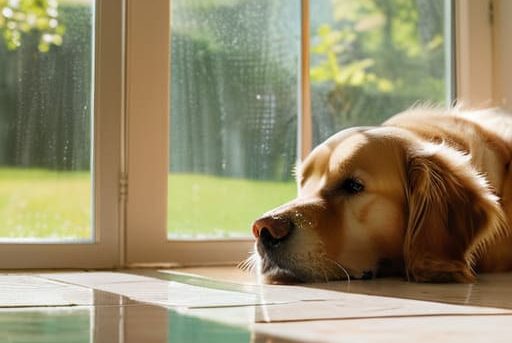
I remember sitting in the exam room at 2:00 AM, the smell of ozone and wet pavement thick in the air, watching a frantic owner try to explain why their Golden Retriever was stumbling around like he’d had too many martinis. They had spent fifty dollars on a “cooling vest” from some flashy internet ad, but they hadn’t realized that a fancy vest won’t do a damn thing if you don’t understand the actual physiology of thermoregulation. Most of the advice you see online about how to keep pets safe in summer heat is either way too expensive or completely useless fluff that ignores the real danger signs.
I’m not here to sell you a subscription to a cooling mat or a specialized hydration supplement. I’m going to tell you exactly what to look for in your dog or cat’s gums, how to tell the difference between a panting pet and a pet in active crisis, and when you need to stop reading this and start driving toward the emergency clinic. I’ll give you the hard numbers on what heatstroke actually looks like and help you avoid the kind of mistake that turns a sunny afternoon into a four-figure vet bill and a lot of regret.
Table of Contents
Recognizing Signs of Canine Heat Exhaustion Before Its Too Late
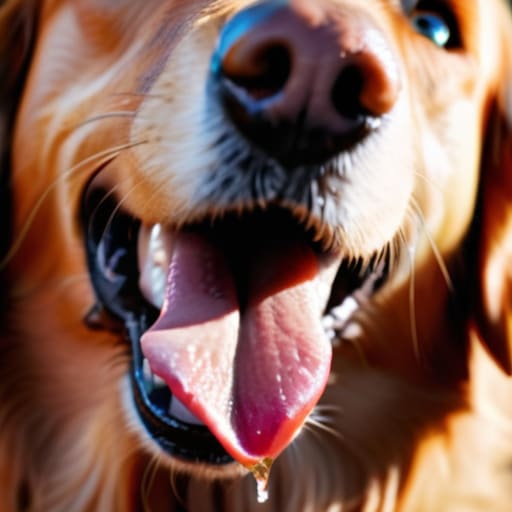
When I was working the floor, I saw too many owners walk in with a dog that was “just a little tired” from a walk, only to realize they were actually holding a clinical emergency. You need to watch for the subtle signs of canine heat exhaustion before the dog actually collapses. If your dog is panting excessively—and I don’t mean that rhythmic, happy panting, but a heavy, frantic, open-mouthed gasping—pay attention. Look at their gums. They should be bubblegum pink. If they look dark red, or worse, if they look tacky or dry to the touch, their body is losing the battle to regulate its own temperature.
Another red flag is a change in how they move. If your dog seems wobbly, or if they’re just unusually lethargic and won’t get up for a treat they usually live for, their internal temperature is likely climbing into the danger zone. At this stage, you shouldn’t be looking for more pet cooling products to use at home; you should be looking for your car keys. If they are vomiting or their coordination is off, that’s not a “wait and see” situation—that is an immediate trip to the vet.
Preventing Pet Overheating Without Spending a Fortune

You don’t need a high-tech, battery-operated cooling vest to keep your dog from melting. I’ve seen people spend eighty dollars on fancy gadgets that end up at the bottom of a toy box within a week. Most of the time, the best way of preventing pet overheating is just common sense and a little bit of planning. If you’re walking a dog, the “hand test” is your best friend: if the pavement is too hot for your palm to stay there for five seconds, it is far too hot for their paws. Stick to the early morning or late evening; those safe walking times are non-negotiable once the thermometer hits the eighties.
For staying cool at home, skip the expensive electronic cooling mats for dogs unless you have a high-energy breed that actually uses them. A simple, damp towel laid on the floor or a ceramic tile in a shaded area works just as well. My biggest tip for pet hydration tips? Don’t just offer a bowl of water; add a couple of ice cubes to it. It encourages them to keep drinking when they’re feeling lethargic. It’s cheap, it’s effective, and it keeps them from hitting that danger zone.
Five Real-World Rules for Keeping Your Pet Out of the ER
- Watch the pavement, not just the air. If you can’t hold the back of your hand to the asphalt for seven seconds without it hurting you, it’s going to cook your dog’s paw pads. I’ve seen plenty of owners wonder why their dog is limping only to find they’ve literally blistered the skin off their feet. Walk on grass or wait until the sun is down.
- Water isn’t just a bowl; it’s a constant requirement. In a small dog—say, a 5kg Chihuahua—dehydration hits much faster than it does in a 40kg Lab. Keep multiple heavy ceramic bowls around so they can’t tip them over, and if you’re out for a walk, bring a portable bottle. If the water in the bowl feels warm to your touch, it’s not doing its job; dump it and get fresh, cool water.
- Stop the “car-window” myth. I don’t care if the windows are cracked; a car becomes an oven in minutes. I once had an owner bring a dog into the clinic that had been left in a running car with the AC on—the AC had failed, and the dog was in the middle of a heatstroke seizure. If you aren’t in the car with them, they shouldn’t be in the car. Period.
- Know that “cooling down” isn’t just a fan. If you think your pet is overheating, use lukewarm water, not ice water. I know it sounds counterintuitive, but dumping ice-cold water on a dog in heatstroke can cause their blood vessels to constrict, which actually traps the heat in their core. Use a cool, damp towel on the groin and underarms, and get to a vet.
- Be realistic about your breed’s limits. If you have a brachycephalic breed—Pugs, Bulldogs, anything with a smashed face—they are high-risk every single day of summer. They can’t pant effectively to regulate their temperature like a Greyhound can. For these dogs, “summer safety” means staying indoors in the AC for most of the day, regardless of how much they seem to want to be outside.
The Bottom Line: When to Act and When to Wait
If your pet’s gums are tacky or bright red, or if they stop responding to your voice, stop reading this and get to an emergency clinic immediately—this isn’t a “wait and see” situation, and it’s going to cost you more to wait until morning.
Cooling your pet isn’t about expensive gadgets; a simple damp towel and a fan do more than most of the overpriced “cooling mats” you see in pet stores, so don’t let a lack of gear stop you from keeping them safe.
Always keep a close eye on your dog’s weight and hydration; a 20kg dog has much less thermal buffer than a 40kg dog, and those small differences in body mass change how quickly they hit a crisis point.
The High Cost of Waiting
“I’ve sat in exam rooms where the owner thought a little shade and a bowl of water would fix everything, only to realize ten minutes later that their dog was already in multi-organ failure. Heatstroke isn’t a ‘wait and see’ situation; if their gums are tacky and they’re panting like they’ve run a marathon while standing still, you aren’t just looking at a warm dog—you’re looking at an emergency that’s going to cost you much more in ICU fees than it would have in a preventative check-up.”
Marlene Ostrowski
The Bottom Line

At the end of the day, keeping your pet safe in this heat isn’t about buying the most expensive cooling mat or a high-tech gadget from an Instagram ad. It comes down to the basics: water, shade, and your own eyes. Watch for that heavy, frantic panting or those bright red gums I mentioned earlier, and remember that if they aren’t acting like themselves, they probably aren’t fine. Don’t fall into the trap of thinking a quick spray with a hose is a cure-all; sometimes, that’s just a bandage on a much deeper problem. If you are questioning whether it is an emergency, it usually is. Trust your gut, keep the car AC running, and never leave them in a parked vehicle, even for a minute to run into a convenience store.
I’ve spent thirty years watching people walk into clinics with pets that could have been saved if they had just acted twenty minutes sooner. It breaks my heart every single time. You don’t need to be a vet to protect your animals; you just need to be their advocate. They can’t tell you they’re overheating or that the pavement is burning their pads, so they rely entirely on you to read the room. Being a good pet parent isn’t about being perfect; it’s about being observant. Stay vigilant, stay cool, and give them the kind of care that lets you sleep soundly at night knowing they’re safe.
Frequently Asked Questions
My dog is panting a lot but still acting normal—is that just how they cool down, or am I missing something?
Panting is how they dump heat, but there’s a line between “cooling down” and “spiraling.” If your dog is panting but still wants to play or eat, you’re likely okay—just get them into the shade and offer water. But if the panting is heavy, frantic, or accompanied by glassy eyes or a refusal to move, that’s heat exhaustion. Check those gums; if they’re dark red or tacky, stop reading this and head to the clinic.
If I can't afford a high-end cooling mat, are there any cheap or DIY ways to actually lower their body temperature?
Look, you don’t need a $60 gel mat to make a difference. If your dog is struggling, grab a damp, cool towel and lay it over their belly and groin—that’s where the blood vessels are closest to the skin. Avoid ice water; it can cause them to shiver, which actually raises their core temp. A simple fan blowing over a wet coat works wonders. It’s basic thermodynamics, not magic.
I've heard about "ice water shock" for heatstroke; should I be dumping ice into their bowl or just using lukewarm water?
Don’t you dare dump ice water on them. I’ve seen enough owners try to “fix” heatstroke by turning their dog into a human popsicle, and it usually just causes vasoconstriction—it pulls the heat inward and can actually shock their system further. Use room-temperature or slightly cool water. Wet them down, keep a fan on them, and get moving. If they’re already stumbling, stop playing chemist and get in the car.