
I’ve spent thirty years watching people panic-buy $50 high-tech cooling vests and fancy “soothing” hydration gels that are nothing more than expensive, glorified flavored water. If you’re looking for a miracle gadget to save your pet, you’re wasting your money. The truth about how to keep a dog cool in hot weather isn’t found in a flashy Instagram ad; it’s found in understanding basic physiology and knowing when a panting dog is just warm versus when they are actively dying. I’ve stood in exam rooms at 2:00 AM with dogs whose organs were literally cooking because an owner thought a lukewarm bath was enough to fix a heatstroke situation.
I’m not here to sell you anything or give you a list of “lifestyle hacks” that won’t work when the humidity hits 90%. Instead, I’m going to give you the clinical reality of heat management. I’ll tell you exactly which cooling methods actually drop a core temperature and which ones are just a waste of time, and more importantly, I’ll tell you the specific red flags that mean you need to stop reading this and start driving to the emergency vet.
Table of Contents
- Dog Hydration Tips for Summer That Actually Work
- Best Cooling Mats for Dogs Is the Price Tag Worth It
- Real-World Cooling Tactics: What Actually Lowves the Temperature
- The Bottom Line on Summer Safety
- The Difference Between a Warm Dog and a Medical Emergency
- The Bottom Line on Summer Safety
- Frequently Asked Questions
Dog Hydration Tips for Summer That Actually Work
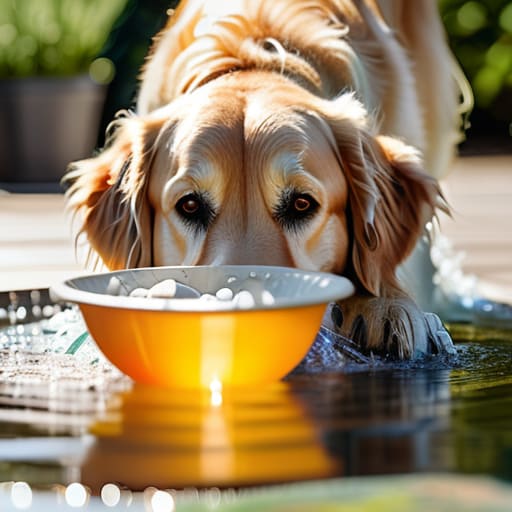
Everyone tells you to “keep water available,” but after thirty years in a clinic, I know that’s not always enough when the humidity hits. If you have a large breed or a senior dog, they aren’t going to drink just because a bowl is sitting there; they need motivation. I always tell people to try adding a splash of low-sodium chicken broth—the kind without onions or garlic, obviously—to their water. It makes the bowl smell like a treat, and it gets them moving. If you’re looking for real dog hydration tips for summer, try freezing some of that water into large ice blocks in their bowl. It keeps the water temperature down and gives them something to lick at when they’re feeling lethargic.
Don’t forget that hydration isn’t just about what’s in the bowl; it’s about what’s going in through their skin, too. If you’re using cooling techniques for large breeds, like damp towels, make sure you aren’t accidentally creating a sauna effect. A wet towel can trap heat against the body if the air isn’t moving. I prefer a steady fan or a dedicated cooling mat. If you see their gums looking tacky or dry despite having water, that’s your cue to stop everything and get them into the AC.
Best Cooling Mats for Dogs Is the Price Tag Worth It
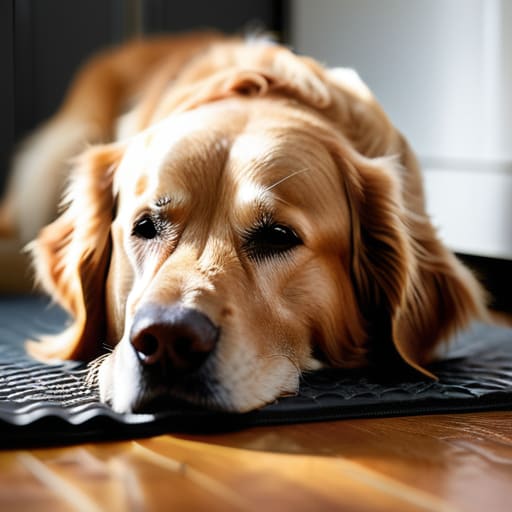
I’ve seen plenty of owners spend fifty bucks on a gel-filled mat only to find their dog prefers the cold linoleum in the kitchen. Here is the reality: most of those cheap, pressure-activated mats only work if the dog actually leans their weight into them. If you have a smaller pet, they might not trigger the cooling effect at all. For my senior fosters, I usually look for the heavy-duty pressure-activated ones because they don’t require the dog to “work” to stay cool. If you’re looking for the best cooling mats for dogs, don’t just buy the prettiest one on Amazon; look for something with a durable cover that can handle a bit of clawing.
Price isn’t everything, but durability matters. A cheap mat that leaks gel is a nightmare for your floors and a health hazard if they decide to chew it. If you have a larger dog, you’ll want to look into cooling techniques for large breeds that involve more surface area, like elevated cot-style beds with mesh. These allow air to circulate underneath, which is often more effective than a thin layer of gel. It’s an investment, but it’s better than a vet bill for heat exhaustion.
Real-World Cooling Tactics: What Actually Lowves the Temperature
- Watch the gums, not just the panting. If your dog is panting heavily but their gums look tacky or dark red instead of bubblegum pink, they aren’t just “warm”—they are trending toward heatstroke. In my experience, once that color shifts, you’ve already lost the battle with the thermometer. Get them to an emergency clinic immediately; an ER visit for heatstroke can easily run you $500 to $1,200 depending on how much IV fluid therapy they need to stabilize.
- Forget the ice baths. I’ve seen owners try to plunge a panting dog into a tub of ice water, and it can actually trigger a shock response or cause peripheral vasoconstriction, which traps the heat in the core. Use lukewarm water instead. Wet the belly, the groin, and the paw pads—that’s where the blood vessels are closest to the skin. It’s about evaporation, not freezing them solid.
- The “Walk Test” is non-negotiable. If you can’t hold the back of your hand to the pavement for seven seconds without it being uncomfortable for you, it is too hot for their paws. I’ve seen more cracked, bleeding pads from summer walks than I care to count. Stick to the grass or wait until the sun is actually down.
- Don’t rely on a single fan in a room. A fan helps humans because we sweat to cool down; dogs don’t sweat through their skin, they pant. A fan is just moving hot air around a dog that’s already struggling. If the indoor temp is climbing above 80°F (about 26.5°C), you need to be looking at air conditioning or a dedicated cooling zone, not just a breeze.
- Use frozen treats as a metabolic brake. I always kept a stash of frozen low-sodium chicken broth in the freezer for the senior dogs I fostered. It’s not just about the hydration; the act of licking something cold slows the respiratory rate down slightly and gives them something to focus on other than the heat. Just don’t go overboard with the calcium if you’re doing it daily—keep it as a supplemental cooling tool.
The Bottom Line on Summer Safety

Don’t trust a “cool” breeze or a shaded porch alone; if your dog’s gums are deep red or tacky to the touch, stop reading this and start driving to the emergency clinic—heatstroke kills faster than you think.
Skip the expensive gadgets if you’re on a budget; a damp towel or a fan directed at a wet dog works just as well as a $60 cooling mat, provided you aren’t letting them overheat in the first place.
Watch the water, but watch the behavior more; if they aren’t drinking, it’s a red flag, but if they are drinking excessively and still acting lethargic, you’ve likely moved past “discomfort” and into “medical emergency” territory.
The Difference Between a Warm Dog and a Medical Emergency
“Don’t get distracted by fancy cooling vests or expensive gadgets if you aren’t watching their gums. If those gums are dark red or tacky to the touch and your dog is panting like they’re trying to outrun a freight train, you aren’t looking at ‘summer discomfort’—you’re looking at a heatstroke case that will cost you a four-figure emergency vet bill if you wait until morning.”
Marlene Ostrowski
The Bottom Line on Summer Safety
At the end of the day, keeping a dog cool isn’t about buying the most expensive gadget on the market; it’s about constant, proactive observation. Whether you are investing in a high-end cooling mat or just making sure there is a fresh bowl of water and a shaded spot to lie down, the goal is to stay ahead of the heat. Remember that hydration is your first line of defense, and if you see those signs I mentioned earlier—the dark red gums, the lethargy, or the frantic panting—you need to stop reading and start driving to the vet. Don’t let a “wait and see” attitude turn a manageable afternoon into a life-threatening emergency that costs you both a fortune and your peace of mind.
I’ve spent three decades watching people panic in exam rooms because they thought they could “tough it out” through a heatwave. Please, don’t be that person. Your dog cannot tell you when their internal temperature is climbing to a dangerous level; they can only show you through their behavior. Respect their limits, watch the thermometer, and trust your gut. If something feels wrong, it usually is. Taking these precautions might feel like a chore sometimes, but being vigilant and prepared is the highest form of love you can show the animals who depend on you for everything.
Frequently Asked Questions
How can I tell the difference between a dog that's just panting from playing and a dog that is actually entering heatstroke?
Look at the gums. After a run, they should be pink and moist. If they’re bright red, purple, or tacky to the touch, that’s a red flag. A dog that’s just warm will settle down once they’re in the shade with water. A dog in heatstroke won’t stop; they’ll look glassy-eyed, lethargic, or start vomiting. If the panting doesn’t improve within ten minutes of rest, don’t wait for morning. Go now.
Is it actually safe to use ice water on a dog to cool them down, or will that shock their system?
Don’t dump a bucket of ice water on them. If a dog is truly overheating, their blood vessels are already dilated to move heat to the skin; hitting them with ice-cold water can cause them to constrict, actually trapping that heat inside their core. Use lukewarm or cool water instead. Focus on the belly, groin, and paw pads. It’s about a steady temperature drop, not a thermal shock.
If I can't afford a fancy cooling mat, what are some cheap, practical ways to keep my dog's body temperature down at home?
Look, you don’t need a $50 gel mat to make a difference. A damp, cool towel laid on the floor—not draped over their neck, which can actually trap heat—works wonders. If they’re really struggling, a fan blowing directly on a wet towel creates a makeshift evaporative cooling station. You can also fill a plastic water bottle, freeze it, and wrap it in a thin sock. It gives them a cold spot to lean against without the frostbite risk.