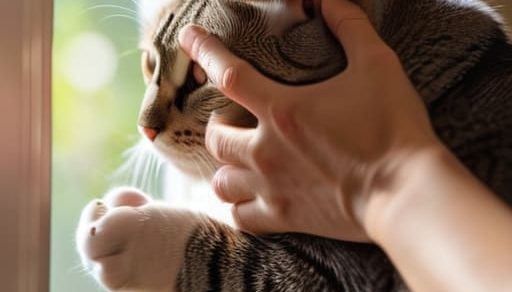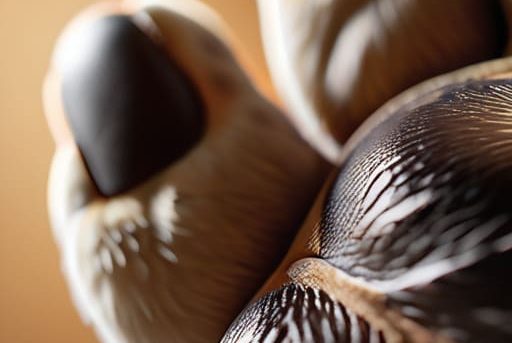
I’ve lost count of how many times I’ve sat in a darkened exam room at 2:00 AM, listening to a frantic owner explain how they spent sixty dollars on some “organic, artisanal paw butter” from a boutique website, only to realize the dog actually has a deep, festering laceration from a piece of glass. People get so caught up in the marketing of fancy moisturizers that they completely forget the basics of how to care for a dog’s paws in a way that actually prevents a crisis. Most of what you see advertised online is just expensive scented wax that does nothing for a real injury, and frankly, your dog doesn’t need a spa day—they need functional skin.
I’m not here to sell you a lifestyle or a subscription to a grooming kit you don’t need. My goal is to give you the clinical reality of what you’re looking at when you flip those feet over. I will tell you which cracks are just dry skin you can handle with a bit of coconut oil on a Sunday afternoon, and which ones mean you’re about to pay a heavy emergency fee because of an infection. We’re going to talk about real maintenance, real costs, and when to stop DIY-ing and start calling the vet.
Table of Contents
Cleaning Dog Paws After Walks Without Making Things Worse
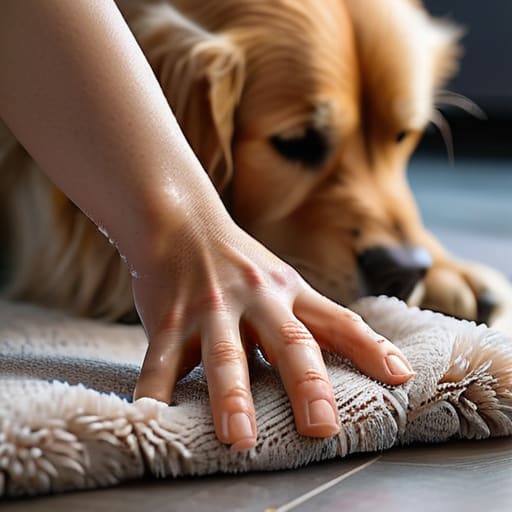
Look, I know the instinct is to grab the hose and blast the dirt off as soon as you walk through the door, but if you’re doing that every single time, you’re actually stripping away the natural oils that keep those pads resilient. If you’re cleaning dog paws after walks in the middle of a dry spell, skip the harsh soaps. A simple wipe with a damp, soft microfiber cloth is plenty. If you use those heavy-duty medicated wipes you see in big-box stores, just be careful; some of them are loaded with alcohols that’ll dry the skin out faster than a desert wind, leaving you with cracks that are begging for an infection.
When the seasons shift, your approach has to change. During the colder months, winter paw protection for dogs isn’t just about a little sweater; it’s about the salt and ice melt on the sidewalk. That stuff is caustic. If you see them licking their feet obsessively after a walk, they’ve likely picked up some chemical irritants. This is when a decent dog paw balm actually earns its keep. I don’t care about the fancy scents; I want something thick, beeswax-based, and boring. Apply a thin layer after you’ve cleaned them to seal that moisture back in.
The Truth About Dog Paw Balm Benefits and Moisturizers
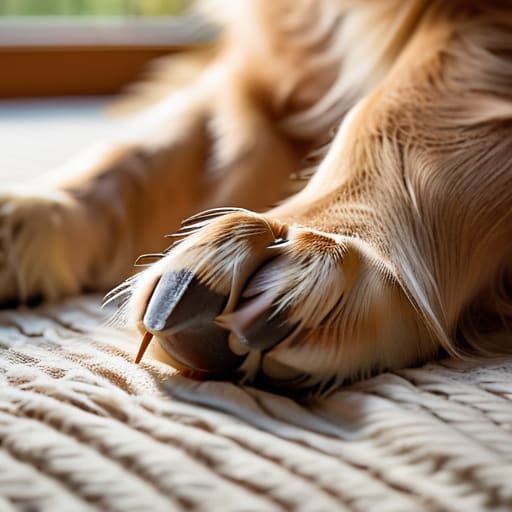
Look, I’ve seen enough people walk into my old clinic with cracked, bleeding pads because they thought a tub of coconut oil from the grocery store was a magic cure. Let’s get one thing straight: a dog paw pad moisturizer isn’t a medical treatment for a deep fissure; it’s preventative maintenance. If you’re using a balm to keep the skin supple during the transition into colder months, you’re doing exactly what you should be doing. The goal is to maintain the integrity of the skin barrier so that salt and ice don’t get in there and cause trouble.
However, you need to know the difference between “dry skin” and an actual problem. If you see redness, swelling, or if your dog starts licking their feet obsessively, stop looking for a balm and start looking for a vet. Those are early signs of dog paw infection, and rubbing wax over a bacterial infection is just going to trap the heat and make it worse. Use a dedicated balm for winter paw protection for dogs to keep things soft, but if the pad is already split or oozing, you aren’t looking for a moisturizer—you’re looking at a prescription.
Five Things I Learned From Thirty Years of Looking at Dirty, Sore Feet
- Check between the toes, not just on the pads. People always look at the bottom of the foot, but I’ve seen more misery caused by a tiny, embedded thorn or a clump of matted hair between the digits than I have from dry skin. If it’s red or swollen in there, that’s an infection waiting to happen.
- Watch the temperature of the pavement like your life depends on it. If you can’t hold the back of your hand to the asphalt for seven seconds without flinching, it’s going to cook your dog’s pads. I’ve seen second-degree burns on dogs that happened in ten minutes of walking, and those vet bills for skin grafts are not something you want to see.
- Don’t use human lotion just because you have a half-empty bottle in the bathroom. Most of that stuff is full of scents and chemicals that will irritate their skin or, worse, get licked off and cause an upset stomach. If you aren’t using a dedicated pet balm, you’re just adding more problems to the list.
- Trim the hair between the pads if your dog has long fur. It sounds cosmetic, but it’s actually about traction and hygiene. Long hair acts like a sponge for salt, ice, and bacteria, and it makes them slip on hardwood floors, which leads to torn ACLs—and nobody wants to pay for orthopedic surgery if they can avoid it.
- Learn the difference between a dry pad and a bleeding one. A little flaking or dryness is usually fine for a week of monitoring and some balm; a crack that is oozing or bleeding means you need to call the clinic today. If you wait until it’s a deep fissure, you’re looking at antibiotics and much more expensive care.
The Bottom Line on Paw Care
If the pads are just dry or flaky, a little balm and some patience will get you through the week; if you see deep cracks, bleeding, or your dog is suddenly limping, stop looking for home remedies and call the vet, because an infection in a paw pad can turn systemic faster than you think.
Don’t go overboard with the cleaning; scrubbing every single time they step on a sidewalk is just going to strip the natural oils and leave you with a bigger problem to pay for later.
Watch for the “silent” signs like licking or chewing—if they’re obsessively grooming their feet, it’s rarely just “boredom” and usually a sign of irritation, allergies, or something stuck between the toes that you need to check for immediately.
The Cost of Ignoring the Small Stuff
I’ve seen plenty of owners try to save fifty bucks by ignoring a little redness between the toes, only to end up at the emergency clinic at 2:00 AM paying four hundred for an infection that required antibiotics and a surgical clip. If the pads are just dry, grab a balm; if they’re swelling or weeping, stop looking for home remedies and start looking for your credit card.
Marlene Ostrowski
The Bottom Line on Paws
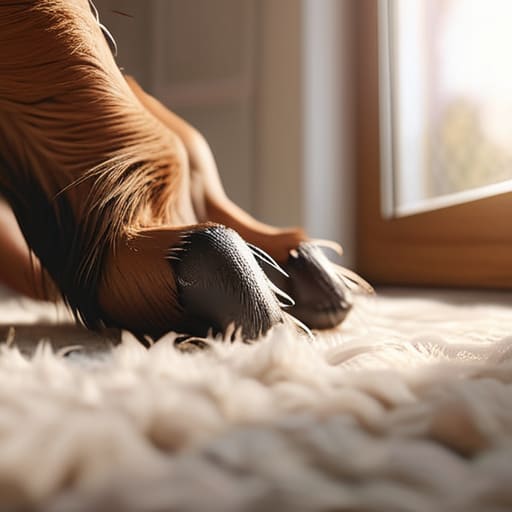
At the end of the day, paw care isn’t about buying every expensive, lavender-scented balm on the market; it’s about observation and common sense. Keep the dirt out so you aren’t dealing with infections, use moisturizers only when the skin actually looks thirsty, and don’t overdo the cleaning if you’re stripping away their natural oils. Most importantly, learn the difference between a dry pad that needs some coconut oil and a cracked, bleeding wound that needs a professional. If you see swelling, heat, or a limp, stop Googling and start calling the clinic. I’ve seen too many people try to “wait and see” with a puncture wound or a deep fissure, only to end up paying triple the price for a surgical intervention that could have been a simple bandage a week prior.
I know that looking at a vet bill is stressful, and I know that sometimes a dog’s discomfort feels like a personal failure on your part. It isn’t. You are doing the work just by paying attention. Your hands are the first line of defense, and those few minutes of feeling their pads during a nightly cuddle session are worth more than any high-tech gadget. Just keep your eyes open, trust your gut, and remember that consistency beats intensity every single time. You don’t need to be a vet to take care of them; you just need to be the person who notices when something isn’t quite right.
Frequently Asked Questions
My dog is licking his paws constantly after we come inside; is this just allergies or something more serious?
If he’s licking right after a walk, it’s likely environmental—think pollen, lawn chemicals, or even salt if you’re in a cold climate. If the skin is just pink, you can try a cool soak. But if the paws are swollen, hot to the touch, or smell like corn chips (that’s yeast, by the way), you’ve moved past “itchy” into “infection.” If you see raw, weeping skin, don’t wait; that’s a vet visit.
How much am I actually going to be charged for a vet visit if the paw issue turns out to be a torn nail or a foreign object?
If it’s a torn nail, you’re looking at an exam fee plus maybe $100–$200 for a sedative and a quick trim if they’re acting up. If there’s a foreign object—like a foxtail buried deep—expect that to jump to $300 or $400 once you factor in the exam, local anesthesia, and the procedure to get it out. If it’s an emergency clinic at 2 AM, double those numbers. Plan for the higher end.
Can I use human-grade lotions or Vaseline if I run out of actual dog balm, or am I just asking for a skin infection?
Look, if you’re in a pinch, a tiny bit of plain Vaseline won’t kill them, but it’s not a long-term fix. It just sits on top of the skin like a plastic wrap. The real danger is human lotions. If that stuff has fragrances, alcohols, or zinc oxide, you’re asking for a contact dermatitis nightmare or a toxic ingestion if they lick it off. Stick to plain petroleum jelly if you must, but don’t make it a habit.