I spent twenty-eight years in a small practice watching people spend a small fortune on “de-shedding” shampoos and expensive, high-tech grooming gadgets that do little more than make your credit card statement look angry. If you’ve been scrolling through social media looking for a magic potion to solve your hair problem, let me save you the trip: there isn’t one. Most of those fancy supplements are just expensive urine for your dog, and if you’re asking how to manage shedding, you don’t need a miracle; you need a better brush and a realistic understanding of biology.
I’m not here to sell you a lifestyle or a subscription to a boutique grooming brand. I’m going to tell you what actually works, what’s a total waste of your hard-earned money, and—most importantly—when that sudden loss of hair isn’t just “seasonal” but is actually a medical red flag that requires a vet visit. I’ve seen enough skin infections and endocrine issues to know the difference between a heavy coat and a sick animal. I’ll give you the practical, no-nonsense truth about keeping your house clean without ignoring the symptoms that actually matter.
Table of Contents
- Seasonal Coat Changes in Dogs Normal or Something More
- Best Tools for Pet Deshedding and When They Arent Enough
- Five Ways to Handle the Hair Without Losing Your Mind
- The Bottom Line on Shedding
- The Line Between Shedding and Skin Disease
- The Bottom Line on the Hair Everywhere
- Frequently Asked Questions
Seasonal Coat Changes in Dogs Normal or Something More

Most people think a sudden explosion of hair on the rug is just the seasons shifting, and half the time, they’re right. If your dog is blowing their coat in the spring or fall, it’s usually just biology doing its job. You’ll see more loose fur, maybe a little more oil, but the skin underneath should still look clean and pink. When you’re looking at seasonal coat changes in dogs, the rule of thumb is to watch the skin, not just the floor. If the coat is thinning but the skin looks fine, you’re likely just dealing with a heavy molt that requires some extra brushing.
However, there is a line between a seasonal shift and a medical issue. If you see patchy hair loss, redness, or if your dog is obsessively licking at a specific spot, that isn’t a coat change—that’s an inflammatory response or a parasite. I’ve seen owners try to manage it with better grooming tools, but no amount of deshedding will fix a staph infection or a thyroid imbalance. If the skin looks angry or smells “musty,” stop looking for the best tools for pet deshedding and call your vet.
Best Tools for Pet Deshedding and When They Arent Enough
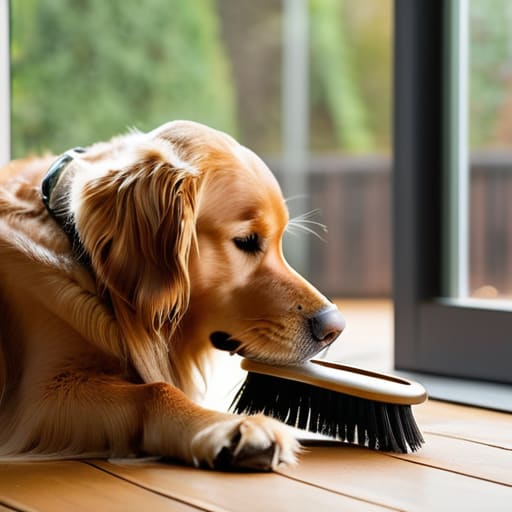
Look, you can spend a fortune on fancy gadgets, but most of the best tools for pet deshedding come down to two things: a good slicker brush and a de-shedding tool like a Furminator. If you have a short-haired breed, don’t go buying a heavy-duty comb that’s just going to scratch their skin; a rubber curry brush works wonders for getting that loose undercoat out before it hits your rug. I’ve spent many an afternoon in the clinic seeing dogs with skin irritation because owners used these tools too aggressively. If you see redness or broken skin, you’re doing more harm than good.
However, all the brushing in the world won’t fix a coat that’s falling out due to a systemic issue. If you’re trying every pet hair reduction technique in the book and your house still looks like a tumbleweed factory, the problem isn’t the tool—it’s the animal. You need to look at nutritional support for hair growth or check for parasites. If the hair is coming out in clumps or the skin looks greasy or flaky, put the brush down and call the vet. No amount of grooming can brush away a thyroid issue or a flea allergy.
Five Ways to Handle the Hair Without Losing Your Mind
- Check the skin, not just the fur. If you’re brushing a dog to manage shedding and you notice the skin underneath is pink, bumpy, or smells like corn chips, stop brushing. You aren’t managing shedding anymore; you’re irritating an underlying dermatological issue or a parasite load that a slicker brush won’t fix.
- Get the nutrition right before you buy the expensive brushes. I’ve seen plenty of owners spend eighty dollars on a high-end deshedding tool while feeding their dog a grocery-store kibble that’s lacking essential fatty acids. If the coat is brittle and falling out in clumps rather than single hairs, look at the bowl, not the brush.
- Don’t overdo the baths. I know it’s tempting to wash the dog every time they roll in something, but stripping the natural oils with too many shampoos makes the skin dry and the hair more prone to breaking and shedding. Aim for a balance—once every few weeks is usually plenty unless they’ve actually been in the mud.
- Watch the weight. It sounds unrelated, but carrying an extra two or three kilograms—even if it’s just a little bit of extra fat around the midsection—puts stress on the joints and can actually affect how the coat looks and sheds. A lean dog is a healthy dog, and a healthy dog has a more stable coat cycle.
- Know when the “shed” is actually an emergency. If the hair loss is symmetrical, patchy, or accompanied by frantic licking, it’s likely not seasonal. That’s usually an endocrine issue like hypothyroidism or a skin infection. A brush won’t solve a hormonal imbalance, and waiting to see if it “grows back” is how you end up with a much larger vet bill later.
The Bottom Line on Shedding
Distinguish between “normal” hair on your rug and “abnormal” hair on your pet; if the shedding is accompanied by redness, hot spots, or a smell that isn’t quite right, you aren’t dealing with a grooming issue, you’re dealing with a skin infection or an allergy that needs a prescription, not a brush.
Invest in quality tools like a high-quality slicker brush or an undercoat rake to save your sanity, but don’t mistake a fancy tool for a cure—if you’re brushing for twenty minutes and still seeing clumps, the problem is internal, not mechanical.
Watch the cost of waiting; a $20 bottle of medicated shampoo or a quick vet check for a flea allergy is significantly cheaper than the $500+ bill for treating a systemic staph infection because you tried to “tough out” the itching.
The Line Between Shedding and Skin Disease
“Look, I get it—you’re tired of finding hair in your coffee and vacuuming your living room twice a day. But there is a massive difference between a dog losing their seasonal coat and a dog losing their skin. If you’re brushing out dead hair, that’s maintenance; if you’re seeing red, raw patches or your dog is licking themselves into a frenzy, stop looking for a better brush and start looking for your car keys. Brushing manages the mess, but it doesn’t fix a medical crisis.”
Marlene Ostrowski
The Bottom Line on the Hair Everywhere
At the end of the day, managing shedding is about knowing the difference between a seasonal coat change and a medical red flag. If you’re just dealing with extra fluff, invest in a decent slicker brush and maybe a high-quality Omega-3 supplement to keep that skin barrier intact—it’ll save you money on professional grooming later. But if that shedding is accompanied by patchy hair loss, angry red skin, or an obsessive need to lick, stop looking for a better vacuum and call your vet. Don’t let a “normal” shedding season turn into a costly dermatological crisis because you were trying to save a few bucks on a brush.
I know it’s exhausting. I’ve spent decades cleaning up hair from clinic floors and vacuuming it out of my own rugs, and I know how much it can feel like a losing battle. But remember that a healthy coat is often the first sign of a healthy body. When you take those few minutes a day to brush them, you aren’t just cleaning your house; you’re performing a daily wellness check that might catch a lump or a sore before it becomes an emergency. Take care of the coat, and you’ll likely be taking care of the animal underneath it.
Frequently Asked Questions
If my dog is shedding more than usual, how do I tell the difference between a seasonal coat change and a skin allergy or thyroid issue?
Here’s the truth: seasonal shedding is just hair falling out; allergies and thyroid issues are skin problems. If the skin underneath looks pink, angry, or smells like corn chips, that isn’t a season change—that’s inflammation. If they’re licking their paws or losing hair in actual bald patches, you aren’t dealing with a coat change. Thyroid issues usually come with weight changes or lethargy, too. If you see redness or patches, stop brushing and start calling.
Are there specific supplements or diet changes that actually work for shedding, or is it all just marketing fluff?
Most of what you see on Instagram is marketing fluff, but there is a kernel of truth in the science. If your dog’s coat is dull or coming out in clumps, it’s usually a nutritional deficiency. Omega-3 fatty acids—specifically high-quality fish oil—actually work to strengthen the skin barrier. Don’t waste money on “glowing coat” treats; just look for a reputable EPA/DHA supplement. However, if they’re shedding excessively despite a good diet, check for parasites or thyroid issues.
At what point does shedding stop being a nuisance and start being a medical emergency that requires a vet visit?
Shedding becomes a medical issue the moment it’s paired with skin changes. If you see redness, scaling, or “hot spots,” that’s not just a heavy coat; that’s inflammation. If they are licking or chewing at the skin until it’s raw, or if you see actual bald patches, stop brushing and call the vet. An appointment might run you $80 to $150 for the exam alone, but treating a secondary staph infection is going to cost significantly more.