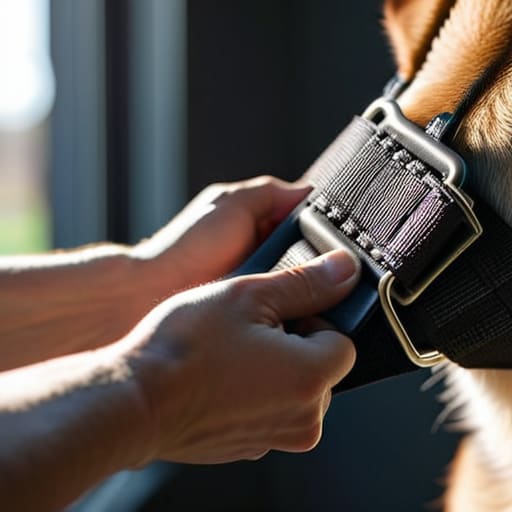
Head Shaking Is the First Sign, Not the Smell

How to spot ear infections early: head shaking.

I can still smell it if I close my eyes: that sickly-sweet, yeasty scent that hits you the second you lean in to scratch a dog behind the ears. In my thirty years in the clinic, I saw far too many owners walk in with a pet that was clearly in agony, only to hear them say, “Oh, I thought they were just scratching because of the pollen.” By the time they realized it wasn’t allergies, the ear canal was so swollen and inflamed that a simple cleaning had turned into a multi-hundred-dollar medical procedure. Learning how to spot ear infections early isn’t about memorizing a textbook; it’s about knowing the difference between a little itch and the specific, tell-tale signs that your pet is actually hurting.

I’m not here to sell you some overpriced, “miracle” ear cleaning solution from an Instagram ad. What I’m going to give you is the straight truth from someone who has spent decades looking into those red, angry canals. I will tell you exactly what those smells and sounds mean, which symptoms mean you can wait until your regular vet opens on Monday, and which ones mean you need to head to the emergency clinic tonight. No fluff, no hype—just the practical reality of keeping your pet comfortable.

Table of Contents

Ear Redness and Swelling the Warning Signs

Ear Redness and Swelling the Warning Signs

When you pull an ear flap back, you aren’t just looking for dirt; you’re looking for the color of the tissue. Healthy ear canals should be a pale, fleshy pink. If you see bright red, angry-looking skin, that is ear canal inflammation in action. It’s the body’s way of saying something is wrong, whether it’s yeast, bacteria, or a stray grass seed. If the skin looks puffy or feels thick to the touch, the swelling is likely making the canal narrower, which traps moisture and makes the whole thing a breeding ground for more trouble.

Don’t mistake a little pinkness for a crisis, but pay attention to the progression. If the area is hot to the touch or looks like it’s throbbing, you’re moving past a simple irritation. While treating canine otitis externa often starts with topical drops, you can’t effectively medicate a canal that is so swollen it’s essentially shut tight. If you see significant ear redness and swelling accompanied by your dog shaking their head violently, don’t try to flush it out with water at home—you’ll likely just push the infection deeper.

Smelly Ear Discharge Causes You Cant Ignore

Smelly Ear Discharge Causes You Cant Ignore

If you catch a whiff of something sour, yeasty, or just plain “off” when you’re petting your dog, don’t try to mask it with a scented candle. That smell is a byproduct of bacteria or yeast multiplying in the ear canal, and it’s one of the most reliable ear infection symptoms in dogs. If it smells like corn chips, you’re likely looking at a yeast overgrowth; if it’s a foul, rotting stench, you’re probably dealing with a bacterial infection. Neither of these is going to clear up on its own with a cotton swab and some hope.

The type of discharge tells you a lot about the severity. A thin, watery fluid might just be irritation, but thick, dark, or coffee-ground-looking debris often points to something more stubborn. When you see heavy buildup alongside ear canal inflammation, the infection is already well-established. If the discharge is accompanied by a sudden loss of balance or if they start circling, those are serious signs of middle ear infection—which means the infection has moved deeper than the outer canal. At that point, you aren’t just looking at a topical drop; you’re looking at a much more expensive, much more serious veterinary intervention.

Five Things to Look For Before the Scratching Becomes Constant

  • Watch the head tilt. If your dog or cat is holding their head at an angle, they aren’t just being quirky; they likely have inflammation or fluid buildup in the middle ear that’s throwing off their balance. That’s not a “wait and see” situation; that’s a “call the vet now” situation.
  • Check the “scritch” frequency. We all know our pets’ baseline. If your dog is suddenly rubbing their ear against the carpet or pawing at their head more than usual, they are trying to manage discomfort. Don’t wait for them to break a blood vessel in their ear from over-scratching before you take them in.
  • Look for debris in the canal. Use a flashlight—don’t stick a Q-tip down there, please, I’ve seen too many ruptured eardrums—and look for anything that looks like coffee grounds. That’s often a tell-tale sign of ear mites, and if you leave it, it’ll turn into a secondary bacterial infection that costs three times as much to treat.
  • Monitor their appetite and temperament. When an ear infection gets deep enough, the pain can make an animal lethargic or even cause them to stop eating. If a normally food-motivated cat starts turning their nose up at the wet food, check those ears immediately.
  • Listen for the “head shake.” A single shake is normal, but a frantic, repetitive, or violent head shake is a cry for help. If they are doing this several times an hour, the inflammation is significant, and you’re likely looking at a prescription-strength topical medication and a professional cleaning, which usually runs anywhere from $80 to $150 depending on whether they need antibiotics.

The Bottom Line: When to Act

If you see bright red skin inside the flap or notice a thick, dark discharge that smells like old gym socks, stop looking for home remedies; these are active infections that require prescription medication, not just a cotton swab.

Pay attention to behavioral shifts like head tilting or constant pawing; if your dog is suddenly rubbing their head against the carpet or shaking it violently, they are in pain, and you need to call your vet immediately rather than waiting for the weekend.

Don’t let the cost of an exam stop you from catching a minor irritation before it becomes a deep, middle-ear infection that requires expensive imaging or surgery; a quick checkup now is always cheaper than an emergency visit later.

The Cost of Waiting

“I’ve spent thirty years watching people try to ‘wait and see’ with a smelly ear, thinking it’s just a little wax. By the time they finally call me, that ‘little wax’ has turned into a deep, painful infection that’s reached the middle ear, and suddenly a fifty-dollar cleaning has turned into a thousand-dollar emergency visit for surgery. If they’re shaking their head or you smell something sour, stop looking for a home remedy and start looking for your car keys.”

Marlene Ostrowski

Don't Wait for the Scratching to Stop

Don't Wait for the Scratching to Stop.

At the end of the day, spotting an ear infection comes down to paying attention to the small shifts in your pet’s behavior. If you see redness, smell that distinct yeast-like odor, or notice them shaking their head like they’re trying to dry off after a bath, you aren’t “bothering” the vet by calling. Those are the indicators. You need to distinguish between a little bit of wax and a full-blown inflammatory response that requires medication. Remember, an ear infection that is left to fester doesn’t just stay in the ear canal; it can lead to permanent hearing loss or even a ruptured eardrum if you try to treat it with “natural” cleaners that haven’t been vetted. Catching it early means a simple topical drop and a quick office visit, rather than a three-day hospital stay for a deep-seated infection.

I know the cost of an emergency vet visit can be terrifying, and I’ve sat in those waiting rooms with owners who are white-knuckling their wallets. But I promise you, preventative care is cheaper than crisis management. It is much easier on your bank account—and much kinder to your dog or cat—to address a red ear on a Tuesday morning than to deal with a systemic infection on a Sunday night. You are their only advocate and their only source of information. Trust your gut; if something looks or smells wrong, it probably is. Your job isn’t to be a doctor, it’s just to be the one who notices the change before it becomes a catastrophe.

Frequently Asked Questions

My dog keeps shaking his head even though his ears don't look red or smell bad—could it still be an infection?

Yes, absolutely. Don’t let the lack of redness fool you; by the time the skin looks angry and red, the inflammation is already deep. Head shaking is one of the first signs of discomfort. It could be a middle ear infection, a foreign object like a grass seed, or even allergies. If he’s shaking constantly or scratching, he’s in pain. Get him seen. It’s better to catch a mild case now than a ruptured eardrum later.

How much is this actually going to cost me, between the exam fee and the actual medication?

Look, I’m not going to sugarcoat it: the vet visit is where the bill starts climbing. Expect an exam fee between $60 and $120 just to get through the door. If they need to swab the ear to see if it’s yeast or bacteria—which they should—add another $50. The meds themselves, usually a topical drop or ointment, will run you $40 to $80. You’re looking at $150 to $250 minimum to do this right.

Can I just use some peroxide or a cleaning solution from the grocery store to clear this up at home?

Absolutely not. Please, put the peroxide back on the shelf. If you pour peroxide into an inflamed ear canal, you’re essentially creating a foaming reaction that can push debris deeper or, worse, cause intense pain if the eardrum is ruptured. I’ve spent too many afternoons trying to calm dogs who were stinging from “home remedies.” Use a vet-approved cleanser, but if the ear is red or smelly, you aren’t just cleaning—you’re treating an infection.

Bloat: the Twenty Minutes That Decide Whether a Dog Lives

How to spot bloat in a dog.

I can still hear the sound of those frantic, unproductive retches echoing through the exam room at 2:00 AM—that hollow, desperate gagging that tells you a dog is trying to vomit but nothing is coming up. I’ve spent thirty years standing in that exact spot, watching owners freeze in terror because they weren’t sure if they were looking at a simple case of indigestion or a life-threatening crisis. Most of the advice you’ll find online is too vague to be useful when your heart is racing, but knowing how to spot bloat in a dog isn’t about memorizing a textbook; it’s about recognizing that specific, terrifying shift in your dog’s behavior before the clock runs out.

I’m not here to sell you a miracle supplement or give you a list of “natural remedies” that won’t do a lick of good when a stomach is twisting. I’m going to give you the unvarnished truth about what those clinical signs actually look like, when you can afford to wait until morning, and when you need to grab your keys and drive to the ER immediately. We’ll talk about the physical symptoms and, just as importantly, what this is actually going to cost you, because being prepared for the bill is the last thing you should be worrying about when your dog’s life is on the line.

Table of Contents

Canine Abdominal Distension Is It Gas or a Crisis

Canine Abdominal Distension Is It Gas or a Crisis

When a client calls me at 2:00 AM, they usually sound breathless, asking if it’s just “bad gas.” Here is the reality: gas is uncomfortable, but it doesn’t usually make a dog look like they are trying to escape their own skin. If you notice canine abdominal distension—where the belly feels tight, hard, or looks visibly swollen like a basketball—you are no longer in the realm of “wait and see.” In my experience, if the abdomen is firm to the touch, you aren’t dealing with a simple tummy ache; you are looking at a potential life-threatening event.

The most terrifying thing I ever saw in the clinic was a dog attempting unproductive retching—that frantic, gagging motion where nothing actually comes up. If your dog is pacing, drooling excessively, and trying to vomit but nothing is happening, stop reading this and start your car. That is one of the primary signs of gastric dilatation-volvulus in dogs, and once the stomach twists, the clock is ticking on their blood pressure and their life. Don’t try to massage the belly or offer water; just get to the emergency vet.

Dog Unproductive Retching the Sound That Should Terrify You

Dog Unproductive Retching the Sound That Should Terrify You

If you’ve ever stood in a quiet living room and heard that hollow, rhythmic gagging sound—the kind where your dog is trying to bring something up but nothing comes out—pay attention. That dog unproductive retching is not just a bad case of indigestion or a hairball. In my experience, when a dog is straining against an empty stomach, it’s often because their stomach is physically twisting on itself. It is one of the most gut-wrenching sounds you will ever hear in a clinic, and it is almost always a sign that the clock is ticking.

This isn’t the time to wait for them to settle down or try to offer a spoonful of yogurt. If you see this retching paired with a hard, bloated belly, you are looking at classic signs of gastric dilatation-volvulus in dogs. This is a surgical emergency, plain and simple. I’ve seen too many people try to “monitor” the situation until 2:00 AM, only to realize too late that the blood supply to the organs has been cut off. If they are retching and look distressed, stop reading this and find the nearest emergency vet.

Five Red Flags to Watch When You’re Panicking in the Dark

  • Check the belly for “drumming.” If you tap their abdomen and it sounds hollow or feels tight like a basketball, that isn’t just a heavy meal. It’s gas or fluid, and in a large breed, that’s a ticking clock.
  • Look for the pacing. A dog with simple gas might just lie down and look uncomfortable. A dog with GDV (that’s Gastric Dilatation-Volvulus, for those of us who speak the language) will pace, look frantic, and seem unable to get comfortable because their internal organs are literally being compressed.
  • Monitor the gums. If you lift that lip and the gums are pale, grey, or tacky instead of a healthy, moist bubblegum pink, they are likely going into shock. That’s not a “wait and see” symptom; that’s a “get in the car right now” symptom.
  • Watch for excessive drooling. If your dog is suddenly salivating like they’ve been licking a lemon, but they haven’t eaten anything new, it’s often a sign of nausea or the physical distress of the stomach twisting. It’s a classic precursor to the unproductive retching I mentioned earlier.
  • Track the timeline of the “unproductive retch.” If they try to vomit and nothing comes up—not even a little bit of foam or bile—you have zero minutes to waste. Every minute you spend Googling “home remedies for dog nausea” is a minute their blood pressure is dropping.

The Bottom Line: When to Move and When to Wait

If your dog is pacing, dry-heaving, or has a belly that feels hard to the touch, stop looking for a “natural remedy” on Facebook and get to an ER immediately; GDV (bloat) kills in hours, not days.

Don’t let the fear of a $1,000+ emergency bill keep you in the driveway—if it’s bloat, the cost of waiting is a dead dog, and no amount of money can fix that.

Distinguish between “uncomfortable” and “critical”—a dog with mild gas might just need a change in feeding schedule, but a dog that can’t settle and looks distressed is a medical emergency, period.

The Difference Between a Tummy Ache and a Death Sentence

“If your dog is pacing, looking at their belly like it doesn’t belong to them, and trying to vomit without anything coming up, stop Googling and start driving. I’ve spent thirty years watching people try to ‘wait and see’ if it’s just gas, only to realize too late that they were actually watching their dog die of GDV. A vet bill for an emergency surgery is a bitter pill to swallow, but it’s a hell of a lot easier to handle than a funeral you could have prevented.”

Marlene Ostrowski

The Bottom Line

The Bottom Line: Seek emergency veterinary care.

At the end of the day, you have to trust your gut. If your dog’s belly is hard to the touch, if they are pacing like they can’t get comfortable, or if they are trying to vomit but nothing is coming up, you aren’t “overreacting.” I’ve seen too many owners sit in the dark, praying it’s just a little indigestion because they didn’t want to deal with a $2,000 emergency bill or a midnight drive. But gas is a nuisance; bloat is a death sentence if you wait. If you see those signs, stop searching for forums and get to the nearest emergency clinic immediately.

Being a pet owner is a heavy job, and the fear of making the wrong call—either rushing in for nothing or waiting too long—is exhausting. But remember, you are the only one who truly knows your dog’s baseline. You know the specific way they sigh when they’re tired and the exact way they move when they’re hurting. Use that knowledge. It is better to be the person who wasted a trip to the vet than the person who sat there wondering “what if” while the clock ran out. You’ve got this, and your dog is lucky to have you watching the details.

Frequently Asked Questions

If my dog is acting normal but just has a slightly bloated belly, is that still an emergency?

If they’re acting normal, you might have a few minutes, but don’t get comfortable. A “slightly” bloated belly can be simple gas from eating too fast, or it can be the beginning of a torsion. If that belly feels hard or tight like a drum, or if they start pacing, stop reading this and go. I’ve seen “normal” dogs turn into emergencies in twenty minutes. Better to pay a $150 exam fee for gas than nothing at all.

How much is an emergency surgery for GDV actually going to set me back?

Let’s talk numbers, because I know that’s why you’re hesitating. For a GDV surgery, you aren’t just paying for the surgeon; you’re paying for the stabilization, the anesthesia, and the intensive monitoring. Expect to see anywhere from $2,500 to $5,000 minimum. If they need a blood transfusion or an ICU stay, that number climbs fast. It’s a massive hit to the bank account, I know, but waiting to “see if he feels better” turns a manageable crisis into a terminal one.

Can I give my dog something for the gas at home, or will that just make things worse?

Look, I know you want to reach for the Simethicone or some home remedy to save a few bucks, but stop. If this is true bloat, trying to “settle” their stomach with anything at home is like trying to put out a house fire with a squirt gun—it just wastes the precious minutes you have left. If they’re retching and their belly is hard, don’t medicate. Just grab the keys and go.

The Complete Guide to Matching a Breed to a Household

Complete guide to choosing a dog breed.

I’ve spent thirty years watching people walk into my clinic with a puppy that was “perfect” on a Pinterest board but a total disaster in a living room. They read some glossy, sanitized version of a complete guide to choosing a dog breed that promised a low-maintenance companion, only to end up staring at a $4,000 vet bill for a breed-specific hip issue or a house that smells like a swamp because they weren’t prepared for the grooming. Most of these online guides are written by people who have never had to perform CPR on a dog at 3:00 AM or explain to a sobbing owner that their “designer” breed is prone to something catastrophic.

I’m not here to sell you on a lifestyle or a cute aesthetic; I’m here to give you the unvarnished truth. This isn’t going to be another list of personality traits and fun facts. Instead, I’m going to walk you through the actual logistics—the real costs of specialized diets, the predictable health red flags you need to budget for, and the energy levels that will actually break your spirit. I want to make sure that when you finally bring that animal home, you aren’t just prepared for the cute moments, but ready for the reality.

Table of Contents

Stop Ignoring Dog Breed Energy Levels and Real Lifestyle Compatibility

Stop Ignoring Dog Breed Energy Levels and Real Lifestyle Compatibility.

I’ve spent three decades watching owners walk into the clinic with a “problem dog” that was actually just a mismatch. They’ll tell me, “He’s just being stubborn,” or “She’s destructive,” but when I look at the dog, I don’t see a behavioral issue; I see a Border Collie living in a studio apartment with a person who works ten hours a day. You cannot treat dog breed energy levels like a suggestion. If you are a weekend hiker who spends Tuesday through Friday at a desk, a high-drive working breed isn’t a companion; it’s a ticking time bomb of anxiety and chewed-up baseboards.

Real lifestyle compatibility with dogs isn’t about whether you “like” a breed; it’s about whether your actual, boring, Tuesday-afternoon reality can sustain them. If you aren’t prepared to commit to two hours of vigorous activity every single day, stop looking at herding breeds and start looking at the senior rescues or the low-energy hounds. I’ve seen too many people try to “train the energy out” of a dog, and let me tell you, you will lose that battle every single time. It is much cheaper to buy a different breed now than to pay for a behaviorist and a new sofa later.

Canine Personality Traits Arent Just Guesswork From Online Forums

Canine Personality Traits Arent Just Guesswork From Online Forums

I’ve sat in exam rooms with owners who were absolutely devastated because their “mellow” Golden Retriever turned out to be a high-drive athlete that destroyed their drywall, or because their “cuddly” breed was actually a high-strung neurotic that lived in a state of constant cortisol spikes. The problem is that people treat canine personality traits like they are static checkboxes on a website. They aren’t. A breed description might say “affectionate,” but in a veterinary setting, that often translates to “velcro dog” that will develop separation anxiety the second you go to the grocery store. You aren’t just buying a look; you are inviting a specific temperament into your living room.

If you are looking for family friendly dog selection, don’t just look for “good with kids.” Look for the threshold of reactivity. Some breeds have a massive tolerance for a toddler’s clumsy hands, while others will snap the moment a child pulls an ear. I have seen too many “gentle” breeds end up in behavioral rehabilitation because the owner relied on a forum post instead of understanding the actual neurological drive of the animal. You need to know if you’re bringing home a stoic companion or a sensitive soul that requires constant emotional management.

The Real-World Checklist: What They Don't Tell You in the Breed Standards

  • Stop looking at the “cute” puppy photos and start looking at the medical history; if you pick a breed prone to hip dysplasia or heart issues, you aren’t just buying a dog, you’re signing up for a monthly subscription to expensive specialist visits and expensive medications.
  • Calculate your “emergency fund” before you commit, because a breed with a high tendency for bloat or skin allergies will cost you significantly more in vet bills than a hardy, low-maintenance mutt.
  • Be honest about your physical limits, because if you aren’t a person who enjoys walking four miles in the rain, do not—under any circumstances—bring a high-drive working breed into your home just because you think it’ll “train them out” of the energy.
  • Factor in the “hidden” costs of grooming, like professional deshedding or monthly clips, because a coat that looks beautiful in a magazine can quickly turn into a matted, painful skin infection if you don’t have the time or the stomach for the maintenance.
  • Ignore the “temperament” labels on breeder websites and ask for the temperament of the parents; a puppy is a blank slate, but the genetics of the adults will dictate whether you have a calm companion or a dog that reacts aggressively to every passing cyclist.

The Hard Truths You Need to Carry With You

Stop looking at “aesthetic” breed photos and start looking at the maintenance schedule; a breed that looks good in your living room can become a financial and physical drain if you haven’t accounted for their specific grooming, dietary, or medical predispositions.

Temperament isn’t a suggestion, it’s a lifestyle; if you are a person who values peace and quiet, buying a high-drive working breed because you think you can “train the energy out of them” is a recipe for a neurotic dog and a broken home.

Vet bills are not a “maybe,” they are a mathematical certainty, so choose a breed whose potential health issues align with what you can actually afford to manage—because a dog you have to put down early because you couldn’t afford the specialist is a weight you’ll carry forever.

The Cost of a Cute Face

Stop looking at puppy pictures and start looking at your vet’s bill and your own calendar; because if you pick a breed based on a trend instead of your actual life, you aren’t just buying a pet, you’re signing up for a lifetime of expensive medical crises and a level of burnout you aren’t prepared for.

Marlene Ostrowski

The Bottom Line Before You Bring Them Home

The Bottom Line Before You Bring Them Home

At the end of the day, choosing a breed isn’t about finding the dog that looks best in your living room or the one that trends on social media. It is a math problem involving your daily schedule, your physical stamina, and your bank account. You have to look past the “cute factor” and account for the unseen realities: the high-protein diet required for a working breed, the grooming bills for a doodle, or the specialized orthopedic care a large-breed puppy might need in five years. If you ignore the energy levels and the temperament profiles we’ve discussed, you aren’t just buying a pet; you are signing up for a decade of frustration and, potentially, a preventable vet bill that could have been avoided with better research.

I’ve stood in exam rooms with owners who were heartbroken because they chose a high-drive working dog when they actually wanted a couch potato, and the resulting behavioral issues led to a surrender. Please, don’t let that be your story. If you do the hard work now—the real, unglamorous work of matching a dog’s biological needs to your actual life—you will build a bond that is actually sustainable. When you get this right, you aren’t just getting a companion; you are giving a living creature the stability it deserves to thrive. Do the homework, be honest with yourself, and then go find your new best friend.

Frequently Asked Questions

I know the breed's energy level, but how do I know if I can actually afford the specific health issues that come with it?

Look, “energy levels” won’t pay a $4,000 bill for a hip revision or a lifetime of insulin. You need to look past the cute puppy photos and search the breed name alongside terms like “common genetic pathologies” or “breed-specific health issues.” If you see words like hypoplasia, dysplasia, or cardiac, grab your calculator. I’ve seen too many people realize they can’t afford the maintenance only after the dog is already sick.

Is it better to adopt a mixed-breed rescue if I'm worried about the predictable health problems of a purebred?

Look, I’ve seen both sides of this. Mixed breeds often have better genetic diversity, which can dodge some of those specific, nasty breed-related issues. But don’t fall for the “mutts are healthier” myth as a total safety net. A rescue mix can still walk in with a heart murmur or hip dysplasia. You aren’t buying a guarantee; you’re just trading known risks for a bit of a mystery. Expect a vet visit and a blood panel regardless.

How much "work" is a puppy really compared to an adult dog when it comes to training and the actual cost of their upkeep?

A puppy is a full-time job with a high price tag. You aren’t just paying for food; you’re paying for the inevitable “oops” moments—chewed baseboards, ruined rugs, and those emergency vet visits when they swallow a stray sock. Training a puppy is an exhausting, months-long grind of consistency, whereas an adult dog usually comes with a baseline of manners. Expect to spend double on vet visits and supplies for that first year.

Diabetes in Cats and What Remission Actually Means

How to spot diabetes in a cat.

I can still smell the sweet, cloying scent of acetone on the breath of a senior tabby I treated back in ’98. It’s a smell that stays with you, long after the patient has passed, because it’s the scent of a body failing to process its own fuel. Most people online will tell you to look for “subtle changes,” but they won’t tell you that by the time you’re noticing the weight loss, the cat has likely been struggling for months. If you are trying to figure out how to spot diabetes in a cat, you shouldn’t be looking for a magic sign; you should be looking at the water bowl and the litter box with a critical eye.

I’m not here to sell you a boutique grain-free diet or a miracle supplement that costs sixty dollars a bag. I’m going to tell you exactly which behaviors are just aging and which ones mean you need to be calling the emergency vet at 2:00 AM. I’ll give you the real-world signs, the approximate costs of managing a diagnosis, and the hard truth about what happens when you wait too long. I’ve spent thirty years seeing the end result of delayed care, and I’d much rather help you act before it becomes a crisis.

Table of Contents

Is It Just Thirst or Feline Diabetes Symptoms in Cats

Is It Just Thirst or Feline Diabetes Symptoms in Cats

Most people call me because they’ve noticed their cat is acting like a little desert nomad. They see the water bowl getting empty faster than usual and think, “Oh, it’s just a hot week.” But there is a massive difference between a cat who is slightly more hydrated and a cat experiencing true feline diabetes symptoms in cats. I’ve sat in exam rooms where owners were convinced their cat was just “extra thirsty,” only to find out the animal was actually struggling to process glucose. If you notice an increase in cat urinary frequency—meaning they are spending more time in the litter box or, worse, starting to miss the box entirely—that is a major red flag. They aren’t being naughty; they are physically unable to hold it because they are flushing so much fluid through their system.

The other thing that should make your heart sink is seeing unexplained cat weight loss alongside a ravenous appetite. It sounds backwards, right? They are eating everything in sight, yet they are getting bony. That happens because their body can’t use the fuel from their food, so it starts burning fat and muscle for survival. If you see a cat that is eating like a lion but looking like a skeleton, don’t wait for a scheduled appointment. That is your cue to call the vet immediately.

Recognizing Cat Weight Loss Unexplained and Increased Cat Urinary Frequency

Recognizing cat weight loss unexplained and increased cat urinary frequency.

Then there’s the weight loss. This is the one that trips people up because they think, “Oh, he’s just getting older” or “Maybe he’s picky lately.” But if you notice cat weight loss unexplained by a change in food or a sudden lack of appetite, pay attention. In a diabetic cat, they are eating just fine—sometimes even more than usual—but their body can’t actually use the sugar in their bloodstream for fuel. Instead, it starts burning fat and muscle to stay alive. It’s a cruel irony: they look like they’re thriving at the food bowl while they’re actually wasting away.

You also need to watch the litter box. An increase in cat urinary frequency is a classic sign, but don’t just assume they’re getting older or have a UTI. If you’re seeing larger clumps or finding them using the box much more often, it’s because their kidneys are working overtime to flush out that excess glucose. If you see them straining or if they seem lethargic alongside these changes, you aren’t looking at a minor issue; you’re looking at a potential slide toward diabetic ketoacidosis in cats, which is a life-threatening emergency.

Five Things to Watch for While You’re Waiting for That Vet Appointment

  • Watch the litter box, not just the water bowl. It isn’t just about more frequent trips; it’s about the volume. If you’re finding massive, heavy clumps that look like they belong to a much larger animal, your cat is losing massive amounts of fluid through their urine. That’s the glucose pulling water out of them.
  • Check the “body condition score” with your hands, not just the scale. If you can suddenly feel the spine and ribs much more sharply than last month, but your cat is acting like they’re eating everything in sight, their body isn’t processing the fuel. They are literally starving in the midst of plenty.
  • Look for the “cloudy” eye. This isn’t a standard diabetes symptom, but if you see a bluish tint or a sudden change in the lens, it could be a cataract. In cats, diabetes can trigger these incredibly fast. If the eyes look off, don’t wait for a scheduled check-up; get them seen.
  • Monitor their energy levels against their appetite. A healthy, hungry cat is a happy cat. A diabetic cat often has a “hollow” look—they are eating, but they are lethargic, perhaps even hiding more than usual. If the drive to play is gone but the drive to eat is up, something is wrong.
  • Learn the smell of ketoacidosis. This is the scary one. If your cat’s breath starts smelling sweet, like nail polish remover or rotting fruit, you aren’t looking at a “manageable” condition anymore. That is a metabolic emergency. You don’t call the clinic to leave a message; you grab the carrier and head to the ER.

The Bottom Line: When to Worry and What to Watch

If your cat is drinking more and peeing more, don’t assume they’re just “getting older”; that’s the classic presentation for diabetes, and you need to get a blood glucose check scheduled immediately.

Weight loss is the great deceiver—your cat can be eating like a champion and still be wasting away because their body can’t process the fuel, so stop looking at the food bowl and start looking at the scale.

Don’t wait for a crisis like vomiting or lethargy to act; by the time a diabetic cat looks “sick” in the traditional sense, they are often already in ketoacidosis, which is a massive, expensive emergency room bill you want to avoid.

The Danger of "Wait and See"

“When a cat starts drinking like they’ve run a marathon and losing weight despite eating everything in sight, your instinct will be to wait until your regular vet opens on Monday. Don’t. That gap between noticing the change and getting the bloodwork done is exactly where the ketoacidosis sets in, and once they’re crashing in the ER, you aren’t just paying for insulin anymore—you’re paying for a fight for their life.”

Marlene Ostrowski

Don't Wait for a Crisis

Don't Wait for a Crisis: Cat Diabetes.

At the end of the day, spotting diabetes comes down to watching the patterns you already know. If you see your cat suddenly drinking like they’ve run a marathon, using the litter box more often than usual, or losing weight while their appetite stays ravenous, you aren’t just seeing “old age”—you’re seeing a metabolic shift. I’ve seen too many owners wait until their cat is in a state of ketoacidosis, which is a terrifying, expensive, and often fatal emergency, simply because they thought the thirst was just a phase. Remember that early intervention is the difference between a manageable daily insulin routine and a multi-day ICU stay that will cost you thousands.

I know how overwhelming a diagnosis feels. You’ll hear terms like glucose levels and insulin units, and you’ll probably worry that your life is about to change forever. But I’ve spent thirty years watching cats with diabetes live long, happy, pampered lives well into their teens. It isn’t a death sentence; it’s just a new set of rules. If you catch it early and stay on top of the numbers, you aren’t just managing a disease—you are buying them more time in your lap. Trust your gut. If something feels off, get them to the vet.

Frequently Asked Questions

If I see my cat drinking more, can I just buy a water fountain or change their food, or is that a waste of time if it's actually diabetes?

If you suspect diabetes, buying a fancy fountain is just window dressing on a sinking ship. A fountain might encourage hydration, but it won’t fix a metabolic crisis. Changing food is a conversation for your vet, not a DIY fix for a symptomatic cat. If they are drinking excessively, they are likely trying to flush out sugar that’s poisoning their system. Don’t waste time or money on gadgets; get them to the clinic for a blood glucose test.

How much is this actually going to cost me every month in insulin and vet visits once they are diagnosed?

Let’s talk numbers, because I know that’s the part that keeps people up at night. Between the insulin—which can run you $50 to $100 a month depending on the brand—and the regular blood glucose monitoring, you’re looking at a baseline of $150 monthly. Then there are the vet visits for those crucial quarterly check-ups and bloodwork. Budget at least $200 to $300 every few months. It’s a commitment, but it’s cheaper than an ER visit for ketoacidosis.

My cat is acting a bit lethargic, but they're still eating—does that mean I can wait until my regular appointment next week?

Eating is a good sign, but it’s not a clean bill of health. In my experience, a cat that’s still hungry but acting lethargic is often masking something—like early kidney issues or even a low-grade infection. If they’re still bright-eyed and playing between naps, you can probably wait until next week. But if they’re hiding, refusing water, or acting “off” in a way that feels heavy, don’t wait. Get them seen.

Grieving a Pet When People Expect You to Be Fine

Learning how to cope with pet loss.

I’ve sat in a dozen different exam rooms, usually holding a clipboard and trying to keep my face neutral while an owner realizes their world just ended. I’ve seen people try to buy their way out of the ache with expensive “memorial crystals” or spend weeks scrolling through toxic wellness forums looking for a spiritual shortcut on how to cope with pet loss. Let me tell you something: no amount of sage burning or overpriced sympathy cards is going to stop that hollow feeling in your chest when you realize you haven’t heard the click of nails on the hardwood in three days. The internet loves to wrap grief in flowery, useless platitudes, but grief isn’t a project to be finished; it’s a physical weight you have to learn to carry.

I’m not here to give you a list of “healing crystals” or tell you that everything happens for a reason—because, frankly, sometimes it just sucks. What I am going to give you is the unfiltered reality of what comes next. I’ll talk about the practical, messy side of moving on, from the sudden, jarring silence of a house without a heartbeat to the guilt that hits you when you finally stop checking the floor for a water bowl. I’ve seen the best and worst of this, and I’m going to tell you what actually helps and what is just noise.

Table of Contents

Navigating the Brutal Stages of Pet Bereavement

People love to talk about the “stages” of grief like they’re steps on a ladder you climb until you reach the top and suddenly feel fine. They aren’t. When I was working the floor, I saw people cycle through denial, anger, and depression like a pendulum. You might feel okay one morning, then catch a glimpse of an empty food bowl in the kitchen and feel like you’ve been hit by a truck. This isn’t a linear process; it’s a messy, looping orbit. Dealing with pet loss guilt is usually the heaviest part of that loop—the “what ifs” regarding the last dose of medication or that missed symptom. I spent years listening to owners replay those moments, and I can tell you, the guilt is often just grief looking for a place to sit.

When you are actually healing after losing a dog or cat, you have to stop expecting yourself to be “productive” with your sadness. Some days, navigating the stages of pet bereavement means just getting through the afternoon without staring at their empty bed. It’s okay if it feels brutal; it’s because the bond was real.

Dealing With Pet Loss Guilt Without Losing Your Mind

Dealing With Pet Loss Guilt Without Losing Your Mind

If you’re sitting there replaying that last vet visit in your head, wondering if you should have pushed for one more blood panel or if you missed that subtle limp three weeks ago, stop. I’ve spent thirty years watching owners do exactly that, and I’m telling you: the guilt is a liar. It’s easy to look back with 20/20 hindsight and decide you failed, but you were making decisions in real-time with the information you had. Dealing with pet loss guilt isn’t about proving you were perfect; it’s about accepting that you were human. You didn’t fail them; you just reached the end of the road together, and that road is rarely a straight line.

The “what ifs” are the hardest part of healing after losing a dog or cat, especially when the end involves difficult choices like euthanasia. You’ll convince yourself that you were being selfish, but in my experience, choosing to end their suffering is often the most selfless, agonizing gift you can give. It’s a heavy burden, but don’t let it turn into a permanent weight that keeps you from loving the animals still in your life.

The Practical Side of Surviving the Empty House

  • Stop the “What If” loop before it breaks you. I spent decades watching owners walk into the clinic with that look in their eyes—the one that says they’re replaying the last 48 hours like a horror movie. You didn’t miss the signs, and you didn’t fail them. If you find yourself obsessing over a missed symptom or a late vet visit, recognize it for what it is: a symptom of grief, not a factual error in your care.
  • Manage the physical triggers. When you’ve spent ten years stepping over a specific sleeping dog or hearing a certain jingle of a collar, the silence is deafening. Don’t feel like you have to pack everything into a garage bin by Tuesday. If seeing the empty food bowl makes you nauseous, move it. If the silence is too much, put on some background noise. You’re re-training your brain to live in a different environment; give it some grace.
  • Beware the “replacement” trap. People will tell you, “Just get another one to fill the void.” Some people do that, and for some, it works. But don’t do it out of a panicked need to stop the hurting. A new animal is a new soul, not a patch for an old one. If you’re going to bring a new animal into your home, do it when you’re ready to love them, not when you’re trying to forget the one you lost.
  • Don’t let people minimize your pain. You’ll get the “It was just a dog/cat” crowd. I’ve seen people lose their entire sense of stability when a pet dies, and they have every right to. You don’t owe anyone an explanation of why your grief is “valid.” If someone makes you feel small for mourning a creature that gave you unconditional loyalty for fifteen years, they aren’t worth your breath.
  • Watch your own health, because animals can sense a shift. When I was working, I saw owners who stopped eating or sleeping because they were so consumed by loss. If you’re neglecting your own basic needs, you’re going to crash. You can’t honor the memory of a pet you spent your life caring for if you’re letting yourself fall apart. Take the shower, eat the meal, and take it one hour at a time.

The Bottom Line: What You Actually Need to Know

Grief isn’t a checklist you complete; it’s a messy, unpredictable process that will likely hit you in waves when you least expect it, so stop trying to “fix” your sadness and just let it happen.

If you are drowning in “what if” scenarios regarding medical decisions or end-of-life care, remember that you made the best call you could with the information you had at the time—guilt is a liar that ignores the reality of the situation.

Watch your own vitals; if the loss is making it impossible for you to eat, sleep, or care for the animals still in your home, that is when you stop trying to white-knuckle it and actually reach out for professional help.

The Empty Food Bowl

People talk about grief like it’s some grand, poetic thing, but for those of us who lived it, it’s actually much smaller and much louder: it’s the sound of a ceramic bowl hitting the floor that never rings, the heavy silence where a tail should be thumping against the floorboards, and the realization that your routine hasn’t just changed—it’s been broken. You don’t “get over” it; you just learn to live around the empty spaces they left behind.

Marlene Ostrowski

The Long Road Back

Navigating grief on The Long Road Back.

Look, there isn’t a checklist that magically clears the fog. We’ve talked about the messy, non-linear stages of grief and that heavy, suffocating guilt that tells you that you should have caught the symptom sooner or spent more on that last round of chemo. But the reality is that grief isn’t something you “solve”—it’s something you carry. You have to accept that the anger, the numbness, and the sudden, sharp stabs of sadness are just the physiological tax for having loved something deeply. If you find yourself spiraling into a version of grief that makes it impossible to eat or care for the animals still in your life, that is when you stop trying to white-knuckle it alone and go find a professional.

I’ve spent three decades standing in exam rooms watching people break apart, and if there is one thing I know, it’s that the pain eventually stops being a jagged edge and starts feeling more like a dull ache. It doesn’t mean you loved them any less; it just means you’ve learned how to live around the hole they left behind. Eventually, you’ll find yourself smiling at a memory instead of crying at the thought of their empty bed. You aren’t “moving on” from them—you are carrying them with you into the next chapter. Take it one hour at a time, and for heaven’s sake, be as kind to yourself as you would be to a frightened, hurting animal.

Frequently Asked Questions

When is it actually okay to get a new pet, or am I just trying to fill a hole that won't stay filled?

There isn’t a calendar for this, but there is a litmus test. If you’re looking for a replacement to “fix” the hole, you’ll fail; you’ll just resent the new animal for not being the one you lost. But if you find yourself thinking about the specific needs of a new dog—the cost of the food, the vet schedule, the actual daily work—and you feel a sense of readiness rather than desperation, then you’re ready.

How do I handle friends or family who tell me "it was just a dog" when I feel like I've lost a limb?

Listen, I’ve sat in exam rooms where people wept like they’d lost a child, and I’ve sat in waiting rooms where people didn’t even blink. Both are valid, but the “it was just a dog” crowd? They’re usually just uncomfortable with grief they can’t fix. Don’t try to convince them. You don’t owe them an explanation for your heartbreak. Just find the people who know that a house without that specific heartbeat feels empty.

I'm struggling with the financial guilt—how do I forgive myself for not being able to afford the last round of emergency treatment?

Listen to me: Money is a finite resource, and it is not a measure of your love. I have stood in exam rooms where owners had to choose between a $4,000 surgery or paying their mortgage. They weren’t “bad” owners; they were people living in a reality that doesn’t care about veterinary margins. You made a decision based on the tools you had. That isn’t a failure of heart; it’s just the math of being human.

Itchy Dogs: Working Through the Causes in Order

How to manage a dog with allergies.

I’ve spent three decades watching people spend a small fortune on “boutique” grain-free treats and expensive herbal tinctures, thinking they’ve finally cracked the code on how to manage a dog with allergies, only to have that same dog come into my clinic two weeks later with raw, weeping skin and a secondary staph infection. Most of the advice you find online is either a sales pitch for a subscription box or a way to make you feel like a bad owner because you can’t afford a $150 monthly supplement that doesn’t actually work. I’ve seen the real side of this—the side that involves itchy paws, ear infections that smell like old gym socks, and the sheer exhaustion of trying to figure out if it’s the grass, the chicken, or the dust mites causing the chaos.

I’m not here to sell you a miracle cure or a lifestyle brand. I’m going to tell you what actually works, what is a total waste of your hard-earned money, and most importantly, when to stop DIY-ing it and call the vet. We’re going to talk about real costs, practical cleaning routines, and how to tell the difference between a seasonal itch and a medical emergency.

Table of Contents

Distinguishing Canine Environmental Allergens From Real Emergencies

Distinguishing Canine Environmental Allergens From Real Emergencies

Most of the time, you’re looking at a slow burn. If your dog is licking their paws until they’re pink or waking up with red, bumpy patches on their belly, you’re likely dealing with canine environmental allergens like pollen or dust mites. This is the chronic stuff—the kind that makes them restless at night but doesn’t require a midnight run to the ER. You can usually manage this with consistent cleaning, wiping down paws after walks, or discussing managing canine atopic dermatitis with your vet during a regular checkup.

But you need to know when the “itch” turns into a “crisis.” If your dog isn’t just scratching, but is actually swelling—specifically around the muzzle, eyes, or throat—you aren’t dealing with seasonal allergies; you’re dealing with anaphylaxis. That is an immediate, “get in the car right now” situation. Similarly, if the skin irritation is accompanied by a sudden, profound lethargy or vomiting, don’t bother looking for soothing itchy dog skin remedies in your pantry. That’s not an allergy; that’s a systemic reaction or something much worse, and waiting until morning is how we lose animals.

Hypoallergenic Dog Food Options That Actually Worth the Cost

Hypoallergenic Dog Food Options That Actually Worth the Cost.

You’re going to see bags of food in the pet aisle labeled “limited ingredient” or “sensitive skin,” and most of them are just expensive fillers with a fancy label. If you’re truly managing canine atopic dermatitis, you need to understand that most “hypoallergenic” options are still using proteins your dog has been reacting to for years. I’ve seen owners spend $80 a bag on something that does nothing because the manufacturer swapped chicken for duck but kept the same corn base. If the itching doesn’t subside within three to four weeks of a strict diet change, you aren’t looking at a food sensitivity; you’re likely dealing with canine environmental allergens like pollen or dust mites.

When it comes to actual therapeutic diets—the stuff your vet prescribes—be prepared for the bill. A bag of Royal Canin Ultamino or a hydrolyzed protein diet isn’t going to be cheap; you’re looking at anywhere from $70 to $110 depending on your region. But here is the reality: a prescription diet is a tool, not a miracle. It is often the foundation for soothing itchy dog skin, but if you’re sneaking them bits of deli meat or even a piece of crust from your toast, you are essentially throwing that money directly into the trash.

Five Things You’ll Actually Need to Do When the Itching Starts

  • Stop using the cheap drugstore flea prevention. I’ve seen too many “allergic” dogs that were actually just infested with resistant fleas because the owner wanted to save twenty bucks. If you aren’t using a high-quality, vet-grade preventative, you aren’t managing allergies; you’re just watching a slow-motion disaster.
  • Clean the paws, not just the coat. After a walk, wipe those paws down with a damp cloth or a vet-approved wipe. You’re trying to remove the pollen and dust before they get ground into the skin. It sounds like a chore, but it’s a lot cheaper than the $400 bill for a steroid injection and a skin scrape because they developed a secondary yeast infection.
  • Watch the skin color, not just the scratching. If the skin under the hair starts looking pink, red, or even slightly grey/black, that’s not just “sensitivity”—that’s inflammation or hyperpigmentation. That tells me the barrier is broken and the infection is already moving in. That’s when we move from “management” to “medication.”
  • Manage your expectations on “limited ingredient” diets. Just because a bag says “natural” or “grain-free” doesn’t mean it’s hypoallergenic. In my experience, most of those boutique brands use chicken or beef as the primary protein, which are the two biggest culprits for food sensitivities. If you’re going to spend the money, go for a hydrolyzed protein diet where the proteins are broken down small enough that the immune system doesn’t recognize them as a threat.
  • Keep a “symptom log” that actually matters. Don’t just tell the vet “he’s itchy.” Tell them: “He’s scratching his ears specifically after we walk in the park at 5:00 PM,” or “The itching is worse after he eats the new treats.” Giving us those patterns helps us narrow down whether we’re fighting environmental triggers or a dietary one, and it saves you from paying for three different diagnostic tests that you didn’t actually need.

The Bottom Line on Managing the Itch

Stop treating every red patch like a minor nuisance; if your dog’s skin is hot to the touch or weeping fluid, you’ve moved past “home care” and into “infection territory,” which means an antibiotic prescription and a much larger bill if you wait.

Don’t let a fancy label on a bag of “limited ingredient” food fool you into thinking it’s a cure-all—if you switch diets, you have to commit to at least eight to twelve weeks of strict feeding to see if it actually works, or you’re just wasting money.

Keep a close eye on the math of your pet’s comfort—managing allergies is a marathon of small, consistent costs like monthly preventatives and specialized food, rather than a single, massive emergency vet visit for a systemic flare-up.

The Cost of Waiting

“Managing allergies isn’t just about finding the right kibble or a fancy topical spray; it’s about recognizing the difference between a dog who is itchy and a dog who is suffering. If you spend six months trying every ‘natural’ remedy you found on a Facebook group while your dog’s skin turns into a raw, weeping mess, you aren’t saving money—you’re just delaying a much more expensive, much more painful vet visit that was preventable if you’d just addressed the inflammation when it started.”

Marlene Ostrowski

The Bottom Line on the Itch

The Bottom Line on the Itch.

Managing allergies isn’t about finding one magic pill or a bag of kibble that costs sixty dollars a bag; it’s about being a detective. You have to learn the difference between a seasonal itch that needs a controlled dose of Apoquel and a systemic reaction that requires an immediate trip to the ER. We’ve talked about the cost of specialty diets and the reality of environmental triggers, but the real work happens in the daily observation. Don’t ignore the subtle shifts—the way they suddenly start licking their paws after a walk or the slight redness in their ears. Catching the flare-up early is the only way to prevent that secondary skin infection that turns a manageable allergy into a multi-hundred-dollar dermatological crisis.

I know how exhausting this gets. I’ve sat in exam rooms with owners who are physically and emotionally drained because their dog has been scratching for six months straight. It feels like you’re failing them when the symptoms don’t disappear overnight. But please, don’t get discouraged by the trial and error. Managing a chronic condition is a marathon, not a sprint, and your persistence is what makes the difference between a dog that is constantly miserable and one that can finally just be a dog again. You are their only advocate, and even on the days when the meds don’t seem to be working, keep showing up.

Frequently Asked Questions

If I start my dog on an Apoquel or Cytopoint, am I just masking the symptoms instead of fixing the actual allergy?

Look, I’ve heard this question in the exam room a thousand times. Technically? Yes, you’re masking the symptoms. Apoquel stops the itch signal and Cytopoint neutralizes the protein causing it, but they aren’t “curing” the allergy. However, there is a massive difference between masking a symptom and ignoring a disease. We aren’t treating a broken leg; we’re managing a chronic inflammatory response. If you don’t stop the itching, you’re just paying for skin infections and misery.

How much am I realistically going to spend on monthly allergy medications and specialized food if my dog's skin is constantly inflamed?

Look, let’s talk numbers because that’s usually why people start skipping doses. If you’re looking at prescription diets, expect to shell out $70 to $90 a month just for the kibble. Add in Apoquel—which runs about $80 to $120 depending on your dog’s weight—and you’re looking at roughly $150 to $210 every single month. If you’re doing Cytopoint injections instead, that’s another $100 to $150 per shot. It’s a heavy lift, I know.

Is there any point in doing those expensive intradermal allergy tests, or am I just throwing money at a diagnostic that won't change the treatment plan?

Look, if you’re just looking for a pill to stop the itching, don’t bother. Most of the time, we’re just chasing symptoms with Apoquel or Cytopoint anyway. But if you’re tired of the “shotgun approach” and want to try immunotherapy—those monthly injections—then the test matters. It’s the difference between guessing and targeting. Expect to pay $400 to $800 for the testing alone. If you aren’t ready for long-term shots, keep your money in your pocket.

A Limp That Lasts More Than Two Days

How to handle a limping pet.

I’ve spent three decades watching people spiral into a panic because their dog took one weird step on the hardwood floor, and frankly, most of the advice you’ll find on Facebook is useless. You’ll see people suggesting expensive herbal supplements or “natural” poultices that do nothing but drain your bank account while your pet stays in pain. When it comes to learning how to handle a limping pet, you don’t need a holistic guru or a miracle cure; you need to know if that hitch in their gait is a minor soft-tissue strain or a surgical emergency that’s going to cost you a month’s rent if you wait until morning.

I’m not here to sugarcoat the reality of veterinary medicine or sell you a lifestyle. I’m going to tell you exactly how to assess the situation, which symptoms mean you can stay on the couch and which ones mean you need to grab your keys and find an emergency clinic immediately. I’ll give you the clinical signs to look for, the approximate costs you might face, and the hard truth about when waiting is a mistake.

Table of Contents

Identifying Signs of Pet Injury Before Its Too Late

Identifying Signs of Pet Injury Before Its Too Late

You can’t always wait for a dramatic limp to tell you something is wrong. Most of the time, the signs of pet injury show up as subtle shifts in behavior that owners mistake for “just getting old.” I’ve seen countless seniors where the owner says, “He’s just slowing down,” when in reality, the dog is compensating for a hairline fracture or a torn ligament. Watch for the hesitation before they stand up, or that slight stiffness after a nap. If they are licking a specific joint obsessively, they aren’t being affectionate; they are trying to soothe inflammation.

The real danger is when you miss the window for managing pet mobility issues effectively. If you see a dog shifting their weight constantly or refusing a high step, you aren’t just looking at a minor ache. You need to distinguish between a soft-tissue strain and something structural. If the limb feels hot to the touch or the muscle feels “tight” like a guitar string, you aren’t waiting for Monday. At that point, you’re looking at expensive veterinary diagnostic procedures like X-rays or even an MRI, rather than a simple course of anti-inflammatories.

Common Causes of Animal Lameness You Cant Ignore

Common Causes of Animal Lameness You Cant Ignore

When you’re looking at a limp, you’re usually looking at one of three things: a soft tissue injury, a structural failure, or systemic inflammation. If your dog is young and just had a chaotic session in the backyard, you’re likely dealing with a sprain or a strain. These are the “wait and see” injuries, provided they aren’t causing a total refusal to eat or drink. However, if you have a senior dog—like the ones I foster—and that limp is accompanied by a stiffness that takes ten minutes to “work out” in the morning, you aren’t looking at a simple pull. You’re likely looking at common causes of animal lameness like osteoarthritis or degenerative joint disease.

Then there’s the scary stuff. If the limb looks swollen, feels hot to the touch, or if your pet is “knuckling” (dragging the tops of their paws because they can’t feel the ground), stop reading this and start driving. That isn’t just a sore muscle; that’s a neurological red flag or a potential fracture. At that point, managing pet mobility issues at home with a heating pad is useless—you need professional diagnostics to ensure they aren’t losing permanent function.

Five Things to Do Before You Pick Up the Phone

  • Stop the movement immediately. I know you want to see if they’ll walk it off, but if it’s a torn ACL or a fracture, every step they take is grinding bone or shredding more soft tissue. Get them into a crate or a small, enclosed room. If you have to move them, use a thick towel as a sling under their belly to take the weight off those hind legs.
  • Check the “easy” stuff first, but don’t get complacent. Check the pads for thorns, ice balls between the toes, or a broken nail. A broken nail is painful as hell and can bleed like a stuck pig, but it’s a much cheaper fix than a ruptured tendon. If the paw looks fine, the problem is deeper, and you’re likely looking at a musculoskeletal issue.
  • Do not, under any circumstances, give them human painkillers. I have seen too many owners try to be “helpful” by giving a dog Advil or Tylenol because they saw it on a TV show. You will end up in the ER with a dog that has perforated stomach ulcers or acute liver failure, and your vet bill will triple. If they are in pain, they need vet-prescribed NSAIDs.
  • Keep a “symptom log” for the vet. Don’t just say “he’s limping.” Tell me if it’s a three-legged gait, if they are “bunny hopping” with the back legs, or if the limp is worse after they sleep versus after they exercise. That distinction tells us if we’re looking at arthritis or an acute injury.
  • Prepare your wallet before the panic sets in. If this is a soft tissue injury, you’re looking at an exam fee plus maybe some anti-inflammatories—roughly $200 to $400 depending on your area. If it’s a fracture or a ligament tear that needs surgery, you are looking at $2,500 to $5,000 minimum. Knowing that number now prevents the “sticker shock” freeze that happens when you’re standing at the clinic reception desk.

The Bottom Line on Lameness

Watch the behavior, not just the leg; if they stop eating or start hiding, the pain has moved past a simple sprain and into something systemic.

Know your “red lines”—a limp you can monitor until Monday is one thing, but non-weight bearing limbs or swelling that feels hot to the touch means you’re heading to the ER tonight.

Don’t let the fear of the bill stop you from making the call, because an early exam for a soft tissue injury is significantly cheaper than an emergency surgery for a ruptured ligament or a broken bone.

The Cost of Waiting

“There is a massive difference between a dog that’s a little stiff because they’ve been napping too long and a dog that’s guarding a limb because something is torn; one needs a gentle walk and some extra pillows, the other needs a surgeon and a credit card, and if you wait for the ‘right time’ to address the second one, you’re usually just waiting for the bill to double.”

Marlene Ostrowski

Don't Wait for the Limp to Get Worse

Don't Wait for the Limp to Get Worse.

At the end of the day, you have to trust your gut. If you’ve noticed your dog favoring a limb, shifting their weight constantly, or acting uncharacteristically lethargic, you aren’t “overreacting.” Whether it’s a simple soft-tissue strain that needs a few days of crate rest or a hairline fracture that’s going to require a four-figure surgical bill, the window for easy treatment is usually much smaller than people realize. Remember: a limp is a symptom, not a diagnosis. Don’t spend your night scrolling through forums looking for a home remedy when you should be checking if they have a fever or swelling. If they are yelping or refusing to eat, stop reading this and call the emergency vet.

I know the math is hard. I’ve sat in those waiting rooms and watched people do the mental gymnastics of trying to figure out if they can afford the exam fee versus the cost of groceries. It’s a heavy burden to carry. But being a good pet parent isn’t about having a bottomless bank account; it’s about being the person who notices the small changes before they become catastrophic failures. You are your pet’s only advocate and their only voice. When you choose to act quickly, you aren’t just fixing a leg—you are protecting their quality of life.

Frequently Asked Questions

My dog is limping but still eating and acting normal; can I just give them some human ibuprofen and wait it out?

Absolutely not. Do not touch that ibuprofen bottle. I’ve spent far too many nights flushing stomachs and managing kidney failure because someone thought a human pill was a “shortcut.” Ibuprofen is incredibly toxic to dogs; even a small dose can cause gastric ulcers or complete renal shutdown. If he’s eating, that’s a good sign, but it doesn’t mean he isn’t in pain. Call your vet for a proper NSAID—like Carprofen—instead.

How much am I actually going to be charged for an emergency visit if I take them in tonight versus waiting for my regular vet on Monday?

Let’s be blunt: you’re paying for the convenience of not waiting, and that convenience is expensive. An ER exam fee alone will likely run you $150 to $250 before they even touch the animal. If they need X-rays or sedation to check a fracture, you’re looking at $500 to $800 minimum. Your regular vet might charge a $60 exam fee on Monday, but if that limp is a ruptured ligament, waiting could turn a manageable repair into a much more expensive surgery.

Is there a way to tell if it's just a pulled muscle or something serious like a torn ACL without bringing them into the clinic?

Look, I’ll be straight with you: you can’t diagnose a ligament tear from your living room rug, but you can look for the tells. If it’s a pulled muscle, they’ll likely limp, but they’ll still want to eat and they won’t be guarding that leg like it’s made of glass. If they’re toe-touching or refusing to shift weight entirely, that’s a cranial cruciate (ACL) red flag. If they’re yelping when you touch the joint, stop guessing and call the clinic.

Hyperthyroidism: Hungry, Thin and Twelve Years Old

How to manage hyperthyroidism in cats.

I’ve sat in enough exam rooms to know that when a cat starts eating like they haven’t seen food in a week while simultaneously wasting away to nothing, owners usually head straight to Google. You’ll find a dozen forums suggesting expensive, unproven supplements or “miracle” diets that cost a fortune and do absolutely nothing for a thyroid that is running at a hundred miles an hour. Most of that advice is fluff written by people who have never had to hold a vibrating, hyperactive senior cat steady for a blood draw. If you are looking for how to manage hyperthyroidism in cats, you don’t need a lifestyle overhaul or a boutique diet; you need to understand the actual mechanics of the disease and which treatments actually move the needle.

I’m not here to sell you a supplement or a lifestyle brand. I’m going to tell you the truth about the three real ways we handle this—medication, diet, and radiation—including the brutal reality of the costs and the side effects you’ll actually see in your living room. I’ll tell you when a sudden change in behavior means you can wait for your scheduled appointment and when it means you need to grab your keys and head to the emergency vet.

Table of Contents

Recognizing Feline Hyperthyroidism Symptoms That Demand Immediate Action

Recognizing Feline Hyperthyroidism Symptoms That Demand Immediate Action

Most of the time, hyperthyroidism in senior cats is a slow burn. You’ll notice them acting “spunky” or getting a bit more vocal at night, and they’ll be eating like they haven’t seen food in a week while their ribs start to show through their fur. That is the classic presentation, and while it needs a vet visit soon to discuss options like thyroid medication for cats, it usually isn’t a midnight emergency.

However, there is a line between “chronic management” and “crisis.” If your cat starts vomiting repeatedly, refuses to eat for more than twenty-four hours, or seems profoundly lethargic despite their high metabolism, you aren’t waiting for a scheduled appointment. You need to watch for signs of thyroid storm, which is essentially the body’s engine redlining until it breaks. This can cause heart arrhythmias or sudden blood pressure spikes. If you see your cat struggling to breathe or if their gums look pale instead of pink, get to an ER immediately. At that stage, you aren’t just managing a metabolic shift; you are trying to prevent a cardiovascular collapse.

Monitoring Cat Thyroid Levels Without Losing Your Mind or Money

Monitoring Cat Thyroid Levels Without Losing Your Mind or Money

Once you’ve confirmed the diagnosis, the real work begins. You’ll likely be staring at a choice between daily pills, a topical gel you rub into their ear, or the big guns: radioiodine therapy for cats. If you go the medication route, you aren’t just checking a box; you are playing a game of titration. I’ve seen so many owners get frustrated because their cat’s levels aren’t “normal” after two weeks. Listen, it takes time for the body to stabilize. You’ll be doing regular bloodwork—usually every few weeks at first—to ensure the thyroid medication for cats is actually working without nuking their kidneys in the process.

The cost of monitoring is where people often pinch pennies, but don’t. A missed blood panel can mean a dose that is too high, which can lead to expensive renal failure down the line. If you’re looking at dietary management for hyperthyroid cats, be aware that prescription diets can run you $50 to $80 a bag, and they only work if the cat only eats that. If they sneak a piece of chicken, the whole thing is moot. Consistency is your only real tool here.

Real-World Management: What Actually Works When the Diagnosis Hits

  • If you go the daily pill route, don’t expect a miracle on day one. Methimazole can take weeks to stabilize those levels, and in the first few days, you might see some vomiting or lethargy as their body adjusts to the new metabolic speed. If they start acting like they’re walking on eggshells or won’t touch their food, call the vet—it might be a dose that’s too high, and adjusting it is better than letting them suffer.
  • For those of you looking at the I-131 radioactive iodine treatment, do the math early. It’s a massive upfront cost—often ranging from $1,500 to $2,500 depending on your clinic—but it’s a one-and-done cure. I’ve seen too many people spend a fortune over three years on pills and specialty diets only to realize the radiation would have been cheaper and more effective in the long run.
  • Keep a strict log of their weight in kilograms. I know, I know, use the scale in the kitchen, but you need to be precise. If your cat is 4.5kg and drops to 4.2kg, that’s a significant percentage of their body mass. Don’t rely on “feeling” their ribs; if the number on the scale is trending down despite them eating like a vacuum, the medication isn’t doing its job.
  • Watch the kidneys like a hawk. Hyperthyroidism can “mask” kidney disease by increasing blood flow through the renal system; once you treat the thyroid, that blood flow slows down and the kidney values can crash. If you see a sudden change in thirst or urination patterns after starting medication, don’t assume it’s just “old age”—get a chemistry panel done.
  • If you’re using the prescription diet (the one with very low iodine), understand that it is a strict medical requirement, not a suggestion. You can’t “mix in” some of that expensive wet food or give them a treat from the grocery store. One handful of high-iodine treats can effectively neutralize the entire therapeutic goal of the diet, making you both waste money and leave the thyroid uncontrolled.

The Bottom Line: What You Actually Need to Do

Don’t mistake “acting hungry” for a healthy appetite; if your cat is eating like they haven’t seen food in a week but their ribs are starting to show, you aren’t looking at a growth spurt, you’re looking at a metabolic problem that needs a blood panel.

Managing this is a marathon, not a sprint—whether you go the daily pill route or the monthly topical, expect to pay for consistent monitoring, because a thyroid that isn’t controlled is a thyroid that’s taxing their heart.

Learn the difference between a “wait until morning” symptom and a “get to the ER” symptom; weight loss is a slow burn, but sudden lethargy or vomiting combined with hyperthyroid history means their system is crashing and you don’t have the luxury of waiting for a scheduled appointment.

The Reality of Long-Term Management

“Managing hyperthyroidism isn’t about finding a magic pill that fixes them overnight; it’s about the tedious, daily reality of monitoring weight, managing side effects, and realizing that while medication is cheaper than surgery, it’s much harder on your sanity if you aren’t prepared for the long haul.”

Marlene Ostrowski

The Bottom Line

The Bottom Line: managing hyperthyroidism effectively.

Managing hyperthyroidism isn’t about finding a miracle cure; it’s about choosing the right way to live with the disease. Whether you settle on daily Methimazole, the long-term fix of radioactive iodine, or the convenience of an I-131 injection, you have to be ready for the commitment. You’ll need to watch those weight numbers like a hawk, keep up with the bloodwork to make sure their kidneys aren’t taking a hit, and—most importantly—stay ahead of the symptoms. If you catch the weight loss early and keep their levels stable, you aren’t just managing a thyroid; you are preventing a crisis that ends in an expensive, frantic midnight run to the emergency vet.

I’ve sat in exam rooms with owners who felt like they’d failed because their cat got sick, but hyperthyroidism is just a part of getting older, much like gray hair or stiff joints. It is manageable, and a diagnosis doesn’t mean the end of your time together; it just means the rules of the game have changed slightly. Keep your eyes open, keep your vet’s number on the fridge, and don’t let the fear of the cost stop you from acting when something feels off. You know your cat better than any technician or doctor ever will. Trust your gut, stay consistent with the meds, and focus on the quiet moments in between the blood draws.

Frequently Asked Questions

Is it actually worth the money to do the continuous bloodwork monitoring, or can I just give the medication and hope for the best?

Look, I’ve seen owners try to “wing it” to save a few bucks, and it usually ends with a much more expensive crisis. Methimazole isn’t a magic pill; it’s a balancing act. If you don’t monitor those levels, you’re flying blind. You risk either leaving the disease unchecked or, more commonly, accidentally crashing their thyroid into hypothyroid territory. That’s when they stop eating and start lethargic. Pay for the bloodwork. It’s cheaper than an emergency hospitalization.

My cat is finally eating again but is still acting hyperactive and restless; is that the medication working or is the thyroid still out of control?

It’s a fine line. If they’re eating more but still zooming around like they’ve had three shots of espresso, you’re likely seeing the “rebound” of a body finally getting fuel, but the thyroid is probably still running hot. If the restlessness turns into pacing or they can’t settle to sleep, the medication dose isn’t hitting the mark yet. Don’t wait for the next scheduled bloodwork; call your vet and ask to bump the dose.

If we decide against surgery or radioactive iodine, how much am I realistically going to spend on daily pills and monthly vet visits for the rest of his life?

Look, if you skip the radioactive iodine—which is the gold standard because it’s a “one and done” fix—you’re signing up for a lifetime of management. Expect to spend $40 to $80 a month on Methimazole, depending on your pharmacy. Then add biannual bloodwork to monitor kidney values and thyroid levels; that’ll run you another $200 to $300 a year. It’s manageable, but it’s a permanent line item in your budget.

The Complete Room-by-room Pet Proofing Guide

Complete guide to pet proofing a home.

I’ve spent three decades watching people walk into my clinic at 2:00 AM, eyes wide and frantic, because they thought “pet proofing” meant buying expensive, designer-labeled pet gates and organic chew toys. They spent a fortune on the aesthetics while leaving a half-empty bottle of concentrated floor cleaner under the sink or a stray chocolate bar on the coffee table. If you’re looking for a lifestyle blog filled with cute wicker baskets and overpriced gadgetry, you’ve come to the wrong place; this isn’t a complete guide to pet proofing a home designed to make your living room look like a magazine spread. I’m interested in the real hazards—the things that actually end up in a syringe or require a $3,000 emergency laparotomy to remove.

I’m going to skip the fluff and give you the checklist that actually matters, based on what I’ve seen on the exam table. We are going to talk about the specific toxins that cause rapid organ failure, the household items that are deceptively lethal, and exactly which “safety” trends are a total waste of your money. My promise to you is simple: I will tell you what is a minor inconvenience and what is a life-or-death emergency, so you can stop guessing and start protecting.

Table of Contents

Toxic Foods for Dogs and Cats Whats Actually Lethal

Toxic Foods for Dogs and Cats Whats Actually Lethal

Look, I’ve spent enough shifts in the ER to know that most “emergencies” start with a person thinking, “Oh, it’s just a little piece of chocolate, he’ll be fine.” They aren’t fine. When we talk about toxic foods for dogs and cats, I’m not talking about a stray piece of broccoli. I’m talking about Xylitol—that sugar substitute in peanut butter and gum—which can drop a dog’s blood sugar and cause liver failure before you even get them into the car. Then there’s the classic: grapes and raisins. Even a single one can cause acute kidney failure in some dogs. If your pet eats these, you aren’t waiting for a symptom to show up; you are heading to the vet immediately.

It’s not just the obvious stuff, either. People forget about onions, garlic, and even certain spices that can cause hemolytic anemia. I’ve had owners come in crying because they thought a “natural” diet was safer, only to realize they were feeding their cat something that was essentially slow-acting poison. If you’re looking to create a truly petproof home, you need to treat your kitchen counters like a high-security zone. If it isn’t 100% safe, it shouldn’t be within reach of a nose.

Securing Electrical Cords for Pets Before the Damage Begins

Securing electrical cords for pets before the damage begins.

I’ve spent enough nights in an emergency clinic to know that a “little chew” isn’t just a destroyed cable; it’s a frantic, expensive trip for an IV under anesthesia and a terrifying wait to see if the heart rhythm holds. When you’re securing electrical cords for pets, don’t just assume a heavy piece of furniture will hide them. A curious puppy or a bored teenager of a cat can wedge a nose into a gap you didn’t even know existed. I always tell people to use hard plastic cord protectors or split loom tubing. It’s not about aesthetics; it’s about creating a physical barrier that a set of teeth can’t penetrate.

If you think you’ve done enough, remember that there is a real difference between a childproof vs petproof home. A toddler might be deterred by a locked cabinet, but a determined terrier will chew through almost anything to get to the copper underneath. If you can’t hide the cord, buy the heavy-duty braided covers. They aren’t cheap, but they are significantly less expensive than a $2,000 emergency bill for an electrical burn to the mouth and throat.

The Stuff You Won't Think About Until You're Sitting in an ER Waiting Room

  • Get your cleaning supplies off the floor and out of the reach of curious noses. I can’t tell you how many times I’ve seen a puppy come in with chemical burns on their tongue because someone left a bottle of multi-surface cleaner on the bottom shelf of a pantry. If it’s under the sink, it needs a childproof latch or a lock—and don’t tell me your dog “doesn’t do that,” because they do.
  • Watch your houseplants like a hawk. People spend a fortune on beautiful greenery only to realize their new Monstera or Peace Lily is basically a slow-motion poison pill for their cat. Check the ASPCA list before you buy anything; a little bit of leaf chewing might just turn into a massive vet bill for gastric upset or, worse, kidney failure.
  • Secure your trash cans. It sounds trivial until you’re paying a $400 emergency exam fee because your dog decided to scavenge a chicken bone or, heaven forbid, a discarded medication packet. If you have a scavenger, get a bin with a heavy, locking lid. It’s cheaper than a surgical intervention.
  • Mind the small objects—the “it’s just a bead” fallacy. I have seen more intestinal obstructions caused by a single stray earring or a swallowed LEGO than almost anything else. If it can fit in a mouth, it can get stuck in an intestine, and once it’s in there, you aren’t looking at a pill; you’re looking at an ultrasound and potentially an expensive abdominal surgery.
  • Check your “low-level” hazards like loose threads and dangling cords. It’s not just about electricity; it’s about the drawstring on a hoodie or a loose piece of twine from a package. A kitten or a puppy can get a thread caught around their neck or, worse, swallow it, which can lead to a linear foreign body—a nightmare scenario where the intestine starts bunching up like a drawstring bag.

The Bottom Line: What You Can't Afford to Ignore

Learn the difference between a “wait and see” symptom and an immediate ER trip; if your pet ingests something toxic, don’t waste time on Google or home remedies—call the vet or head to the clinic immediately.

Budget for the “oops” moments; pet-proofing isn’t just about safety, it’s about avoiding the $3,000+ emergency bills that come from swallowed foreign objects or toxic ingestions.

Stop treating pet safety like a checklist for later; if a cord is exposed or a chemical is reachable, it is a problem that needs fixing today, not when you have a free weekend.

The Real Cost of "I'll Fix It Tomorrow"

People think pet-proofing is about being organized, but it’s actually about preventing the $3,000 emergency vet visit that happens at 2:00 AM because you left a bottle of ibuprofen on the nightstand or a loose drawstring hanging from the crib. I’ve spent too many nights scrubbing blood off an exam table to tell you that ‘being careful’ isn’t a safety plan; securing your home is the only way to make sure you aren’t paying for your procrastination with your pet’s life.

Marlene Ostrowski

The Bottom Line

The Bottom Line: Pet home safety.

Look, I know it feels like you’re turning your home into a padded cell, but that’s exactly what it is. We’ve covered the big stuff: the toxins that will land you in a $2,000 emergency vet bill by midnight, the cords that turn a bored puppy into a casualty, and the small gaps that swallow a cat whole. It isn’t just about tidying up; it’s about eliminating the variables that lead to a frantic, middle-of-the-night drive to the ER. If you’ve secured your trash, checked your plants, and tucked away those loose wires, you’ve already done more than most owners to prevent the kind of preventable tragedies I spent thirty years seeing in my clinic.

At the end of the day, pet proofing isn’t about being a perfect owner—it’s about being a prepared one. You are going to miss something eventually; I’ve seen even the most careful people slip up. But if you build these habits now, you aren’t just protecting your wallet from massive vet invoices, you are protecting the life of your companion. Go do a walkthrough of your house right now, get down on your hands and knees at their eye level, and see what they see. It’s the most important thing you’ll do for them all week.

Frequently Asked Questions

If my dog swallows a small piece of a plastic toy or a bit of a household plant, how do I know if it's a "wait and see" situation or an immediate trip to the emergency vet?

If it’s a soft leaf of a non-toxic plant, you’re likely looking at a little upset stomach and some expensive stool. But if he swallowed a sharp piece of plastic or something from a Lily or Sago Palm, stop reading this and grab your keys. If he’s vomiting, acting lethargic, or straining to go, that’s not a “wait until Monday” situation—that’s an emergency. An ER visit for a blockage or toxin will easily run you $500–$1,500 before they even start treatment. Don’t gamble.

I've heard about certain common cleaning supplies being toxic, but how much of a spill or ingestion is actually enough to cause organ failure?

There is no “safe” amount when it comes to concentrated cleaners. If a 5kg cat licks a puddle of bleach, you aren’t looking at a stomach ache; you’re looking at chemical burns to the esophagus. For things like essential oils or xylitol, even a tiny amount can trigger a crisis. Don’t play chemist. If they ingest it, don’t wait for symptoms to appear. Call the ER immediately. By then, the damage is already done.

Beyond the obvious things like chocolate or wires, what are the "hidden" household items that people constantly forget to secure but end up costing them thousands in vet bills?

It’s rarely the chocolate; it’s the stuff sitting in your junk drawer. I’ve spent way too many late shifts treating dogs that ate Ibuprofen or Tylenol because they thought it was a snack. Then there’s the “natural” stuff—lilies for cats are absolute killers, and essential oil diffusers can cause real respiratory distress. Even certain houseplants like Sago Palms are a death sentence. If it’s small, colorful, or smells “good,” keep it behind a closed door.

Home Bandaging: Why Too Tight Is Worse Than None

How to bandage safely at home properly.

I’ve spent thirty years watching people try to play hero with a roll of duct tape and a prayer, and frankly, it’s terrifying. I can’t tell you how many times I’ve seen an owner come into the clinic with a dog whose limb is turning purple because they thought they knew how to bandage safely at home by just wrapping it as tight as possible. They read some “natural healing” forum that suggested using old rags or even saran wrap, and then they act shocked when the tissue starts dying from lack of circulation. If you’re looking for a way to turn a kitchen cupboard into a sterile surgical suite, you’re in the wrong place; medicine isn’t a DIY craft project.

What I am going to give you is the truth from someone who has cleaned up the mess when the DIY approach goes south. I’ll show you the actual supplies you need, how to check for proper tension so you don’t accidentally cut off blood flow, and—most importantly—the specific signs that mean you need to stop what you’re doing and drive to the emergency vet. I’m not here to sell you a fancy kit; I’m here to make sure you don’t make a bad situation a fatal one.

Table of Contents

Cleaning a Wound Before Bandaging to Avoid a Mess

Cleaning a wound before bandaging to avoid a mess.

Look, if you just slap a wrap over a dirty wound, you aren’t helping; you’re just creating a warm, wet petri dish for bacteria. I’ve seen more trouble caused by “trapping the dirt in” than by the actual injury itself. Before you even touch the roll of gauze, you need to be cleaning a wound before bandaging with something that actually works. I usually reach for sterile saline or even just plain lukewarm water. If there’s grit or hair stuck in there, use a sterile gauze pad to gently dab it away. Do not scrub like you’re cleaning a kitchen floor; you’ll just tear the tissue and make the bleeding worse.

If you see thick, yellow-green discharge or if the area smells like something died under the porch, skip the home treatment. Those are textbook signs of infection in wounds, and no amount of cleaning is going to fix a systemic issue. At that point, you aren’t doing first aid; you’re delaying a vet visit that should have happened yesterday. If it’s just a clean scrape, pat it dry—bone dry—before you even think about applying pressure.

The Real Danger of Proper Bandage Tightness

The Real Danger of Proper Bandage Tightness

Here is the problem with most people trying first aid wound care on their own: they either wrap it like a mummy or they don’t wrap it enough. I’ve seen both. If you’re applying compression bandages to stop a bleed, you want firm pressure, but you aren’t trying to turn that limb into a tourniquet. I spent years watching owners come in with “tightly wrapped” paws only to find the tissue underneath was already turning necrotic because they cut off the circulation.

The golden rule for proper bandage tightness is the two-finger test. You should be able to snugly slide two fingers under the edge of the wrap. If you can’t, it’s too tight. If you can, it’s probably just right. You also need to watch for the “puffy” look; if the area above the bandage starts swelling, that’s your cue to strip it off and start over. If the toes feel cold to the touch or look pale, you’ve crossed the line from helpful to dangerous. Don’t wait for them to start crying; if the limb looks wrong, get it off immediately.

Five Things I Learned from Three Decades of Cleaning Up Messes

  • Check the skin under the bandage every single time you wrap it. If you see swelling, or if the toes feel cold to the touch, that bandage is a tourniquet, not a dressing. Take it off immediately. I’ve seen more toes lost to “safe” bandages than to the actual injury.
  • Use a non-stick layer—what we call a primary dressing—directly on the wound. If you wrap gauze directly onto a wet wound, it’s going to fuse to the tissue. When you peel that bandage off later, you aren’t just removing gauze; you’re ripping off the new skin cells the body just spent all night making.
  • Don’t bother with the “home remedy” powders or ointments you saw on a Facebook group. Most of them just create a gooey, bacterial soup under the wrap. Stick to sterile saline for cleaning and leave the fancy stuff for the vet to decide on.
  • Watch the “wetness factor.” If the bandage gets soaked through with discharge or water, it’s useless and dangerous. A damp bandage is a petri dish. If it’s wet, it comes off, the wound gets cleaned, and you start over with fresh, dry materials.
  • Keep the “bandage thief” at bay. If your dog or cat is licking or chewing at the wrap, you aren’t helping; you’re just making the wound angry. If you don’t have an Elizabethan collar (the “cone of shame”), go buy one or borrow one. A $15 cone is a lot cheaper than a $600 surgical repair for a self-mutilated wound.

The Bottom Line Before You Start Wrapping

If the wound is deep, gaping, or won’t stop oozing after five minutes of direct pressure, skip the home bandage and head to the clinic; you can’t wrap your way out of a laceration that needs sutures.

Always check the toes every hour or two; if they feel cold to the touch or look swollen like little sausages, your bandage is too tight and you’re cutting off circulation, which leads to tissue death faster than the original injury would have.

Never wrap a wound “just to keep it clean” if it’s already heavily contaminated or smelling foul; you’ll just create a warm, wet incubator for bacteria, so clean it properly first or get professional help to debride it.

## The Cost of a Tight Wrap

“I’ve seen too many owners come in three days later with a limb that’s cold, swollen, and turning blue because they thought a ‘snug’ bandage meant ‘tight.’ If you can’t slip two fingers easily under that wrap, you aren’t protecting the wound—you’re performing a slow-motion amputation.”

Marlene Ostrowski

When to Call It a Day and Get in the Car

When to Call It a Day and Get in the Car

Look, if you’ve cleaned the wound properly and you’ve managed to wrap it without cutting off the circulation, you’ve done more than most. Just remember the golden rules: keep the site clean, check those toes every few hours for swelling or coldness, and for heaven’s sake, don’t let them lick it. If they start chewing at the bandage, you aren’t “protecting” them anymore; you’re just providing a buffet for bacteria. If the bandage gets wet, stinks, or starts oozing something that isn’t just a little bit of clear fluid, the home remedy phase is officially over. Stop playing nurse and call the vet.

I know it’s terrifying when your dog or cat is hurt, and I know the vet bill is the last thing you want to see on your kitchen table. But I spent three decades watching people try to “save money” by waiting an extra two days to address a wound that had gone septic, and it never ends well. Being a good pet owner isn’t about knowing every medical procedure; it’s about knowing your limits. You don’t have to be a doctor to be their hero; you just have to be the one who knows when it’s time to get professional help.

Frequently Asked Questions

How do I know if the wound is too deep or infected to even bother with a home bandage?

If you see fat—that yellowish, bubbly-looking tissue—or muscle, stop. That’s a surgical wound, not a “patch it up at home” situation. If it’s oozing thick, foul-smelling pus or the skin around it is hot and angry red, it’s already infected. At that point, a bandage just traps the bacteria inside like a warm incubator. Don’t waste time or money on home supplies; call the vet. You need antibiotics and likely sutures.

What should I do if my dog or cat keeps trying to chew the bandage off immediately?

If they’re gnawing at it, they aren’t just being “naughty”—they’re likely in pain or feeling trapped. You cannot win a wrestling match with a determined terrier. You need an Elizabethan collar (the “cone of shame”). Don’t settle for the cheap plastic ones that slip off; get a soft padded version if they’re sleeping. If you can’t afford a cone, a heavy cotton sock over the bandage can work temporarily, but if they’re shredding it, get the cone.

How often do I actually need to take the whole thing off to check the wound, and will that mess up the healing?

You check it once every twenty-four hours. That’s it. If you’re peeling it back every three hours because you’re anxious, you’re just inviting bacteria into a fresh wound and disrupting the clotting. When you do check, look for “the bad stuff”: a foul smell, green or yellow discharge, or if the skin around the bandage feels hot or swollen. If it looks clean and dry, leave it alone. Let the body do its job.