I’ve spent three decades watching people panic in my clinic because they read a blog post that told them every post-op hiccup was a catastrophe, or worse, because they tried a “natural remedy” when they should have been calling the vet. I once had an owner spend two hundred dollars on a specialized recovery suite and organic calming treats, only to ignore the fact that her dog hadn’t touched water in twelve hours. Learning how to care for a pet after surgery isn’t about buying the most expensive recovery cone or the fancy orthopedic bed; it’s about knowing the difference between a sleepy dog on anesthesia and a dog that is actually in trouble.
I’m not here to sell you anything or sugarcoat the reality of a recovery period. My promise to you is simple: I will give you the clinical reality of what to watch for, the actual costs you should expect to see on a discharge invoice, and the specific red flags that mean you need to drive to the ER right now instead of waiting for your regular vet to open on Monday. I’ll tell you what’s a normal part of the healing process and what is a genuine emergency, straight from the perspective of someone who has lived it.
Table of Contents
Managing Pet Pain After Surgery Without the Guesswork

Look, the biggest mistake I see people make is trying to “read” their pet’s pain like they’re reading a book. Dogs aren’t always whimpering or howling; sometimes they just go quiet, or they stop eating, or they get that thousand-yard stare. If you’re managing pet pain after surgery, don’t wait for a dramatic reaction to decide if the meds are working. If your dog is pacing, panting heavily, or won’t settle even after the dose has had time to kick in, that’s not just “discomfort”—that’s a sign the pain management is failing.
When the vet sends you home, they’ll likely give you a schedule for NSAIDs or gabapentin. Stick to it. Do not, under any circumstances, try to “supplement” with anything from your own medicine cabinet. I’ve seen too many people try to give a dog human ibuprofen because they felt bad for them, and that’s a fast track to a perforated stomach or kidney failure. If you’re unsure about the dosage, check the label for the milligrams per kilogram. If the math doesn’t look right, call the clinic before you give the pill.
What a Post Operative Diet for Pets Actually Looks Like
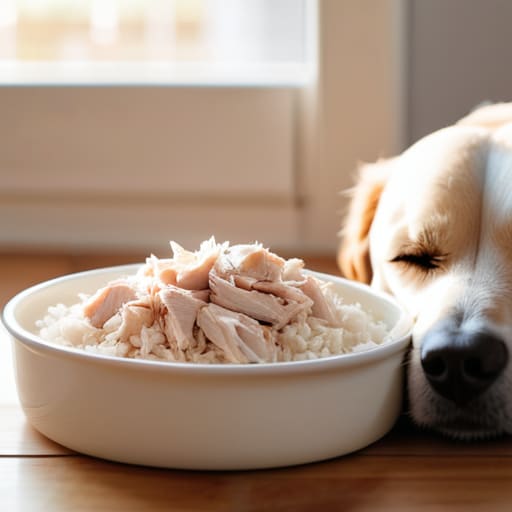
The biggest mistake I see people make is thinking that “recovery food” means a fancy, expensive prescription diet from a boutique brand. It usually doesn’t. Most of the time, your vet just wants them on something highly digestible and bland to settle a stomach that’s been rattled by anesthesia. If they’ve been vomiting, that might mean a simple bland diet of boiled chicken and white rice—no seasoning, no butter, no salt—but if they can’t even keep water down, that’s a different conversation.
When we talk about a post-operative diet for pets, we’re looking at caloric density and hydration. If your dog is barely moving because they’re restricting pet activity during recovery, they aren’t going to burn much fuel, so don’t go overboard on the portions. However, if they are healing from a major orthopedic procedure, they actually need more protein to repair that tissue. I always tell owners to watch the stool; if it looks like something out of a horror movie, scale back the amount. If they aren’t eating at all after 24 hours, don’t wait—call the clinic.
The Stuff They Don't Have Time to Tell You in the Discharge Papers
- Watch the incision, but don’t just look at it—touch it. A little redness is normal, but if the skin feels hot to the touch or you see a “bubble” that looks like it’s filled with fluid, that’s a localized infection or a seroma. If it smells like anything other than clean skin, you’re looking at a vet visit, not a “wait and see” situation.
- The “Cone of Shame” is a miserable necessity, not a suggestion. I’ve seen more $800 surgical repairs fail because an owner thought, “Oh, he looks so sad, I’ll just let him take it off for ten minutes.” Ten minutes is all it takes for a dog to lick a suture line right out of the skin. If you can’t bear to see them in plastic, buy a soft fabric cone or a recovery suit, but keep that wound covered.
- Monitor the bathroom habits like a hawk. It’s easy to get distracted by the lethargy, but if your cat hasn’t used the litter box in 24 hours after abdominal surgery, or if your dog is straining without producing anything, you have an emergency. Obstruction or ileus (where the gut just decides to stop moving) is a real threat, and it’s a fast one.
- Expect the “Post-Op Fog.” Your pet is going to be weird. They might be clingy, they might hide under the bed, or they might seem completely indifferent to your existence. This is usually the anesthesia and the pain meds talking. However, if “weird” turns into “won’t lift their head to drink water” or “is stumbling like they’re drunk” six hours after the meds should have worn off, call the clinic.
- Keep the activity level strictly controlled, even if they seem fine. I once had an owner tell me her lab was “acting totally normal” on day three, only to find out she’d taken him for a brisk walk around the block. That walk tore the internal sutures. If the vet said crate rest, that means crate rest—even if they’re staring at you with those big, pathetic eyes.
The Bottom Line on Post-Op Recovery
Don’t try to be a hero with your own medicine cabinet; if they aren’t taking the prescribed dose or if they’re still panting and restless despite the pills, the pain isn’t managed and you need to call the vet.
Watch the output more than the input—it doesn’t matter how much expensive recovery food you buy if they haven’t had a bowel movement or haven’t urinated in twenty-four hours.
Learn the difference between a “sleepy” pet and a “lethargic” pet; if they won’t lift their head when you open a bag of treats or if their gums feel tacky instead of moist, stop reading this and start driving to the ER.
## The Cost of Waiting
“I’ve seen too many people try to ‘tough it out’ through a long weekend because they’re worried about the bill or think a little lethargy is just part of the healing; but if your pet is pacing, panting, or refusing to drink, that isn’t ‘post-op blues’—that’s a crisis, and by the time Monday morning rolls around, the vet bill for the emergency will be triple what it would have been if you’d just gone in tonight.”
Marlene Ostrowski
The Reality of the Recovery Room
At the end of the day, successful recovery comes down to two things: vigilance and restraint. You need to keep a sharp eye on their pain levels, ensure they are actually eating that bland diet, and—most importantly—keep them from licking their incision until you’re blue in the face. It’s a fine line between being a supportive caregiver and a helicopter parent, but you have to be the one to decide when a symptom is just a normal part of healing and when it’s a sign that you need to pick up the phone and call the clinic. If they stop drinking water or their gums look pale, stop second-guessing the internet and trust your gut.
I know how heavy that silence feels when you’re sitting on the floor at 2:00 AM, watching a dog or cat struggle to find a comfortable position. It’s exhausting, and the cost of the meds and the follow-up visits can feel like a gut punch. But remember that the stress of these few days is temporary, and the reason you’re doing this is because you’ve chosen to be their advocate when they can’t speak for themselves. You are doing the hard, unglamorous work that makes the difference between a long life and a premature goodbye. Hang in there; you’re doing a better job than you think.
Frequently Asked Questions
My dog is acting a bit lethargic and won't eat his usual food; is that just the anesthesia wearing off, or am I looking at a complication?
Look, I’ve seen this a thousand times. If he’s just sleepy and a bit “off” for the first 24 hours, it’s likely the anesthesia. But here is the line: if he’s lethargic and his gums look pale or tacky, or if he’s trying to vomit but nothing comes up, don’t wait for morning. That’s a complication. If he won’t touch a high-value treat like plain boiled chicken, call the clinic. Don’t play guessing games with a post-op dog.
How do I know if my pet's incision is actually healing, or if that redness and swelling means I need to head to the ER right now?
Look, a little pinkness around the edges of the line is normal for the first 48 hours—that’s just inflammation. But if the skin looks angry, hot to the touch, or starts oozing something that isn’t just a tiny bit of clear fluid, you have a problem. If you see thick yellow pus or if the swelling looks like a hard lump, don’t wait for your appointment on Tuesday. That’s an infection, and you need to call the vet now.
I can't afford the full recovery plan the vet suggested; what are the absolute non-negotiable items I have to pay for to keep my pet safe?
Look, I’ve sat in that exam room and watched people’s faces fall when they see the estimate. I get it. If you have to triage your budget, the non-negotiables are pain management and infection control. Do not—under any circumstances—skip the prescribed antibiotics or try to “stretch” the pain meds by giving them human pills. If you can only afford one thing, make it the meds. Everything else, like the fancy recovery cone or the prescription diet, can often be substituted with cheaper, practical alternatives.