I’ve spent thirty years watching people pour money into “calming pheromone diffusers” and expensive organic treats, hoping to fix a broken heart with a retail solution. It’s frustrating to see, because when you’re trying to figure out how to help a grieving cat, the internet usually tells you to buy something rather than telling you how to observe something. I once had a client spend two hundred dollars on specialized calming supplements for her tabby, only to bring him in three days later because the cat had stopped eating entirely and was slipping into hepatic lipidosis. We weren’t dealing with a “sad kitty”; we were dealing with a medical emergency disguised as a mood.
I’m not here to sell you a subscription to a wellness brand or give you some flowery, sentimental nonsense about “healing energies.” I’m going to tell you how to distinguish between a cat that is simply moping and a cat that is physically failing because of the stress. I’ll give you the realistic timelines for recovery, tell you which behaviors warrant an immediate trip to the ER, and help you understand what a vet visit for “grief-related lethargy” is actually going to cost you.
Table of Contents
- Spotting Real Signs of Feline Depression vs a Medical Emergency
- Comforting a Sad Cat Without Falling for Forum Myths
- Five Practical Ways to Manage the Messy Reality of a Grieving Cat
- The Bottom Line: What You Actually Need to Do
- The Cost of Waiting
- The Long Road Back to Normal
- Frequently Asked Questions
Spotting Real Signs of Feline Depression vs a Medical Emergency
Here is the reality: grief and illness look almost identical in a cat. When I worked in the clinic, I saw more than one owner come in thinking their cat was “just depressed” because they’d lost a companion, only to find out the cat had a urinary blockage or a kidney flare-up. If your cat is hiding, that’s a common feline grief symptom, but if they are hiding and stopped using the litter box, or if they are hiding and acting lethargic even when you offer their favorite high-value treat, you aren’t dealing with sadness. You are dealing with a medical crisis.
You have to watch the math of their daily life. A cat might skip a meal or two while coping with pet loss, but if they go forty-eight hours without eating, they are at risk for hepatic lipidosis—which is essentially liver failure—and that is an expensive, terrifying emergency. I look for the “active” vs. “passive” decline. A grieving cat might sleep more or be less interested in play, but a sick cat will often show physical changes like labored breathing, a change in gum color, or a refusal to drink. If you see those, stop reading this and start looking for an emergency vet.
Comforting a Sad Cat Without Falling for Forum Myths
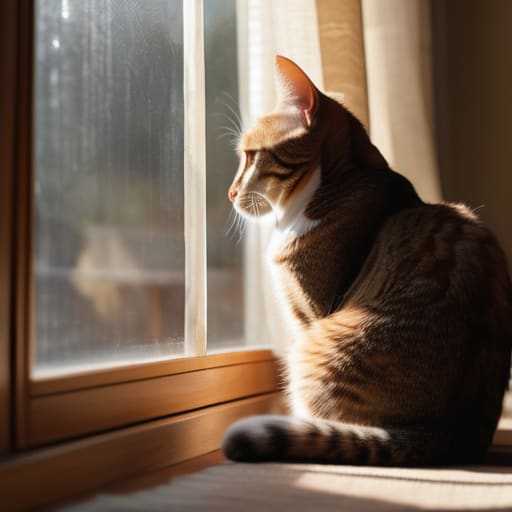
I see it on the forums every single day: someone suggesting essential oils or a “special” herbal supplement to fix a cat’s mood. Let me be very clear—you cannot aromatherapy your way out of grief. If you’re looking for ways of comforting a sad cat, stop looking for a magic potion and start looking at their environment. Most of the time, what they need is stability, not a new scented diffuser. When a household changes due to loss, the scent profiles and the very rhythm of the house shift. Stick to their old feeding times and keep the furniture where it is.
Don’t fall for the trap of overcompensating by buying a mountain of new toys or high-calorie treats. While you might think you’re helping them cope, you’re often just creating a chaotic environment that makes cat behavioral changes after loss even harder to manage. If your cat is hiding, let them hide. Forcing a grieving animal into social interaction is like trying to pull a person out of a dark room before they’re ready to face the light. Patience is your primary tool here, not a shopping spree.
Five Practical Ways to Manage the Messy Reality of a Grieving Cat
- Stick to the old routine like your life depends on it. Cats find comfort in the predictable, so if they usually eat at 7:00 AM, don’t start letting them sleep in just because they seem “sad.” Predictability lowers their cortisol levels; chaos raises them.
- Watch the food bowl, not just the appetite. A cat that is “mourning” might pick at their kibble, but a cat that refuses even the most expensive, smelly wet food for more than 24 hours is entering a dangerous metabolic state. If they stop eating entirely, you aren’t dealing with grief anymore—you’re dealing with hepatic lipidosis, and that’s a multi-hundred-dollar hospital stay waiting to happen.
- Don’t force the affection. I’ve seen people try to “love” a grieving cat by picking them up and squeezing them constantly. If your cat wants to hide under the bed, let them. They need to feel like their territory is still secure, even if the social structure of the house has changed.
- Keep the scent profiles consistent. If the pet that passed away had a specific bed or blanket, don’t wash it immediately. That scent is a piece of their map. However, if you notice your grieving cat starts urinating outside the litter box, wash it immediately—that’s a territorial stress signal, not a “cute” way of asking for attention.
- Prepare your wallet for the “stress-induced” vet visit. Grief can trigger underlying issues like cystitis in cats or flare-ups of kidney issues. If you see them straining in the litter box, don’t wait for Monday to see if they “calm down.” That is an immediate emergency visit, and you’ll want to have a few hundred dollars ready for the diagnostics.
The Bottom Line: What You Actually Need to Do
Watch the food bowl, not just the mood. A cat that is “sad” might sleep more, but a cat that stops eating entirely is a ticking time bomb for hepatic lipidosis (fatty liver disease), which can kill them in a matter of days.
Stop looking for a “magic” supplement or a special treat to fix the grief. If they aren’t eating or drinking, you aren’t looking for a comfort measure; you’re looking for a vet to tell you if they need an appetite stimulant or subcutaneous fluids.
Budget for the “just in case” visit. If you notice a sudden change in bathroom habits alongside the lethargy, don’t wait until Monday to see if they “settle in”; that’s often a urinary blockage or a GI issue, and an emergency clinic visit on a Saturday night will easily run you $400 to $800 before they even start the actual treatment.
The Cost of Waiting
“When a cat is grieving, they tend to retreat, and that retreat looks a lot like many other things that can kill them—like kidney failure or a blockage. Don’t spend three days reading forums about ’emotional support’ when you should be checking if they’ve actually had a bowel movement or a drop of water; sometimes the most compassionate thing you can do isn’t a cuddle, it’s a vet visit before the bill turns from a consultation fee into a crisis management fee.”
Marlene Ostrowski
The Long Road Back to Normal
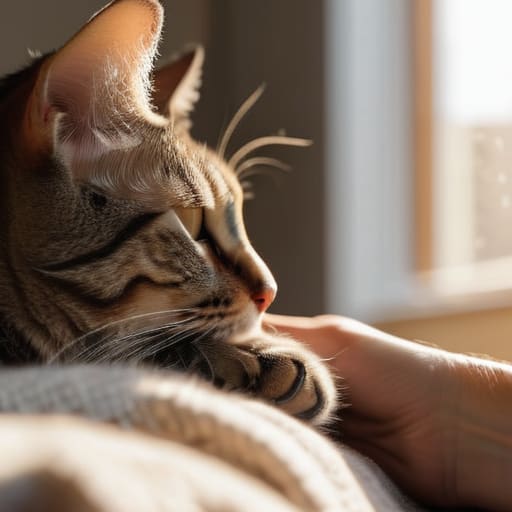
At the end of the day, helping a grieving cat isn’t about finding a magic supplement or a “healing” frequency on YouTube; it’s about being a vigilant, steady presence. You have to keep a sharp eye on the vitals—the appetite, the litter box habits, and the hydration levels—because clinical depression can mask a physical crisis like kidney issues or pancreatitis. If they stop eating entirely for more than twenty-four hours, stop searching for comfort tips and start looking for your car keys. You can provide the quiet environment and the extra chin scratches, but you cannot substitute for a vet when the grief turns into a physiological decline.
I know how heavy this feels. I’ve sat in those quiet exam rooms and watched owners try to hold their composure while their world felt like it was tilting on its axis. It is exhausting to care for a grieving animal while you are grieving yourself, but please remember that your presence is their only constant. They don’t need you to fix the sadness—because you can’t—they just need you to stay in the room while they navigate it. Take it one meal and one nap at a time, and give yourself as much grace as you give them.
Frequently Asked Questions
My cat has stopped eating completely; how many days can I wait before this becomes a life-threatening medical emergency?
If your cat hasn’t touched food in 24 hours, you’re in the yellow zone. If it hits 48 hours, you are officially in the red. In cats, especially seniors, hepatic lipidosis—liver failure from starvation—can kick in incredibly fast. I’ve seen cats go from “just being picky” to needing expensive IV fluids and aggressive feeding tubes in a heartbeat. Don’t wait for Monday. If they haven’t eaten in two days, get them in today.
Are there any specific supplements or medications I can give them, or is that just more expensive nonsense?
Look, I’ve seen enough people try to “fix” a grieving cat with expensive herbal tinctures from a wellness blog to last a lifetime. Most of it is just overpriced placebo. If your cat is genuinely anxious or refusing food, you might need actual pharmaceutical intervention—things like Gabapentin or Fluoxetine. They aren’t “magic,” but they work. Don’t waste your money on supplements until you’ve had a vet confirm there isn’t an underlying metabolic issue.
How much is a vet going to charge me just to tell me my cat is "just sad" and doesn't need treatment?
Here’s the reality: you aren’t just paying for a “yes” or “no.” You’re paying for the exam fee—usually $60 to $100 depending on your area—plus the diagnostic work to rule out the scary stuff. If they run bloodwork to confirm it’s “just sadness,” add another $150 to $250. It feels like a waste of money when the answer is “nothing,” but you’re actually paying to ensure you aren’t missing a silent killer.