
I’ve spent three decades watching owners pour money into “miracle” supplements and high-tech gadgets that do absolutely nothing for a dog with a torn CCL. There is so much fluff in this industry, and frankly, it’s exhausting. People come to me asking if they should spend a fortune on some fancy laser therapy, but they often miss the real question of how physiotherapy and hydrotherapy help when the joints are actually failing. It isn’t about magic; it’s about controlled movement—the difference between a dog that can still find the stairs and a dog that has given up on walking entirely.
I’m not here to sell you a lifestyle brand or a proprietary pill. I’m going to tell you the truth about what these therapies actually do for the muscle, the bone, and the spirit, and more importantly, when they aren’t worth the bill. I’ll give you the clinical reality of the recovery timelines and the actual costs you should expect to see on your invoice. If you want the hype, go to a forum; if you want to know what is actually worth your time and money, stay here.
Table of Contents
Physical Therapy for Injury Recovery When to Act
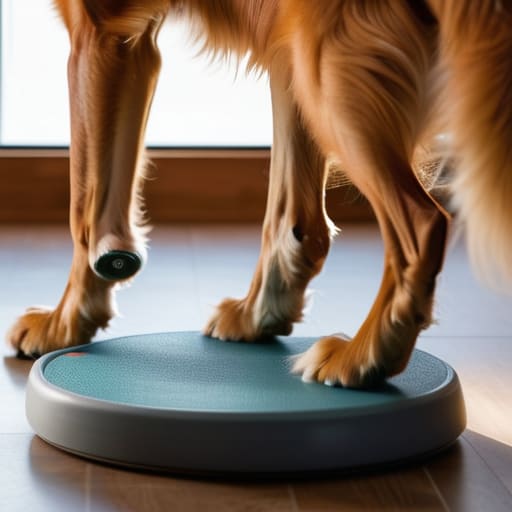
Here is the reality of physical therapy for injury recovery: it is not a luxury, and it is rarely just about “getting them back to normal.” It is about preventing the secondary disasters that happen when an animal compensates for pain. If your dog has a torn CCL or is recovering from a spinal surgery, they are going to shift their weight to the “good” side. I have seen enough lameness cases to tell you that this leads to massive muscle wasting and arthritis in the healthy limbs within months. You aren’t just treating the injury; you are trying to stop the collapse of their entire mobility system.
When you are deciding whether to pull the trigger on a rehab plan, look at their gait. If they are dragging a limb or if their hindquarters look like they’re melting away, you need to move. This is where post-operative rehabilitation protocols become essential. You might be choosing between hydrotherapy vs traditional physiotherapy, but the decision shouldn’t be based on what sounds “nicer.” If they can’t bear weight on land, you need that buoyancy to get them moving. If they can walk but are stiff, you need the targeted manual work. Don’t wait until they’re too weak to even stand in a pool.
Hydrotherapy vs Traditional Physiotherapy What Your Wallet Needs to Know
Let’s talk numbers, because I know that’s where the real decision happens. When you’re weighing hydrotherapy vs traditional physiotherapy, you aren’t just choosing a method; you’re choosing a budget. Standard physical therapy—the kind involving manual stretching, laser therapy, or range-of-motion exercises in an exam room—is generally the more affordable baseline. You might be looking at $50 to $80 per session depending on your clinic. It is essential for foundational work, but it lacks the unique physics that water provides.
Hydrotherapy, specifically using an underwater treadmill, is a different beast entirely. You are paying for the specialized equipment and the technician’s time to manage that environment. Expect to pay anywhere from $75 to $120 per session. It sounds steep, but you have to consider the efficiency of the recovery. Because of buoyancy and joint mobility, a dog that can’t even lift a hind leg on solid ground can often walk in a tank. If hydrotherapy gets your dog back to a functional baseline two months faster than land-based exercises alone, you’ve actually saved money on long-term medications and multiple follow-up visits.
Five things I wish every owner knew before they booked a rehab session
- Don’t wait for them to stop walking. By the time a senior dog is refusing to get up from their bed, they’ve already lost a significant amount of muscle mass. You want to start physio when they are still mobile but showing signs of stiffness—think “slow mornings” or a hesitant gait—not when they’ve become a permanent fixture on the rug.
- Hydrotherapy is about buoyancy, not just swimming. If you think your dog just needs to splash around, you’re missing the point. The water supports their weight so they can move their limbs through a full range of motion without the pain of gravity. It’s a tool for rebuilding mechanics, not a glorified bath.
- Consistency beats intensity every single time. I’ve seen owners spend a fortune on one massive session a week and get zero results. You’ll get much better outcomes—and save money in the long run by avoiding more vet visits—if you do ten minutes of gentle, guided stretching or range-of-motion exercises at home every day rather than one big session every seven days.
- Watch the “rebound” effect. Just because your dog looks happy and wagging their tail after a session doesn’t mean they aren’t hurting. Sometimes the adrenaline or the sheer novelty of the water masks the soreness. If they are unusually lethargic or “off” the next day, tell your therapist. They need to adjust the intensity, or you’re just pushing them toward an injury.
- Manage your expectations on the “cure.” Neither of these is a magic wand that will turn a 14-year-old Labrador back into a puppy. Think of it as quality-of-life management. We aren’t trying to reverse time; we’re trying to keep them comfortable, mobile, and able to walk to the food bowl without crying. If that’s the goal, the investment is usually worth it.
The Bottom Line
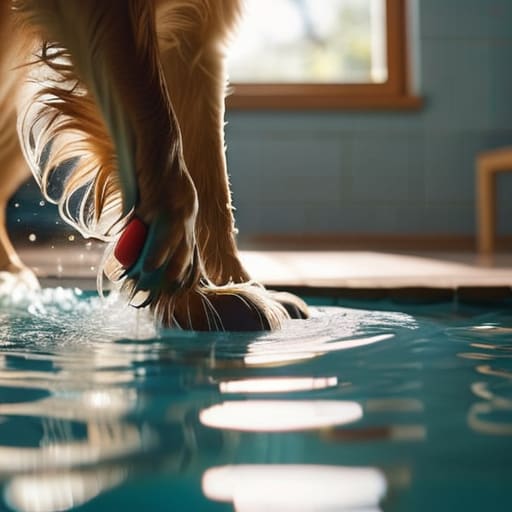
Don’t wait for a limp to become a permanent drag; if your dog is shifting their weight or hesitating on stairs, that’s your window to start rehab before the muscle atrophy makes it twice as expensive and half as effective.
Hydrotherapy isn’t a luxury for pampered pups—it’s a clinical tool used to rebuild strength when their joints can’t handle the impact of gravity, and for a senior dog with arthritis, it’s often the difference between mobility and total stagnation.
You have to budget for the long haul because rehab is a marathon, not a sprint; expect to pay for consistency over several weeks rather than a one-off “fix,” and remember that the cost of physical therapy is almost always lower than the cost of corrective surgery later.
The Real Goal of Rehab
“People think hydrotherapy is about getting a dog to swim for fun, but it’s actually about physics. It’s about using buoyancy to take the weight off a painful joint so they can move without the agony, because if they stop moving, the muscles atrophy, and once that muscle is gone, you aren’t just fighting an injury anymore—you’re fighting a lifestyle of decline.”
Marlene Ostrowski
The Bottom Line
At the end of the day, you have to weigh the clinical reality against your own circumstances. Physiotherapy is your foundation—it’s the groundwork of muscle maintenance and range of motion that keeps a dog from stiffening up like a board. Hydrotherapy is the specialized tool that makes movement possible when gravity is the enemy, even if that extra session costs you a few hundred dollars more per month. You don’t always need both simultaneously, but you do need a plan that addresses actual physical decline rather than just hoping they’ll “get better” on their own. If you can afford the rehab, do it; if you can’t, focus on the manual exercises your vet or tech can teach you to do at home. Don’t let the cost of the fancy pool stop you from doing the basic work.
I’ve sat in exam rooms with owners who felt like failures because they couldn’t afford the gold-standard treatment plan. Please, listen to me: quality of life is not a luxury item. Whether you are investing in a high-end hydrotherapy center or simply spending twenty minutes a day doing gentle stretches on your living room rug, you are making a choice to be their advocate. We can’t stop the clock on aging or injury, but we can certainly change how they experience the time they have left. Focus on the progress, not the perfection, and just keep moving forward.
Frequently Asked Questions
My dog is already slowing down because of age; is rehab actually going to help him, or am I just paying to delay the inevitable?
Look, I’ve sat in enough exam rooms to know that question. You aren’t paying to stop the clock; you’re paying to make the time left actually worth living. If your dog can still enjoy a slow stroll or a nap without constant stiffness, rehab can buy you months of mobility. But if they’re already non-weight bearing, you’re likely just managing pain. It’s about quality of life, not immortality.
How do I know if my pet is actually getting better from these sessions, or if I'm just throwing money into a black hole?
You aren’t looking for a “miracle cure” feeling; you’re looking for data. Don’t ask if they look happier—ask if they’re standing for ten seconds longer or if their gait is less hitched after a walk. Keep a simple log: mobility, appetite, and sleep quality. If you aren’t seeing incremental shifts in those three things over a month, stop the sessions. At that point, you aren’t rehabilitating; you’re just subsidizing a clinic’s new equipment.
If I can't afford the specialized clinic, are there any legitimate exercises I can do at home, or is that just a waste of time?
Look, I’ve sat in too many exam rooms to lie to you: if your dog has a torn ACL, a living room floor isn’t a substitute for surgery and professional rehab. But if we’re talking about senior stiffness or mild arthritis, yes, home exercises matter. Passive range of motion—slowly moving their limbs through their natural range—and controlled weight shifts can help. Just don’t turn “gentle movement” into “unsupervised wrestling,” or you’ll end up in the ER.