The Safe Room Method for a New Cat

How to settle a new cat into your home.

I’ve spent three decades watching people spend two hundred dollars on “calming pheromone diffusers” and designer cat trees, only to have their new pet spend the next week vibrating with terror under the guest bedroom sofa. If you’re looking for a magic gadget to solve your problems, you’re in the wrong place. Learning how to settle a new cat into your home isn’t about the expensive stuff you find in a targeted Instagram ad; it’s about understanding feline biology and having the patience of a saint. I once spent four days sitting on a linoleum floor just so a rescue tabby would feel safe enough to eat a piece of kibble, and frankly, that was more effective than any high-tech gadget on the market.

I’m not going to give you a list of fluff. I’m going to tell you what a cat actually needs to feel secure, what behaviors are just “adjusting” and what are actually medical red flags that require a vet visit. We’ll talk about the real logistics—the quiet corners, the feeding schedules, and the hard truth about when you need to back off and leave them alone. No hype, just the stuff I learned from thirty years of seeing what actually works when the lights go down.

Table of Contents

Creating a Kitten Sanctuary Before the Panic Sets in

Creating a Kitten Sanctuary Before the Panic Sets in

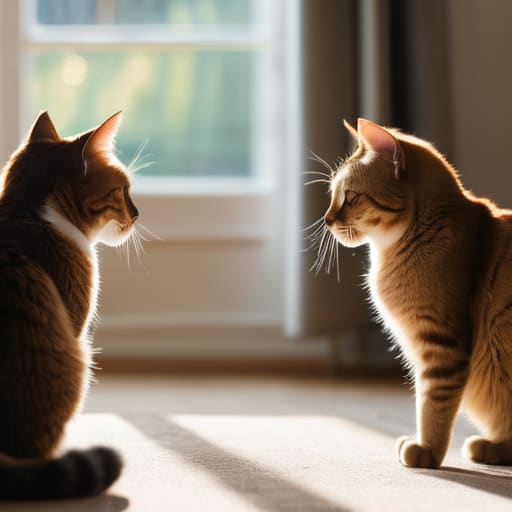
Before you bring that little ball of fur through the front door, you need to stop thinking about “decorating” and start thinking about creating a kitten sanctuary. I’ve seen too many people dump a new kitten into a massive, open-concept living room and wonder why the poor thing spends the next three days vibrating under a sofa. A kitten’s world is defined by what they can touch and where they can hide. You want a small, “base camp” room—a bathroom or a spare bedroom works best—where the perimeter is tight and the distractions are low.

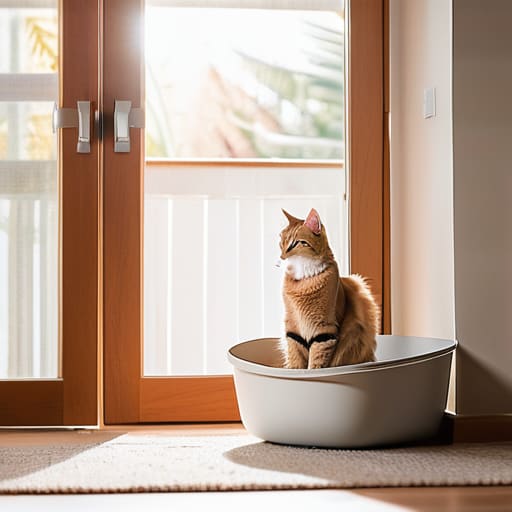
When gathering your essential supplies for new cats, don’t just grab the cheapest litter box on the shelf. Get a low-entry one so they don’t have to hurdle a wall while they’re still learning their footing, and make sure the food and water aren’t right next to the litter; cats are instinctively clean, and they won’t eat if they feel they’re dining in a bathroom. Most importantly, provide verticality. Even a small cardboard box turned on its side offers a sense of security that a wide-open floor simply cannot.

Essential Supplies for New Cats What Costs Money and What Matters

Essential Supplies for New Cats What Costs Money and What Matters

Look, you don’t need a $300 automated fountain that promises to “whisper” while your cat drinks. You need a heavy ceramic bowl that won’t tip over and a high-quality food they’ve already been eating at the shelter. Changing their diet during the initial cat acclimation period is a fast track to expensive diarrhea and a very stressed-out owner. If you want to save money, spend it on a sturdy, high-walled litter box and a vertical space—like a simple cat tree—rather than some fancy gadget that’s just going to collect dust.

The real money is in the things that actually facilitate feline stress reduction tips, like high-quality pheromone diffusers or calming supplements. I’ve seen plenty of people skip the “extra” stuff to save a few bucks, only to end up paying triple at the clinic because a terrified cat decided to hide in the drywall or stop eating entirely. If you have a limited budget, prioritize the basics: food, litter, and a safe hiding spot. Everything else is just window dressing.

The First Week: Reading the Body Language Before You Panic

  • Stop trying to be their best friend immediately. I’ve seen owners spend three hours trying to coax a terrified rescue out from under a sofa, only to end up with a scratched hand and a stressed-out cat. If they’re hiding, let them hide. A cat that feels they have a “safe zone” they aren’t allowed to leave will settle twice as fast as one that is constantly being poked and prodded to “see if they’re okay.”
  • Watch the litter box like a hawk. In my thirty years, I’ve seen more “settling in” issues turn into medical emergencies because an owner thought a cat was just being shy, when really they were straining. If they are using the box normally, they’re adjusting. If they are going outside the box, or worse, if you see them straining or crying while trying to go, that’s not “anxiety”—that’s a potential blockage or UTI, and you need to call the vet, not wait for them to “get used to the new house.”
  • Keep the food schedule predictable, even if it’s boring. Cats thrive on routine because it signals safety. If you’re feeding them twice a day, do it at the same time. If they aren’t eating, don’t immediately assume they’re depressed; check if they’re just overwhelmed by the new smells. However, if a cat hasn’t touched food for 24 hours—especially a small kitten—you don’t “wait and see.” You call the clinic. A cat that stops eating can go downhill into hepatic lipidosis (fatty liver) faster than you can say “vet bill.”
  • Scent is their version of a social media profile. Instead of bringing them into the whole house at once, take a cloth, rub it on their cheeks, and leave it in your living room. Take another cloth, rub it on your furniture, and put it in their “sanctuary” room. It helps them map out the territory without the physical threat of a giant human walking around. It’s free, it’s easy, and it works better than any expensive pheromone diffuser I’ve ever seen.
  • Monitor the “zoomies” versus the “hides.” There is a big difference between a cat that is exploring the house at 2:00 AM with dilated pupils (normal) and a cat that is perpetually hunched, unkempt, or refusing to move even for high-value treats (not normal). If they aren’t grooming themselves, their coat will start to look “spiky” or greasy within a few days. That’s a clinical sign of stress or pain, and that’s when you stop playing the “give them space” game and start looking for the underlying cause.

The Bottom Line: What You Actually Need to Watch For

Don’t panic over a little hiding; most cats need a few days to realize they aren’t about to be eaten, but if they stop eating or using the litter box entirely for more than 24 hours, that’s a vet visit, not a “wait and see” situation.

Skip the expensive, designer pheromone diffusers if money is tight, but do not skimp on high-quality, calorie-dense food—a new cat’s stress can tank their blood sugar, and a hungry cat is a stressed cat.

Keep your eyes on their output; if you see straining, vomiting, or diarrhea that looks like it’s more water than stool, call the clinic immediately because dehydration in a stressed cat happens much faster than you think.

The Difference Between Hiding and Being Terrified

“You’re going to see them tucked under the sofa or behind a chair, and your instinct will be to reach in and pull them out to ‘comfort’ them. Resist that. In my thirty years, I’ve seen more stress-induced urinary issues from over-handling a new pet than from letting them hide. If they’re eating and using the litter box, let them be. You aren’t being a bad owner by giving them space; you’re being a smart one.”

Marlene Ostrowski

The Long Game

Playing The Long Game with cats.

Look, you don’t need a designer cat tree or a fountain that costs more than your grocery bill to make this work. You need a quiet room, a predictable feeding schedule, and the discipline to not force an interaction when they’re hiding under the bed. Remember: the sanctuary setup is about safety, and the supplies are about stability. If they aren’t eating or using the litter box by the forty-eight-hour mark, stop reading blogs and call your vet. Most of the stress you’re feeling right now is just the friction of two different lives trying to merge into one, and that friction is normal.

I’ve spent thirty years watching animals transition from terrified, trembling wrecks to the kings and queens of the household. It doesn’t happen overnight, and it certainly doesn’t happen because you bought the most expensive organic treats on the shelf. It happens through the slow, quiet accumulation of trust—the moment they decide your lap is a safe place to nap or they finally stop flinching when you walk into the room. Be patient with them, and more importantly, be patient with yourself. You’re doing the work, and in the end, that’s what actually matters.

Frequently Asked Questions

My new cat has stopped eating and is hiding under the bed; is this just nerves or should I be worried about a medical issue?

If they haven’t eaten in 24 hours, stop worrying about “nerves” and start worrying about their liver. Cats can develop hepatic lipidosis—basically liver failure—scary fast when they stop eating. If they’re just hiding but still drinking and using the litter box, give it one night. But if they’re lethargic, vomiting, or haven’t touched food by tomorrow morning, don’t wait for an appointment. Get them to the vet. It’s better to pay a consultation fee than to treat organ failure.

How much should I realistically budget for those first few months of unexpected vet visits and vaccinations?

Look, don’t let anyone tell you it’s just the cost of the food. Between the initial core vaccines—rabies, FVRCP—and that first deworming, you’re looking at $200 to $400 right out of the gate. If they’re a rescue, budget another $300 for a baseline blood panel and a wellness exam to catch things like kidney issues or parasites. If you want to sleep at night, set aside $500 for those “just in case” emergency visits.

If my resident dog is acting aggressive or territorial toward the new cat, do I need to separate them permanently or can this be fixed?

It depends on the “why.” If your dog is just barking at the door or guarding a specific toy, that’s territoriality—we can fix that with management and training. But if there is actual physical aggression—snapping, lunging, or pinning the cat—you have to separate them immediately. I’ve seen too many “fixable” situations turn into a trip to the ER for a punctured lung. Use baby gates. If they can’t coexist safely, permanent separation isn’t a failure; it’s responsible.

Normal Temperature Ranges and How to Actually Take One

Guide on how to take a pet's temperature.

I can still smell the antiseptic and the underlying scent of a sick Golden Retriever from a case I handled back in ’98. The owner was frantic, staring at her phone, trying to Google “how to take a pet’s temperature” while her dog was clearly shivering and listless. She was looking for a magic answer online, but all she really needed was a steady hand and a digital thermometer. Most people think you need a medical degree or some high-tech infrared gadget to figure out if your animal is running a fever, but they end up wasting precious time—and money—chasing myths instead of looking at the actual numbers.

I’m not here to give you a textbook lecture or sell you a fancy piece of equipment you don’t need. I’m going to show you exactly how to do this without getting bitten, scratched, or making a mess of your living room. I’ll tell you what a “normal” reading actually looks like, which numbers mean you can wait until morning, and which ones mean you need to grab your keys and head to the ER right now.

Table of Contents

Why Pet Temperature Reading Accuracy Actually Matters

Why Pet Temperature Reading Accuracy Actually Matters

Look, I know nobody enjoys playing doctor with their pet, especially when you’re trying to avoid a frantic midnight run to the ER. But here is the reality: a thermometer is one of the few objective tools you actually have at home. Most people rely on how their dog or cat looks—are they lethargic? Are they hiding under the bed? Those are valid pet health indicators, but they are subjective. A pet can look perfectly fine while their internal furnace is slowly cooking them from the inside out.

If you get a reading that’s off because you used a cheap oral thermometer or you didn’t get a deep enough reading with a rectal thermometer for pets, you are flying blind. An inaccurate number might give you a false sense of security when your cat is actually mounting a fever, or it might send you into a panic over a decimal point that doesn’t matter. Getting that number right is the difference between “we can monitor this until morning” and knowing exactly when to call a veterinarian before things turn irreversible.

Choosing the Right Rectal Thermometer for Pets

Choosing the Right Rectal Thermometer for Pets

Don’t go running to the drugstore and grabbing a flimsy digital thermometer meant for a human child. I’ve seen people try it, and frankly, it’s a recipe for a broken device and a very stressed-out animal. You need a dedicated rectal thermometer for pets—one with a slim, flexible tip and a shorter probe length. Human thermometers are often too long and rigid; if you’re trying to navigate a squirming ten-pound cat, you don’t want to be fighting a piece of stiff plastic that feels like it’s going to snap.

I always tell my fosters to look for something digital with a fast readout. You want a reading in under thirty seconds if possible, because let’s be honest, most dogs aren’t going to sit still for a minute of precision. While pet temperature reading accuracy is the goal, the real priority is safety and speed. If you can, grab one that has a built-in memory function so you aren’t squinting at a tiny, blurry screen while trying to keep a heavy terrier from jumping off the exam table.

Five Things I Learned From Decades of Doing This in the Exam Room

  • Forget the oral thermometer; it’s a waste of your time and a recipe for a bitten finger. Unless you’re dealing with a very cooperative, very large dog, you need to go rectal. It’s the only way to get a reading that actually reflects their core temperature, and after thirty years, I’ve stopped apologizing for that reality.
  • Use enough lubricant to make it slide, not just a smear. I’m talking about a generous amount of water-soluble lube—not Vaseline, because that’s a nightmare to clean out—to ensure you aren’t causing discomfort or injury. If you’re struggling, you’re doing it wrong; stop, calm the animal, and try again.
  • Lubricate the thermometer, but also lube your finger. If you’re restraining a cat or a nervous terrier, you need one hand for the thermometer and the other for stability. A little bit of lube on your index finger makes the whole process faster and less stressful for both of you.
  • Watch the clock, not just the beep. Most digital thermometers take about 30 to 60 seconds. Don’t pull it out the second you hear a click; hold it steady. I’ve seen plenty of people pull it too early and get a reading that’s a full degree off, which is the difference between “call the vet Monday” and “go to the ER now.”
  • Keep a “normal” number in your head. For dogs and cats, that’s usually between 100°F and 102.5°F (37.8°C to 39.2°C). If you hit 103.5°F, you aren’t looking at a “wait and see” situation; you’re looking at a fever, and you need to be prepared to call your vet immediately.

The Bottom Line on Temperature

Don’t trust an ear thermometer or a forehead scan; if you want a number you can actually base a medical decision on, you have to go rectal, or you’re just guessing.

A temperature above 103°F (39.4°C) or below 99°F (37.2°C) isn’t a “wait and see” situation—that is a “call the emergency vet now” situation.

Keep a digital thermometer in your kit and use plenty of water-based lubricant; it’s uncomfortable for a second, but it’s a lot better than the alternative if they’re actually sick.

The Difference Between a Number and a Crisis

“I’ve spent three decades watching owners stare at a thermometer like it’s a math problem they can’t solve, but here is the reality: a temperature isn’t just a number on a screen, it’s your first real warning shot. If you’re hovering at 101, you can breathe; if you hit 104, stop reading my blog and start your car, because by the time they look lethargic, you’re already behind the curve.”

Marlene Ostrowski

The Bottom Line

The Bottom Line: Monitor pet temperature.

Look, I know nobody wakes up excited to play the part of a nurse to their own pet, especially when it involves a rectal thermometer and a bit of a struggle. But if you’ve followed what I’ve said, you know the drill: get a digital thermometer designed for medical use, use plenty of lubricant, and keep a steady hand. Remember that a normal temperature for most dogs and cats sits between 100.5°F and 102.5°F (roughly 38°C to 39.2°C). If you hit 103.5°F or drop below 99°F, stop playing detective and call your vet immediately. Don’t waste time trying to “cool them down” with a bath or waiting for the morning if they are lethargic or refusing food alongside that fever.

At the end of the day, being a pet owner is about more than just the fun stuff like walks and treats; it’s about being the one person who actually knows what’s going on when their body starts to fail. You are their only advocate. When you take that temperature, you aren’t just checking a number on a screen—you are gathering the most vital piece of data that can bridge the gap between a routine appointment and an emergency room visit. It isn’t glamorous, and it certainly isn’t easy, but your ability to stay calm and precise is exactly what will save their life when it matters most.

Frequently Asked Questions

What exactly is a "normal" temperature for a dog versus a cat, and at what specific number should I stop reading and start driving to the emergency vet?

For both dogs and cats, “normal” sits between 100.5°F and 102.5°F (38°C–39.2°C). If you’re seeing 103°F, they’re running a fever; if it’s 99°F, they’re dropping. But listen to me: if that number hits 104°F or dips below 99°F, stop reading this and start driving. Don’t wait for a callback from your vet. At those extremes, you aren’t just dealing with a sniffle; you’re dealing with potential organ failure or shock. Go now.

I've tried using a digital thermometer on my cat's mouth and it didn't work; is there any way to get an accurate reading without the rectal method?

Look, I’ll be blunt: if you aren’t going rectal, you aren’t getting a clinical reading. Oral temperatures in cats are notoriously unreliable because they pant, they lick, or they just won’t hold the probe still. You might get a number, but it’s a guess, not a measurement. If you’re trying to gauge a fever, a “guess” can be the difference between monitoring them at home and rushing to the ER. Use the rectal method. It’s unpleasant, I know, but it’s the only way to know for sure.

If my pet is shivering or acting lethargic, does that change how I should interpret the temperature reading I just took?

If they’re shivering or lethargic, that temperature reading is your most important piece of data, but don’t read it in a vacuum. Shivering can be a sign of a fever trying to break, or it could mean they’re actually hypothermic. If the number is high (over 103°F) and they’re lethargic, they’re sick. If it’s low (under 99°F) and they’re shivering, they’re crashing. In either case, stop playing thermometer and call the vet.