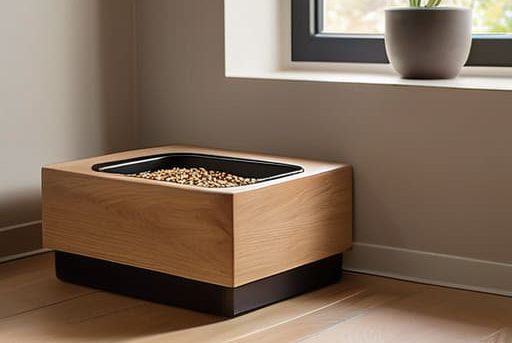
I spent nearly three decades in a clinic where I saw everything from expensive, “boutique” litters that did nothing but track gray dust across the lobby, to owners who bought the cheapest possible sawdust because they were trying to make ends meet. There is a massive, expensive lie being sold in the pet aisle right now that you need a “specialized formula” for every single life stage of your cat. Honestly, most of those fancy marketing claims are just expensive fluff designed to pad a corporate bottom line. If you’re staring at a wall of colorful bags trying to figure out how to choose cat litter that won’t leave your house smelling like a kennel or your floors covered in grit, you don’t need a lifestyle brand; you need to understand the chemistry of what’s actually in the bag.
I’m not here to sell you on a specific brand or tell you that a $40 bag of scented crystals is the magic cure for a messy house. I’m going to give you the unvarnished truth about clumping vs. non-clumping, the real cost of dust inhalation for your respiratory system, and the specific signs that your litter choice is actually making your cat avoid the box. We’re going to look at the numbers, the practicalities, and the red flags so you can stop wasting money on things that don’t work.
Table of Contents
- Clay vs Natural Cat Litter Whats Actually Worth Your Money
- The Real Truth About Scented vs Unscented Litter Options
- Five Things Your Wallet and Your Cat’s Bladder Will Thank You For
- The Bottom Line: What You’re Actually Buying
- The Hidden Cost of Cheap Clumping
- The Bottom Line on the Box
- Frequently Asked Questions
Clay vs Natural Cat Litter Whats Actually Worth Your Money
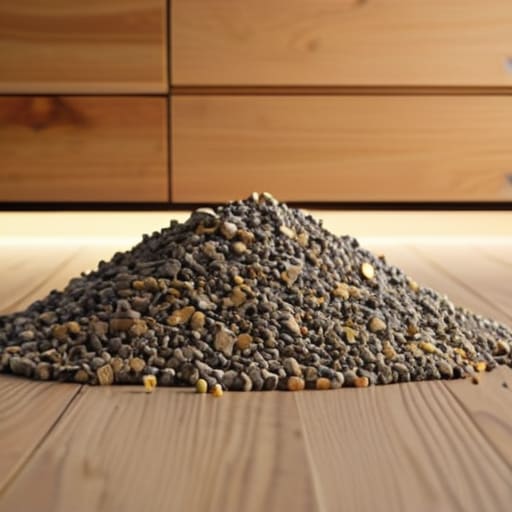
Look, I’ve spent decades cleaning up messes in exam rooms, and I can tell you that the debate between clay vs natural cat litter usually comes down to two things: your budget and how much you hate sweeping your floors. Clay is the old reliable. It’s cheap, it clumps like a dream, and it’s usually the best cat litter for odor control because it’s heavy and dense. But here’s the catch—it’s dusty. If you have a cat with respiratory issues or a human with allergies, that fine silica dust is going to find its way into your lungs and their nose.
On the other hand, you have all these non-toxic cat litter options made from corn, wheat, or pine. These are great because they’re biodegradable and much easier on the environment, but they aren’t magic. Some of them turn into a literal brick of mush if you don’t scoop them twice a day, and others can actually attract bugs if you leave them sitting too long. If you go natural, just make sure you aren’t trading one problem for another. You want something that works, not something that just makes you feel better about your carbon footprint while your house smells like a farm.
The Real Truth About Scented vs Unscented Litter Options
Here is the truth that most pet store aisles try to hide behind pretty packaging: your cat doesn’t care if their bathroom smells like “Spring Meadow” or “Lavender Fields,” but their nose certainly does. Cats have a sense of smell that makes ours look like we’re living in a sensory deprivation tank. When you buy heavily scented products, you aren’t actually removing the ammonia from the waste; you are just layering a cheap floral perfume over a pile of biological sludge. In my experience, this is a recipe for disaster. If a cat finds their litter box chemically overwhelming, they won’t just complain—they’ll find a soft rug or a pile of laundry to use instead.
If you are looking for the best cat litter for odor control, stop looking for the strongest fragrance and start looking for better absorption. Unscented options, especially those using high-quality bentonite or certain biodegradable litter materials, tend to do a much better job of neutralizing the actual scent molecules rather than just masking them. If you have a multi-cat household or a senior cat with a heavy bladder, stick to unscented. It’s cheaper, it’s easier on their respiratory systems, and it keeps them from making your living room their new bathroom.
Five Things Your Wallet and Your Cat’s Bladder Will Thank You For
- Stop buying the biggest bag just because the price per pound looks better; if the clumping isn’t tight, you’re going to end up scooping wet, mushy sludge that sticks to the bottom of the box, which means you’ll be dumping the whole thing more often than you should.
- Watch the tracking—if you find yourself vacuuming “sand” out of your rug every single day, you aren’t saving money, you’re just paying for a cleaning service, so look for larger grain sizes or pellets if you’re tired of the grit.
- Pay attention to how much dust is kicking up when you scoop; I’ve seen plenty of cats develop respiratory issues or “sneezing fits” because owners bought the cheap, dusty stuff that turns into a fine powder the second it hits the air.
- If you have a multi-cat household, you cannot skimp on the depth; you need at least three inches of litter so they can actually bury the waste, because if they can’t hide the smell, they’ll start finding “alternative” spots like your laundry basket or the rug.
- Monitor the “clump integrity” like a hawk, especially with older cats; if the litter doesn’t form a solid ball immediately, the urine soaks through to the bottom, which leads to skin irritation or UTIs from them sitting in a damp, bacteria-filled box.
The Bottom Line: What You’re Actually Buying
Stop chasing the lowest price per bag; if you’re buying cheap, low-quality clay that doesn’t clump properly, you’ll end up scooping twice as often and replacing the whole box in half the time, which costs you more in the long run.
If your cat starts avoiding the box or you notice them straining, check your litter choice immediately—some of those heavy, clumping clays can cause issues for senior cats or those prone to urinary blockages.
If you can smell the litter from across the room, it’s not working; you either need better absorption or you need to stop masking the problem with heavy perfumes that are just going to irritate your cat’s nose and your own lungs.
The Hidden Cost of Cheap Clumping
Stop looking at the price per bag and start looking at the cost of a neglected bladder; if you buy a cheap, dusty clay that clumps like wet cement, your cat is going to stop using the box, and by the time you realize they’re urinating on your rug, you’re looking at a three-hundred-dollar vet bill for a urinary blockage instead of a ten-dollar bag of decent litter.
Marlene Ostrowski
The Bottom Line on the Box
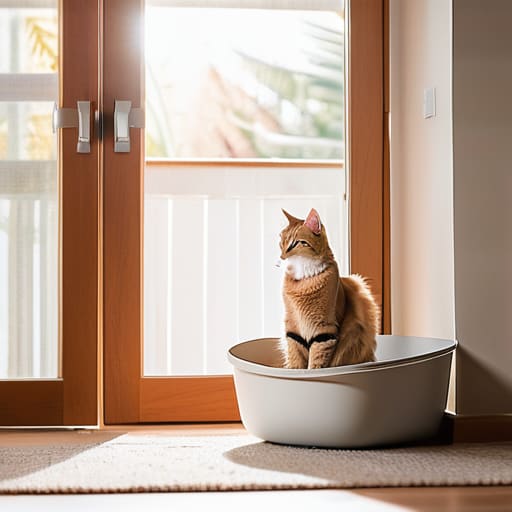
At the end of the day, picking a litter isn’t about finding a magical product that cleans itself; it’s about managing the trade-offs between your wallet, your nose, and your cat’s biology. If you go with cheap clay, you’re saving a few bucks now but paying for it later in dust and tracking. If you go natural, you’re being kind to the environment and their lungs, but you’d better be prepared to scoop more frequently to avoid a mess. Remember, the best litter is the one that keeps your cat consistently using the box without making you feel like you’re living in a dusty, scented warehouse. Watch their habits—if they start avoiding the box or straining, no amount of premium clumping sand is going to fix a medical issue.
I’ve spent three decades watching owners overlook the small things until they became big, expensive emergencies. Choosing the right litter is one of those small things that keeps your home peaceful and your cat comfortable. Don’t get paralyzed by the endless aisles of options or the marketing jargon on the bags; just trust your eyes and your cat’s behavior. You aren’t just buying sand or pellets; you’re buying a little bit of daily sanity. Take care of the basics, keep an eye on their output, and you’ll be doing more for their well-being than you realize.
Frequently Asked Questions
My cat is starting to pee outside the box; is it the litter itself, or am I looking at a UTI or something more serious?
Look, if they’re peeing outside the box, you have to play detective. If they’re squatting and nothing comes out, or they’re straining and crying, get to an emergency vet tonight—that’s a blockage, and it’s fatal within 24 to 48 hours. If it’s just a mess on the rug, it could be a UTI or crystals, or they just hate the texture of that new clay you bought. Don’t guess; get a urinalysis done.
Is there a real difference in cost between using a high-end clumping litter versus just buying the cheap stuff and scooping more often?
Look, I’ve seen people try to “save” money by buying the cheap, non-clumping dust by the bagful, and it almost always backfires. You aren’t just scooping more; you’re cleaning the whole box more often because the urine hits the bottom and turns the entire tray into a swamp. You’ll end up spending more on litter—and more on your sanity—than if you’d just bought the high-end stuff that actually stays put.
How much dust am I actually breathing in, and is it going to cause my senior cat respiratory issues?
Look, if you’re seeing a fine layer of silt on your baseboards, you’re breathing it, and so is your cat. For a senior with existing respiratory issues, that fine silica dust is a trigger, plain and simple. It’s not just “dust”; it’s particulate matter hitting their lungs. If they’re wheezing more or coughing after you scoop, stop using cheap clay immediately. Switch to a high-quality, low-dust pellet or a heavy natural substrate. It costs more upfront, but it’s cheaper than an emergency oxygen session.