
I’ve spent thirty years standing in exam rooms listening to people Google their pet’s symptoms, and frankly, it’s a miracle half of them haven’t accidentally poisoned their own animals. I’ve seen owners panic over a single soft stool because a forum post told them it was a “red flag,” and I’ve seen others wait three days too long because they thought a pumpkin puree recipe would fix a serious blockage. Knowing when diarrhoea needs a vet isn’t about following a checklist of vague symptoms you found on a lifestyle blog; it’s about recognizing the difference between a dietary indiscretion and a life-threatening crisis.
I’m not here to sell you expensive probiotics or tell you that every upset stomach requires a trip to the emergency clinic. My goal is to give you the plain truth: I’ll tell you which symptoms mean you can stay home and monitor them, and which ones mean you need to grab your keys and start driving before the sun goes down. I’ll talk about the real costs, the actual timelines, and exactly what I would do if I were standing in your shoes with a sick animal.
Table of Contents
Spotting Dog Diarrhoea Emergency Signs Before Its Too Late

Look, I’ve spent three decades watching owners stare at a puddle on the kitchen floor, trying to decide if they’re being “dramatic.” The truth is, you have to look past the stool itself and look at the animal. If your dog is passing liquid but still greeting you at the door with a wagging tail, you’ve likely got a minor upset stomach. But if you see bloody stool in pets—whether it’s bright red streaks or something that looks like dark, coffee grounds—that is a red flag. Dark, tarry stools mean digested blood from higher up in the GI tract, and that is never a “wait until morning” situation.
The real killer in these cases isn’t always the infection; it’s the fluid loss. I always tell my students that dehydration is the silent thief. If your dog is lethargic, has sunken eyes, or if their gums feel tacky rather than slippery and wet, they are already in trouble. If they are vomiting alongside the diarrhea, they can’t keep fluids down, and you are officially in a canine gastrointestinal distress scenario that requires an IV. If they’re acting like a zombie, stop reading this and start driving.
Bloody Stool in Pets Why You Cant Wait Until Monday
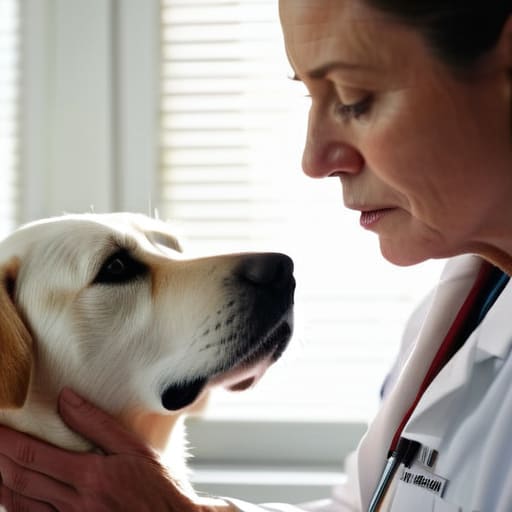
Seeing blood in the litter box or the grass is the moment most owners freeze. I’ve spent half my career standing in exam rooms watching people stare at a bloody wipe like it’s a death sentence. Here is the truth: not every speck of red is a crisis, but you have to know the difference. If it’s just a tiny streak of bright red on the surface of the stool—what we call hematochezia—it’s often just irritation in the lower colon. If they are still eating, drinking, and acting like themselves, you can likely breathe and call your regular clinic in the morning.
However, if the stool looks like dark, tarry coffee grounds, that is a different story entirely. That’s melena, which means there is bleeding higher up in the gastrointestinal tract, and it is a serious sign of canine gastrointestinal distress. When you see that dark, digested blood, or if the blood is mixed in with heavy, liquid volume, you aren’t waiting until Monday. You are looking at a potential internal bleed or a severe infection that can lead to rapid shock. If the blood is accompanied by vomiting or a refusal to eat, that is your cue to start looking up the nearest emergency clinic immediately.
The "Wait and See" Checklist: Five Things to Watch for Right Now
- Watch the hydration, not just the stool. If you pinch the skin on the back of their neck and it stays up like a little tent instead of snapping back, they are dehydrated. At that point, they aren’t just “having an upset stomach”; they are losing the battle, and they likely need subcutaneous fluids in the clinic to catch up.
- Keep a close eye on their energy levels. A dog with diarrhea who is still wagging their tail at the sound of the kibble bag is a different case than a dog who won’t even lift their head when you call them. If the lethargy is setting in, the clock is ticking.
- Track the frequency and the volume. If they are running to the yard every twenty minutes and nothing is coming out but liquid, they are going to dehydrate faster than you can say “vet bill.” I’ve seen owners try to manage this with pumpkin puree for three days, only to bring them in when the animal is crashing. Don’t do that.
- Check for vomiting alongside the diarrhea. One or the other is often manageable; both at the same time is a red flag for a blockage or a severe infection. If they can’t keep water down because they keep throwing it right back up, you aren’t waiting for Monday. You’re going to the emergency vet tonight.
- Note the color and smell, but don’t be squeamish. If it smells like something died or looks like dark, tarry coffee grounds, that’s digested blood from higher up in the GI tract. That’s not a “bland diet” fix; that’s a “get an ultrasound and a blood panel” situation.
The Bottom Line: When to Stop Watching and Start Driving
If the diarrhea is accompanied by vomiting or a refusal to drink, you aren’t just dealing with an upset stomach; you’re looking at dehydration and potential electrolyte collapse, which means an emergency clinic visit is necessary.
Always keep a close eye on their energy levels—a dog that is “off” or lethargic while having loose stools is a much higher priority than a dog that is still zooming around the yard despite the mess.
Don’t waste time or money on “miracle” over-the-counter probiotics or home remedies if you see blood or black, tarry stools; at that point, you’re just delaying professional treatment that could prevent a much larger hospital bill later.
The Cost of Waiting
“I’ve spent thirty years watching owners try to ‘wait and see’ with a loose stool, only to end up in the emergency room at 2:00 AM with a dehydrated, crashing dog and a bill that’s five times higher than a simple clinic visit would have been. If they aren’t drinking, if they’re acting limp, or if they’re passing more than just water, stop looking for home remedies on a forum and start looking for your car keys.”
Marlene Ostrowski
The Bottom Line
At the end of the day, distinguishing between a “tummy bug” and a crisis comes down to two things: what is in the stool and how the animal is acting. If it’s just a soft stool but they are still greeting you at the door and drinking water, you can likely monitor them at home. But if you see bright red blood, dark tarry messes, or if they are lethargic and refusing food, the clock is ticking. Don’t spend four hours scrolling through forums trying to find a home remedy when you should be looking for your car keys. Trust your gut instinct—if something feels fundamentally wrong, it usually is.
I know the math is hard. I know that an emergency vet bill can feel like a punch to the gut, and I’ve sat in those waiting rooms watching people cry because they had to make a choice they couldn’t afford. But I have also sat in those same rooms and watched people regret the choice they didn’t make. Being a good pet parent isn’t about having a perfect, symptom-free animal; it’s about being the person who knows when to step up and say, “We’re going now.” You are your pet’s only advocate, and sometimes the most loving thing you can do is stop waiting and start acting.
Frequently Asked Questions
My dog is still eating and drinking normally but has loose stools; do I really need to spend the money on a vet visit?
If they’re still eating, drinking, and acting like their usual self, you probably don’t need to rush to the emergency clinic tonight. A single loose stool isn’t usually a crisis. However, “watching and waiting” has a limit. If the loose stools turn into frequent, watery diarrhea, or if they stop eating, that’s when the cost of a visit becomes cheaper than the cost of treating dehydration or a blockage. Keep a close eye on them.
I've heard about using pumpkin or plain yogurt for upset stomachs—at what point do home remedies become a dangerous waste of time?
Look, pumpkin and yogurt are fine for a mild case of “he ate something weird in the yard,” provided they’re still drinking water and acting like themselves. But don’t use them as a band-aid for a crisis. If your dog is vomiting alongside the diarrhea, or if they’re acting lethargic, stop playing pharmacist. At that point, you aren’t treating a tummy ache; you’re delaying necessary medical intervention, and that’s how dehydration turns into a hospital bill you can’t afford.
How much should I expect to pay for an emergency visit versus a scheduled appointment if the diarrhoea doesn't stop?
Let’s talk numbers, because I know that’s usually why people hesitate. A standard exam for a scheduled appointment might run you $60 to $100, plus whatever diagnostics they run. But if you walk into an ER at midnight, that base exam fee alone can jump to $250 or $300 before they’ve even touched the dog. If you’re looking at bloodwork or X-rays on top of that, you’re easily looking at a $500 to $800 bill.