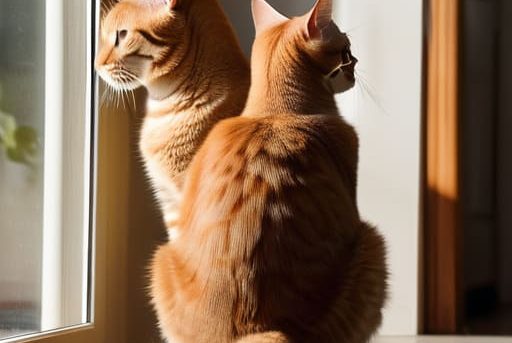
I’ve spent three decades watching people follow “expert” advice from glossy websites that suggest you need a $200 pheromone diffuser and a specialized “calming suite” to figure out how to introduce two cats. Let me tell you something: those gadgets won’t stop a territorial ambush, and they certainly won’t fix a fundamental personality clash. I’ve seen owners spend a fortune on “calming aids” only to end up in my clinic years later with a cat that has developed chronic urinary issues from pure, unadulterated stress. You don’t need a magic spray; you need a realistic understanding of feline body language and the patience to realize that sometimes, “success” just means they stop trying to kill each other in the hallway.
I’m not here to sell you a lifestyle or promise that your new kitten and your grumpy senior will be best friends by Tuesday. I’m going to give you the clinical reality of what works, what’s a waste of your money, and when to step in versus when to let them work it out. We’re going to talk about scent swapping, visual barriers, and the specific red flags that mean you need to reset the clock immediately.
Table of Contents
- Creating a Safe Space for New Kitten Survival
- Using a Feliway Diffuser for New Cats Effectively
- Five Rules for Not Letting Your Living Room Turn Into a War Zone
- The Bottom Line: When to Push On and When to Back Off
- ## The Myth of the Instant Best Friend
- When to Call It a Day (Or a Week)
- Frequently Asked Questions
Creating a Safe Space for New Kitten Survival

Before you even think about letting them sniff each other, you need to set up a base camp. I’m talking about a separate room—a bathroom or a spare bedroom—that belongs entirely to the newcomer. This isn’t just about giving them a place to nap; it’s about preventing the kind of cat territorial behavior that leads to a house full of hissing and broken furniture. They need their own litter box, their own water, and their own food, physically separated from the resident cat. If they can see each other through a glass door or a cracked door, that’s fine, but they shouldn’t be sharing air yet.
I’ve seen too many people skip this step because they think their cats are “chill,” only to end up with a bloody nose and a vet bill for a torn ear. If you want to give yourself a fighting chance, plug in a Feliway diffuser for new cats in that base camp room. While I’m always a bit skeptical of anything marketed as a “miracle cure,” the cat pheromone therapy benefits are real for lowering the baseline cortisol levels in a stressed kitten. It won’t solve a fight, but it might stop the constant, low-level tension that makes an explosion inevitable.
Using a Feliway Diffuser for New Cats Effectively

Now, let’s talk about the stuff you can buy at the pet store to help, because people love to treat these things like magic potions. You’ll see a lot of talk about feliway diffuser for new cats, and while it isn’t a miracle cure, it can take the edge off the tension. These diffusers mimic the facial pheromones a mother cat uses to soothe her kittens. It won’t stop a full-blown fight, but it can help dampen the signs of cat territorial behavior—like that frantic, obsessive spraying or the constant, high-pitched yowling at the door—that make your house feel like a war zone.
If you’re going to use it, don’t just plug it in and hope for the best. You need to plug it in in the “safe zone” you’ve already set up for the newcomer, not just in the hallway. And for heaven’s sake, give it time. It takes about two to four weeks for the concentration of pheromones to stabilize in the air. If you’re seeing actual cat aggression during introduction—I mean teeth, claws, and fur flying—a diffuser isn’t going to fix that. At that point, you need to go back to physical separation, not more aromatherapy.
Five Rules for Not Letting Your Living Room Turn Into a War Zone
- Scent swapping is non-negotiable. Don’t just let them sniff each other’s faces; take a clean sock, rub it on the new cat’s cheeks, and leave it near the resident cat’s food bowl. If they hiss at the sock, that’s fine. If they won’t eat near the scent, you’ve moved too fast.
- Watch the “body language” vs. the “noise.” A little low growling or a hiss is just them setting boundaries—it’s how cats communicate. But if you see fur flying, ears pinned flat against the skull, or one cat is cornered and panting, you break it up immediately. That’s not “settling in,” that’s a fight.
- Feed them on opposite sides of a closed door. I’m talking about a solid barrier. They need to associate the smell of the other cat with the best thing in their lives: mealtime. If you’re using a high-value wet food, do it. If they aren’t eating because they’re too stressed by the proximity, you need to put more distance between them.
- Don’t skip the vertical space. If your resident cat feels like they have to walk across the floor to get to the litter box and they run into the newcomer, you’re asking for a scrap. Make sure there are cat trees, shelves, or even just cleared-off counters so they can bypass each other without a confrontation.
- Manage your own expectations on the timeline. People ask me, “Marlene, how long until they’re friends?” The answer is: I don’t know, and it might be six months. Some cats bond in a week; some cats just reach a state of “mutual tolerance” where they stop trying to kill each other. Aim for tolerance first. Friendship is a luxury.
The Bottom Line: When to Push On and When to Back Off
Don’t mistake a little hissing for a war zone; a bit of posturing is normal, but if you see a cat stopping eating, drinking, or using the litter box, the stress has turned medical, and you need to reset the clock.
Pheromones and treats are supplements, not solutions—they won’t fix a bad introduction if you’re forcing two territorial animals into the same room before they’ve even sniffed each other through a door.
Watch the body language, not just the noise; a silent, staring cat is often much more dangerous than one that’s making a fuss, so learn the difference between a “back off” swat and a “this is happening” fight.
## The Myth of the Instant Best Friend
“I’ve spent three decades watching people try to force a ‘cute’ reunion by putting two cats in a room together because they ‘look like they’ll get along,’ only to end up with a scratched-up owner and a cat that won’t eat for three days. You aren’t being mean by keeping them separated; you’re being smart. If they aren’t communicating through a door or a screen, they aren’t ready for the living room, and forcing it won’t fix the temperament—it just breaks the trust.”
Marlene Ostrowski
When to Call It a Day (Or a Week)

At the end of the day, introducing cats isn’t a linear process. You can have the perfect Feliway setup, the most secure base camp, and a schedule that would make a drill sergeant proud, but cats don’t care about your spreadsheets. If you’ve done the slow introductions, managed the scent swapping, and kept the visual contact controlled, you’ve done your part. However, you need to know when to pivot. If you see sustained, aggressive physical combat—I mean actual fur flying and blood drawn, not just a hissed warning—you stop the process immediately. If one cat stops eating or starts hiding for more than twenty-four hours, that’s not just “stress,” that’s a medical red flag that needs a vet’s eyes. Don’t try to “tough it out” to prove you’re a good owner; listen to the animals, not your ego.
I know how exhausting this is. I’ve spent many a night sitting on the floor between two hissing cats, wondering if I’d made a massive mistake bringing a new soul into the house. It feels like you’re failing when they won’t bond on your timeline, but peace in a multi-cat household is often built in inches, not miles. Most of the time, they don’t need to be best friends who nap together; they just need to reach a state of peaceful coexistence where they can share a room without a riot. Be patient, keep your cool, and remember that some of the best bonds take the longest to forge. You’ve got this.
Frequently Asked Questions
My cats are already hissing and swatting through the door; does this mean the slow introduction method has failed?
No, it hasn’t failed, but you’ve hit the “tension phase.” Hissing and swatting through a door is actually normal—it’s them setting boundaries without actually getting hurt. It’s better they do it through a piece of wood than across your living room rug. However, if the hissing turns into frantic, non-stop yowling or if one cat stops eating or using the litter box, you’ve moved past “tension” and into “stress.” Back up a step.
How much am I actually going to spend on pheromone diffusers and calming supplements if this takes months?
Let’s talk numbers, because “peace of mind” doesn’t pay the bills. A Feliway diffuser is about $40 to $50 for a starter kit, plus $15–$20 for refills every month. If you’re adding calming chews—which are hit or miss, by the way—budget another $30 a month. If this drags on for three months, you’re looking at roughly $200. It’s an investment, but it’s cheaper than a vet visit for stress-induced cystitis.
At what point does "normal territorial behavior" turn into a medical emergency that requires a vet visit?
Look, there’s a line between “I hate that new guy” and “I am physically dying.” If they’re just hissing or swatting, they’re being jerks—that’s territorial. But if you see a cat hiding and refusing to eat for more than 24 hours, or if they stop using the litter box, that’s a medical emergency. Stress can trigger urinary blockages, especially in males, which can kill them in a day. If they aren’t eating, call the vet.