
I remember a frantic woman once standing in my exam room, clutching a $40 bottle of “electrolyte-infused hydration gel” she’d bought online, convinced it was the cure for her lethargic Lab. She was so focused on the fancy packaging that she missed the most basic clinical sign: her dog’s skin wasn’t snapping back when she pinched it. People spend a fortune on supplements and boutique powders because the internet makes it sound complicated, but learning how to recognise dehydration isn’t about expensive additives; it’s about knowing what your hands and eyes should be looking for before the crisis hits.
I’m not here to sell you a miracle tonic or give you a lecture filled with medical jargon you’ll forget by the time you reach the parking lot. I’m going to tell you exactly what to feel for, what the gums should look like, and—most importantly—when to stop googling and start driving to the emergency clinic. I’ll give you the straight truth on the signs that matter, the costs you might face, and how to tell the difference between a dry nose and a life-threatening emergency.
Table of Contents
The Dehydration Skin Turgor Test a Quick Vital Check

If you want to know if your pet is actually in trouble or just a little thirsty, you need to learn the dehydration skin turgor test. I spent three decades doing this in exam rooms, and it’s the fastest way to cut through the guesswork. Find a spot where the skin is loose—usually the scruff of the neck or the skin between the shoulder blades. You want to gently pinch a small fold of skin upward between your thumb and forefinger, lift it slightly, and then let it go.
In a hydrated dog or cat, that skin should snap back to its original position almost instantly. It’s like a rubber band. But if you’re looking at skin that stays in a tent shape, or moves back slowly like it’s made of heavy modeling clay, you aren’t just looking at a dry nose. That “tenting” is a major red flag for electrolyte imbalance indicators and significant fluid loss. If it doesn’t snap back, don’t bother looking for a bowl of water to fix it at home; that animal needs subcutaneous or IV fluids, and they need them now.
Common Causes of Fluid Loss You Cant Ignore

When I was working the floor, I learned that dehydration is rarely just about “not drinking enough water.” It’s usually the secondary symptom of something else stealing the fluids right out of them. The most frequent culprit I saw was gastrointestinal upset—vomiting and diarrhea are the heavy hitters. If your dog or cat is losing fluids from both ends, they aren’t just losing water; they are losing critical salts, which leads to those dangerous electrolyte imbalance indicators like muscle tremors or sudden lethargy. Once those levels drop, the heart and brain don’t function the same way.
Then there’s the “silent” thief: kidney issues. In my experience with senior cats, chronic kidney disease is a constant battle. They might drink more than usual, but they’re also peeing more than usual, creating a cycle where they can’t keep up with the loss. You also have to watch for heatstroke, especially in brachycephalic breeds like Pugs or Bulldogs. If they’ve been panting heavily in a warm room, they aren’t just thirsty—they are actively losing moisture through respiration. Knowing these common causes of fluid loss helps you realize that treating the thirst is often too little, too late.
Five ways to tell if they're just thirsty or actually crashing
- Check the gums, not just the nose. A dry nose means nothing—it’s a myth—but if you run your finger along their gums and they feel tacky, sticky, or like sandpaper instead of slick and wet, they are losing fluid. If they feel like leather, don’t wait for morning.
- Watch the eyes. When an animal gets severely dehydrated, the eyeballs can actually start to sink back into the sockets. It’s called enophthalmos. If your dog or cat looks like they have “sunken eyes,” that is a clinical emergency, not something you can fix with a bowl of water in the kitchen.
- Monitor the output. I don’t care how much water they’re drinking; if they aren’t peeing, or if they are peeing very small, dark, concentrated amounts, their kidneys are struggling. If the urine looks like strong tea or cola, they are in trouble.
- Look for the lethargy shift. There is a difference between a lazy senior dog and a dehydrated dog. If they aren’t just “tired” but are truly limp, won’t lift their head to greet you, or seem “out of it,” their blood pressure is likely dropping. That’s a hospital visit, not a nap.
- Track the weight loss—the real kind. If you’re seeing a sudden drop in weight alongside these symptoms, it’s usually because they’ve lost more than just fat; they’ve lost cellular fluid. If you notice a 5% drop in body weight (roughly 0.5kg for a 10kg dog) in a very short window, get them seen.
The bottom line: When to act
Don’t get distracted by a dry nose; focus on the gums and skin—if the gums are tacky or the skin stays up when you pinch it, that’s your signal to call the vet.
If your pet is also lethargic, vomiting, or refusing water, don’t wait for a scheduled appointment on Monday; head to the emergency clinic tonight.
Dehydration isn’t just a “wait and see” situation—it’s a physiological decline that can lead to organ failure, so treat a lack of response to water as a serious red flag.
## The math of a crisis
“Most people wait until their dog is lethargic to worry, but by then, you aren’t fighting a ‘dry spell’ anymore—you’re fighting organ failure. If you can’t feel moisture on those gums, or if that skin tent stays up like a piece of old leather, you’ve already missed the window for a cheap fix at the family vet and you’re looking at an expensive, frantic midnight run to the ER.”
Marlene Ostrowski
Don't wait for the crisis
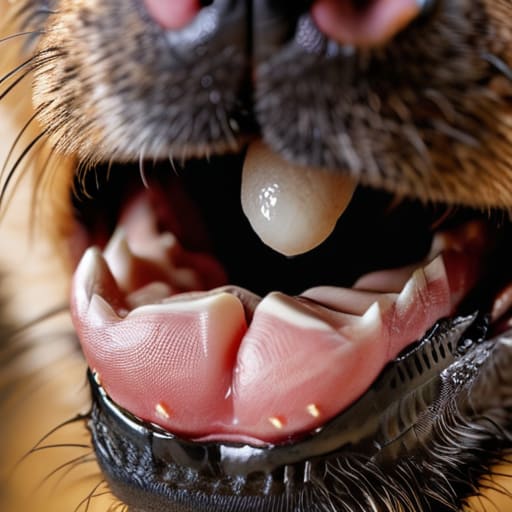
Look, I’ve seen too many people wait until their dog is lethargic and sunken-eyed before they realize something is wrong. If you’ve checked the skin turgor and found it isn’t snapping back, or if those gums feel like sandpaper instead of velvet, you aren’t just dealing with a thirsty pet. You are dealing with a physiological breakdown. Whether it’s vomiting, diarrhea, or just a heatwave, dehydration isn’t a “wait and see” situation once the clinical signs show up. Remember: a dry nose is a nuance, but tacky gums and sunken eyes are an emergency. If you are in doubt, call your vet or head to the ER; the cost of a subcutaneous fluid session is a hell of a lot lower than the cost of an intensive care stay for kidney failure.
At the end of the day, being a good pet owner isn’t about having all the answers or being a walking medical textbook. It’s about paying attention to the small shifts in their baseline. You know your animals better than any vet ever will—you know their gait, their energy, and their quirks. Trust that instinct. When you combine that intuition with a little bit of clinical common sense, you become the best line of defense they have. You can’t prevent every illness, but you can certainly prevent the delay that turns a manageable problem into a tragedy.
Frequently Asked Questions
My dog is drinking a lot more water than usual but still seems dehydrated—is that a sign of something else, like diabetes or kidney issues?
You’re hitting on exactly why I hate “forum vet” advice. Increased thirst (polydipsia) paired with dehydration is a massive red flag. It means they’re losing fluid faster than they can replace it. You’re likely looking at kidney disease, diabetes, or even Cushing’s. Don’t wait for a blood panel to confirm it; if they’re drinking like a marathon runner but still have tacky gums, get them to the clinic. It’s not a “watch and see” situation.
If I can't tell if their gums are tacky or wet because my own mouth is dry, is there another way to check?
If your mouth is bone-dry, you’re useless for a clinical assessment. Stop guessing. Instead, look at their eyes. A well-hydrated dog has bright, moist, slightly protruding eyes. If they look sunken, dull, or “sunken into the head,” that’s a red flag for severe dehydration. Also, check their capillary refill time: press your finger against the gum until it turns white, then let go. If it takes more than two seconds to turn pink again, get to the clinic.
How much does it actually cost to get a pet stabilized with IV fluids at an emergency clinic versus a regular appointment?
Look, I know the number is what keeps people paralyzed, but let’s be real. A regular vet visit for a checkup might run you $70 to $150. But an emergency stabilization? You aren’t just paying for the fluids; you’re paying for the technician, the IV catheter, the monitoring, and the emergency facility fee. Expect to walk out with a bill between $400 and $800 before they even figure out why they’re dehydrated. It’s steep, but it’s the price of staying alive.