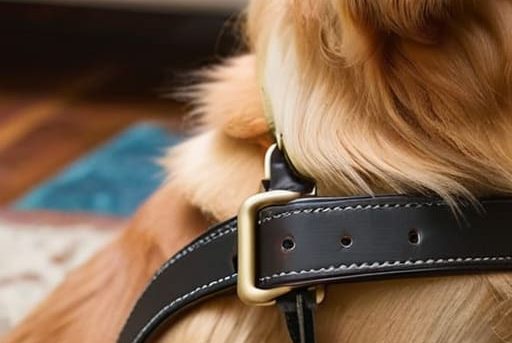
I’ve spent thirty years watching people walk into exam rooms with a dog that has a literal ring of hair worn down to the skin around its neck, or worse, a creature that’s developed a nervous tic every time they reach for a leash. Most of the advice you see online about how to choose a dog harness or collar is written by people who think “one size fits all” is a valid philosophy, or they’re trying to sell you a $60 tactical vest that’s essentially overkill for a walk to the mailbox. They don’t tell you that a poorly fitted collar can actually increase the risk of tracheal collapse in smaller breeds—and believe me, I’ve seen the coughing fits that follow a cheap, heavy collar on a Yorkie.
I’m not here to sell you on the latest designer gear or tell you that you need a specialized kit for every weather condition. What I am going to do is give you the unvarnished truth based on what I’ve seen on the exam table. We’re going to look at the actual mechanics of pullers, the specific risks for senior dogs, and how to tell if your gear is doing more harm than good before you end up with a vet bill you didn’t plan for.
Table of Contents
Harness vs Collar for Pulling Avoiding the Throat Injury
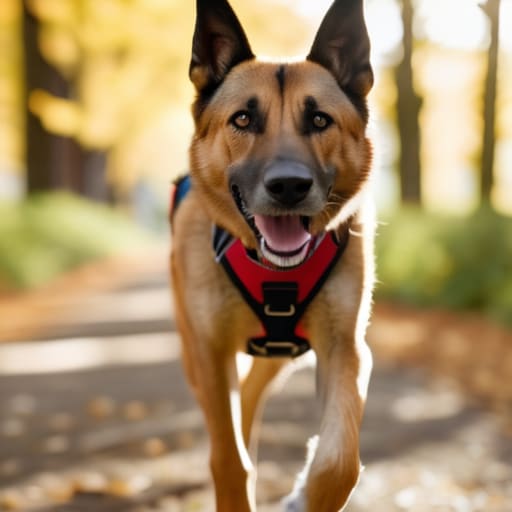
If you have a dog that treats every squirrel like a personal affront, the debate between a harness vs collar for pulling isn’t about fashion—it’s about anatomy. I’ve spent enough years assisting with tracheal collapses and thyroid issues to know that a heavy puller on a standard collar is a recipe for disaster. When a dog lunges, that collar acts like a blunt garrote against the trachea and the larynx. You aren’t just “training” them; you are physically damaging their airway every single time they decide to bolt.
This is where the no-pull harness benefits actually become medical necessities rather than just convenience. A well-fitted harness redistributes that forward force across the chest and ribcage, which are built to handle the load, rather than the delicate structures of the throat. If you’re looking at different adjustable pet harness features, prioritize those that allow for front-clip attachment. It forces the dog to turn back toward you when they pull, rather than leaning into the tension. It’s a much more humane way to manage a strong dog, and it’ll save you a massive vet bill down the road.
Why Correct Collar Size for Dogs Is a Safety Necessity
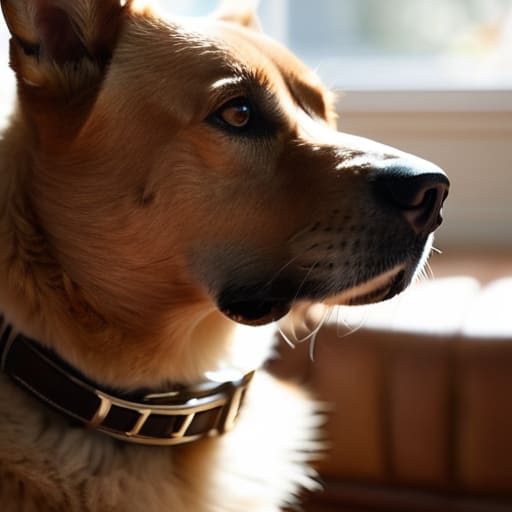
I’ve spent more time than I care to admit trying to coax a panicked, choking dog off an exam table because someone thought “one size fits most” was a good rule of thumb. When you’re looking at correct collar size for dogs, you aren’t just checking if they can breathe; you’re checking if they can escape. A collar that is too loose is an invitation for a Great Dane-sized mistake if your dog decides to bolt toward a squirrel, and a collar that is too tight is a slow-motion disaster for their trachea. I once saw a small terrier with chronic coughing that turned out to be nothing more than a collar that was a fraction too snug.
If you are looking at a dog restraint equipment guide, don’t just focus on the material. You need to look at the adjustability. A harness that doesn’t allow for seasonal changes—like when your dog is thicker in the winter or thinner in the summer—is a liability. If you can’t fit two fingers comfortably between the gear and their skin, it’s too tight. If you can fit your whole hand, it’s too loose. It sounds simple, but getting it right is the difference between a peaceful walk and a very expensive trip to the vet for a lacerated throat.
Five Things to Check Before You Click 'Buy'
- Don’t trust the weight charts on the packaging. A 20kg dog isn’t a universal standard; a thick-necked Mastiff and a lean Greyhound both weigh the same on a scale, but they need completely different gear to breathe comfortably. Use a soft measuring tape around the widest part of their chest and the base of their neck, and if you’re between sizes, go up—you can always add a layer of clothing, but you can’t fix a crushed trachea.
- Check the hardware like you’re checking a suture line. If you see cheap, lightweight plastic buckles that feel like they’ll snap if a Great Dane sneezes, put it back. I’ve seen enough “accidental escapes” at the vet clinic to know that a broken buckle is just a precursor to a very expensive emergency visit for a lost dog. Look for heavy-duty metal or reinforced nylon.
- Watch for the “friction factor.” If you’re choosing a harness, run your hand along the edges. If it feels scratchy or stiff to you, it’s going to cause skin scald or hair loss on your dog within a week. I’ve treated more cases of contact dermatitis from poorly padded harnesses than I care to admit. Look for neoprene padding or smooth-edged webbing.
- Test the “two-finger rule” immediately. Once the gear is on, you should be able to slide two fingers comfortably between the strap and your dog’s skin. Any tighter and you’re risking circulation issues or skin irritation; any looser and they’re going to slip out the second they see a squirrel.
- Consider the “emergency exit” factor. If you’re using a harness, make sure it isn’t so complex that you can’t get it off in thirty seconds. If your dog gets snagged on a branch or caught in something, you don’t want to be fumbling with five different adjustment sliders while they’re panicking. Simple, reliable, and fast is always better than “fancy.”
The Bottom Line on Gear and Safety
If your dog pulls like a freight train, stop using a standard collar immediately; you’re risking tracheal collapse or throat injury, and a vet visit for a respiratory issue will cost you significantly more than a decent harness.
Fit isn’t just about comfort; if a collar is too loose, they’re a flight risk, and if it’s too tight, you’re looking at skin irritation or nerve damage that you’ll have to pay to treat.
Don’t get caught between a cheap piece of nylon and an expensive emergency vet bill—invest in the right gear for your dog’s specific strength and temperament now so you aren’t paying for a mistake later.
The Real Cost of a Cheap Choice
“I’ve spent far too many afternoons trying to soothe a dog with a bruised trachea because someone wanted to save twenty dollars on a collar that didn’t fit. If your dog pulls, buy the harness; if you can’t afford the harness, start saving for the vet visit, because a crushed windpipe isn’t something you can fix with a home remedy.”
Marlene Ostrowski
Making the Final Call
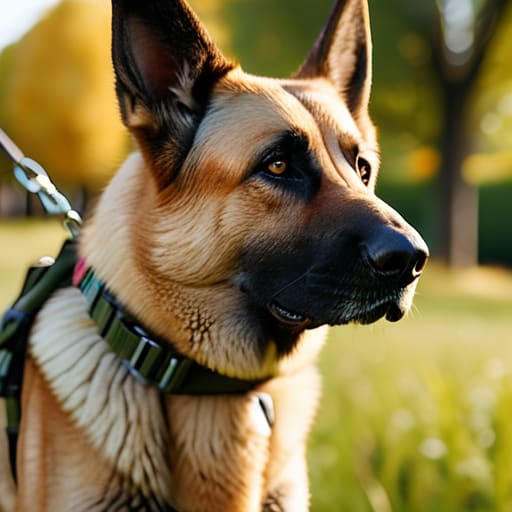
At the end of the day, there is no single “perfect” piece of gear that works for every dog, only what works for your specific dog and your specific lifestyle. If you have a powerhouse puller, stop trying to make a collar work just because it looks better in photos; get the harness and accept the reality of their strength before you end up paying a vet three hundred dollars to treat a tracheal collapse. If you are choosing a collar, check the fit every single week. I have seen far too many owners ignore a tight collar until the hair is matted and the skin is raw, and by then, you aren’t just dealing with a discomfort issue, you’re dealing with a medical necessity.
I know it feels like a lot of fuss over a bit of nylon and plastic, but I’ve spent thirty years seeing the fallout of “good enough” gear. Choosing the right equipment isn’t about being a “gear person” or following the latest trend; it is about preventative medicine that happens before you even step foot in my old clinic. You are your dog’s only advocate, and sometimes that advocacy looks like spending an extra twenty dollars on a well-fitted harness today so you don’t have to spend a thousand dollars on an emergency surgery tomorrow. Do it right, do it often, and listen to what their body is telling you.
Frequently Asked Questions
If my dog has a history of tracheal collapse, is there a specific type of harness I should be looking for to avoid making it worse?
If you’re dealing with tracheal collapse, throw the idea of a collar out the window. Even a loose one can trigger a coughing fit that turns into a crisis. You need a Y-shaped harness that distributes pressure across the chest, not the neck. Avoid anything that sits high or wraps around the throat. If you see that “goose honk” cough after a walk, your gear is failing them—and that’s when you call the vet.
How do I know if a harness is actually too tight if my dog doesn't seem to be complaining about it?
Dogs are masters at hiding discomfort, especially if they’re eager to get outside. Don’t wait for a whimper. Use the “two-finger rule”: you should be able to slide two fingers comfortably between the harness and their skin. If you can’t, it’s too tight. Also, check for “harness hair”—rubbing or thinning fur—and skin redness. If you see those, it’s not just a tight fit; it’s a friction burn waiting to happen.
At what point does a "heavy puller" transition from needing a harness to needing a specialized head halter or a different piece of equipment entirely?
If you’ve tried a front-clip harness and they’re still dragging you across the pavement like a sack of cement, it’s time to stop fighting them and change the physics. When a dog’s momentum becomes a safety risk to you or them, move to a head halter—like a Gentle Leader. It’s not about “dominance,” it’s about leverage. Just be prepared: most dogs hate the sensation at first, and you’ll need patience to get them through the transition.