
I’ve spent nearly three decades watching owners stare at their pets with that specific, hollow look of guilt, wondering if they’re doing enough or if they’re doing too much. Most of the advice you’ll find online about how to manage post operative pain is either way too clinical to be useful or, worse, it’s some “natural” remedy that won’t do a damn thing for a dog coming off general anesthesia. I’ve sat in exam rooms with people who were terrified to give a pill because they didn’t want to “mask” the pain, and I’ve seen the unnecessary suffering that causes when they wait too long. You don’t need a lecture on pharmacology; you need to know what a dog in real distress actually looks like versus a dog that’s just a little groggy from the drugs.
In this guide, I’m going to strip away the fluff and tell you what actually matters during those first few days at home. I’ll give you the real signs to watch for, the practical ways to keep them comfortable, and—most importantly—I’ll tell you exactly when “monitoring them” needs to turn into a midnight drive to the emergency vet. No fluff, no expensive nonsense, just the truth from someone who has been on both sides of the needle.
Table of Contents
- Multimodal Analgesia Techniques Why One Pill Isnt Enough
- Pain Assessment Scales Knowing What Your Pet Isnt Telling You
- Five Things I Wish Every Owner Knew Before They Left the Clinic
- The Bottom Line: When to Worry and What to Watch
- The Cost of Waiting
- When the Vet Leaves and You’re Alone
- Frequently Asked Questions
Multimodal Analgesia Techniques Why One Pill Isnt Enough
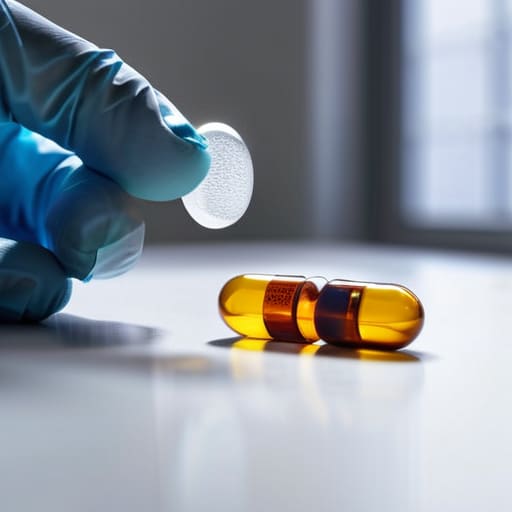
Back in the clinic, we never just relied on a single heavy-duty pill to do the heavy lifting. If we only used one type of drug, we’d have to use massive doses to keep a dog comfortable, and that’s how you end up with kidney issues or a very upset stomach. Instead, we use multimodal analgesia techniques, which is just a fancy way of saying we attack the pain from several different angles at once. Think of it like this: one drug might dull the sensation in the brain, while another works specifically at the site of the incision to reduce inflammation. By layering these different methods, we can use smaller, safer amounts of each medication to get a much better result.
This approach is also the backbone of opioid-sparing pain management. We want to keep those heavy narcotics to a minimum because they can make a pet groggy, nauseated, or even cause them to stop eating. When we combine a non-steroidal anti-inflammatory (NSAID) with something else, we’re often able to keep the pet much more “themselves” during their recovery. It’s not just about masking the pain; it’s about managing the biology of the injury so they can actually start moving again.
Pain Assessment Scales Knowing What Your Pet Isnt Telling You

The problem with animals is that they are professional liars when it comes to pain. A dog won’t whimper because he’s hurting; he’ll whimper because he’s scared, or he’ll go dead silent because he’s trying to hide his vulnerability. You can’t just wait for them to cry out. Instead, you have to look at the subtle shifts in their baseline. I spent decades watching owners stare at a sleeping pet, thinking everything was fine, while the animal was actually experiencing significant distress. You need to use actual pain assessment scales—even if it’s just a mental checklist—to look for things like muscle tension, pupil dilation, or a sudden reluctance to move.
If your pet is suddenly pacing, panting in a cool room, or refusing to lap up water, they aren’t just “being dramatic.” Those are physiological signs that their current regimen isn’t cutting it. While non-pharmacological pain relief like warm compresses or a quiet, darkened room can help, they are secondary to medical intervention. If you see those red flags, don’t try to “tough it out” until morning. Call the clinic.
Five Things I Wish Every Owner Knew Before They Left the Clinic
- Don’t play pharmacist with your own cabinets. I’ve seen too many well-meaning people try to give their dog a leftover human ibuprofen or an aspirin because “it worked for my headache.” In a dog, that’s a fast track to a perforated stomach ulcer or acute kidney failure. If it wasn’t specifically prescribed for this animal for this surgery, keep it in the cabinet.
- Watch the appetite, not just the whining. A dog that is slightly lethargic after anesthesia is normal—they’ve been under the knife, after all. But if they are refusing their entire bowl of food for more than 24 hours, or if they are refusing water, that’s a red flag. It usually means the pain isn’t being managed well enough, or they’re nauseated from the meds, and you need to call the vet to adjust the protocol.
- Manage the environment, not just the biology. You can give a cat the best buprenorphine in the world, but if you keep moving them to take photos or if the house is full of loud grandkids, they aren’t going to recover. Keep them in a small, quiet, temperature-controlled room. Think of it like a hospital ward—no visitors, no noise, just rest.
- Track the “hidden” signs of pain. Most people look for crying or limping, but in my experience, the real tells are pacing, panting when it isn’t hot, or “guarding”—where they won’t let you touch the surgical site or they’ve become uncharacteristically aggressive when you approach. If your calm senior cat is suddenly hissing at you when you walk by, they aren’t being “cranky”; they are hurting.
- Budget for the “what ifs” early. I tell people this because I’ve seen the look on a face when a $200 follow-up turns into a $1,500 emergency visit because an incision opened up or an infection set in. If you see redness, swelling, or a foul smell coming from the wound, don’t wait for the scheduled Monday appointment. Go tonight. It is significantly cheaper to treat a minor infection early than it is to treat sepsis.
The Bottom Line: When to Worry and What to Watch
Don’t just look for whining; watch for behavioral shifts like pacing, panting, or refusing to eat, because a dog that won’t settle is often in more pain than a dog that’s just vocalizing.
“Multimodal” is a fancy word for using different types of medicine to hit pain from different angles, and if your vet hasn’t suggested a combination, you need to ask why.
If the pain management plan isn’t working—meaning they are still acting “off” or restless after the prescribed dose—don’t wait for your next scheduled appointment; call the clinic or head to the ER, because uncontrolled pain is a fast track to a much bigger medical crisis.
The Cost of Waiting
“Don’t let pride or a thin wallet convince you that a dog pacing the hallway at 2:00 AM is just ‘adjusting’ to surgery; if they can’t settle down to sleep, the pain isn’t being managed, and by the time you decide to call the vet on Monday, you’re no longer treating discomfort—you’re treating a crisis.”
Marlene Ostrowski
When the Vet Leaves and You’re Alone

At the end of the day, managing pain isn’t just about handing over a bottle of gabapentin and hoping for the best. It’s about understanding that multimodal therapy—using different types of meds to hit different pain pathways—is the gold standard for a reason. You have to be the one watching the clock and the behavior. If you’ve learned to use a pain scale instead of just guessing, and you know that a dog pacing the hallway is a much bigger red flag than a dog sleeping a little longer than usual, you are already ahead of most owners. Remember: if the prescribed dose doesn’t touch the discomfort, do not try to double it up on your own. That is how we end up with liver failure or GI bleeds, and that’s a much more expensive problem than a follow-up phone call.
I know how heavy it feels to sit in a quiet house with a pet that is clearly struggling. You feel responsible for their every breath, and the fear of doing something wrong can be paralyzing. But please, trust your gut. If something feels off, it usually is. You aren’t being “dramatic” or “difficult” by calling the clinic at 8:00 PM because your cat won’t stop vocalizing; you are being an advocate. You spent your time and your hard-earned money to get them the care they need, so don’t let pride or hesitation get in the way of their recovery. You’ve got this, and they’ve got you.
Frequently Asked Questions
My dog is acting a bit lethargic after his surgery; is that just the anesthesia wearing off, or is he in too much pain?
Listen, lethargy is a gray area. If he’s just sleepy, groggy, and finally settling down after a long day, he’s likely just riding out the anesthesia. But there is a line. If he’s lethargic and won’t lift his head to eat, or if he’s lethargic and his gums look pale or tacky, that’s not sleepiness—that’s a complication. If he’s pacing or panting while “lethargic,” he’s in pain. Call the clinic.
If the prescribed pain medication is making my cat nauseous or stopping her from eating, can I just skip a dose or switch to something else?
Don’t just skip the dose. If she stops eating, you’re trading one problem for another—an empty stomach makes nausea worse, and a cat that won’t eat is a cat that risks liver issues. Call your clinic. They might switch her from an NSAID to something else or add an anti-nausea med like Cerenia. If you’re out of pocket, ask about the cost of the new script before you head in.
How much should I realistically be budgeting for extra pain management or follow-up visits if the initial meds aren't cutting it?
Budgeting for “failed” meds is smart because it happens more often than people admit. If the initial NSAID isn’t working, you aren’t just looking at a new prescription—which might run you $50 to $100 depending on the drug—but a follow-up exam fee. Expect to shell out another $75 to $150 for that visit. If they need bloodwork to ensure those new meds won’t wreck their kidneys, add another $150. Plan for $300 total.