
I once had a client who spent three weeks obsessing over the “luxury” amenities of a high-end boarding facility—heated floors, organic treats, the works—only to realize they hadn’t even checked if the facility had a protocol for a dog having a seizure. It’s a classic mistake. People spend all their time looking for the most expensive option when they should be looking for the most competent one. Learning how to find pet care while you are away shouldn’t be about finding a five-star hotel for your dog; it should be about finding someone who won’t freeze up when things go sideways at 2:00 AM.
I’m not here to sell you on a fancy app or a boutique service that charges a premium for aesthetic Instagram photos. I’m going to tell you what I learned from thirty years of seeing what happens when pet care fails. I’ll give you the specific, uncomfortable questions you need to ask a sitter, how to vet their medical literacy, and exactly what a reasonable cost looks like so you don’t get fleeced. We’re going to focus on safety and competence, because at the end of the day, your peace of mind depends on it.
Table of Contents
Pet Care Cost Estimation Why Cheaper Isnt Always Safer

Look, I’ve sat in the waiting room with owners who are shaking because they realize the “budget” sitter they hired just let their dog wander into a busy intersection, or worse, didn’t notice a subtle change in breathing until it was too late. When you’re doing a pet care cost estimation, don’t just look at the daily rate. You need to factor in the “what if” tax. A cheap boarding facility might save you fifty bucks a night, but if they lack basic medical protocols or staff who actually know how to handle a seizure, that savings evaporates the second a crisis hits.
I always tell people to look past the shiny website and dive into the gritty details of dog boarding facilities reviews. I’m looking for mentions of staffing ratios and how they handle emergencies, not just whether the lobby smells like lavender. If a sitter is charging half of what everyone else in the zip code is asking, you have to ask yourself why. Are they skipping the midday walks? Do they lack the training to spot a subtle limp? In my experience, the most expensive pet care is the kind that fails when you aren’t there to watch.
Finding Reliable Pet Caregivers Without Falling for a Forum Trap

Stop asking for recommendations in Facebook groups or local neighborhood forums. I’ve spent three decades watching people follow “advice” from a stranger who thinks a “dog lover” is the same thing as a “trained caregiver.” A neighbor might love your Golden Retriever, but if that dog has a seizure or gets stuck in a fence, does that neighbor know how to triage a crisis or call the right emergency clinic? When you’re finding reliable pet caregivers, you aren’t just looking for a warm body to refill a water bowl; you are looking for someone who understands the difference between a sleepy pup and a lethargic one.
Instead of relying on anecdotes, do your own due diligence. If you are looking at dog boarding facilities reviews, look past the five-star fluff and find the specific complaints. I want to see if people mention cleanliness, staff turnover, or how the facility handles medical instructions. If you’re choosing a sitter, ask them directly: “What is your protocol if my pet stops eating or starts vomiting?” If they give you a vague answer about “giving them extra love,” move on. You need someone with a plan, not just a personality.
The Vet Tech’s Checklist: What to Ask Before You Hand Over the Keys
- Demand a “Meet and Greet” in your actual home, not a coffee shop. I’ve seen too many sitters who are great with a golden retriever but freeze up when a senior cat starts hacking or a terrier gets territorial. You need to see how they react to your pet’s specific quirks before you’re gone.
- Ask for their specific protocol for a medical emergency. Don’t settle for “I’ll call you.” You want to hear, “I have your vet’s number, I know where the nearest 24-hour emergency clinic is, and I have your credit card on file for emergencies.” If they stumble on that, they aren’t a caregiver; they’re a neighbor doing a favor.
- Verify their medication administration experience. If your dog is on 5mg of something twice a day, don’t trust a teenager who says they’re “good with pets.” Ask them to walk you through how they handle a missed dose or a pet that refuses to swallow a pill. It’s a lot harder than it looks on a TikTok video.
- Set a strict communication schedule. I don’t need a play-by-play every hour, but I do want a photo and a “status report” once a day. If they can’t manage a daily text, they won’t manage a sudden bout of diarrhea or a change in appetite.
- Check for “The Red Flags” in their references. When you call their previous clients, don’t ask if they liked the sitter; ask if the sitter was punctual and if they noticed any subtle changes in the animals’ behavior. That’s the kind of detail that saves lives.
The Bottom Line Before You Book
Vet your sitter’s crisis plan, not just their personality; you need to know if they can spot a subtle change in a senior dog’s breathing or if they’ll just assume they’re “sleeping it off” until it’s too late.
Treat pet care like a medical expense, not a luxury; if the price seems too good to be true, it’s usually because they haven’t factored in the cost of their own liability or the actual work required to manage a pet with needs.
Trust your gut over a glowing online review; I’ve seen plenty of “five-star” sitters who are great with puppies but have no idea how to handle a cat in respiratory distress or a dog that needs insulin at 6:00 PM.
The Real Cost of a Cheap Sitter
“I’ve spent thirty years cleaning up the aftermath of ‘budget’ decisions, and let me tell you: a sitter who doesn’t know the difference between a nap and a seizure is a liability you can’t afford. You aren’t just paying for someone to scoop poop; you are paying for the person who stays calm enough to call the emergency vet when things go sideways, because a cheap sitter is a lot more expensive than a midnight ER visit.”
Marlene Ostrowski
The Bottom Line
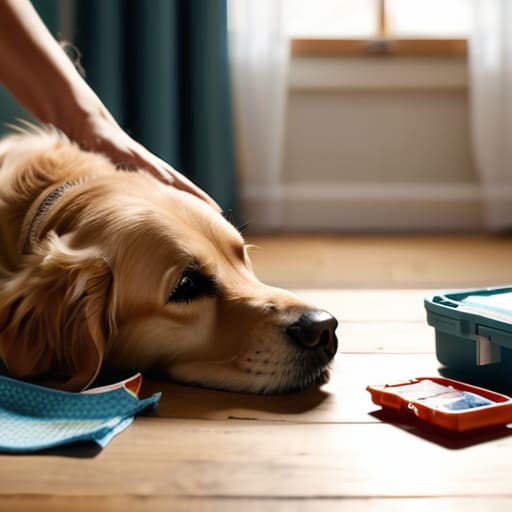
At the end of the day, finding care isn’t about finding the lowest price on an app or the person with the cutest profile picture; it’s about risk management. You have to weigh the upfront cost of a professional sitter against the astronomical price of an emergency vet visit triggered by a mistake. Remember to vet their medical literacy, confirm their emergency protocols, and never settle for a “maybe” when it comes to your pet’s safety. If you can’t get a straight answer about how they handle a crisis, that is your answer. Don’t let a desire to save fifty dollars turn into a three-thousand-dollar mistake while you’re halfway across the country.
I know it feels overwhelming to hand over the keys to your home and the life of your best friend to a stranger. I’ve stood in exam rooms and watched owners realize too late that the “budget” option didn’t know how to administer insulin or recognize a seizure. But if you do the legwork now—the interviewing, the vetting, and the hard questions—you can actually leave for your trip with a clear head. You aren’t just buying a service; you are buying the peace of mind that comes from knowing your pet is in capable hands. Do the work upfront so you don’t have to pay for it in heartache later.
Frequently Asked Questions
How do I know if a sitter is actually qualified to handle my pet's specific medical needs, like insulin shots or seizure management, versus just being a "dog lover"?
Stop asking if they “love animals”—everybody says that, and a lot of people who love animals are terrible at following a medical protocol. Ask them to demonstrate. If your cat needs 0.5 units of insulin, ask them exactly where they’ll find the syringe and how they’ll confirm the dose. If they stumble or get vague, they aren’t the one. For seizures, ask their specific plan for timing the event and when they’ll call the ER. If they don’t have a written answer, they aren’t a caregiver; they’re just a visitor.
What specific questions should I ask a boarding facility to ensure they aren't just a glorified kennel with minimal supervision?
Stop looking at the cute photos on their website and start asking about their protocols. Ask: “What is your staff-to-dog ratio during feeding and play?” and “How do you handle a medical emergency after hours?” If they can’t give you a straight answer about how they monitor sick animals or what their specific isolation protocol is for contagious diseases, walk out. You aren’t paying for a room; you’re paying for eyes on your pet.
Is it better to have someone come to my house or to board my pet, especially if my animal has high anxiety or mobility issues?
If your pet is anxious or has mobility issues, stay home. Boarding facilities are loud, smelling of stress and cleaning chemicals, and the constant turnover is a nightmare for a nervous dog. For a senior with stiff joints, a kennel floor is a slip hazard waiting to happen. Having a sitter come to your house keeps their routine intact. It’s more expensive—expect to pay a premium for house calls—but it prevents a stress-induced medical crisis.