Pet Health

Counting Sleeping Breathing Rate Catches Heart Failure Early

What a normal breathing rate looks like.

I spent twenty-eight years in a small practice where I watched people panic over every little twitch, only to realize they’d spent three hours scrolling through a frantic forum instead of actually looking at their pet. I’ve seen owners bring in dogs that were perfectly fine, just panting after a walk, and I’ve seen owners wait until Monday for an appointment when they should have been in the ER on a Sunday night. Most of the “expert” advice you’ll find online is either too vague to be useful or too clinical to be understood when you’re actually panicking. You don’t need a lecture on pulmonary mechanics; you need to know what a normal breathing rate looks like when your pet is actually resting, and more importantly, how to spot the difference between a heavy sleeper and a crisis.

I’m not here to sell you a specialized monitoring device or a subscription to a wellness app. I’m going to give you the straight truth based on three decades of watching lungs move in the exam room. I’ll show you how to count breaths properly, what numbers actually matter, and—crucially—I will tell you exactly when a change in rhythm means you need to grab your keys and head to the vet immediately.

Table of Contents

How to Measure Respiratory Rate at Home Without Panicking

How to Measure Respiratory Rate at Home Without Panicking

First, you need to settle yourself. If you’re pacing the kitchen and hyperventilating, your dog is going to pick up on that energy and start breathing faster just to match your cortisol levels. Sit on the floor near them—don’t hover over them like a looming shadow—and wait for a moment when they are resting or sleeping. I always tell new owners that the most accurate way to learn how to measure respiratory rate at home is when the animal is at their most relaxed. If they are playing with a toy or just finished a walk, the numbers will be skewed by heat or excitement, and you’ll just end up spooked for no reason.

When you start counting, don’t try to be fancy. Watch the chest rise and fall; one full cycle—up and down—is one breath. I usually count for a full sixty seconds because it’s easier than trying to multiply by two in my head when I’m tired. You’re looking for the rhythm, too. There is a big difference between shallow breathing vs deep breathing; one is a rhythmic expansion, while the other looks like they are struggling to get air into the bottom of their lungs. If you see their abdomen working hard to pull in air, stop counting and start looking for your keys.

Respiratory Rate by Age Why Puppies and Seniors Differ

Respiratory Rate by Age Why Puppies and Seniors Differ

You can’t use a one-size-fits-all number when you’re looking at a six-week-old puppy versus a twelve-year-old Lab. I spent years watching owners panic because their puppy was breathing a little fast after a nap, or conversely, worry because their senior cat seemed “too quiet.”

Puppies and kittens are metabolic engines; they are growing, burning energy, and their systems aren’t quite dialed in yet. You’ll see more fluctuation in their respiratory rate by age because their bodies are essentially under construction. It’s normal for them to be a bit more erratic, provided they aren’t showing other signs of distress.

On the flip side, my senior fosters—the ones I usually have curled up on my feet—are a different story. As animals age, heart function often declines, and that’s when you need to watch for the shift from steady breaths to shallow breathing vs deep breathing. In an older dog, a sudden increase in breaths per minute isn’t just “getting old”; it’s often the body struggling to compensate for something like congestive heart failure. If that rate climbs while they are resting, don’t wait for Monday.

Five Red Flags That Mean You Should Stop Counting and Start Driving

  • Watch the effort, not just the number. If your dog is breathing fast but their chest is moving easily, you might have an hour to call the vet. If they are using their stomach muscles to pull air in—what we call abdominal effort—that is a crisis. That’s an “ER right now” situation, not a “wait for Monday” situation.
  • The “Sleep Test” is your most reliable tool. Don’t try to count breaths while they are playing with a toy or after a walk; their heart rate will be spiked and you’ll scare yourself for no reason. Wait until they are in a deep, natural sleep. If that resting rate is consistently high, something is wrong under the hood.
  • Keep an eye on the color of the gums. I’ve seen owners staring at a respiratory rate of 40 breaths per minute while completely missing that the dog’s gums were pale or blue. If the breathing is fast and the gums aren’t a healthy, bubblegum pink, grab your keys.
  • Know your baseline. A “normal” rate for a Greyhound is going to look very different from a Pug, and a senior cat with a bit of heart disease will have a different baseline than a kitten. If you don’t know what’s normal for your specific animal, you won’t know when they’ve crossed the line.
  • Don’t ignore the “wet” sounds. A high respiratory rate paired with a cough or a rattling sound in the chest often points toward fluid in the lungs—congestive heart failure is the big one I saw constantly in the clinic. If it sounds like they’re breathing through a wet sponge, don’t wait for an appointment.

The Bottom Line: When to Watch and When to Run

Don’t count breaths while they’re playing or excited; you’ll get a false reading that’ll have you panicking for no reason. Wait until they are actually asleep or deeply relaxed to get your baseline.

A single high number isn’t always a crisis, but a trend is. If that resting rate climbs from 20 to 40 over a few hours while they’re just lying there, stop reading this and call the vet.

If the breathing looks “labored”—meaning they’re using their stomach muscles to pull air in or their neck is stretched out—don’t wait for an appointment on Monday. That’s an ER visit tonight.

The Number You Can't Unsee

“I’ve spent thirty years watching owners stare at their pets, trying to decide if a breath is just a breath or a crisis. Here is the truth: don’t look for ‘normal,’ look for a change. If your dog is resting quietly and you count thirty breaths in a minute, you’re fine; if you count forty-five and they look like they’ve just run a marathon, stop reading this and start your car.”

Marlene Ostrowski

When to Trust Your Gut and When to Call the Vet

When to Trust Your Gut and When to Call the Vet.

At the end of the day, you aren’t looking for a perfect scientific study; you’re looking for a baseline. You know your pet’s resting respiratory rate better than any textbook does. Keep those numbers in your head—or better yet, write them down—so you can tell the vet exactly what has changed. If you see a sudden jump from 20 to 40 breaths per minute while they are sleeping, or if you notice their chest moving with visible effort, stop reading this and start looking for your car keys. Don’t wait for a scheduled appointment if they are using their abdomen to pull in air or if their gums look anything less than a healthy pink. Knowing the difference between a nap and a crisis is the most important skill you can have.

I know how terrifying it is to sit there in the dark, counting breaths while your heart hammers against your ribs. I’ve sat in that same position, staring at a senior dog’s chest, praying the numbers would stay low. But remember: you are their advocate, not their doctor. You don’t need to have the diagnosis; you just need to provide the data. Being a good pet owner isn’t about never having an emergency; it’s about recognizing when one is happening and having the courage to act. You’ve got this, and your pet is lucky to have someone watching that closely.

Frequently Asked Questions

My dog is panting because it's hot outside; how do I know if he's actually struggling to breathe or just overheated?

If he’s panting because of the heat, he should settle down quickly once he’s in the AC with some water. If he’s still huffing, or if his tongue looks dusky or purple instead of bright pink, that’s not “just heat”—that’s respiratory distress. Check his effort: is his whole chest heaving, or just his belly? If he’s using his neck muscles to pull air in, stop reading this and get to the ER.

If I count his breaths and the number seems high, but he's acting totally normal, do I still need to call the vet?

If he’s acting normal—eating, drinking, and playing—you probably don’t need to bolt to the ER at 2:00 AM. But don’t ignore it. A high rate in a “normal” dog can be the first sign of heart disease or early congestive heart failure. It’s often a slow creep, not a sudden crash. Call your vet in the morning. Tell them the exact number you counted. If he starts coughing or lethargic, go tonight.

What is the actual cost difference between a standard vet visit for a breathing issue and an emergency ER trip?

Look, I know the math is what keeps people from picking up the phone. A standard office visit for a breathing check might run you $75 to $150 plus diagnostics—think X-rays or bloodwork. But if you wait until they’re blue and head to the ER at 2:00 AM, you aren’t just paying for a consultation; you’re paying a $250+ emergency exam fee before they even touch the animal. Once you add oxygen therapy and stabilization, you’re looking at hundreds, if not thousands, more.

Finding a Pulse on an Animal and Knowing What Is Normal

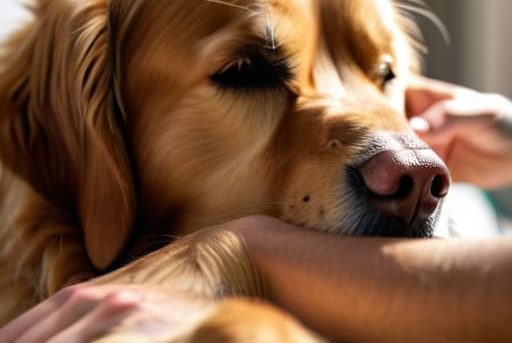
How to check a pet's heart rate.

I once spent twenty minutes in a dimly lit exam room watching a frantic owner try to use a high-tech, app-based “heart rate monitor” on a Golden Retriever that was clearly in distress. They were staring at a flickering screen while the dog’s actual chest was heaving right in front of them. It’s the same nonsense I see online every day—people looking for some magic gadget or a complicated algorithm when they should be learning the basics of how to check a pet’s heart rate with nothing but their own two hands. You don’t need a subscription service or a fancy sensor to know when something is wrong; you just need to know where to put your fingers and what a normal rhythm actually feels like.

I’m not here to sell you a piece of tech or give you a textbook lecture that ignores the reality of a panicked living room. I’m going to show you exactly how to find that pulse, how to count it without losing your mind, and—most importantly—the specific numbers that mean you can sleep easy versus the ones that mean you need to start driving to the emergency vet immediately.

Table of Contents

Finding the Rhythm by Checking Pet Pulse Through Femoral Artery

Finding the Rhythm by Checking Pet Pulse Through Femoral Artery

If you’re trying to find a pulse on a wriggling Labrador, forget the chest; you’re going to lose your mind and they’re going to lose their patience. The most reliable way is checking pet pulse through femoral artery, which is located high up on the inside of the hind leg, right where the leg meets the groin. I spent three decades teaching new techs to find this spot without bruising the animal. You’re looking for a distinct “thump” against your fingers. If you can’t find it, don’t just squeeze harder—you’ll just cause pain. Instead, try to flatten the muscle slightly to expose the vessel.

Once you find that rhythm, you need to be able to count it accurately. I always tell owners to time it for a full 15 seconds and then multiply by four. If you’re looking at a dog resting heart rate, you’re generally aiming for something between 60 and 140 beats per minute, though that varies wildly by breed and size. If that number feels like a drum solo or is incredibly faint, you aren’t just dealing with a “fast heart”—you might be seeing actual signs of pet tachycardia that require a professional’s eyes, not a Google search.

Common Cat Pulse Locations You Need to Know

Common Cat Pulse Locations You Need to Know

Now, I know what you’re thinking: “Marlene, my cat is currently trying to disembowel me, how am I supposed to find a pulse?” I get it. Cats aren’t exactly cooperative patients, especially when they’re feeling unwell. If you aren’t attempting a femoral check—which, as we discussed, is the gold standard—you’re mostly looking for a superficial pulse. You can try feeling along the underside of the jaw, just below the ear, but honestly, with a squirming feline, you’re more likely to get scratched than to find a steady beat.

The most reliable cat pulse locations for a home owner are still going to be that inner thigh area. Even if they’re hiding under the sofa, you’re looking for that rhythmic thrum against your fingertips on either side of the leg. If you can’t find it there, and you start seeing signs of pet tachycardia—where the heart is racing like a hummingbird’s wings even while they’re supposedly resting—don’t waste twenty minutes playing doctor. If the rhythm feels erratic or the speed is clearly off, stop searching for the perfect spot and start looking for your keys.

Five Rules for Not Panicking While You’re Counting

  • Stop trying to do this while they’re wrestling. If your dog is doing zoomies or your cat is mid-manic-zoom, your numbers are going to be garbage. You need them calm, or at least still, otherwise you’re just measuring excitement, not a baseline.
  • Use a timer, not your head. I’ve seen plenty of owners try to count “one-one-thousand, two-one-thousand” in their heads while they’re starting to sweat. They always lose track around beat twelve. Use your phone. Set it for 15 seconds and multiply by four, or do a full 60 seconds if you’re actually worried.
  • Learn the difference between a “thump” and a “flutter.” A steady, rhythmic beat is what we want. If it feels like a bag of marbles being shaken or a hummingbird trapped in a jar, that’s an arrhythmia. That isn’t a “wait and see” situation; that’s a “call the emergency clinic” situation.

  • Keep a log, not just a memory. If you’re managing a senior pet with a known heart murmur, one high reading doesn’t mean the world is ending, but a trend of increasing resting heart rates does. Write down the date, the time, and the beats per minute. It’s the difference between a vet saying “it’s fine” and “we need to start medication.”
  • Don’t forget the weight math. If you’re checking a pulse because they seem lethargic, remember that a 5kg cat and a 35kg dog have vastly different normal ranges. If you’re reporting a rate to a vet, tell them the animal’s approximate weight in kilograms—it saves them three questions and gets you to a diagnosis faster.

The Bottom Line on Heart Rates

Don’t just count beats; feel the quality. A steady rhythm is one thing, but if the pulse feels weak, thready, or like it’s skipping every third beat, that’s a red flag that needs a professional’s eyes, not a Google search.

Know your baseline. A resting heart rate for a 5kg cat is going to look very different from a 35kg Golden Retriever, so if you don’t know what “normal” looks like for your specific animal, you’re just guessing in the dark.

Timing is everything. If you find a racing heart, check the gums too. If they are pale or blue instead of bubblegum pink, stop trying to count the beats and get in the car—that’s an emergency, not a monitoring exercise.

## The Difference Between a Fast Heart and a Crisis

“Don’t let a racing heart scare you into a panic attack, but don’t let a ‘normal’ rhythm fool you into complacency either; I’ve seen too many people mistake a weak, thready pulse for a sleepy dog, only to realize too late that the heart wasn’t just slow—it was failing.”

Marlene Ostrowski

When to Trust Your Hands and When to Call the Vet

When to Trust Your Hands and When to Call the Vet

At the end of the day, knowing how to find that femoral pulse or count those beats per minute isn’t about becoming a doctor; it’s about becoming an advocate. You need to know what “normal” feels like for your specific animal so that you can spot the deviation before it becomes a crisis. Whether you are feeling for a steady thump in a cat’s inner thigh or counting the rapid rhythm of a nervous dog, remember that consistency is your best tool. Keep a small log in your phone of their resting rates. If you notice a sudden jump from 80 to 140 beats per minute while they are just lying there, or if that pulse feels thready and weak like a piece of wet string, do not wait for a scheduled appointment. That is the moment you stop reading and start driving.

I know how terrifying it is to sit in a dark living room at 2:00 AM, feeling a tiny chest and wondering if you’re overreacting. I have been the person on the other side of that counter, holding a trembling animal and trying to keep my voice steady for the owner. Please, listen to your gut, but trust your data more. If the numbers don’t add up and your intuition is screaming, go to the emergency clinic. It is much cheaper to pay a consultation fee for a “false alarm” than it is to pay for the intensive care required when a problem is left to fester. You are the only one who truly knows their baseline, and that makes you their most important line of defense.

Frequently Asked Questions

What if my dog is panting or excited and I can't get an accurate reading?

Look, if they’re panting or spinning in circles, stop trying to be a technician. You’re just going to stress them out more, and a stressed dog’s heart rate isn’t a clinical baseline—it’s just noise. If you can’t get a steady rhythm because they’re too worked up, don’t guess. Wait until they settle, or better yet, check their gum color. If the gums are pale or blue while they’re panting, forget the pulse and get to the ER.

How many beats per minute is actually "normal" for a small cat versus a large dog?

Don’t expect a single number to cover every animal; biology isn’t that tidy. A healthy small cat usually sits between 140 and 220 beats per minute. If you’re feeling a tiny kitten, it’ll be on the higher end. For a large dog, you’re looking at something much slower, typically 60 to 100 bpm. If that big dog’s heart is thumping at 150, or your cat is dragging at 80, stop guessing and call the clinic.

If I feel a weird skip or an extra beat, is that an immediate emergency or just a glitch?

Here’s the thing: a single skipped beat can be a fluke, especially if they just woke up or got startled. But if you feel a “gallop”—that irregular, thumping rhythm—or if that skip is followed by a sudden collapse or heavy panting, stop reading and go. An arrhythmia is a symptom, not a diagnosis. If the rhythm stays wonky for more than a minute, or if they seem “off,” it’s an emergency. Don’t wait for Monday.

Gum Colour and the Skin Tent: Two Checks Worth Learning

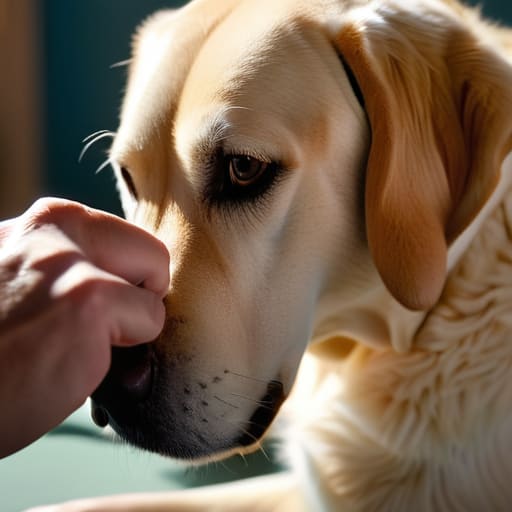
How to check a pet's gums and hydration.

I remember a Tuesday night about ten years ago, standing in a dimly lit exam room with a woman who was shaking so hard she could barely hold her cat’s carrier. She had spent three hours scrolling through a pet forum, convinced her tabby’s lethargy was just “old age” because some guy with a cartoon avatar told her so. She didn’t realize that when she finally lifted that cat’s lip, the gums weren’t just pale—they were white. If she had known exactly how to check a pet’s gums and hydration with any degree of clinical accuracy, she wouldn’t have waited until the animal was in hypovolemic shock. I’ve spent thirty years seeing that exact same look of “I thought it could wait” on owners’ faces, and frankly, it’s the most expensive mistake you can make.

I’m not here to sell you a fancy diagnostic kit or some holistic wellness supplement that costs fifty dollars a bottle. I am going to teach you the practical, hands-on reality of what you need to look for when you’re standing in your kitchen at 2:00 AM. I’ll show you how to feel for capillary refill time and how to use a simple skin tent test to see if your dog is actually dehydrated or just thirsty. I will tell you exactly which color changes mean you can sleep through the night and which ones mean you need to grab your keys and drive to the ER immediately.

Table of Contents

Checking Mucous Membrane Moisture the Color of Real Trouble

Checking Mucous Membrane Moisture the Color of Real Trouble

When I was working the floor, I didn’t care how much a client insisted their dog was “just tired.” I cared about the color of the gums. If you are checking mucous membrane moisture, you aren’t just looking for wetness; you are looking for perfusion. Healthy gums should be a consistent, bubblegum pink. If they look pale, like they’ve lost all their color, or if they have a muddy, grayish tint, that is a massive red flag. Gray or blue-ish tones are often the first signs of shock in pets, meaning their tissues aren’t getting enough oxygen. If you see that, you don’t call the clinic to leave a message; you grab the keys and head to the ER.

I also want you to look at the texture. If you run your finger along the gum line and it feels tacky or sticky—like it’s clinging to your skin—that pet is dehydrated. A healthy mouth should be slippery and slick. If it feels like sandpaper, they are losing the battle with fluid loss, and at that point, a bowl of water in the kitchen isn’t going to fix the underlying crisis.

A Pet Oral Health Inspection Guide for the Unfiltered Truth

A Pet Oral Health Inspection Guide for the Unfiltered Truth

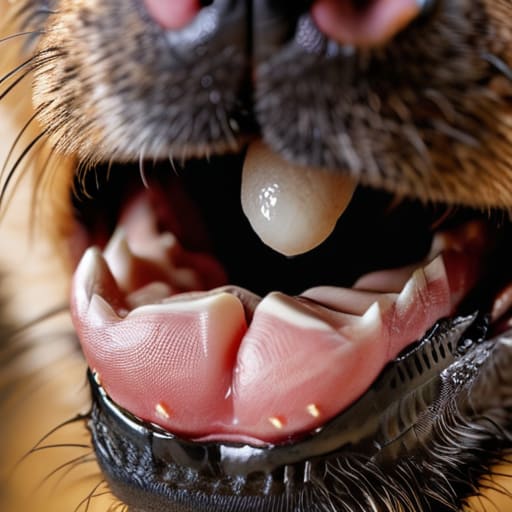
Once you’ve looked at the color, you need to feel the texture. This is a core part of any pet oral health inspection guide, and it’s often more telling than the color itself. Take your index finger and rub it firmly against their gums. They should feel slick, like the inside of your own cheek. If they feel tacky, sticky, or like sandpaper, you’re looking at a problem. In my experience, even a slight “stickiness” is a red flag. Don’t just assume they need a water bowl; if the gums aren’t wet, they aren’t absorbing enough moisture to function, and that’s when we start seeing real pet dehydration symptoms in dogs and cats.

Next, we check the skin. This is essentially a simplified version of the veterinary hydration assessment techniques we used in the clinic. Find a loose fold of skin on the back of their neck or between their shoulder blades. Gently pinch it up and let go. In a hydrated animal, that skin should snap back into place instantly. If it stays in a “tent” shape or migrates back slowly, they are significantly dehydrated. If that skin doesn’t move and their gums are pale, stop reading this and start your car.

Five Things I Wish Every Owner Knew Before the Crisis Hits

  • Stop looking for “pink” and start looking for “wet.” If you run your finger along their gums and they feel tacky, sticky, or like sandpaper, they are dehydrated. I don’t care if they’re acting fine; if those membranes aren’t slick, they’re losing fluids.
  • Learn the “Skin Tent” test, but do it right. Grab a small fold of skin on the side of their neck—not the scruff, the side—and let go. If it snaps back instantly, they’re okay. If it stays in a little tent or moves back slowly like memory foam, you aren’t waiting for a phone call on Monday; you’re heading to the clinic.
  • Keep a mental baseline for their “normal.” Every dog and cat has a slightly different shade of pink. If your 10kg terrier usually has bright coral gums and today they look like a faded carnation, that’s a change. In my experience, “different” is usually the first sign of something serious like anemia or internal bleeding.
  • Don’t mistake a “dry mouth” for just being thirsty. If they are drinking water like it’s their job but their gums still feel dry, that’s a red flag for kidney issues or diabetes. It means they’re losing what they take in, and that’s a math problem that ends at the emergency vet.
  • Check the capillary refill time (CRT) with a stopwatch or a steady count. Press your finger against the gum until it turns white, then let go. It should turn pink again in under two seconds. If it takes three or four, their circulation is struggling, and that’s a “get in the car now” situation, not a “wait and see” situation.

The Bottom Line: When to Act

If the gums are pale, white, or blue, stop reading this and get in the car; that’s a circulatory emergency, not a “wait and see” situation.

Use the “tacky test” on the gums—if they feel like tape rather than wet velvet, your pet is dehydrated and likely needs subcutaneous or IV fluids, which can run anywhere from $150 to $500 depending on the clinic.

Don’t mistake a slow recovery for health; if you’re seeing a pattern of dehydration or color changes, even if it’s mild, call your vet today instead of waiting for a weekend when the emergency fees will double.

The Difference Between a Concern and a Crisis

“I’ve spent thirty years watching people stare at their dog’s gums, hoping they’re just ‘a little pale’ because they aren’t ready for the bill or the bad news. But here is the reality: if those gums are tacky like a piece of old leather instead of slick and wet, or if they’ve turned the color of a white sheet, you aren’t looking at a ‘wait and see’ situation—you’re looking at an emergency that won’t wait for your bank account to catch up.”

Marlene Ostrowski

The Bottom Line: Trust Your Hands, Not Your Fear

The Bottom Line: Trust Your Hands, Not Your Fear

At the end of the day, checking gums and skin tenting isn’t about becoming a doctor; it’s about becoming a reliable witness for your pet. You need to know the difference between a slightly tacky mouth because they haven’t had water in an hour and the deathly pale, clammy gums that signal internal bleeding or shock. If you find yourself staring at a pet whose gums are gray, blue, or bone-white, stop searching for a forum thread and start your car. Whether it’s a simple case of mild dehydration or a life-threatening crisis, the data you gather in these few seconds—the color, the moisture, the capillary refill time—is the most valuable thing you can hand to a vet when you walk through those clinic doors.

I know that the fear of a massive vet bill or a midnight ER visit is enough to make anyone want to look the other way. I’ve sat in those waiting rooms and seen the look of pure, paralyzing regret on owners’ faces when they realize they waited one day too long. But please, remember that being a good pet parent doesn’t mean you have to be perfect; it means you have to be observant. You are the only person who knows their “normal,” and that knowledge is their greatest defense. Trust your gut, act on the clinical signs you see, and remember that an ounce of proactive care is worth more than a pound of expensive, desperate regret.

Frequently Asked Questions

My dog's gums are a little bit of a weird shade of pink, but he seems fine—should I be worried or just wait for his next checkup?

“A little bit of a weird shade” is exactly how people end up in my triage area at 2:00 AM. If those gums are pale, grayish, or even a muddy purple instead of a healthy, bubblegum pink, stop reading this and call an emergency vet. If he’s acting normal but the color is off, it could be anything from anemia to poor circulation. Don’t gamble on a Monday appointment; if the color is wrong, the clock is ticking.

I can't tell if his gums feel tacky or just naturally dry; is there a better way to check for dehydration if I'm not sure?

If you’re second-guessing the “tacky” feel, stop touching his mouth and check his skin elasticity instead. Pinch the skin between his shoulder blades—the scruff—and pull it up firmly. In a hydrated dog, it should snap back instantly. If it stays in a tent shape or drifts back slowly, he’s dehydrated. It’s a more reliable metric than finger-feel. If that skin is slow to move, stop reading this and call the vet.

If I realize my cat is dehydrated during a home check, what is the actual cost of an IV fluid session at the emergency clinic versus a regular vet visit?

If you realize they’re dehydrated, don’t panic, but don’t wait. A regular vet visit for subcutaneous fluids—the kind they just slip under the skin—might run you $150 to $300 depending on the volume. But if it’s an emergency clinic and they need a full IV catheter and intravenous fluids, you’re looking at $500 to $800 minimum once you factor in the exam fee and the nursing care. It’s a steep jump, but it’s the difference between a quick fix and a crisis.

Normal Temperature Ranges and How to Actually Take One

Guide on how to take a pet's temperature.

I can still smell the antiseptic and the underlying scent of a sick Golden Retriever from a case I handled back in ’98. The owner was frantic, staring at her phone, trying to Google “how to take a pet’s temperature” while her dog was clearly shivering and listless. She was looking for a magic answer online, but all she really needed was a steady hand and a digital thermometer. Most people think you need a medical degree or some high-tech infrared gadget to figure out if your animal is running a fever, but they end up wasting precious time—and money—chasing myths instead of looking at the actual numbers.

I’m not here to give you a textbook lecture or sell you a fancy piece of equipment you don’t need. I’m going to show you exactly how to do this without getting bitten, scratched, or making a mess of your living room. I’ll tell you what a “normal” reading actually looks like, which numbers mean you can wait until morning, and which ones mean you need to grab your keys and head to the ER right now.

Table of Contents

Why Pet Temperature Reading Accuracy Actually Matters

Why Pet Temperature Reading Accuracy Actually Matters

Look, I know nobody enjoys playing doctor with their pet, especially when you’re trying to avoid a frantic midnight run to the ER. But here is the reality: a thermometer is one of the few objective tools you actually have at home. Most people rely on how their dog or cat looks—are they lethargic? Are they hiding under the bed? Those are valid pet health indicators, but they are subjective. A pet can look perfectly fine while their internal furnace is slowly cooking them from the inside out.

If you get a reading that’s off because you used a cheap oral thermometer or you didn’t get a deep enough reading with a rectal thermometer for pets, you are flying blind. An inaccurate number might give you a false sense of security when your cat is actually mounting a fever, or it might send you into a panic over a decimal point that doesn’t matter. Getting that number right is the difference between “we can monitor this until morning” and knowing exactly when to call a veterinarian before things turn irreversible.

Choosing the Right Rectal Thermometer for Pets

Choosing the Right Rectal Thermometer for Pets

Don’t go running to the drugstore and grabbing a flimsy digital thermometer meant for a human child. I’ve seen people try it, and frankly, it’s a recipe for a broken device and a very stressed-out animal. You need a dedicated rectal thermometer for pets—one with a slim, flexible tip and a shorter probe length. Human thermometers are often too long and rigid; if you’re trying to navigate a squirming ten-pound cat, you don’t want to be fighting a piece of stiff plastic that feels like it’s going to snap.

I always tell my fosters to look for something digital with a fast readout. You want a reading in under thirty seconds if possible, because let’s be honest, most dogs aren’t going to sit still for a minute of precision. While pet temperature reading accuracy is the goal, the real priority is safety and speed. If you can, grab one that has a built-in memory function so you aren’t squinting at a tiny, blurry screen while trying to keep a heavy terrier from jumping off the exam table.

Five Things I Learned From Decades of Doing This in the Exam Room

  • Forget the oral thermometer; it’s a waste of your time and a recipe for a bitten finger. Unless you’re dealing with a very cooperative, very large dog, you need to go rectal. It’s the only way to get a reading that actually reflects their core temperature, and after thirty years, I’ve stopped apologizing for that reality.
  • Use enough lubricant to make it slide, not just a smear. I’m talking about a generous amount of water-soluble lube—not Vaseline, because that’s a nightmare to clean out—to ensure you aren’t causing discomfort or injury. If you’re struggling, you’re doing it wrong; stop, calm the animal, and try again.
  • Lubricate the thermometer, but also lube your finger. If you’re restraining a cat or a nervous terrier, you need one hand for the thermometer and the other for stability. A little bit of lube on your index finger makes the whole process faster and less stressful for both of you.
  • Watch the clock, not just the beep. Most digital thermometers take about 30 to 60 seconds. Don’t pull it out the second you hear a click; hold it steady. I’ve seen plenty of people pull it too early and get a reading that’s a full degree off, which is the difference between “call the vet Monday” and “go to the ER now.”
  • Keep a “normal” number in your head. For dogs and cats, that’s usually between 100°F and 102.5°F (37.8°C to 39.2°C). If you hit 103.5°F, you aren’t looking at a “wait and see” situation; you’re looking at a fever, and you need to be prepared to call your vet immediately.

The Bottom Line on Temperature

Don’t trust an ear thermometer or a forehead scan; if you want a number you can actually base a medical decision on, you have to go rectal, or you’re just guessing.

A temperature above 103°F (39.4°C) or below 99°F (37.2°C) isn’t a “wait and see” situation—that is a “call the emergency vet now” situation.

Keep a digital thermometer in your kit and use plenty of water-based lubricant; it’s uncomfortable for a second, but it’s a lot better than the alternative if they’re actually sick.

The Difference Between a Number and a Crisis

“I’ve spent three decades watching owners stare at a thermometer like it’s a math problem they can’t solve, but here is the reality: a temperature isn’t just a number on a screen, it’s your first real warning shot. If you’re hovering at 101, you can breathe; if you hit 104, stop reading my blog and start your car, because by the time they look lethargic, you’re already behind the curve.”

Marlene Ostrowski

The Bottom Line

The Bottom Line: Monitor pet temperature.

Look, I know nobody wakes up excited to play the part of a nurse to their own pet, especially when it involves a rectal thermometer and a bit of a struggle. But if you’ve followed what I’ve said, you know the drill: get a digital thermometer designed for medical use, use plenty of lubricant, and keep a steady hand. Remember that a normal temperature for most dogs and cats sits between 100.5°F and 102.5°F (roughly 38°C to 39.2°C). If you hit 103.5°F or drop below 99°F, stop playing detective and call your vet immediately. Don’t waste time trying to “cool them down” with a bath or waiting for the morning if they are lethargic or refusing food alongside that fever.

At the end of the day, being a pet owner is about more than just the fun stuff like walks and treats; it’s about being the one person who actually knows what’s going on when their body starts to fail. You are their only advocate. When you take that temperature, you aren’t just checking a number on a screen—you are gathering the most vital piece of data that can bridge the gap between a routine appointment and an emergency room visit. It isn’t glamorous, and it certainly isn’t easy, but your ability to stay calm and precise is exactly what will save their life when it matters most.

Frequently Asked Questions

What exactly is a "normal" temperature for a dog versus a cat, and at what specific number should I stop reading and start driving to the emergency vet?

For both dogs and cats, “normal” sits between 100.5°F and 102.5°F (38°C–39.2°C). If you’re seeing 103°F, they’re running a fever; if it’s 99°F, they’re dropping. But listen to me: if that number hits 104°F or dips below 99°F, stop reading this and start driving. Don’t wait for a callback from your vet. At those extremes, you aren’t just dealing with a sniffle; you’re dealing with potential organ failure or shock. Go now.

I've tried using a digital thermometer on my cat's mouth and it didn't work; is there any way to get an accurate reading without the rectal method?

Look, I’ll be blunt: if you aren’t going rectal, you aren’t getting a clinical reading. Oral temperatures in cats are notoriously unreliable because they pant, they lick, or they just won’t hold the probe still. You might get a number, but it’s a guess, not a measurement. If you’re trying to gauge a fever, a “guess” can be the difference between monitoring them at home and rushing to the ER. Use the rectal method. It’s unpleasant, I know, but it’s the only way to know for sure.

If my pet is shivering or acting lethargic, does that change how I should interpret the temperature reading I just took?

If they’re shivering or lethargic, that temperature reading is your most important piece of data, but don’t read it in a vacuum. Shivering can be a sign of a fever trying to break, or it could mean they’re actually hypothermic. If the number is high (over 103°F) and they’re lethargic, they’re sick. If it’s low (under 99°F) and they’re shivering, they’re crashing. In either case, stop playing thermometer and call the vet.