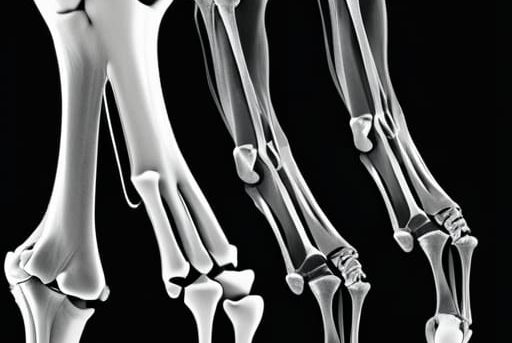
I remember sitting in a dim exam room at 2:00 AM, holding a trembling Golden Retriever while a frantic owner stared at a grainy monitor, demanding to know why the image didn’t explain why their dog was in agony. They thought the machine was a magic wand, but I had to be the one to explain what an x-ray can and cannot show while they were still processing the cost of the procedure. An X-ray is a fantastic tool for spotting a swallowed sock or a fractured femur, but it is not a crystal ball that can see a microscopic infection or the early stages of a metabolic disease.
I’m not here to give you the polished, textbook version of radiology that you’ll find in a glossy brochure. I’m going to tell you the truth about what those black-and-white shadows actually mean for your pet, which tests are worth your hard-earned money, and when a “clear” X-ray is actually a reason to worry. I’ve spent thirty years looking at these films, and I promise to give you the clinical reality without the fluff, so you know exactly when to wait and when to run.
Table of Contents
- Detecting Bone Fractures With X Ray and Why It Matters
- The Medical Imaging Limitations You Need to Understand
- Five things I wish every owner understood before they sat in the waiting room
- The bottom line: When to trust the image and when to trust your gut
- The gap between a picture and a diagnosis
- The Bottom Line on Imaging
- Frequently Asked Questions
Detecting Bone Fractures With X Ray and Why It Matters
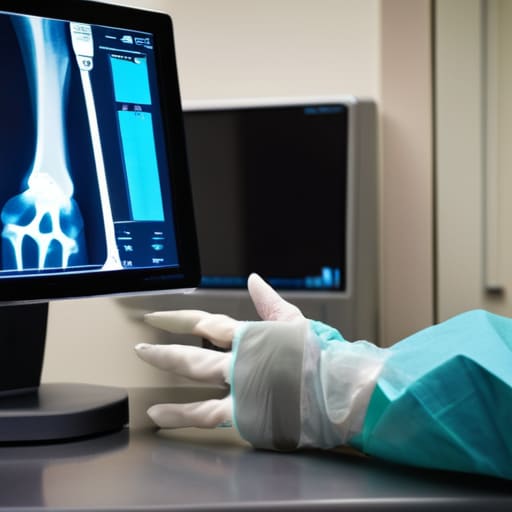
When it comes to detecting bone fractures with x-ray, this is where the technology actually shines. If your dog comes in limping after a run or a fall, the radiograph is my first stop. It’s excellent at showing me a clean break, a hairline crack, or a displaced bone fragment that’s shifted out of alignment. I can see the density of the bone clearly, which helps us determine if we’re looking at a simple fracture that needs a splint or something much more surgical.
However, here is the reality of medical imaging limitations: an x-ray is a snapshot of density, not a complete map of the injury. It won’t show me the ligament tears or the meniscus damage that is often the real reason your pet is yelping when they step down. You might see a “normal” x-ray on a screen and think everything is fine, but if the bone is intact and the dog is still non-weight bearing, we’re likely looking at soft tissue damage that an x-ray simply cannot see. That’s when we start talking about the differences between standard radiology and more advanced tools.
The Medical Imaging Limitations You Need to Understand
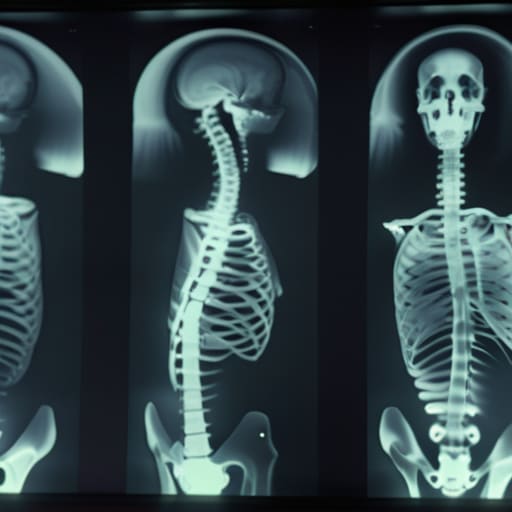
Here is the hard truth: an X-ray is a snapshot of shadows, and shadows can be incredibly deceptive. While they are excellent for seeing the hard stuff, the medical imaging limitations become glaringly obvious when we look at the “soft” parts of your pet. If your dog swallowed a piece of a tennis ball or has a massive tumor pressing against their bladder, an X-ray might show a vague, fuzzy silhouette, but it won’t give us the fine details we need to see exactly where that mass ends and the organ begins.
This is where people get frustrated, thinking the machine “missed something.” It didn’t miss it; it just wasn’t built to see it. When we talk about viewing internal organs with imaging, an X-ray is like trying to read a book through a frosted window. You can tell there is a shape there, but you can’t read the words. If your vet starts talking about an ultrasound or an MRI, don’t assume they’re just being expensive. They are looking for the texture and depth that a standard X-ray simply cannot provide.
Five things I wish every owner understood before they sat in the waiting room
- Don’t mistake a “clear” X-ray for a clean bill of health. I’ve seen plenty of dogs walk into the clinic limping like hell, only for the X-rays to come back perfect because the issue is a soft tissue tear or a ligament problem. An X-ray shows the hardware—the bones—but it doesn’t show the wiring or the rubber bands holding everything together. If your dog is hurting and the bones look fine, don’t stop looking; you’re likely looking at a soft tissue injury that needs an ultrasound or an MRI.
- If you’re worried about your dog eating something they shouldn’t, an X-ray is your best friend, but only for certain things. Metal, dense plastic, or stones show up like a beacon. But if they swallowed a piece of soft fabric or a chunk of meat, that X-ray might look as empty as my coffee cup on a Monday morning. If you suspect ingestion, don’t wait for the X-ray to “prove” it; if they’re vomiting, get them in.
- Understand that “shadows” aren’t always answers. When a vet says they see “increased soft tissue opacity” or a “shadow” in the chest, they’re telling you something is there, but they might not be able to tell you exactly what it is without more testing. It could be fluid, it could be a mass, or it could be inflammation. An X-ray is a map, not a microscope; it tells us where to start digging, not necessarily what we’ll find at the bottom of the hole.
- The cost of a “wait and see” approach is almost always higher than the cost of the X-ray itself. I know the numbers hurt—an X-ray series can easily run you anywhere from $150 to $400 depending on the clinic and how many views we need—but waiting until a “shadow” becomes a massive tumor or a “slight limp” becomes a shattered joint will cost you thousands and a much harder conversation with your vet.
- Positioning is everything, and sometimes it’s a struggle. To get a good diagnostic image, we often have to manipulate the animal to get the right angle. If your dog is in pain, they might fight us, and a blurry, poorly positioned X-ray is useless. Don’t be surprised if the tech is a bit firm or if the vet asks you to help hold them; we aren’t being mean, we’re trying to get a clear picture so we don’t miss the very thing you’re paying us to find.
The bottom line: When to trust the image and when to trust your gut
X-rays are excellent for seeing hard stuff like broken bones or swallowed objects, but they are notoriously bad at showing soft tissue issues like infections, tumors, or organ dysfunction—so if your pet looks miserable but the X-ray comes back “clear,” don’t assume they’re fine; it just means we need to look deeper.
A “normal” X-ray isn’t a hall pass to stop worrying; many serious conditions, especially in the early stages, won’t show up on a radiograph until the damage is already significant.
Don’t let the cost of imaging stop you from seeking an initial exam, but understand that if the vet suggests an X-ray, they aren’t just “checking things out”—they are looking for specific, life-altering answers that a physical exam alone cannot provide.
The gap between a picture and a diagnosis
“An X-ray is a snapshot, not a story; it’ll show me a broken femur or a swallowed sock in a heartbeat, but it won’t tell me if your dog is vomiting because of a tumor or a simple upset stomach—and if you’re banking on a black-and-white image to solve a clinical mystery, you’re going to be disappointed.”
Marlene Ostrowski
The Bottom Line on Imaging
Look, I’m not telling you this to make you doubt your vet, but to make sure you’re an informed partner in your pet’s care. An X-ray is a fantastic, relatively inexpensive tool for catching broken bones, swallowed objects, or a heart that’s getting a little too large for its chest. But it isn’t a magic wand. It won’t see the early stages of a tumor tucked inside an organ, and it won’t catch a subtle infection in the soft tissue. If your dog is lethargic and vomiting, and the X-ray comes back “clear,” don’t assume they’re fine; it just means we need to look deeper with bloodwork or an ultrasound. Knowing the limits of the machine is just as important as knowing how to read the image itself.
At the end of the day, an X-ray is just one piece of a much larger puzzle. It’s a snapshot in time, not a complete biography of your pet’s health. Use it as a guide, but always trust your gut and your observations of your animal. If the scan looks perfect but your cat is hiding under the bed and refusing food, listen to the cat, not the film. You are the one who knows their baseline, their quirks, and the way they move when they’re in pain. Use the technology to help, but never let a clear radiograph silence your intuition.
Frequently Asked Questions
If the X-ray doesn't show the soft tissue, do I have to pay for an ultrasound or an MRI just to get a real answer?
Look, I’m not going to sugarcoat it: yes, you probably will. If the X-ray shows clear bones but your dog is still acting like they’re in pain, we have to look deeper. An ultrasound is usually the next logical step for organs or bladder issues—expect to pay anywhere from $200 to $500 for that. An MRI is a whole different beast, often costing over $1,500. It’s expensive, but it’s the difference between guessing and knowing.
My dog is acting like he's in pain but the X-ray came back "normal"—does that mean he's actually fine, or did we just miss something?
It means he’s likely in pain, but the X-ray didn’t find the source. An X-ray is a snapshot of hard tissue—bones and stones. It won’t show you a torn ligament, a disc bulging on the spine, or a soft tissue infection. If he’s limping or guarding his belly but the film looks “clean,” you aren’t crazy and he isn’t faking. You aren’t looking for a broken bone; you’re likely looking for something the X-ray simply can’t see.
How much is this going to cost me if we have to move from a basic X-ray to one of those more expensive scans?
Look, I’m not going to sugarcoat it: the jump from a standard X-ray to a CT scan or an MRI is a massive one. A basic set of films might run you $200 to $400, but once you move into advanced imaging, you’re looking at $1,500 to $3,000 or more. That doesn’t even include the sedation or anesthesia required to keep them still. It’s a heavy hit, but it’s the difference between guessing and knowing.