I spent nearly three decades watching people stare at a small nick on their dog’s paw, paralyzed by a Google search that told them they needed a $500 specialist visit, or worse, convinced themselves that a glob of honey and a prayer was enough. I’ve seen the frantic, tearful owners who call the clinic at 2:00 AM because they can’t tell if a scab is doing its job or if they’re looking at a brewing abscess. There is a massive, expensive gap between “it’s just a scratch” and “this is a crisis,” and if you don’t understand how wounds heal and when to worry, you are either wasting your hard-earned money or risking your pet’s life.
I’m not here to sell you fancy antiseptic sprays or tell you that every little scrape requires a trip to the ER. I’m going to give you the clinical reality of what a healing wound actually looks like—the colors, the smells, and the textures—and exactly when those things turn into a red flag. I will tell you what is a normal part of the body’s repair process and what is a genuine emergency that requires a vet’s intervention. No fluff, no panic, just the truth from someone who has cleaned the blood off the exam table more times than I can count.
Table of Contents
Navigating the Stages of Wound Healing Without Panic
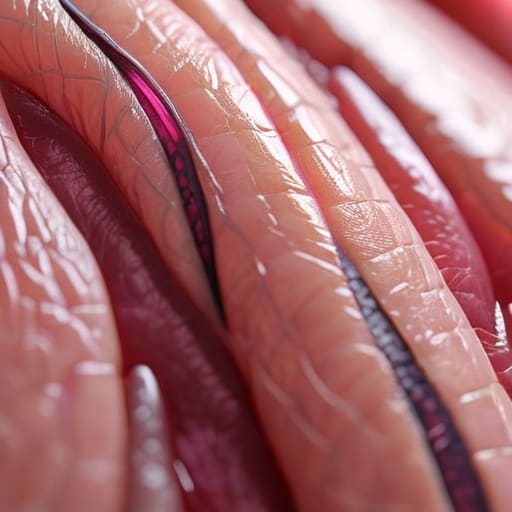
The first few days are usually the messiest. You’re looking at the inflammatory stage, where the area looks a bit red and swollen. That’s normal; the body is essentially sending a cleanup crew to the site. I’ve seen plenty of owners panic because a surgical incision looks slightly angry, but if the tissue is pink and the animal is acting like themselves, you can usually breathe. The real trouble starts when you notice the signs of wound infection—think thick, yellow discharge, a foul smell, or heat that you can actually feel radiating off the skin. If it smells like something died, it probably did.
As the wound moves into the proliferative stage, you’re looking for new, pink tissue filling in the gaps. This is where post-surgical wound care becomes a balancing act. You want it clean, but you don’t want to scrub it into oblivion. If you see the edges of a surgical site pulling apart, stop what you’re doing. That’s a major red flag for wound dehiscence, and that isn’t a “wait until morning” situation. If the gap is widening, you need to get them to the vet immediately.
Identifying the Real Signs of Wound Infection
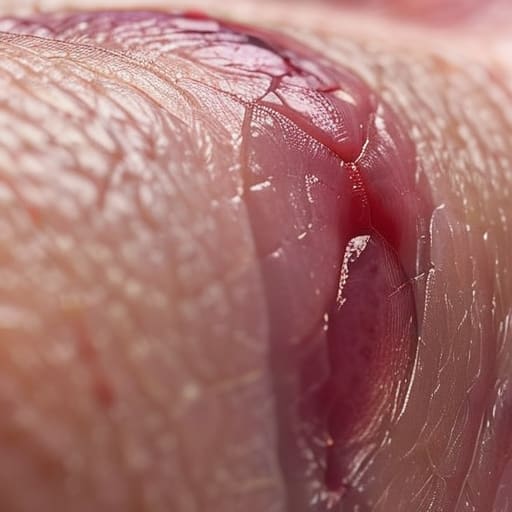
Now, here is where the rubber meets the road. I’ve spent enough years cleaning up surgical sites to know that a little redness around the edge of a cut is usually just the body doing its job. But there is a very specific line between “healing” and “trouble.” You need to look for the signs of wound infection that actually matter. If the area starts feeling hot to the touch—like you could rest your fingertip on it and feel a fever—or if you notice a foul, sickly-sweet odor, that’s not just “healing progress.” That is bacteria having a party in your pet’s tissue.
Pay close attention to the discharge, too. A little clear or slightly pinkish fluid is normal in the early stages of wound healing, but if you see thick, opaque yellow or green pus, stop reading this and start looking up the nearest emergency vet. Also, watch for wound dehiscence symptoms; if you see the edges of a surgical incision pulling apart or gaping open, that is a crisis, not a minor setback. If they stop eating or become suddenly lethargic alongside these changes, don’t wait for an appointment on Monday. Get them seen.
The "Don't Wait Until Monday" Cheat Sheet
- Stop looking for “perfection.” A healing wound is going to look a little ugly—it might be pink, slightly raised, or even a bit crusty. If it’s not oozing thick yellow pus or smelling like a trash can in July, you usually have time to breathe.
- Watch the “Heat Map.” If you touch the skin around the wound and it feels significantly hotter than the rest of their body, that’s not just “inflammation”—that’s a fever starting to cook from the inside. That’s an emergency clinic visit, not a “wait and see” situation.
- Check the behavior, not just the hole. If your dog is still eating and wagging their tail, the wound is likely behaving. If they stop eating or start hiding under the bed, the infection is likely systemic. A wound that stops a dog from eating is a wound that has become a crisis.
- Don’t play chemist with the first aid kit. I’ve seen too many people pour hydrogen peroxide or rubbing alcohol into a deep cut because they saw it on a TV show. All you’re doing is nuking the healthy cells that are trying to knit the skin back together. Clean water or a very dilute saline solution is your friend; everything else is just making the healing process take twice as long.
- The “Lick Factor” is real. You can buy the most expensive medicated spray in the world, but if your cat decides that spray tastes like a snack, you’ve wasted your money. If they won’t stop grooming the area, you need an E-collar (the “cone of shame”). It’s not fun, and it’s not pretty, but it’s much cheaper than a $1,200 surgery to repair a wound they licked into a crater.
The Bottom Line: When to Watch and When to Pay
If the wound is just a bit pink and slightly warm, you can probably monitor it at home; if it starts oozing thick yellow or green discharge, or if the skin around it feels hot to the touch, that’s an infection, and you shouldn’t wait for a scheduled appointment.
Watch the animal, not just the injury—if your dog stops eating or seems unusually lethargic alongside a wound, the infection might already be systemic, which means you’re moving from a “cheap antibiotic” situation to a “very expensive emergency” situation.
Don’t waste money on “healing salves” or home remedies you saw on a forum; most of them just trap bacteria under a layer of grease, making the problem worse and more expensive to fix when you finally do get to the clinic.
## The Cost of Hesitation
“I’ve seen too many people try to ‘wait and see’ with a wound that’s clearly gone sour, thinking they’re saving money, only to end up in the ER at 2:00 AM paying triple for a systemic infection that could have been handled with a simple round of antibiotics and a cleaning on Monday morning. In my experience, the most expensive thing you can do for a pet is wait for a crisis to become a catastrophe.”
Marlene Ostrowski
The Bottom Line on Scabs and Emergencies
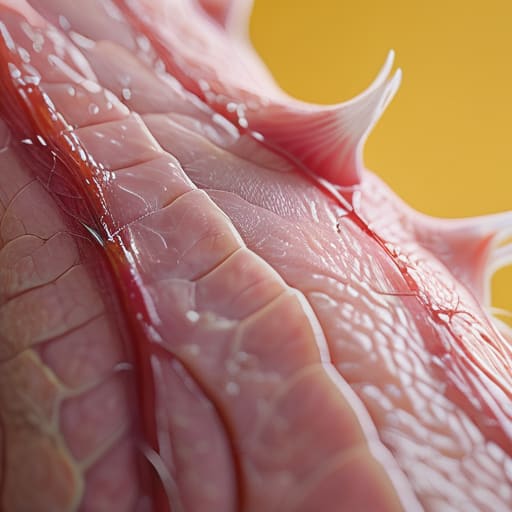
Look, I know it’s nerve-wracking to watch your dog or cat pick at a healing site, but remember that healing isn’t a straight line; it’s messy, it’s itchy, and it’s often a little bit ugly. You need to keep an eye out for the “big three”: heat, swelling, or a smell that makes you want to walk out of the room. If the wound is just a bit pink and dry, you can probably breathe easy and keep an eye on it. But if you see thick, yellow discharge or if the skin around the cut feels hot to the touch, that’s not just “part of the process.” That is a sign that the body has lost the fight and you need to call the vet immediately before a simple skin infection turns into a systemic problem that costs you a lot more than a simple cleaning.
At the end of the day, you are the one living with them, not the vet. You know their baseline better than anyone else in the building. Trust that instinct. If something feels “off”—even if you can’t quite put your finger on why—don’t let pride or a tight budget talk you out of doing the right thing. We spend our lives trying to protect them, and sometimes that means advocating fiercely when the signs tell us to. You’ve got this, and your pet is lucky to have someone who actually pays attention to the details.
Frequently Asked Questions
My dog just licked the area and it looks a little pink; is that just normal irritation or is it starting to get infected?
Look, pink is usually just irritation from the tongue—dog saliva is basically sandpaper, and they don’t know when to quit. If it’s just a little flush, keep an eye on it. But if that pink turns into a deep, angry red, or if the skin starts feeling hot to the touch or swelling up like a balloon, that’s not just “licking.” That’s an infection. If you see pus or a foul smell, stop watching and start driving.
How much am I actually going to be charged if I take him to the emergency vet for a wound that looks "angry" versus just waiting for my regular clinic to open?
Let’s talk numbers, because that’s usually why people hesitate. If you walk into an ER at 2:00 AM, you’re looking at a $150 to $250 exam fee before they even touch him. Once they start cleaning that “angry” wound and maybe flushing it with saline, you’re looking at $300 to $500 easily. If they need antibiotics or a sedative to keep him still, add another $100. Your regular vet will be cheaper, but waiting can turn a $400 fix into a $2,000 surgical crisis.
Is there any point in me cleaning this at home with peroxide or something, or am I just wasting my time and money?
Stop right there. Put the hydrogen peroxide back in the cabinet. I spent years watching owners pour that stuff into deep cuts, only to watch the tissue die because peroxide is non-selective—it kills the bacteria, sure, but it also kills the healthy cells trying to knit that wound back together. You aren’t cleaning it; you’re stalling the healing. If it’s a superficial scrape, warm water and mild soap are fine. If it’s deep, leave it alone and get it professionally debrided.