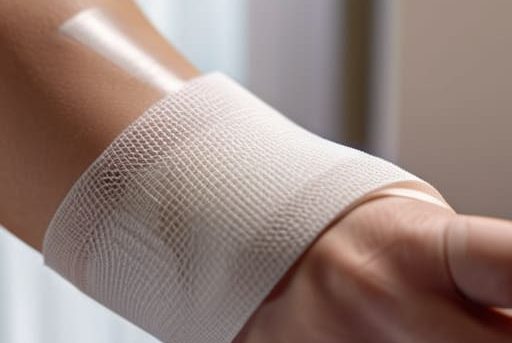
I’ve spent thirty years watching people try to play hero with a roll of duct tape and a prayer, and frankly, it’s terrifying. I can’t tell you how many times I’ve seen an owner come into the clinic with a dog whose limb is turning purple because they thought they knew how to bandage safely at home by just wrapping it as tight as possible. They read some “natural healing” forum that suggested using old rags or even saran wrap, and then they act shocked when the tissue starts dying from lack of circulation. If you’re looking for a way to turn a kitchen cupboard into a sterile surgical suite, you’re in the wrong place; medicine isn’t a DIY craft project.
What I am going to give you is the truth from someone who has cleaned up the mess when the DIY approach goes south. I’ll show you the actual supplies you need, how to check for proper tension so you don’t accidentally cut off blood flow, and—most importantly—the specific signs that mean you need to stop what you’re doing and drive to the emergency vet. I’m not here to sell you a fancy kit; I’m here to make sure you don’t make a bad situation a fatal one.
Table of Contents
Cleaning a Wound Before Bandaging to Avoid a Mess
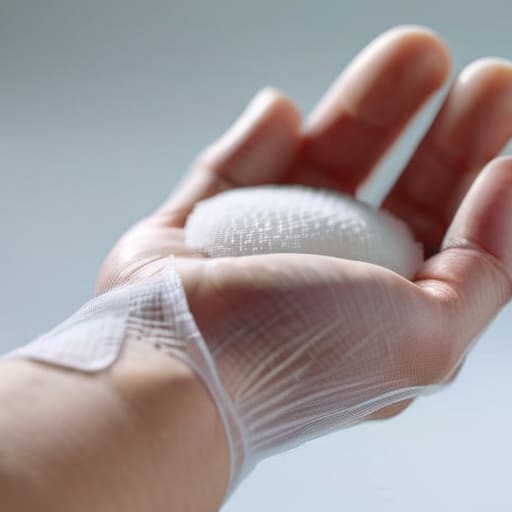
Look, if you just slap a wrap over a dirty wound, you aren’t helping; you’re just creating a warm, wet petri dish for bacteria. I’ve seen more trouble caused by “trapping the dirt in” than by the actual injury itself. Before you even touch the roll of gauze, you need to be cleaning a wound before bandaging with something that actually works. I usually reach for sterile saline or even just plain lukewarm water. If there’s grit or hair stuck in there, use a sterile gauze pad to gently dab it away. Do not scrub like you’re cleaning a kitchen floor; you’ll just tear the tissue and make the bleeding worse.
If you see thick, yellow-green discharge or if the area smells like something died under the porch, skip the home treatment. Those are textbook signs of infection in wounds, and no amount of cleaning is going to fix a systemic issue. At that point, you aren’t doing first aid; you’re delaying a vet visit that should have happened yesterday. If it’s just a clean scrape, pat it dry—bone dry—before you even think about applying pressure.
The Real Danger of Proper Bandage Tightness
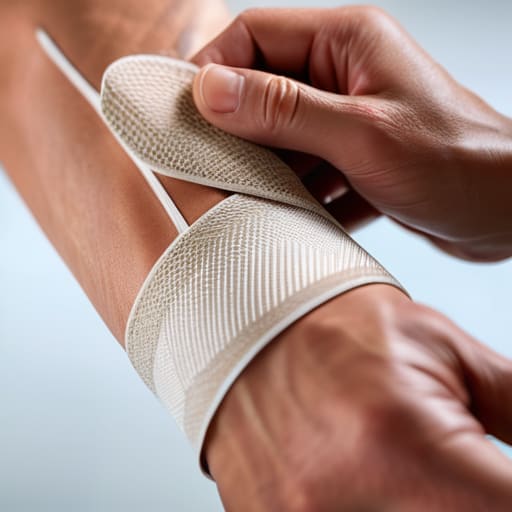
Here is the problem with most people trying first aid wound care on their own: they either wrap it like a mummy or they don’t wrap it enough. I’ve seen both. If you’re applying compression bandages to stop a bleed, you want firm pressure, but you aren’t trying to turn that limb into a tourniquet. I spent years watching owners come in with “tightly wrapped” paws only to find the tissue underneath was already turning necrotic because they cut off the circulation.
The golden rule for proper bandage tightness is the two-finger test. You should be able to snugly slide two fingers under the edge of the wrap. If you can’t, it’s too tight. If you can, it’s probably just right. You also need to watch for the “puffy” look; if the area above the bandage starts swelling, that’s your cue to strip it off and start over. If the toes feel cold to the touch or look pale, you’ve crossed the line from helpful to dangerous. Don’t wait for them to start crying; if the limb looks wrong, get it off immediately.
Five Things I Learned from Three Decades of Cleaning Up Messes
- Check the skin under the bandage every single time you wrap it. If you see swelling, or if the toes feel cold to the touch, that bandage is a tourniquet, not a dressing. Take it off immediately. I’ve seen more toes lost to “safe” bandages than to the actual injury.
- Use a non-stick layer—what we call a primary dressing—directly on the wound. If you wrap gauze directly onto a wet wound, it’s going to fuse to the tissue. When you peel that bandage off later, you aren’t just removing gauze; you’re ripping off the new skin cells the body just spent all night making.
- Don’t bother with the “home remedy” powders or ointments you saw on a Facebook group. Most of them just create a gooey, bacterial soup under the wrap. Stick to sterile saline for cleaning and leave the fancy stuff for the vet to decide on.
- Watch the “wetness factor.” If the bandage gets soaked through with discharge or water, it’s useless and dangerous. A damp bandage is a petri dish. If it’s wet, it comes off, the wound gets cleaned, and you start over with fresh, dry materials.
- Keep the “bandage thief” at bay. If your dog or cat is licking or chewing at the wrap, you aren’t helping; you’re just making the wound angry. If you don’t have an Elizabethan collar (the “cone of shame”), go buy one or borrow one. A $15 cone is a lot cheaper than a $600 surgical repair for a self-mutilated wound.
The Bottom Line Before You Start Wrapping
If the wound is deep, gaping, or won’t stop oozing after five minutes of direct pressure, skip the home bandage and head to the clinic; you can’t wrap your way out of a laceration that needs sutures.
Always check the toes every hour or two; if they feel cold to the touch or look swollen like little sausages, your bandage is too tight and you’re cutting off circulation, which leads to tissue death faster than the original injury would have.
Never wrap a wound “just to keep it clean” if it’s already heavily contaminated or smelling foul; you’ll just create a warm, wet incubator for bacteria, so clean it properly first or get professional help to debride it.
## The Cost of a Tight Wrap
“I’ve seen too many owners come in three days later with a limb that’s cold, swollen, and turning blue because they thought a ‘snug’ bandage meant ‘tight.’ If you can’t slip two fingers easily under that wrap, you aren’t protecting the wound—you’re performing a slow-motion amputation.”
Marlene Ostrowski
When to Call It a Day and Get in the Car
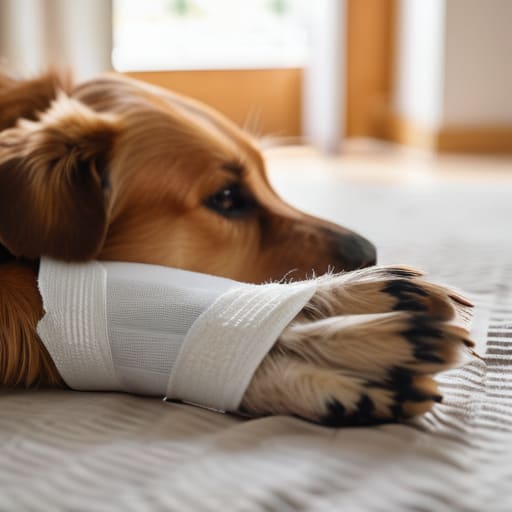
Look, if you’ve cleaned the wound properly and you’ve managed to wrap it without cutting off the circulation, you’ve done more than most. Just remember the golden rules: keep the site clean, check those toes every few hours for swelling or coldness, and for heaven’s sake, don’t let them lick it. If they start chewing at the bandage, you aren’t “protecting” them anymore; you’re just providing a buffet for bacteria. If the bandage gets wet, stinks, or starts oozing something that isn’t just a little bit of clear fluid, the home remedy phase is officially over. Stop playing nurse and call the vet.
I know it’s terrifying when your dog or cat is hurt, and I know the vet bill is the last thing you want to see on your kitchen table. But I spent three decades watching people try to “save money” by waiting an extra two days to address a wound that had gone septic, and it never ends well. Being a good pet owner isn’t about knowing every medical procedure; it’s about knowing your limits. You don’t have to be a doctor to be their hero; you just have to be the one who knows when it’s time to get professional help.
Frequently Asked Questions
How do I know if the wound is too deep or infected to even bother with a home bandage?
If you see fat—that yellowish, bubbly-looking tissue—or muscle, stop. That’s a surgical wound, not a “patch it up at home” situation. If it’s oozing thick, foul-smelling pus or the skin around it is hot and angry red, it’s already infected. At that point, a bandage just traps the bacteria inside like a warm incubator. Don’t waste time or money on home supplies; call the vet. You need antibiotics and likely sutures.
What should I do if my dog or cat keeps trying to chew the bandage off immediately?
If they’re gnawing at it, they aren’t just being “naughty”—they’re likely in pain or feeling trapped. You cannot win a wrestling match with a determined terrier. You need an Elizabethan collar (the “cone of shame”). Don’t settle for the cheap plastic ones that slip off; get a soft padded version if they’re sleeping. If you can’t afford a cone, a heavy cotton sock over the bandage can work temporarily, but if they’re shredding it, get the cone.
How often do I actually need to take the whole thing off to check the wound, and will that mess up the healing?
You check it once every twenty-four hours. That’s it. If you’re peeling it back every three hours because you’re anxious, you’re just inviting bacteria into a fresh wound and disrupting the clotting. When you do check, look for “the bad stuff”: a foul smell, green or yellow discharge, or if the skin around the bandage feels hot or swollen. If it looks clean and dry, leave it alone. Let the body do its job.