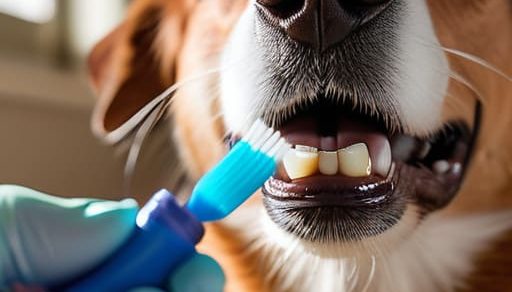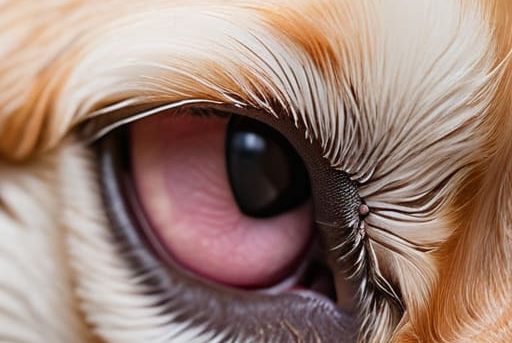
I spent twenty-eight years in a small practice, and if I had a nickel for every time an owner came in smelling that unmistakable, sickly-sweet scent of a deep yeast infection, I’d have retired much earlier. Most people think learning how to look after a dog’s ears is about buying some fancy, lavender-scented cleaning solution from a boutique website, but that’s just expensive nonsense. Real ear care isn’t about pampering your dog with overpriced wipes; it’s about knowing the difference between a little bit of natural wax and the kind of dark, coffee-ground discharge that means your dog is in actual pain.
I’m not here to sell you a lifestyle or a subscription to a “wellness” brand. I’m going to tell you exactly what you need to see, what you should actually be cleaning, and—most importantly—when to stop scrubbing and start driving to the vet. I’ll give you the practical truth about costs and timelines so you don’t end up staring at a $500 emergency bill because you tried to treat a ruptured eardrum with a home remedy.
Table of Contents
- Mastering Dog Ear Hygiene Tips Without the Drama
- How to Clean Floppy Dog Ears Without Making It Worse
- Five Things I Learned While Cleaning Ears in a Busy Clinic
- The Bottom Line: When to Clean and When to Call
- ## The Difference Between Maintenance and a Medical Emergency
- Listen to the Ears, Not the Internet
- Frequently Asked Questions
Mastering Dog Ear Hygiene Tips Without the Drama
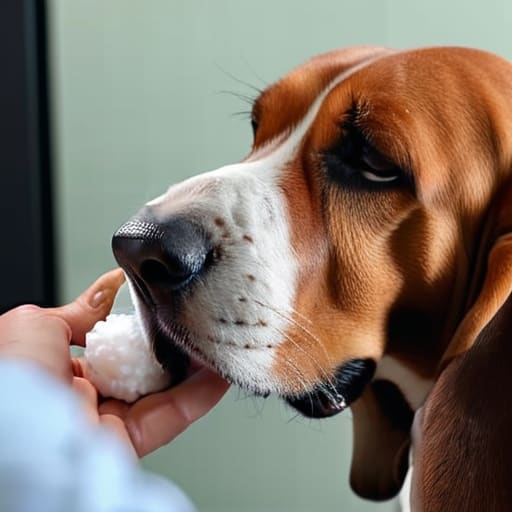
First things first: stop using Q-tips. I know, it feels intuitive, but you’re just pushing wax and debris deeper into the canal, which is a fantastic way to cause an infection. If you have a breed with heavy flaps—think Bassets or Spaniels—you need to be even more careful about how to clean floppy dog ears without trapping moisture inside. I always tell people to use a dedicated veterinary-grade cleanser; look for safe ear cleaning solutions for dogs that are pH-balanced. Avoid anything with alcohol or vinegar; they sting like hell and can irritate the delicate skin if there’s already a bit of redness.
When you’re doing a routine clean, you’re looking for a healthy, slightly pink canal with very little smell. If you catch a whiff of something sweet, yeasty, or just plain “funky,” those are classic canine ear odor causes that usually point to yeast or bacteria. Don’t just mask the smell with more cleaner. If the ear is hot to the touch or your dog flinches when you move near them, stop the DIY treatment immediately. That’s not a hygiene issue; that’s a medical one.
How to Clean Floppy Dog Ears Without Making It Worse

If you have a Basset Hound or a Spaniel, you aren’t just dealing with a pet; you’re dealing with a biological trap for moisture. Those heavy flaps act like a lid on a Tupperware container, creating the perfect dark, humid environment for yeast to throw a party. When learning how to clean floppy dog ears, the biggest mistake I see is people trying to “dig” into the canal with a Q-tip. Don’t do that. You aren’t cleaning a wound; you’re potentially pushing wax and bacteria deeper against the eardrum, which is a fast track to a much more expensive vet bill.
Instead, use a dedicated veterinary-grade cleanser—look for safe ear cleaning solutions for dogs that contain drying agents like salicylic acid. Fill the ear canal with the liquid, massage the base of the ear (you should hear a distinct squelching sound), and then let them shake. That shake is their way of doing the heavy lifting for you. If you notice a funky, sweet smell or dark discharge afterward, stop cleaning and call the vet; that’s a sign you’re dealing with an active infection, not just a bit of wax.
Five Things I Learned While Cleaning Ears in a Busy Clinic
- Stop using Q-tips like you’re cleaning your own ears. You aren’t. You’re just going to push wax and debris deeper against the eardrum, or worse, puncture it if your dog decides to sneeze mid-swipe. Use a cotton ball or a gauze pad soaked in a vet-approved cleanser and just wipe what you can reach. If you can’t see it, don’t go digging for it.
- Learn to smell the difference between “dog” and “infection.” A little bit of wax is normal, but if you catch a whiff of something sweet, yeasty, or just plain rotten, that’s not a hygiene issue—it’s a microbial one. That’s a vet visit, not a cleaning session. If it smells like old corn chips or gym socks, you’re looking at yeast or bacteria.
- Don’t get caught in the “home remedy” trap with vinegar or peroxide. I’ve seen enough inflamed, raw ear canals to know that pouring acidic stuff into an already irritated ear is a recipe for a very painful, very expensive emergency visit. If the ear is red or the skin looks angry, leave the chemicals in the pantry and call the clinic.
- Watch the head shake. If your dog is tilting their head to one side constantly or shaking it so hard they’re practically hitting themselves, don’t just keep cleaning. A constant head tilt can be a sign of an inner ear infection or even a neurological issue. That’s not something you fix with a bottle of ear wash from the pet store.
- Budget for the follow-up. If you go to the vet for an ear infection, don’t expect a one-and-done fix. You’ll likely be looking at a course of topical drops—maybe something like Osurnia or Posatex—and potentially oral antibiotics. A single exam might run you $60 to $100, but the medication is where the real cost sits. Plan for it so you don’t abandon the treatment halfway through because the bill was higher than expected.
The Bottom Line: When to Clean and When to Call
Stop cleaning if you see redness, swelling, or a foul smell; you aren’t “cleaning out an infection,” you’re just irritating raw tissue and wasting money on ear cleaner that won’t fix the underlying problem.
If your dog is head-shaking or scratching constantly, don’t try a home remedy or a “soothing” soak—that’s a clinical sign of pain or infection that needs a vet to look down the canal with an otoscope to ensure the eardrum is actually intact.
Invest in a decent, veterinarian-approved ear cleaning solution rather than the cheap stuff or water; it’s worth the extra ten dollars because it actually helps dry out the canal and prevents the yeast buildup that turns a minor irritation into a very expensive emergency visit.
## The Difference Between Maintenance and a Medical Emergency
“Don’t mistake a little bit of wax for a crisis, but if you see red, inflamed skin or smell something that reminds you of old gym socks, stop trying to clean it yourself with a cotton swab. You aren’t ‘cleaning’ an infection; you’re just pushing bacteria deeper into the canal, and by the time you realize it’s serious, you’re looking at a three-hundred-dollar diagnostic workup instead of a twenty-dollar bottle of drops.”
Marlene Ostrowski
Listen to the Ears, Not the Internet
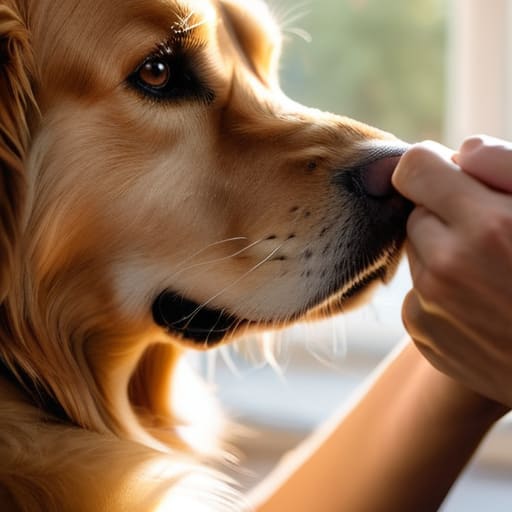
At the end of the day, ear care isn’t about buying the most expensive, lavender-scented cleaning solution on the shelf; it’s about observation. You need to know what “normal” looks like for your specific dog so you can spot the deviation. If you see that dark, coffee-ground debris, smell something sour, or notice your dog tilting their head to one side, stop reading forums and call the clinic. Cleaning an active infection with a home remedy is like trying to put out a grease fire with water—you’re just going to make the inflammation worse and push the gunk deeper into the canal. Keep your supplies simple, your technique gentle, and your eyes wide open for those subtle changes in behavior.
I know that a sudden vet bill for an ear exam and a round of otic drops can feel like a gut punch, especially when you were sure it was “just a little itch.” But I’ve spent three decades watching owners try to save fifty dollars only to end up facing a thousand-dollar surgery for a ruptured eardrum or a chronic hematoma. Taking care of your dog’s ears is a small, quiet way of being their advocate. It isn’t always glamorous, and it certainly isn’t always easy, but being proactive is the difference between a quick fix and a long, painful struggle. Trust your gut—if something feels wrong, it usually is.
Frequently Asked Questions
My dog's ears smell like corn chips or yeast—is that just normal "dog smell," or am I looking at an infection that needs a prescription?
That “corn chip” or yeasty smell isn’t just “dog smell”—it’s a biological red flag. It usually means Malassezia, a yeast overgrowth, is setting up shop in the ear canal. If the ears are also red, greasy, or your dog is obsessively scratching, you aren’t looking at a cleaning job; you’re looking at an infection. You’ll need prescription antifungal drops. Don’t waste money on over-the-counter cleaners to “wash it out”; you’ll just irritate the tissue further.
How much should I actually be budgeting for a routine ear cleaning versus a full diagnostic exam and medicated drops if it turns into something worse?
Look, if you’re just doing routine maintenance with a bottle of cleanser, you’re looking at maybe $20 to $30 a month. But if that ear is red, stinking, or painful, you aren’t just “cleaning” anymore. A diagnostic exam plus cytology—where they actually look at the swab under a microscope—will run you $75 to $150 before we even touch the medication. Once you add the medicated drops, expect that bill to hit $200 minimum.
Can I just use hydrogen peroxide or vinegar to clean them at home, or am I going to end up causing more irritation and a bigger vet bill?
Put the peroxide and the vinegar back in the pantry. I’ve spent too many afternoons flushing ears that were already raw and inflamed because an owner thought they were being “natural.” Peroxide bubbles can actually damage healthy tissue and push debris deeper, and vinegar is far too acidic for a sensitive ear canal. You’ll end up paying for an exam, a cytology, and a much more expensive prescription cleaner anyway. Stick to a pH-balanced veterinary ear cleanser.