
I’ve spent more time than I care to admit scrubbing dried, crusty exudate off my scrubs and smelling that unmistakable, yeasty scent of an untreated skin infection. Most of the “expert” advice you see online tells you to go buy a $60 artisanal, lavender-scented oatmeal shampoo or a boutique supplement that costs more than my monthly grocery bill. Let me tell you something: your dog doesn’t need a spa day, they need a functioning skin barrier. If you are looking for a magic potion to fix a chronic itch, you’re wasting your money. Learning how to care for a dog’s skin and coat isn’t about luxury products; it’s about understanding the difference between a seasonal dry patch and a deep-seated staph infection that’s going to cost you $400 in antibiotics if you wait too long.
I’m not here to sell you a lifestyle brand or a miracle cure. I’m going to give you the straight truth based on thirty years of seeing what actually works in an exam room versus what just looks pretty on an Instagram feed. I’ll show you how to spot the red flags, what’s worth your hard-earned cash, and exactly when a little itch becomes a “get to the vet tonight” emergency.
Table of Contents
- The Best Brushes for Different Coat Types and Real Results
- Using Nutritional Supplements for Canine Skin the Right Way
- Five Things Your Vet Won't Tell You While They're Trying to Finish the Exam
- The Bottom Line on Skin and Coat Care
- The Difference Between a Dry Itch and a Crisis
- When to Stop Grooming and Start Calling the Vet
- Frequently Asked Questions
The Best Brushes for Different Coat Types and Real Results
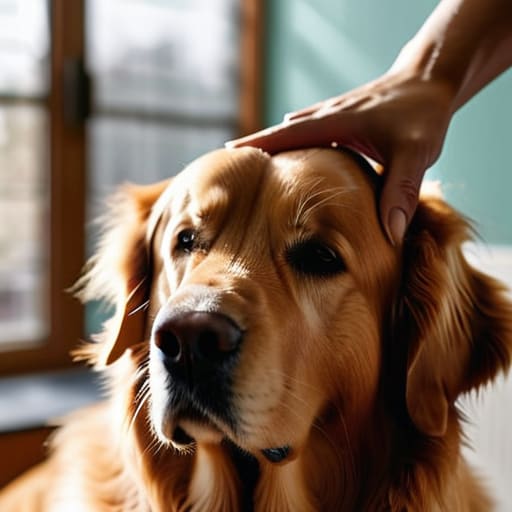
Don’t let the aisles of pet stores fool you; half of those fancy tools are just expensive plastic that does nothing but scratch the skin. If you have a double-coated breed like a Lab or a Shepherd, you need an undercoat rake to get the dead fluff out before it turns into a matted mess. For short-haired dogs, a rubber curry brush is your best friend—it massages the skin and picks up the loose hair that a standard brush misses. If you’re dealing with long, silky hair, you’ll want a slicker brush, but be careful not to press too hard, or you’ll end up with skin irritation that looks a lot like a rash.
Selecting the best brushes for different coat types is about more than just aesthetics; it’s about preventing the kind of skin-level buildup that leads to infections. I’ve seen too many owners try to use a fine-tooth comb on a thick coat, only to end up with a dog that hates being touched. If you notice your dog is constantly licking or scratching despite regular brushing, you might be looking at signs of canine skin allergies rather than just a grooming issue. At that point, no amount of brushing will fix it—you’ll need to talk to your vet about diet or medication.
Using Nutritional Supplements for Canine Skin the Right Way

Look, I’ve seen a thousand owners walk into the clinic with a bag of “miracle” supplements they bought from a social media ad, hoping to fix a skin issue that actually requires a prescription steroid. Supplements aren’t magic, and they aren’t a substitute for a vet’s diagnosis, but if you’re looking at nutritional supplements for canine skin to support a healthy barrier, you have to be smart about it. Most of what actually works comes down to high-quality omega fatty acids for dogs. I’m talking about EPA and DHA—the stuff you find in high-grade fish oils—not some cheap, rancid vegetable oil that’ll just give your dog expensive gas.
If you decide to go this route, consistency is the only way you’ll know if it’s working. You won’t see a change overnight; skin cells take weeks to turn over. If you’re adding an oil to their diet, start small. I always tell people to dose by weight—usually around 50 to 100 milligrams per kilogram of body weight, depending on the concentration—to avoid upsetting their stomach. If you see red, inflamed skin or constant licking despite the supplements, stop playing chemist and call the vet. You can’t supplement your way out of a severe allergy.
Five Things Your Vet Won't Tell You While They're Trying to Finish the Exam
- Stop over-bathing your dog just because they smell like “dog.” If you’re washing them more than once every two weeks, you’re likely stripping the natural lipids right off their skin barrier. For a dog with a dry, flaky coat, that’s like washing your own face with dish soap every single morning—you’re just creating a cycle of irritation that leads to more itching and more baths.
- Learn the difference between a “seasonal itch” and a “medical itch.” If your dog is scratching because the pollen count is up, you can usually manage that with a good antihistamine or a wipe-down after walks. But if you see localized redness, “hot spots” that feel warm to the touch, or skin that smells like old corn chips, that’s a yeast or bacterial infection. Don’t try to fix that with oatmeal shampoo; get them in for a cytology so they can get the right antibiotics.
- Check the “skin tent” and the ear canals. When you’re brushing them, don’t just look at the hair; look at the skin underneath. If the skin feels thickened or leathery, like a callus, that’s a sign of chronic inflammation. And for heaven’s sake, check the ears. A lot of what people think is a “skin allergy” is actually just a chronic ear infection that’s causing them to scratch their head and neck until they bleed.
- Be realistic about the cost of medicated shampoos. You’ll see those fancy, $60 “soothing” shampoos at the boutique pet stores, but if your dog actually has a dermatological issue, those are mostly just expensive conditioners. If a vet prescribes a chlorhexidine shampoo, it’s going to smell like a hospital and it might cost $40 a bottle, but it actually kills the bacteria. Buy the stuff that works, not the stuff that smells like lavender.
- Watch the weight, because skin issues and obesity are best friends. Carrying extra weight makes it harder for them to groom themselves, especially in the hindquarters, and it creates skin folds where moisture gets trapped and bacteria grow. If your dog is struggling to reach their back or belly, you aren’t just looking at a weight problem; you’re looking at a future skin infection problem.
The Bottom Line on Skin and Coat Care
Brushing is a diagnostic tool, not just a grooming chore; if you find hot spots, crusty patches, or thinning hair while you’re working the brush, stop the DIY treatments and call the vet—that’s an infection, not a dry patch.
Supplements like Omega-3s are a long game, not a quick fix; don’t expect a miracle after three days, and don’t waste your money on expensive “boutique” vitamins if you aren’t consistent with the dosage.
Know the difference between a seasonal itch and a crisis; if the skin is red, weeping, or smells like old corn chips, you aren’t looking at a simple allergy—you’re looking at a vet visit that needs to happen before the weekend hits.
The Difference Between a Dry Itch and a Crisis
“Don’t let a shiny coat fool you into thinking everything is fine; I’ve seen dogs with perfect fur right up until the moment they developed a deep, weeping staph infection. If you’re seeing red, angry patches that smell even slightly sweet or sour, stop looking for a better shampoo and start looking for an appointment—because by the time they start licking themselves raw, you’re no longer managing a dry skin issue, you’re managing an infection that’s going to cost you three times as much at the clinic.”
Marlene Ostrowski
When to Stop Grooming and Start Calling the Vet

At the end of the day, caring for your dog’s skin isn’t about having the most expensive shampoo or the fanciest slicker brush in the grooming aisle. It is about consistency and, more importantly, observation. You need to know what “normal” looks like for your specific dog so you can spot the deviation. Whether you are managing a dry itch with a high-quality omega-3 supplement or carefully selecting a de-shedding tool for a double coat, your goal is to maintain the barrier. But remember: if you see hot spots, weeping sores, or a sudden, intense increase in scratching, all the supplements in the world won’t fix it. At that point, you aren’t looking for a better brush; you are looking for a veterinary exam to rule out allergies, mites, or infection.
I’ve spent three decades watching people try to “wait out” a skin issue, only to end up facing a massive bill for systemic antibiotics and steroids because a simple rash turned into a secondary infection. Don’t let that be you. Treat skin care as a daily check-in, not just a chore. If you stay observant and act when the clinical signs change, you aren’t just keeping them looking pretty—you are protecting their comfort and their health. You are their only advocate, so trust your gut when something just doesn’t look right.
Frequently Asked Questions
How can I tell if my dog's itching is just seasonal allergies or something more serious like a staph infection or mange?
If it’s seasonal, you’ll see redness and sneezing, usually peaking when the pollen hits. But if you see crusty, weeping sores or smell something “yeasty”—like corn chips—you’re likely looking at a secondary staph infection. If they’re losing hair in symmetrical patches or the skin looks thickened like elephant hide, that’s mange. Don’t try to mask it with oatmeal baths. If the skin is broken or oozing, get them in tomorrow.
Are expensive prescription shampoos actually worth the money, or am I just paying for a fancy label?
Look, I’ve seen people spend $80 on a “luxury” oatmeal shampoo that’s basically just fancy soap, and I’ve seen people waste money on prescription stuff when their dog just has seasonal allergies. If your vet prescribes something like Malaseb, you aren’t paying for a label; you’re paying for active antifungal or antibacterial agents that actually kill the yeast causing the itch. If it’s just a dry coat, stick to a decent conditioner. If they’re red and stinking, buy the prescription.
My dog has a bald patch that looks red and irritated—should I try an oatmeal bath at home, or is this an emergency visit?
If that patch is just a little dry and flaky, an oatmeal bath might soothe it for a day. But if it’s bright red, weeping, or if your dog is obsessively licking it, skip the bathtub and call the vet. That’s not just “dry skin”—it’s likely an infection or an allergy that needs real medicine. An emergency visit isn’t usually necessary unless they’re lethargic, but waiting until Monday for a hot, oozing patch is how a simple fix becomes a massive bill.