I spent twenty-eight years watching people pour half their paycheck into “miracle” glucosamine chews that are basically just expensive flavored treats, only to bring their dogs in six months later when they can barely lift their heads. If you’re scrolling through forums trying to figure out how to care for a dog’s joints, you’re probably being buried under a mountain of marketing hype and “natural” remedies that haven’t been vetted by a single person with a medical degree. Most of that stuff is a waste of your money, and quite frankly, it’s a waste of your dog’s time.
I’m not here to sell you a subscription to a supplement company or tell you that a turmeric latte is going to fix a Grade IV osteoarthritic hip. I’m going to tell you what actually works, what the real-world costs look like—from cheap preventative measures to the heavy-hitting prescriptions—and, most importantly, how to tell the difference between a dog that’s just “getting old” and a dog that is in actual, measurable pain. I’ve seen it all from the other side of the exam table, and I’m going to give it to you straight.
Table of Contents
Managing Canine Osteoarthritis Before It Becomes an Emergency
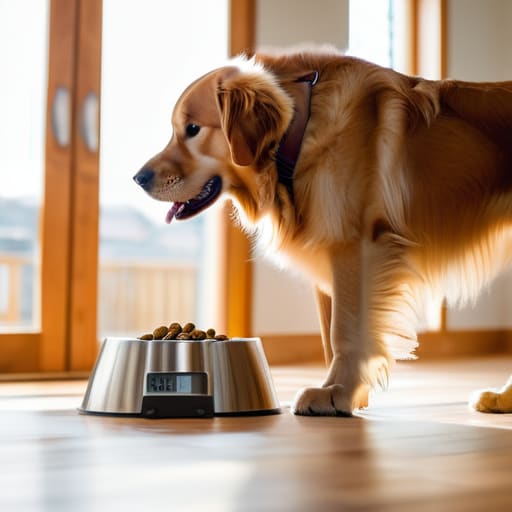
If you wait until your dog is yelping when they try to stand, you’ve already lost the battle. Managing canine osteoarthritis is about playing defense, not just reacting to a crisis. Most of what I tell clients starts with the scale, not the pharmacy. Weight management for joint health is the single most effective thing you can do; every extra pound is like carrying a heavy backpack through a minefield of inflamed cartilage. If your dog is even slightly overweight, you are making their pain much harder to control with medicine alone.
Once you have the weight under control, you look at supplements and lifestyle. I get asked about glucosamine and chondroitin for dogs constantly—and yes, they can help, but they aren’t magic pills that will fix a shredded meniscus overnight. They work best as part of a broader plan that includes high-quality omega-3 fatty acids for dogs to help dampen that systemic inflammation. You also need to rethink how they move. This isn’t the time for long hikes; think short, frequent bursts of low-impact exercise to keep the muscles from wasting away. If they lose muscle mass, their joints take the full brunt of their weight, and that’s when the expensive emergency visits start.
Weight Management for Joint Health Why Extra Pounds Kill
If you want to save money on long-term pain management, stop overfeeding your dog. I’ve spent decades watching owners walk into the clinic with dogs that are effectively carrying a heavy backpack of fat every single second of the day. Every extra pound puts exponential pressure on those degrading cartilage surfaces. You can throw all the glucosamine and chondroitin for dogs you want at them, but if they are overweight, you are essentially trying to fix a car’s suspension while driving it through deep mud. It won’t work.
Weight management for joint health isn’t just about the scale; it’s about the inflammation. Fat isn’t just dead weight; it’s metabolically active tissue that pumps out inflammatory cytokines, which actively accelerate the destruction of the joints. If your dog is starting to slow down, don’t just assume they’re “getting old.” Often, they are just carrying too much load. I always tell my foster seniors: a leaner dog is a more mobile dog. Focus on high-quality, calorie-dense portions rather than volume, and if you’re worried about their comfort while they lose the weight, invest in some quality orthopedic dog beds to support them through the transition.
The Practical Toolkit: What Actually Moves the Needle
- Get the supplements right, but don’t expect miracles. Glucosamine and chondroitin are the standard, but if you’re going to spend the money, look for something with high-quality Omega-3 fatty acids. I’ve seen owners spend fifty bucks on a fancy bottle of pills that does nothing because they didn’t realize the dose needed to be based on weight—usually around 25 to 50 mg of EPA/DHA per kilogram of body weight. If you aren’t seeing a change in their gait after six weeks, stop wasting your money and talk to your vet about something stronger.
- Fix your flooring before you fix their diet. I don’t care how expensive their kibble is if they are still slipping on hardwood or tile every time they try to get up. Those micro-slips cause tiny muscle tears and inflammation that keep them in a constant state of pain. Get the cheap yoga mats or those interlocking foam tiles from the hardware store and put them in the high-traffic areas. It’s a twenty-dollar fix that saves you a thousand-dollar vet bill for a torn CCL later.
- Stop treating “slow” like it’s just old age. When a dog starts moving slower, owners often think, “Oh, they’re just getting senior.” Usually, they aren’t just slow; they’re guarding themselves against pain. If you see them hesitating before a step or “bunny hopping” up the stairs, that is a clinical sign, not a personality trait. You can manage this with low-impact movement, but you have to address the inflammation first, or you’re just pushing a broken machine.
- Watch the stairs like a hawk. If your dog is already showing signs of stiffness, stairs are the enemy. Every time they descend a step, they are putting massive, jarring force through those front elbows and shoulders. If you can’t install a ramp, you need to be the one carrying them or using a sling—a simple towel under the belly works in a pinch—to help them up and down. It feels dramatic, but it’s better than watching them struggle and knowing you could have helped.
- Learn the math of pain medication. If your vet prescribes an NSAID like Carprofen, do not—under any circumstances—give them human Ibuprofen. I have seen too many people try to “help” their dog with what’s in the medicine cabinet, and it ends in a very expensive, very preventable trip to the ER for stomach ulcers or kidney failure. If the prescribed dose is 2.2 mg per kilogram, give them exactly that. Don’t round up because you think they “look like they need more.” Stick to the math.
The Bottom Line on Joint Care
Don’t wait for a limp to start a conversation; if your dog is slowing down or hesitating at the stairs, they aren’t just “getting old,” they’re in pain, and catching it now is significantly cheaper than treating a crisis later.
Weight is the single biggest lever you have—every extra kilogram (about 2.2 lbs) puts massive mechanical stress on those joints, so if you can’t feel their ribs, you’re making their arthritis worse.
Supplements aren’t magic bullets, but they can help; just don’t expect a bottle of glucosamine to fix a structural problem that requires actual veterinary-grade anti-inflammatories or lifestyle changes.
The Cost of Waiting
“Most owners wait until their dog is literally dragging their hindquarters across the linoleum before they realize there’s a problem, but by then, you’re not just paying for supplements anymore—you’re paying for expensive imaging, heavy-duty pain management, and the heartbreak of knowing you missed the window where a simple weight loss plan could have changed everything.”
Marlene Ostrowski
The Long Game

Look, managing joint health isn’t about one magic pill or a fancy supplement you saw on an Instagram ad. It’s about the boring, daily stuff: keeping that scale weight down, ensuring they aren’t carrying an extra kilogram of fat that’s crushing their hips, and watching for those tiny, subtle shifts in how they move. You need to know the difference between a dog who is just “getting old” and a dog who is actively in pain. If you catch the stiffness early—before they start panting or refusing the stairs—you can manage it with controlled movement and maybe some NSAIDs. If you wait until they can’t get up without help, you aren’t just looking at a vet visit; you’re looking at expensive diagnostics and much harder decisions.
I’ve spent three decades watching owners walk into my clinic with eyes full of guilt because they missed the signs for six months. Don’t let that be you. Caring for an aging dog is a marathon, not a sprint, and it requires you to be their advocate when they can’t tell you where it hurts. It isn’t always easy, and it certainly isn’t cheap, but protecting their mobility is the greatest gift you can give them in their twilight years. They’ve spent their whole lives trying to please you; the least we can do is make sure their walk to the food bowl doesn’t feel like a mountain climb.
Frequently Asked Questions
Is it worth spending the money on those expensive glucosamine chews, or am I just throwing cash down the drain?
Look, I’ve seen enough people scrape together their grocery money for those fancy, flavored chews only to realize they aren’t doing a damn thing. Most of those over-the-counter treats are glorified candy. If you want to spend money, skip the treats and ask your vet about therapeutic diets or high-quality, veterinary-grade supplements like Adequan injections or specific chondroitin formulas. They cost more upfront, but they actually target the inflammation instead of just making your dog’s breath smell like fake bacon.
My dog is limping after a walk, but they still eat and play—does this mean I need an emergency vet visit or can it wait for a regular appointment?
If they’re still eating and playing, you don’t need the ER at 2:00 AM, but you shouldn’t wait weeks either. A limp after exercise usually means inflammation or a soft tissue strain, not a broken bone. Call your vet for a regular appointment this week. If the limp turns into a refusal to stand or they start panting heavily from pain, that’s when the timeline shifts from “Monday” to “Tonight.”
How much weight loss is actually "safe" before I risk hurting my dog's metabolism or causing other issues?
Look, I’ve seen owners try to “starve” a dog into fitness because they’re scared of the vet bill, and that’s how you end up with a metabolic disaster. You aren’t looking for a crash diet. Aim for about 1% to 2% of their total body weight per week. If your 30kg dog loses more than 0.6kg in seven days, you’re moving too fast and risking muscle wasting. Slow and steady keeps the joints moving without crashing the engine.