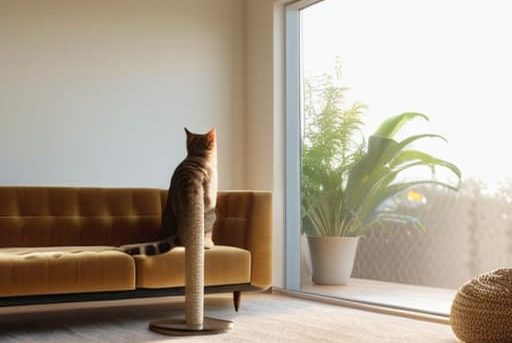
If you’ve spent more than five minutes scrolling through pet blogs, you’ve probably seen someone suggesting you buy a $200 “anti-scratch” training kit or spray your expensive linen sofa with some overpriced citrus mist that smells like a cheap cleaning product. Let me save your money right now: most of those products are a complete waste of time. If you are searching for how to stop a cat scratching furniture, you aren’t looking for a magic spray; you’re looking for a way to understand why your cat thinks your mid-century modern armchair is the best thing since sliced bread. I’ve spent thirty years seeing owners frustrated by “behavioral issues” that were actually just a lack of proper environmental enrichment or, occasionally, a sign of something more clinical.
I’m not going to give you a list of miracle cures that don’t work. Instead, I’m going to tell you what I learned from three decades in a vet clinic and a lifetime of living with cats who have very strong opinions about upholstery. We are going to talk about the actual mechanics of scratching, the cost-effective tools that actually hold up, and how to tell the difference between a bored kitty and a cat that is scratching because they are in pain. No fluff, no expensive nonsense—just practical reality.
Table of Contents
Redirecting Cat Scratching Habits Without Making Them Feel Punished

First thing you need to understand is that your cat isn’t being a jerk; they are fulfilling feline scratching instincts that are hardwired into their DNA. If you try to punish them—shouting, spraying water, or slapping a paw—you aren’t fixing the behavior; you’re just teaching them to be afraid of you. In my thirty years in the clinic, I’ve seen more “behavioral” issues stem from a broken bond than from actual aggression. Instead of being the enemy, you have to become the provider of better options.
The goal of redirecting cat scratching habits is to make the furniture unappealing and the new post irresistible. Don’t just buy any cheap cardboard slab; look for the best materials for scratching posts, like heavy-duty sisal or wood, that mimic the resistance they crave. Place these new targets directly next to the piece of upholstery they are currently destroying. If they go for the sofa, a firm “no” is fine, but immediately guide them to the post and reward them when they use it. You’re not training a criminal; you’re managing a biological need.
When to Worry Is It Behavior or a Medical Issue
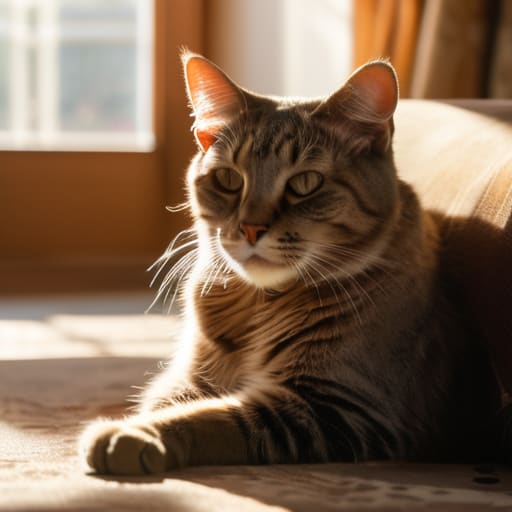
Look, most people assume a cat tearing up the corner of a sofa is just being a nuisance, but after thirty years in a clinic, I’ve learned that sudden changes in scratching patterns are often a cry for help rather than a lack of discipline. If your cat has always been a bit of a shredder, you’re likely dealing with standard feline scratching instincts that just need better outlets. But if a previously well-behaved cat suddenly starts attacking the upholstery, you need to look closer. Is it a sudden increase in frequency? Is it accompanied by over-grooming or hiding?
Sometimes, what looks like a behavioral issue is actually physical discomfort. Arthritis or dental pain can make a cat restless, leading them to seek out textures that provide a specific kind of sensory relief. If they are scratching frantically or seem agitated while doing it, don’t just reach for the cat scratching deterrents; reach for your phone. If the scratching is paired with any changes in litter box habits or appetite, that is a “call the vet today” situation, not a “wait until Monday” situation.
Five things to do before you lose your upholstery (or your mind)
- Stop buying the cheap, flimsy cardboard scratchers. I’ve seen enough cats ignore a $5 cardboard slab only to destroy a $2,000 linen sofa to prove a point. If the cat is scratching the side of the couch, they want verticality and stability. Get a heavy, tall sisal post that won’t wobble when they put their full weight into it. If it moves, they won’t use it.
- Location is everything, and I don’t mean “where it looks nice in the living room.” Cats scratch to mark territory, and they do it where they feel most secure or where they hang out. If they’re attacking the arm of the chair, put a scratching post right next to that chair. You can move it once they’ve claimed it, but don’t expect them to migrate to a post in the spare bedroom.
- Use pheromones, not punishment. I spent decades watching owners try to hiss at or spray cats with water bottles; all that does is make the cat associate you with fear, not the scratching with a problem. Use a synthetic pheromone spray like Feliway on the new post to make it smell like “home,” and use something bitter-tasting on the furniture edges to make the sofa unappealing.
- Trim those claws regularly. This isn’t just about aesthetics; it’s about damage control. I tell my clients that a well-maintained nail is like a blunt tool rather than a hook. If you’re nervous about doing it yourself, most vets or groomers will do a quick nail trim for a small fee—usually around $15 to $25—and it’s much cheaper than reupholstering a loveseat.
- Check their stress levels. If a cat that has been fine for five years suddenly starts shredding everything in sight, they aren’t being “bad”—they’re likely anxious. Whether it’s a new pet, a move, or even just a change in your work schedule, that scratching is often a way to self-soothe and mark their space. If the behavior is sudden and frantic, talk to your vet about anxiety management before you start blaming the furniture.
The Bottom Line
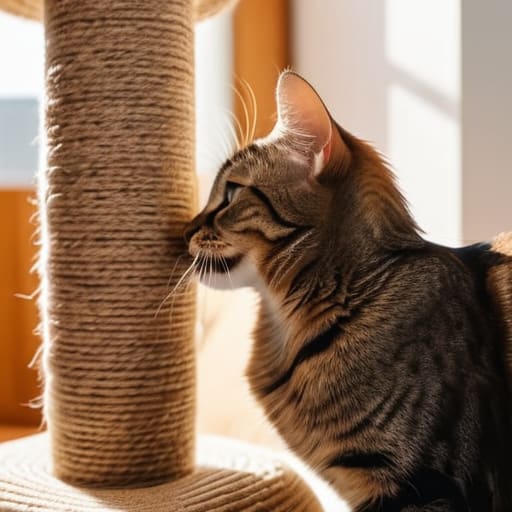
If your cat is suddenly shredding the sofa, check their nails and their stress levels first; if they’re also hiding, lethargic, or skipping meals, stop looking for a scratching post and call the vet tonight.
You can’t punish a cat into better behavior, but you can provide better outlets; invest in high-quality sisal or cardboard textures before you spend a fortune on reupholstering.
Don’t let “it’s just a phase” become a medical crisis—if a behavioral change is sudden and persistent, it’s usually a signal, not just a whim.
The difference between a habit and a cry for help
“If your cat is shredding the sofa because they’re bored, buy a better post; but if they’re suddenly clawing at everything like they’re trying to get something out of their skin, stop looking for a scratching post and start looking for a vet, because that’s usually not a behavior problem—it’s a pain problem.”
Marlene Ostrowski
The Bottom Line
At the end of the day, stopping the destruction of your sofa isn’t about winning a battle of wills against your cat; it’s about understanding why they feel the need to mark that specific corner. If you’ve ruled out the medical stuff—and I mean actually ruled it out with a vet, not just a Google search—then you’re looking at a management game. Invest in the vertical scratching posts, use the deterrent sprays, and make sure they have a way to express that instinct without costing you your security deposit. It’s a process of trial and error, and if you have to swap out three different types of sisal before you find the one they like, that is just part of the job.
I spent three decades watching people get so frustrated with their pets that they almost lost the bond entirely over things like furniture or house training. Don’t let a shredded armchair ruin your relationship with a creature that trusts you completely. Cats don’t have a concept of “property damage”; they just have needs. If you can meet those needs with a little patience and the right gear, you’ll find that the peace in your home is worth much more than a pristine piece of upholstery. Take a breath, buy the post, and remember that they are more than the mess they make.
Frequently Asked Questions
My cat is over ten years old and suddenly started scratching everything; is this just a change in preference or a sign of arthritis?
At ten years old, a sudden change in scratching isn’t a “new preference”—it’s a red flag. If they’re choosing vertical surfaces they used to ignore, they might be trying to stretch to relieve joint stiffness. If they’re scratching at the floor, they might be struggling with mobility. Don’t just buy a new post; get them in for an exam. We’re talking bloodwork and maybe some radiographs. It’ll cost you a few hundred, but it’s better than letting them suffer through chronic pain.
I tried those double-sided sticky tapes on the sofa and it worked, but is there a way to stop the behavior permanently without using deterrents that stress them out?
The sticky tape works because it’s a sensory deterrent, but you’re right—it’s a band-aid, not a cure. To stop this permanently without the stress, you have to address the “why.” Most cats scratch to mark territory or stretch. If you haven’t provided a vertical sisal post that is actually stable—not one that wobbles when they lean into it—they’ll keep going back to the sofa. Give them a high-quality target, use pheromone diffusers like Feliway to lower their baseline anxiety, and make sure they have scent-marking opportunities that aren’t your upholstery.
If I buy a high-end scratching post and they still ignore it for the armchair, am I wasting my money or is there something else I'm missing?
You aren’t necessarily wasting your money, but you might be buying the wrong thing. Cats don’t scratch to be spiteful; they scratch to stretch and mark territory. If they’re choosing the armchair, it’s because the post is likely too small, too wobbly, or the wrong texture. A 5kg cat needs a post that doesn’t budge when they put their full weight into a stretch. If it feels unstable, they’ll go back to the sofa every single time.