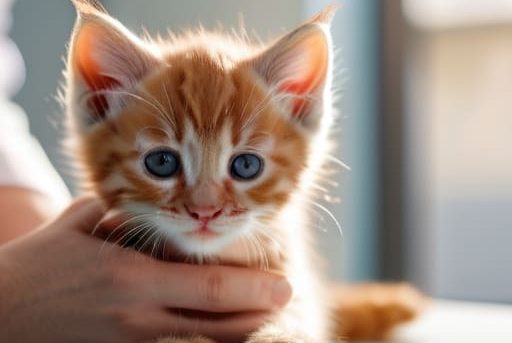
I’ve spent thirty years watching people buy expensive “behavioral enrichment kits” and high-tech sensory toys, thinking they can purchase a well-adjusted pet. Let me tell you something: you can’t spend your way out of a poorly handled introduction. I once saw a client spend hundreds on a designer cat tree only to have their new kitten become a permanent resident under the guest bed because they tried to force “playtime” before the animal even knew the room existed. If you are looking for a magic gadget to teach you how to socialise a kitten, you’re looking in the wrong place. Real socialization isn’t about fancy equipment; it’s about reading the subtle language of a tiny creature that is terrified of everything from a vacuum cleaner to your own shadow.
I’m not here to give you a fluff piece filled with “cute” suggestions that don’t actually work when things get stressful. I am going to give you the clinical reality of what works and, more importantly, what to avoid so you don’t end up with a cat that views humans as a threat. I’ll tell you when to back off, when to step in, and how to build a foundation of trust that actually lasts beyond the kitten phase.
Table of Contents
The Critical Kitten Socialization Period You Cant Afford to Miss

You have a window here, and it’s much smaller than most people realize. In the clinic, we look at that window as being roughly between two and seven weeks of age. This is the true kitten socialization period, and once that door slams shut, you aren’t just dealing with a “shy” cat; you’re dealing with an adult animal with a hardwired fear response. I’ve spent too many afternoons trying to sedate a twenty-pound tomcat just to check his vitals because his owner didn’t realize that a tiny, terrified kitten is the foundation of a lifetime of behavioral issues.
If you miss this stage, you aren’t just teaching them to like people; you’re trying to undo deep-seated neurological patterns. This is where you use desensitization techniques for cats—getting them used to the sound of the vacuum, the feel of a grooming brush, or the sight of a stranger—before the fear becomes their default setting. It’s much cheaper and far less stressful to spend ten minutes a day playing with a kitten now than it is to pay a behaviorist five hundred dollars an hour later to fix a cat that thinks its own shadow is a predator.
Building Kitten Confidence Without Forcing the Issue
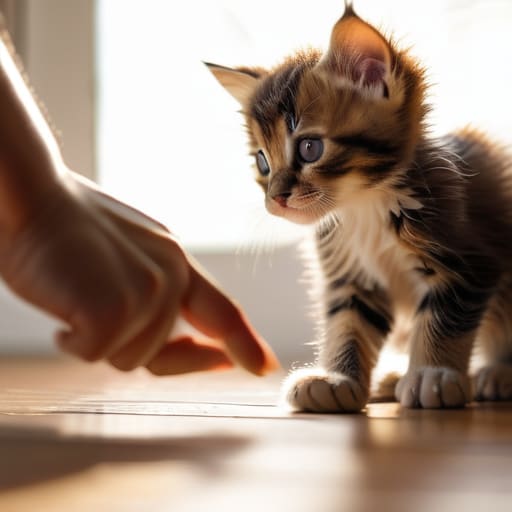
The biggest mistake I see people make—and I’ve seen it in a dozen different exam rooms—is trying to “force” a kitten to be brave. If you grab a terrified three-pound creature and try to hold it still for photos or to show it a vacuum cleaner, you aren’t socializing it; you’re teaching it that humans are unpredictable predators. Instead, you need to focus on building kitten confidence through passive exposure. This means sitting on the floor while they explore your feet, or letting them sniff a new object while you offer a high-value treat. If they hiss or bolt, let them go. You aren’t losing the battle; you’re just respecting their boundaries, which is the only way to build actual trust.
When it comes to more advanced desensitization techniques for cats, think in increments of seconds, not minutes. If you’re introducing a new sound, like a hairdryer, start with it being turned on in a different room. If they don’t react, move it closer next time. Patience is your only real tool here. If you rush the process, you’ll end up with a cat that views every sudden movement as a threat, and trying to undo that kind of fear later on is a much longer, much more expensive road.
Five Ways to Actually Get Through to a Kitten
- Respect the “Hiss and Hide” phase. If you try to drag a scared kitten out from under the radiator to “show them they’re safe,” you aren’t socializing them; you’re teaching them that your hands are predators. Sit on the floor, ignore them, and let them realize you aren’t a threat. It’s boring, and it takes longer, but it works.
- Use food as your primary tool of diplomacy. I’ve seen more behavioral breakthroughs via a Churu squeeze tube than through any expensive training seminar. If they won’t come to you, bring the high-value stuff to them. If they won’t eat it while you’re there, back off. You want them associating your presence with the best thing they’ve ever tasted.
- Desensitize the “scary” stuff early and often. Get a brush, a nail clipper, and a carrier in the room while they are eating or playing. You want them to learn that the sound of a clipper or the sight of a carrier doesn’t mean a trip to the clinic. If you wait until they’re a year old to try and clip their nails, you’re going to be fighting a losing battle with a very angry cat.
- Watch the body language, not just the noise. A kitten might not hiss, but if their ears are pinned back or their tail is twitching like a whip, they are at their limit. Stop what you’re doing immediately. If you push past that “silent” stress, you’re just building a cat that’s going to bite you the moment you try to pet them three months from now.
- Handle them in small, controlled bursts. Ten minutes of calm, positive handling is worth more than an hour of you trying to wrestle them into a cuddle. You want them to leave the interaction feeling successful, not exhausted and hunted. If you can’t get a single paw held without a meltdown, call it a day and try again tomorrow.
The Bottom Line for Your Kitten
Respect the “freeze” response; if a kitten is puffed up or hiding, they aren’t being “bad,” they are terrified, and pushing through that fear is the fastest way to create a lifelong coward.
Consistency beats intensity every single time—ten minutes of calm, predictable handling a day is worth more than one hour of chaotic “playing” that leaves them spooked.
Watch for the red flags—if socialization efforts lead to aggression (hissing, biting, or lunging), stop the training and call your vet, because you might be dealing with a medical issue or a temperament that needs professional intervention rather than just “more practice.”
The Cost of Rushing Them
“If you try to force a kitten to be ‘brave’ before they’re actually ready, you aren’t teaching them confidence—you’re teaching them that humans are something to be feared, and a cat that’s terrified of you is a much more expensive and heartbreaking problem to fix than one that just needs a little more time in the corner.”
Marlene Ostrowski
The Long Game

Look, I know it feels like you’re doing everything right when you’re sitting on the floor with a laser pointer, but socialization isn’t just about play; it’s about predictability. You’ve learned that the window is small, that you can’t force a terrified kitten into a stranger’s arms, and that confidence is built in tiny, incremental wins. Whether it’s getting them used to the sound of the vacuum or making sure they don’t treat your hands like chew toys, every interaction counts. If you’ve been patient, you’ve already avoided the biggest mistake: trying to rush the process. Remember, a kitten that learns to trust you now is a cat that won’t be fighting you at the vet’s office when they’re ten years old. Consistency is your best friend here.
At the end of the day, you aren’t just training a pet; you are building a relationship that might last two decades. There will be days when they hiss at a guest or hide under the bed for three hours, and that’s okay. Don’t let one bad afternoon make you feel like you’ve failed. You are playing the long game, and patience is the most important tool in your medical kit. It’s a slow, sometimes messy process, but when that once-skittish little ball of fur finally decides to curl up on your chest and fall asleep, you’ll realize every quiet, careful moment was worth it.
Frequently Asked Questions
My kitten is already four months old and is terrified of everything; is it too late to start socializing them properly?
Four months? No, it’s not too late, but you’ve missed the “easy mode” window. You’re no longer dealing with a blank slate; you’re dealing with a cat that has already decided the world is a scary place. You can’t force him out of it—that’ll just bake the fear in deeper. It’s going to take more patience and more high-value treats than you think, but you can still turn this around.
How do I tell the difference between a kitten being "playfully spicy" and one that is actually showing signs of fear-based aggression?
Look at the body language, not just the teeth. Playful spice is bouncy; they’ll approach you, maybe pounce on your toe, and their ears stay forward. Fear-based aggression is different. If the ears are pinned flat, the tail is lashing like a whip, and they’re making a low, guttural growl, they aren’t playing—they’re terrified. If they’re hiding or arching their back, back off. Forcing a scared kitten to “play” through aggression just builds a bully or a coward.
Is it worth spending the extra money on professional behaviorists if my kitten isn't responding to the basic handling and socialization techniques at home?
Look, I’ve seen owners spend hundreds on “calming” pheromone diffusers that do nothing while their kitten’s fear becomes a permanent personality trait. If you’ve tried the basics for a few weeks and you’re still getting hissed-at hands or a cat that won’t leave the laundry basket, yes, call a professional. It’s cheaper to pay a behaviorist now than to pay for lifelong sedation or a specialized feline-only boarding facility later because your cat is unmanageable.