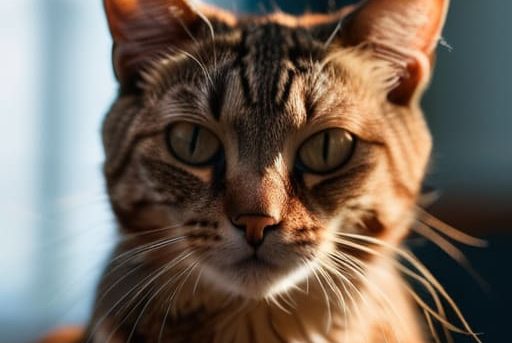
I spent twenty-eight years watching owners walk into my clinic with a look of pure, wide-eyed confusion because their cat was “acting a little strange.” They’d spent fifty dollars on some organic calming spray or a fancy pheromone diffuser, hoping it would fix a problem that was actually a localized abscess or a kidney issue. The internet is full of people telling you to look for “behavioral changes,” but that’s too vague to be useful when you’re staring at a sleeping animal. If you want to know how to spot pain in a cat, you have to stop looking for the obvious screams and start looking for the subtle withdrawals. Cats are masters of the poker face; they don’t wail like dogs when something is wrong, they just slowly disappear into the shadows.
I’m not here to sell you a holistic miracle or a way to “bond” with your pet through intuition. I’m going to tell you exactly what I learned while restraining animals that were hurting far more than they let on. I’ll show you the specific, physical tells—the way a tail twitches or the way they groom a single spot until it’s raw—and I will tell you exactly when a symptom means you can wait for your regular appointment and when it means you need to grab your keys and head to the emergency vet tonight.
Table of Contents
- Feline Subtle Pain Indicators You Cant Afford to Ignore
- Reading the Cat Facial Expression Pain Scale Before Its Too Late
- Five Red Flags That Mean Stop Googling and Start Driving
- The Bottom Line: When to Stop Watching and Start Driving
- ## The Cost of Waiting
- Trust Your Gut, Not the Internet
- Frequently Asked Questions
Feline Subtle Pain Indicators You Cant Afford to Ignore

Cats are masters of the “keep it together” act. In the wild, showing weakness is a death sentence, and they’ve brought that instinct straight into our living rooms. You won’t see a cat lying on its back wailing like a puppy; instead, you’ll see cat behavioral changes due to discomfort that look like personality shifts. Maybe your tabby, who usually greets you at the door, is suddenly spending more time tucked behind the sofa, or perhaps your senior cat has stopped grooming that one patch on their flank. If they are suddenly “grumpy” when you try to pet them, they aren’t being mean—they’re likely protecting a sore spot.
I spent years watching owners insist their cats were just “getting older” when, in reality, they were just living with constant, dull aches. One of the most overlooked feline subtle pain indicators is a change in how they navigate their environment. If you notice a cat hesitating before jumping onto the bed or using a different path to avoid a step, don’t dismiss it as laziness. That hesitation is often the first sign of identifying feline chronic pain, particularly the kind of stiffness that comes with untreated arthritis.
Reading the Cat Facial Expression Pain Scale Before Its Too Late

Most people think a cat in pain is screaming or thrashing, but in my thirty years of restraint and triage, I’ve learned that cats are masters of the quiet suffer. If you’re looking for a dramatic outburst, you’re probably going to miss the window where treatment is cheap and easy. You need to look at their face—specifically the muscles around the eyes and ears. When I’m checking a patient, I’m looking for a tight, squinted look or ears that are pulled slightly sideways, almost like they’re perpetually annoyed. This cat facial expression pain scale isn’t just academic; it’s a roadmap. A cat with a “flat” or tense face isn’t just being moody; they are often masking significant internal distress.
Keep an eye out for subtle changes in how they hold their head or if their whiskers look pulled back and stiff rather than relaxed. If you notice these shifts alongside an abnormal cat vocalization—even if it’s just a low, rhythmic moan you’ve never heard before—don’t dismiss it as “just old age.” That’s usually the moment you need to call the clinic.
Five Red Flags That Mean Stop Googling and Start Driving
- Watch the grooming habits. If a cat suddenly has a patch of matted, unkempt fur on their lower back or belly, they aren’t just “being messy.” They are likely experiencing localized pain that makes it too uncomfortable to reach those spots, or they are over-grooming a specific area because it stings or throbs.
- Pay attention to the “slow blink” vs. the “squint.” A healthy cat blinks at you; a cat in significant pain often keeps their eyes in a tight, squinty grimace. If they look like they’re trying to peer through a keyhole even when they aren’t startled, their pain threshold is being tested.
- Monitor the litter box habits like a hawk. If your cat is straining, vocalizing while in the box, or going much more frequently than usual, do not assume it’s a minor bladder issue. If they are a male cat and they can’t go at all, that is a $1,500+ emergency room visit happening in real-time. Go now.
- Listen for the change in “presence.” Cats are masters of hiding discomfort, but they can’t hide a change in their baseline. If a social cat suddenly decides the underside of the sofa is their new permanent residence, or if a cat that usually greets you at the door starts ignoring you, they are likely diverting every ounce of energy toward managing pain.
- Check the “posture of discomfort.” A cat in pain rarely lies flat and relaxed. Look for a hunched back, tucked limbs, or a “tucked” tail. If they look like they are bracing themselves for an impact even when they are sleeping, they aren’t just resting—they are guarding.
The Bottom Line: When to Stop Watching and Start Driving
Trust your gut over the internet; if your cat’s “personality” has shifted—even slightly—and you’re starting to worry, you’re likely already seeing the symptoms.
Learn the difference between a minor discomfort and a crisis; hiding, refusing food for more than 24 hours, or sudden vocalization are “go to the ER now” signals, not “wait for a Monday appointment” signals.
Don’t let the fear of a bill keep you from the truth; an early diagnostic workup might cost a few hundred dollars, but waiting until they are crashing can turn a manageable issue into a several-thousand-dollar emergency or a tragedy you can’t undo.
## The Cost of Waiting
“A cat that stops grooming or starts hiding isn’t just ‘being moody’ or having a bad day; they are actively masking a physiological crisis. In my thirty years, I’ve learned that by the time a cat actually cries out in pain, you aren’t looking at a simple fix anymore—you’re looking at an emergency room visit and a bill that could easily top a thousand dollars.”
Marlene Ostrowski
Trust Your Gut, Not the Internet
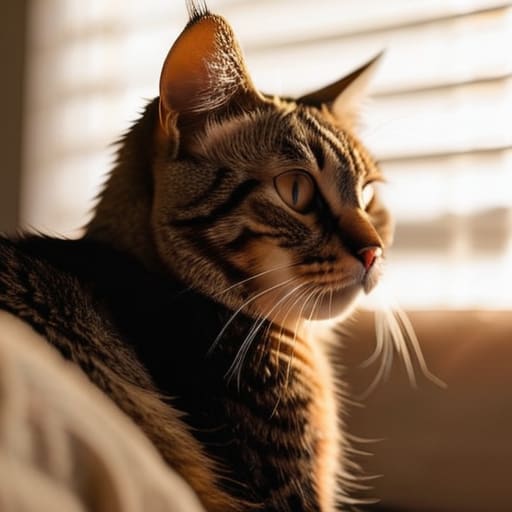
At the end of the day, spotting pain in a cat isn’t about memorizing a checklist; it’s about knowing your cat’s baseline better than anyone else. If you notice that subtle squint in their eyes, a sudden aversion to the stairs, or a change in how they groom themselves, don’t let a Google search convince you they are just “being moody.” Whether it’s a change in their facial expression or a shift in their appetite, these are the signals that something is physically wrong. Remember, a cat that is hiding or acting lethargic is often a cat that is actively suffering in silence. If your intuition is screaming that something is off, don’t wait for a definitive symptom to appear before you pick up the phone.
I know how heavy that phone call can feel, especially when you’re staring at a vet bill you didn’t plan for. But I have spent three decades watching people try to “wait and see” if a limp or a lack of appetite goes away, only to end up in an emergency room at 3:00 AM paying triple for a problem that could have been managed for a fraction of the cost a week earlier. You are your cat’s only voice. Being a good pet owner doesn’t mean being a perfect doctor; it means being a vigilant advocate. Trust what you see, trust your gut, and act while you still have the luxury of time.
Frequently Asked Questions
My cat is still eating and using the litter box, but she's acting "grumpy"—is that actually pain or just her personality?
Listen, I’ve spent thirty years being hissed at by cats, and I know the difference between a “leave me alone” personality and a “please don’t touch me” pain response. If she’s suddenly grumpy when she wasn’t before, assume it’s pain. Cats are masters at masking discomfort to avoid looking vulnerable. A sudden change in temperament is often the only way they can tell you something hurts internally. Don’t wait for her to stop eating; by then, she’s already in trouble.
I think my cat is in pain, but I can't afford an emergency visit tonight; what are the specific "red flag" symptoms that mean I absolutely cannot wait until morning?
If your cat is straining in the litter box without producing anything, or if they are panting with their mouth open like a dog, stop reading this and go. That’s a urinary blockage, and they can die in 24 to 48 hours. Also, if they’ve stopped eating entirely or are hiding in a dark corner and won’t come out for treats, that’s a crisis. Don’t wait for Monday; those are “pay the emergency fee tonight” problems.
If I suspect my cat is hurting, is it safe to give them a human pain reliever like Tylenol or Advil to get them through the night?
Absolutely not. Do not touch that bottle. I’ve seen more emergency admissions for “home remedies” than I care to count, and Tylenol (acetaminophen) is essentially poison to a cat. It destroys their red blood cells and can cause liver failure faster than you can call an emergency clinic. Advil is just as bad for their kidneys. If they are in pain, they need a feline-specific NSAID prescribed by a vet, not something from your medicine cabinet.