I spent twenty-eight years watching people try to “trick” their animals into taking pills by hiding them in expensive organic peanut butter or gourmet cheese, only to end up in my exam room with a dog that’s gagging or, worse, an owner staring at a $400 emergency bill because the pet inhaled the pill and caused an obstruction. Most of the advice you find online about how to give a pet medication is written by people who have never had to wrestle a seventy-pound Golden Retriever into a corner or deal with a cat that treats a pill like a personal insult. If you’re currently standing in your kitchen, covered in slobber and feeling like a failure because your pet just spat a capsule onto the floor, you aren’t doing anything wrong; you’re just dealing with the reality of animal biology.
I’m not here to give you flowery suggestions or “natural” hacks that don’t work. I’m going to tell you exactly how to handle the hardware—the syringes, the pill pockets, and the blunt-force methods—and more importantly, I’ll tell you when a struggle has gone too far and you need to call the vet for a different route. I’ll give you the straight truth on dosing, the actual effort required, and how to tell the difference between a picky eater and a medical emergency.
Table of Contents
Forget the Struggle Essential Medication Administration Tips
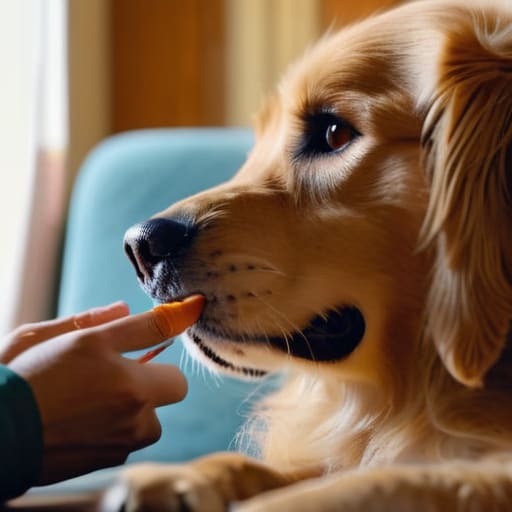
Listen, I’ve spent half my career watching owners try to play “hide the pill” in a piece of deli meat, only to have the dog spit it out the second they turn their back. If you’re dealing with a stubborn eater, pill pockets for dogs are a fine tool, but they aren’t a magic wand. If the dog is suspicious, you’re just teaching them that every treat comes with a hidden chemical. Sometimes you have to be the bad guy. Use a pill syringe or a specialized tool to get it right the first time. It’s better to have a thirty-second struggle than to realize three days later that your pet’s inflammation hasn’t budged because they’ve been effectively fasting from their meds.
When it comes to administering liquid medicine to cats, stop trying to force their mouths open like you’re performing surgery. You’ll end up with a scratched face and a cat that won’t let you near them for a week. Aim for the side of the mouth, near the cheek, and go slow. If you rush it, they’ll aspirate, and an aspiration pneumonia diagnosis is a $1,500 mistake you really don’t want to make on a Tuesday night.
Choosing Tools That Actually Work for Handling Difficult Pets
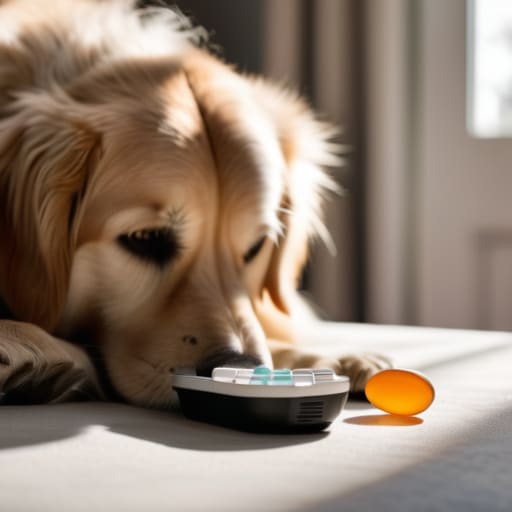
Stop spending your money on those fancy, colorful pill dispensers that look like they belong in a toy store. Most of them are useless when a dog decides they’d rather bite your finger than swallow a tablet. If you’re dealing with a stubborn eater, pill pockets for dogs are a decent fallback, but don’t rely on them entirely. I’ve seen owners try to hide a pill in a mountain of peanut butter only to have the dog spit it right back out, leaving you with a messy floor and a frustrated animal. If the treat doesn’t work, stop the charade. Grab a pill popper—it’s a plastic wand that holds the pill and delivers it straight to the back of the throat. It costs maybe ten bucks, but it saves you from a scratched face and a failed dose.
When it comes to administering liquid medicine to cats, please, for the love of everything, put down the kitchen spoon. You aren’t feeding them soup; you’re trying to get a precise dose into a tiny, moving target. Use a dedicated oral syringe. It gives you control over the volume and lets you aim for the side of the mouth, which helps prevent them from inhaling the liquid into their lungs—a mistake that can lead to aspiration pneumonia and a very expensive emergency vet visit.
The Real-World Rules for Getting the Pill Down
- Stop the cheese charade if they’re gagging. I’ve seen owners try to hide a pill in a piece of deli meat, only for the animal to swallow the meat and leave the pill stuck in the esophagus. That’s a $500+ emergency visit for an aspiration pneumonia risk or an esophageal ulcer. If they aren’t swallowing it easily, stop. You either need a pill popper or you need to call the vet and ask for a liquid version.
- Know your math or don’t bother. If your vet says “give 2mg per kilogram” and your dog is 15kg, that’s 30mg. Don’t guess, and don’t rely on the “half a pill” rule if the pills aren’t scored. Giving a little too much of a sedative is a nap; giving a little too much of a heart medication is a crisis. If you can’t do the math, write it down on a sticky note and put it on the fridge.
- Watch the “spit-back.” It’s a classic move. You think they swallowed it, you give them a treat, and ten minutes later you find the pill on the rug. If they spit it out, you haven’t dosed them. You have to re-administer, but don’t go in there swinging. If you get aggressive, they’ll associate the medication with a fight, and tomorrow will be twice as hard.
- The “Pill Pocket” isn’t a magic wand. They work for some, but for a cat or a high-strung terrier, that extra caloric load and the weird texture can actually make them more resistant. If you’re using them, make sure the treat is small enough that they actually swallow it whole. If they chew it, you’re just wasting expensive medicine.
- Keep a log, not a memory. I’ve seen owners swear they gave the dose, only to realize three hours later they forgot. When an animal starts acting lethargic or vomiting, the first thing the vet is going to ask is, “When was the last dose and exactly how much?” If you can’t give them a timestamp and a milligram count, you’re just guessing, and guessing is how mistakes happen.
The Bottom Line: What You Actually Need to Know
Stop playing hide-and-seek with the pills; if your pet is gagging or refusing a treat-based dose, you aren’t being “kind,” you’re risking an aspiration pneumonia or a much more expensive trip to the ER when they eventually vomit it all back up.
Always double-check the math yourself because “one pill” isn’t a dose—if your dog is 25kg (about 55 lbs), you need to ensure that dose actually hits the required mg/kg, or you’re just wasting money on medicine that isn’t doing a lick of work.
Know when to quit the home remedies and call the clinic; if they aren’t taking the meds because they are lethargic or vomiting, you aren’t “waiting to see if it works,” you’re letting a manageable problem turn into a crisis.
The Cost of Cutting Corners
“If you spend ten minutes fighting a cat to hide a pill in a piece of deli meat only to have them spit it out on the rug, you haven’t just wasted the expensive medication; you’ve wasted the window of time where that drug actually mattered. Stop treating it like a game of hide-and-seek and start treating it like the medicine it is, because a missed dose is just a slow way to let a disease win.”
Marlene Ostrowski
The Bottom Line on Meds
At the end of the day, giving medication isn’t about being a drill sergeant; it’s about being prepared. You need the right tools, whether that’s a proper pill popper or just a steady hand and a little bit of patience. Remember that the dose matters—if your dog is 10kg and the vet prescribed 5mg/kg, don’t start eyeballing the half-tablet because you’re in a hurry. If they aren’t taking it, stop the charade of hiding pills in treats that make them gag, and call your clinic. It is much cheaper to ask for a liquid version or a compounded flavor than it is to pay for an emergency visit because they’ve managed to choke or cause an obstruction.
I know it’s exhausting. I’ve spent many a late night in a dim exam room, trying to coax a stubborn senior cat to swallow a pill while my own back ached. It feels like a battle you’re losing, but please don’t let the frustration make you give up. These medications are often the only thing standing between your pet and a very steep decline. You aren’t just “giving a pill”; you are managing their comfort and extending their time with you. Stay steady, keep your cool, and remember that they can feel your tension. You’ve got this, and they know you’re doing it for them.
Frequently Asked Questions
What do I do if my pet vomits up the pill ten minutes after I gave it?
Don’t just give them another one. If they vomit ten minutes later, that pill hasn’t even hit the small intestine yet, but you don’t want to double the dose and risk toxicity. Call your vet first. They’ll tell you if you should re-dose or wait. If this happens repeatedly, you aren’t dealing with a “finicky eater”; you’re dealing with an underlying issue—like gastritis or an obstruction—that’s going to cost you a lot more than a single dose.
Is it actually safe to crush up tablets to mix with food, or am I going to mess up the dosage?
Look, don’t just grab the pill crusher and start grinding without checking the label first. If it’s an extended-release tablet, crushing it is a disaster; you’re dumping a 24-hour dose into their system all at once, which can be toxic. Even with standard pills, some are coated to protect the stomach or to mask a taste so nasty the dog won’t touch their food. Call your vet first. It’s a thirty-second phone call that saves you a massive ER bill later.
My pet is acting aggressive when they see the pill bottle; how do I handle this without getting bitten or making the situation worse?
They’ve learned the sound of that plastic rattle, and now they’re playing defense. Stop the battle. If they’re guarding the bottle, you’re just building a resentment that makes the next dose harder. Switch to a “pill pocket” or a tiny bit of plain deli turkey—something high-value that they can’t associate with the medicine. If they’re lunging, don’t force it. You’ll end up with a scratched hand and a terrified animal. Use a pill gun if you have to, but if they’re truly aggressive, call your vet and ask about compounded liquids. It’s a $40–$60 extra expense, but it beats a $300 emergency visit for a bite wound.