Marlene Ostrowski

A Kitten’s First Year, Month by Month

Complete guide to a kitten's first year.

I’ve spent thirty years watching people walk into my clinic with a folder full of printed “advice” from internet forums, looking more terrified than prepared. Most of those glossy, colorful guides promise you a magical journey, but they won’t tell you that a kitten’s first year is actually a high-stakes game of preventative maintenance and budget management. You don’t need a list of the ten most expensive, organic, grain-free treats on the market; you need to know why that sudden bout of diarrhea means you’re looking at a $400 vet bill if you wait until Tuesday, or how to tell the difference between a growth spurt and a serious parasite load. This isn’t a curated lifestyle blog; this is a complete guide to a kitten’s first year designed for people who actually want their pets to live.

I’m not here to sell you a specific brand of overpriced kibble or tell you that every tiny sneeze is a medical emergency. Instead, I’m going to give you the clinical reality of what those first twelve months look like. I’ll tell you what vaccines actually matter, what the real costs of deworming and microchipping look like, and exactly when a symptom means you should stay in bed versus when you need to drive to the emergency vet immediately.

Table of Contents

Meeting Kitten Nutrition Requirements Without Breaking the Bank

Meeting Kitten Nutrition Requirements Without Breaking the Bank

Look, I’ve sat in exam rooms with owners who were staring at a $150 bag of grain-free kibble like it was a ransom note. I get it. But here is the reality: kitten developmental stages are fueled by sheer caloric demand. They aren’t just “small cats”; they are growing machines that need specific ratios of protein, fat, and calcium to build bone and muscle. If you skimp on the quality now to save five dollars a week, you aren’t actually saving money—you’re just pre-paying for the kidney issues and metabolic diseases they’ll face at age five.

You don’t need to buy the most expensive boutique brand on the shelf, but you do need to read the label. Look for a complete and balanced life-stage formula. Avoid anything that lists “meat by-products” as the primary ingredient without a clear protein source listed first. My rule of thumb? If you can’t pronounce the first three ingredients, or if the protein percentage is below 30%, put it back. Prioritize nutrient density over marketing fluff. It’s better to buy a smaller bag of high-quality food that meets their kitten nutrition requirements than to fill their belly with cheap fillers that leave them malnourished and hungry.

The Essential Kitten Health Checklist for New Owners

The Essential Kitten Health Checklist for New Owners

First, let’s talk about the calendar. You aren’t just looking at a cute face; you’re managing a series of rapid-fire kitten developmental stages that dictate everything from their vaccines to their behavior. Your first stop is the vet for a baseline exam and a parasite screen. Don’t skip the fecal test; even if they look clean, worms are a common, cheap-to-fix problem that becomes an expensive nightmare if they stunt growth. You also need to nail down your kitten spay and neuter timing early. Most vets want it done around six months, but depending on the breed, you might need to move that up to prevent reproductive issues or roaming.

Then there is the social piece. Between eight and twelve weeks is the critical kitten socialization period, and if you miss that window, you’re going to be fighting bad habits for years. While you’re at it, keep a close eye on their bathroom habits. If a kitten stops eating or starts straining to go, that isn’t a “wait until morning” situation—that is a midnight emergency room trip. I’ve seen too many people wait because they didn’t want to pay the $500 exam fee, only to end up facing a $3,000 surgical bill.

Five Things I Wish Every New Kitten Owner Knew Before the Chaos Started

  • Don’t let the “cute” stage fool you into skipping parasite prevention. I’ve seen too many kittens come in with roundworms that are stealing every calorie they need for growth, and treating a heavy infestation is a lot more expensive than a monthly preventative.
  • Learn to tell the difference between a “fussy” eater and a sick one. If your kitten misses one meal, they might just be distracted; if they miss two, or if they’re pairing it with vomiting or hiding, you aren’t waiting for a scheduled appointment—you’re calling the vet.
  • Start a “medical folder” now, even if it’s just a cheap accordion file. You’ll need those exact weight measurements in kilograms and the dates of every vaccine when you eventually go to a new clinic or a boarding facility; trying to remember them six months from now is a headache you don’t need.
  • Budget for the “oops” moments, specifically dental and GI issues. Kittens are tiny, and their metabolic margins are thin; a small blockage from a swallowed string or a piece of a toy can turn into a $2,000 emergency surgery before you’ve even finished paying off the initial kitten exam.
  • Socialization isn’t just about petting them; it’s about desensitization. Get them used to being handled—paws, ears, mouths—and the sound of a hairdryer or a vacuum—now, while they’re small and resilient, rather than trying to teach a terrified adult cat how to be touched during a medical procedure.

The Bottom Line: What You Actually Need to Know

Don’t get caught in the “premium food” trap; focus on caloric density and specific nutrients rather than fancy marketing, because a growing kitten needs fuel more than they need a boutique label.

Learn to distinguish between “wait and see” symptoms and true emergencies, like a kitten that stops eating or seems lethargic, because by the time they look truly sick, the vet bill is going to be much higher than if you’d called on day one.

Budget for the unexpected early on—between vaccinations, deworming, and the inevitable “I didn’t realize they’d jump that high” accidents, your first year is going to be more expensive than most people anticipate.

The Real Cost of the First Year

A kitten’s first year isn’t a series of cute milestones; it’s a high-stakes balancing act of nutrition, vaccinations, and learning to tell the difference between a fussy eater and a kitten that’s actually sick—and if you can’t tell the difference, you’re already behind.

Marlene Ostrowski

The Bottom Line

The Bottom Line: consistent pet care.

Look, the first year is a whirlwind of kitten breath, shredded curtains, and a lot of expensive decisions. You’ve learned that nutrition isn’t just about the fancy label on the bag, but about getting the right caloric density without draining your savings. You know that your health checklist isn’t just a suggestion—it’s the roadmap to avoiding a $2,000 emergency visit for something that could have been caught with a simple, scheduled exam. Between the vaccinations, the parasite control, and the dietary shifts, it’s easy to feel like you’re constantly chasing a moving target. Just remember: consistency is your best tool for preventing the big, scary medical issues later on. If you stay on top of the basics, you aren’t just “managing” a pet; you are building a foundation for a decade or more of health.

At the end of the day, most of the stress comes from the fear of doing something wrong. I spent thirty years watching owners freeze up because they were afraid of making a mistake, and that hesitation is what actually causes the trouble. Don’t aim for perfection; aim for informed action. Your kitten doesn’t need a gourmet chef or a lifestyle influencer; they just need someone who notices when their energy levels dip or when they stop eating their kibble. You’re going to mess up occasionally, and that’s okay. Just keep your eyes open, keep your vet’s number on the fridge, and trust your gut when something feels off. You’ve got this.

Frequently Asked Questions

My kitten is suddenly vomiting after eating—is this just a growth spurt or am I looking at an expensive emergency vet bill?

If it’s just one episode of “scarf and barf” after a huge meal, you can probably monitor them, but keep an eye on their energy. If they’re lethargic or vomiting repeatedly, it’s not a growth spurt—it’s likely a blockage or a parasite load. An emergency visit for an obstruction can easily run you $800 to $1,500 once diagnostics are factored in. If they can’t keep water down, don’t wait; go tonight.

How much should I actually be budgeting for the transition from kitten food to adult food when they hit that one-year mark?

Honestly? The food cost itself shouldn’t jump much, but your volume will. A 4kg kitten eats a lot; a 4kg adult eats significantly less. You’ll likely see a 20-30% drop in monthly spending once they settle into adult portions. However, don’t get caught by the “growth” trap. If you switch too early, you’re paying for expensive kitten kibble you don’t need. If you switch too late, you’re under-nourishing them. Aim for the 12-month mark.

I’ve heard people say you can skip certain vaccines if the kitten stays indoors, but what is the real-world risk versus the cost of the shots?

Look, I’ve heard this a thousand times, usually from someone trying to save fifty bucks. Here’s the reality: “Indoor” isn’t a fortress. You carry parvovirus or feline distemper on your shoes from the grocery store; a stray cat walks through your doorway; or a window screen fails. A single FVRCP series might cost you $100–$150, but treating a viral infection or a systemic illness? That’s a $1,500 emergency visit, minimum. Don’t gamble.

Choosing a Pet That Fits the Life You Actually Have

How to choose the right pet for your life.

Stop scrolling through those glossy Instagram feeds of perfectly groomed Golden Retrievers in sun-drenched meadows and telling yourself that’s what you want. Most of those “lifestyle” influencers have never had to clean up a bout of bloody diarrhea at 3:00 AM or figure out how to budget for a sudden $2,000 dental extraction. When people ask me about how to choose the right pet for your life, they usually focus on the cute parts, but they completely ignore the unseen logistics—the sheer amount of time, grit, and actual cash required to keep an animal stable.

I’m not here to sell you a dream or tell you that every animal is “perfect” if you just love them enough. I’m going to give you the clinical reality of what you’re actually signing up for, from the predictable monthly costs to the way a high-energy breed will dismantle your living room if you’re working sixty hours a week. I’ll help you look past the sentimentality so you can make a decision that doesn’t end in a heartbreaking rescue situation because you weren’t prepared for the reality of the animal in front of you.

Table of Contents

Matching Pet Temperament to Personality Without the Wishful Thinking

Matching Pet Temperament to Personality Without the Wishful Thinking

Stop looking at the puppy in the window and start looking at your own Sunday afternoons. I’ve spent three decades watching people walk into clinics with “lifestyle mismatches”—which is a polite way of saying they bought a high-drive Border Collie because they liked the look of it, but they actually spend forty hours a week behind a desk. Matching pet temperament to personality isn’t about finding a soulmate; it’s about evaluating pet care needs against your actual, messy, uncurated reality. If you aren’t a person who enjoys a brisk walk in the rain at 6:00 AM, do not bring a working breed into your home. You won’t “train them out of it,” you’ll just end up with a destructive, neurotic animal and a mounting vet bill for anxiety-related issues.

You also need to be honest about your living situation. People call everything “apartment friendly pets,” but a senior cat with a temperament for lounging is a world away from a young, territorial terrier that will bark at every shadow in the hallway. If you’re living in a small space, you need to account for the time commitment for different animals—specifically, how much mental stimulation they require to keep from tearing up your drywall. Don’t let a cute face trick you into a lifestyle you aren’t prepared to sustain.

The Real Time Commitment for Different Animals You Cant Ignore

The Real Time Commitment for Different Animals You Cant Ignore

People love to talk about the “joy” of a new pet, but nobody wants to talk about the Tuesday night at 11:00 PM when your high-drive puppy has an accident on the rug or your senior cat needs a subcutaneous fluid injection. When you’re evaluating pet care needs, you have to stop looking at the animal and start looking at your own schedule. If you work ten-hour shifts and commute an hour each way, a Border Collie isn’t a companion; it’s a ticking time bomb of destructive behavior. You aren’t just buying a living creature; you are signing up for a decade or two of uninterrupted logistical planning.

The time commitment for different animals varies wildly, and “low maintenance” is a lie that people tell themselves to feel better about being busy. Even apartment-friendly pets like cats require more than just a bowl of kibble and a scratch post; they need mental stimulation and social interaction, or they’ll start treating your sofa like a jungle gym. If you can’t commit to at least an hour of active engagement daily, you might be better off looking at a more independent animal, or better yet, don’t bring an animal into a life that doesn’t have room for them.

The Math You’ll Do Later (But Should Do Now)

  • Stop looking at the adoption fee and start looking at the “maintenance” cost. A rescue dog might be free, but if that dog has allergies or a sensitive stomach, you aren’t just buying a pet; you’re signing up for a monthly subscription to prescription kibble that can easily run you $80 to $100 a month. Do the math on the food, the flea prevention, and the annual vaccinations before you fall in love.
  • Get honest about your “emergency fund” capacity. In my thirty years, I’ve seen too many people freeze in the exam room because they didn’t realize a single night of hospitalization for an intestinal blockage could run them $1,500 to $3,000. If you don’t have a credit card or a dedicated savings account for “the unexpected,” you shouldn’t be bringing a high-risk breed into your home.
  • Calculate your “lifestyle friction.” If you work ten-hour days and your social life involves late-night drinks with friends, a high-needs puppy or a social dog isn’t a companion—it’s a source of guilt and a massive bill for a dog walker. Match the animal’s need for interaction to the actual hours you are physically present in your house.
  • Factor in the “Senior Tax.” If you’re looking at an older animal because you want a “chill” pet, remember that “chill” often comes with a side of geriatric medicine. Senior cats and dogs frequently require bloodwork every six months and potentially expensive management for arthritis or kidney disease. Make sure your budget has room for the inevitable decline that comes with age.
  • Respect the “Mental Load” of different species. People think a cat is “easy mode,” but managing a multi-cat household or a territorial feline requires a specific kind of patience and environmental management. It isn’t just about feeding and cleaning a litter box; it’s about managing the social dynamics and the stress levels of the animals, which can be just as exhausting as walking a dog three times a day.

The Bottom Line Before You Bring Them Home

Stop looking at the “cute” factor and start looking at your bank account; if you can’t afford a $3,000 emergency surgery or a monthly prescription diet for a chronic condition, you aren’t ready for the animal you’re currently eyeing.

Temperament isn’t a suggestion—it’s a lifestyle; a high-drive working breed in a quiet apartment isn’t just “bored,” it’s a recipe for broken furniture and a stressed-out owner.

Time is a non-negotiable resource; if your calendar is already full, don’t add a pet to the mix thinking you’ll “find the time” later, because neglected animals end up in the clinic with preventable issues.

The Cost of a "Cute" Mistake

Stop looking at the puppy’s eyes and start looking at your bank statement and your Tuesday afternoon; because a pet isn’t a lifestyle accessory, it’s a living, breathing financial and temporal commitment that will demand more from you when they’re sick than you ever imagined they would.

Marlene Ostrowski

The Bottom Line

The Bottom Line: choosing the right pet.

At the end of the day, choosing a pet isn’t about finding the “perfect” animal; it’s about finding the animal that fits into the actual version of your life, not the idealized version you see on Instagram. You have to weigh the temperament against your own energy levels, the time commitment against your work schedule, and—most importantly—the potential medical costs against your actual bank balance. I’ve spent three decades watching owners realize too late that a high-maintenance breed or a senior animal with chronic issues is a financial and emotional commitment that doesn’t care about your intentions. If you can’t realistically manage the vet bills or the 6:00 AM walks, then the kindest thing you can do is walk away before you’re both overwhelmed.

If you do this right, though, the payoff is something no amount of money can buy. When you match a dog’s needs to your reality, you aren’t just getting a companion; you are building a foundation of stability that allows that animal to actually thrive rather than just survive. There is a profound, quiet beauty in the rhythm of a well-matched life—the predictable weight of a sleeping cat on your lap or the steady, reliable companionship of a dog that knows exactly what you need. Do the hard math now, so that when you finally bring them home, you can stop worrying about the logistics and just start loving them.

Frequently Asked Questions

I know I have the time for a dog, but how do I figure out if I actually have the mental bandwidth for a breed that’s going to require constant training and socialization?

Look, having the hours in the day is one thing; having the patience when a high-drive breed is systematically dismantling your living room is another. If you’re someone who needs peace and quiet to decompress after work, don’t touch a Border Collie or a Malinois. You’ll end up frustrated, and they’ll end up redirected. Ask yourself: when you’re exhausted, are you going to grab a training clicker, or are you going to shut the door and walk away?

What are the "hidden" medical costs I should be budgeting for a senior pet versus a puppy or a kitten?

With a puppy, you’re budgeting for the “preventable” stuff: vaccines, deworming, and the inevitable $800 emergency visit when they swallow a sock. But with a senior, you aren’t just paying for care; you’re paying for management. Think monthly costs for kidney support diets, arthritis meds, or bloodwork every six months. A senior’s “hidden” cost is the sudden, expensive shift from routine checkups to managing chronic organ failure or oncology. Plan for the long haul.

If I'm looking at a rescue animal with a known history, how much should I actually expect to spend on behavioral issues or chronic conditions in the first year?

Look, if you’re pulling a dog from a shelter with a “history,” stop looking at the adoption fee and start looking at your emergency fund. For a rescue with chronic issues—think allergies or early arthritis—budget at least $1,500 to $2,500 for that first year. If there’s behavioral stuff, add another $1,000 for a proper trainer. Don’t let a “free” dog become a $5,000 debt because you weren’t ready for the reality of their medical files.

House Training a Puppy in Two Weeks of Consistency

Tips on how to house train a puppy.

I’ve spent three decades cleaning up messes that had nothing to do with behavior and everything to do with biology, so please, spare me the “miracle” enzyme sprays and the $50 scented wipes that claim to solve everything. If you’re scrolling through forums looking for a magic trick on how to house train a puppy, you’re going to find a lot of expensive nonsense that won’t work. Most of those “experts” have never had to deal with a bladder that works on its own schedule or a pup that treats your Persian rug like a personal bathroom. Real training isn’t about buying the right gadget; it’s about understanding the clock and being more disciplined than the animal in front of you.

I’m not here to sell you a system or a subscription; I’m here to tell you what actually happens when you’re standing in a puddle at 3:00 AM. I will give you the clinical reality of puppy bladder capacity, the exact schedules that prevent accidents, and most importantly, when a mess is a training issue and when it’s actually a urinary tract infection that requires a vet visit. No fluff, no false promises—just the straight truth from someone who has seen it all.

Table of Contents

Mastering the Puppy Potty Training Schedule

Mastering the Puppy Potty Training Schedule guide.

If you’re waiting for your puppy to “just get it,” you’ve already lost. At eight weeks old, their bladder is essentially a tiny, uncooperative balloon; they have zero physiological control. You cannot rely on their intuition, so you have to rely on a strict puppy potty training schedule. I always told new clients: if they aren’t eating, sleeping, or playing, they are likely about to go. Take them out every hour on the hour, plus ten minutes after every meal and every nap. If you miss these windows, you aren’t just dealing with a mess; you’re teaching them that it’s okay to use your rug as a bathroom.

The biggest mistake I saw in the clinic wasn’t a lack of effort, but inconsistent reinforcement. You need to be watching for those subtle potty training signs and symptoms—the frantic circling, the sudden sniffing, or that specific “thousand-yard stare” they get right before the dam breaks. When they actually hit the grass, don’t just say “good boy” while you’re looking at your phone. Give them high-value treats and genuine, enthusiastic praise immediately. If they miss, don’t scold them; just clean it up with an enzymatic cleaner and try again in thirty minutes.

Puppy Bladder Control Development and Real Expectations

Puppy Bladder Control Development and Real Expectations

Here is the reality that most breeders won’t tell you: a puppy’s bladder is essentially a tiny, leaky balloon. When we talk about puppy bladder control development, you have to understand that their physical ability to hold it is tied directly to their neurological maturity. A puppy that is eight weeks old doesn’t have the muscular strength to “hold it” any more than a human infant does. If you are expecting them to respect a schedule perfectly by week ten, you are setting yourself up for a very expensive floor repair and a lot of unnecessary frustration.

Most of the puppy potty training mistakes to avoid stem from this lack of understanding. People tend to punish the dog when they find a puddle, thinking they are “teaching a lesson,” but all you’re doing is teaching the puppy to be afraid of you. If they realize that peeing in front of you gets them yelled at, they’ll just learn to hide it behind the sofa. Instead, focus on the timing. If you see those subtle potty training signs and symptoms—the frantic circling or the sudden sniffing of the floor—get them outside immediately. If they miss, don’t make a scene; just clean it up and move on.

Five Hard Truths About Keeping Your Floors Clean and Your Sanity Intact

  • Stop the “scolding” nonsense immediately. If you walk into a room and find a puddle, you didn’t miss it, and the puppy didn’t do it to spite you. Yelling or rubbing their nose in it does nothing but teach them to hide when they have to go—which means they’ll be peeing behind your sofa where you can’t see it. If you didn’t catch them in the act, just clean it up with an enzymatic cleaner and move on.
  • Buy an enzymatic cleaner, not just a bottle of generic floor soap. If you don’t use something specifically designed to break down the proteins in urine, the scent stays in the floorboards or the carpet fibers. To a puppy, that lingering scent is a permanent “bathroom here” sign. You’ll spend fifty bucks on a good gallon of cleaner now, or you’ll spend hundreds on carpet replacement in six months.
  • Watch the “pre-potty” cues like your life depends on it. I’ve seen owners wait for the puppy to actually start squatting before they move, but by then, it’s too late. If they start circling, sniffing intensely, or suddenly get that glazed-over look, they are seconds away from an accident. Get them outside the moment you see that shift.
  • Manage your expectations on the “reward” system. A piece of kibble or a tiny bit of boiled chicken works, but it has to be instant. If they finish their business and you spend thirty seconds fumbling for the treat jar in the pantry, the puppy has already moved on. They won’t connect the reward to the act. It has to be a “jackpot” moment the second they finish.
  • Use a crate or a very small pen when you aren’t actively supervising. Puppies have a natural instinct not to soil where they sleep, but that instinct is weak when they are tired or distracted. Don’t use the crate as a punishment—that’s just bad training—use it as a tool to prevent the accidents that break your spirit and your schedule.

The Bottom Line: What You Actually Need to Know

Forget the “natural instinct” myths; if you aren’t physically standing by the door every two hours, you aren’t training, you’re just waiting to clean up a mess.

Distinguish between a “oops” accident and a medical issue—if the urine is bloody, smells like ammonia, or they are straining without producing anything, skip the training advice and head to the clinic immediately.

Budget for the mistakes, because between the enzymatic cleaners and the occasional emergency vet visit for an ingested sock, house training is an investment in your sanity and your floorboards.

The Cost of a Missed Window

“If you’re waiting for the puppy to ‘tell’ you they need to go, you’ve already lost the battle; you aren’t training a dog, you’re just cleaning up after a bladder that doesn’t have a sense of responsibility yet.”

Marlene Ostrowski

The Long Game: Patience, Consistency, and Reality

The Long Game: Patience, Consistency, and Reality.

At the end of the day, house training isn’t a magic trick; it’s a relentless grind of schedules, supervision, and managing your own frustration when you find a puddle on the rug at 3:00 AM. You have to stick to the routine, watch for those subtle pre-potty cues, and—most importantly—never punish a mistake after the fact. If you walk into a room and find a mess that happened ten minutes ago, scolding the puppy does nothing but teach them to be afraid of you. You aren’t training them to be clean; you’re just training them to hide their accidents from you, and that’s a much harder problem to fix later on.

There will be setbacks. There will be days when it feels like you’ve gone two steps back for every one step forward. But remember that your puppy isn’t being spiteful; they are essentially a toddler with a bladder the size of a walnut. If you stay consistent and keep your cool, the breakthrough will come. It’s a marathon, not a sprint, and the discipline you show now is what builds the foundation for a lifetime of trust. Hang in there. The sleepless nights and the constant monitoring are worth it once you finally have a dog that can settle in beside you without you constantly looking for the next mess.

Frequently Asked Questions

I’ve tried every trick in the book, but my puppy still won't go when we're outside; how do I tell if this is just a stubborn phase or a urinary tract infection that's going to cost me a vet visit?

Look, there’s a difference between a puppy who is distracted by a butterfly and one who is physically struggling. If he’s straining, licking his private parts constantly, or if the urine smells like ammonia or looks cloudy, that’s not stubbornness—that’s a UTI. A vet visit and a urinalysis will likely run you $150 to $250, but waiting until he’s in pain or develops a kidney infection will cost twice that. If he’s just playing, keep training. If he’s straining, call the vet.

Is there a point where I should stop rewarding every single accident with treats, or am I just teaching them to perform for food?

You aren’t teaching them to perform; you’re teaching them that “doing business” is the most profitable thing they can do all day. Keep the treats coming for the successful outs, but stop the rewards once they’re consistently hitting their marks. If you’re still treating every single success like a jackpot after six months of consistency, you’re just making them neurotic. Focus the high-value rewards on the hard stuff—like pottying in the rain.

How much should I actually be budgeting for crate training supplies and enzyme cleaners if the accidents don't stop by the six-month mark?

If you’re six months in and still seeing accidents, you aren’t just buying treats; you’re paying a “failure tax.” Budget at least $150 for a decent, heavy-duty crate and a proper enzyme cleaner like Nature’s Miracle—don’t bother with the cheap grocery store stuff; it won’t break down the urea, and the scent will linger for the dog. If you’re replacing rugs or floorboards, that’s where the real money vanishes. At six months, we should be looking at medical issues, not just training.

A Complete First Year With a Puppy, Month by Month

Complete guide to a puppy's first year.

I’ve spent thirty years watching people walk into my clinic clutching a printed-out “complete guide to a puppy’s first year” from some wellness blog, only to realize they’ve spent three hundred dollars on organic, grain-free kibble while ignoring the actual red flags. They’re worried about whether their puppy needs a specific brand of calming chew, but they haven’t realized that the lethargy and the bloody stool means they need to be in the ER before the sun goes down. Most of the advice you find online is written by people who have never had to hold a wriggling, terrified animal in a dark exam room or explain to a weeping owner why a preventable parvovirus infection just cost them two thousand dollars.

I’m not here to sell you on expensive gadgets or trendy diets that don’t mean a lick to a growing dog. What I’m going to give you is a no-nonsense roadmap of what those first twelve months actually look like when you strip away the fluff. I’ll tell you which vaccinations are non-negotiable, what those vet visits are actually going to cost you, and—most importantly—how to tell the difference between a “wait until Monday” hiccup and a midnight emergency.

Table of Contents

Canine Vaccination Timelines and the Cost of Cutting Corners

Canine Vaccination Timelines and the Cost of Cutting Corners

I’ve sat in exam rooms where owners looked at a vaccination schedule like it was a suggestion rather than a necessity. They see a list of shots and think, “My dog stays in the backyard; we can skip the expensive stuff.” Here is the reality: skipping a core vaccine isn’t a way to save money; it is a way to gamble with a $3,000 emergency ICU stay. A standard canine vaccination timeline usually starts around six to eight weeks and repeats every few weeks until they are about sixteen weeks old. If you miss that window, you aren’t just “behind”—you are leaving the door wide open for parvovirus, which is a fast, expensive, and incredibly brutal way for a puppy to die.

Expect to pay anywhere from $150 to $400 for that initial series, depending on whether you’re at a boutique clinic or a high-volume center. I know that feels steep when you’re already shelling out for food and crates, but preventative care is always cheaper than crisis management. If you try to “wait and see” if they get sick before committing to the full schedule, you’ve already lost.

Puppy Nutrition Requirements Feeding for Growth Not Just Hunger

Puppy Nutrition Requirements Feeding for Growth Not Just Hunger

Listen, everyone wants to buy the most expensive bag of kibble on the shelf because the marketing says it’s “premium,” but that’s not how biology works. Your puppy isn’t just a small dog; they are a construction site. Their bones, organs, and brain are being built in real-time, and if you don’t get the calcium-to-phosphorus ratio right, you aren’t just feeding them poorly—you’re potentially setting them up for lifelong orthopedic issues. I’ve seen too many owners try to switch a growing pup to “adult” food too early to save a few bucks, and frankly, it’s a mistake you’ll pay for in vet bills later.

You need to follow the puppy nutrition requirements specific to their breed size. A Great Dane puppy needs a very different caloric density than a Yorkie, or you’ll end up with a dog that grows too fast for its own skeleton to keep up. Keep an eye on their body condition score; you should be able to feel their ribs without a layer of fat over them. If they are constantly begging, don’t just throw more food at them—check the quality of the protein. Most of the time, they aren’t hungry; they’re just eating filler.

The Stuff They Don't Put in the Pretty Puppy Books

  • Watch the poop, not just the food. You’ll see people obsess over expensive grain-free kibble, but if your puppy has soft, mustard-colored stool three times a day, you’re looking at a parasite load or a malabsorption issue. A deworming protocol isn’t a suggestion; it’s a necessity. If you see mucus or blood, stop worrying about the brand of food and call the clinic.
  • Learn the difference between “puppy zoomies” and a real GI upset. If they are vomiting once but acting like a maniac five minutes later, you can probably wait until morning. If they are vomiting and then huddling in a corner with a tucked abdomen, you are looking at an emergency vet bill that starts at $500 just to walk through the door.
  • Don’t skip the microchip just because you have a collar and a tag. I have seen too many “lost” dogs that were actually just “untraceable.” A collar falls off in a thicket; a chip stays under the skin. It costs about $50 once, and it is the cheapest insurance policy you will ever buy for your sanity.
  • Socialization is about exposure, not just playdates. You don’t need your puppy meeting every Golden Retriever at the park—in fact, you should avoid that until their shots are finished. You need them seeing umbrellas, hearing vacuum cleaners, and meeting people in hats. If you wait until they are six months old to introduce the world, you aren’t “being safe,” you’re building a neurotic dog.
  • Start the dental habit now, even if their breath doesn’t smell like anything yet. A puppy’s teeth are small, but the habit of handling their mouth is everything. If you can’t get a finger in there to feel their gums without them snapping, you are going to be paying for a $1,200 professional cleaning under anesthesia by the time they are three.

The Bottom Line: What You Need to Carry With You

Don’t let “sticker shock” become a tragedy; knowing the difference between a $150 wellness visit and a $3,000 emergency surgery for an intestinal blockage is the only way you’ll make a rational decision when the panic sets in.

Vaccination schedules aren’t suggestions or “optional extras” to save a few bucks—they are the only thing standing between your puppy and a very expensive, very preventable encounter with Parvo.

Growth is a high-stakes biological process, not a buffet; feeding the wrong thing now doesn’t just cause a tummy ache, it sets the structural foundation for every joint and bone your dog will have for the next ten years.

The Reality of the First Year

“A puppy’s first year isn’t a series of cute milestones; it’s a high-stakes balancing act between managing their explosive growth and preparing your bank account for the inevitable emergencies that come with a body that hasn’t finished building itself yet.”

Marlene Ostrowski

The Long Game

Investing in puppy health: The Long Game.

Look, I know it feels like you’re just throwing money and energy into a black hole right now. Between the scheduled vaccines, the specialized high-calorie kibble, and the inevitable “oops, he ate a sock” emergency visits, the first year is a massive financial and emotional undertaking. But if you stay on top of the nutrition and don’t skimp on the preventative medicine, you aren’t just checking boxes on a medical chart; you are building the foundation for the next decade. Keeping a close eye on their weight and their developmental milestones now is the difference between a dog that thrives into their senior years and a dog that spends their twilight years struggling with preventable, chronic issues. Don’t treat the first year like a checklist; treat it like an investment.

There will be nights when you’re exhausted, covered in puppy breath and hair, wondering if all this effort is actually worth it. I’ve sat in those exam rooms and seen the owners who waited too long because they thought “it was just a phase,” and I’ve seen the owners who were prepared. When that puppy finally grows into themselves—when the clumsy, biting, sleep-deprived terror turns into your steady, loyal shadow—you’ll realize that every single cent and sleepless hour was part of the contract. You aren’t just raising a pet; you’re learning how to be a guardian. Do the work now, so you can enjoy the reward later.

Frequently Asked Questions

My puppy has a slight runny nose and is acting a bit lethargic; is this just a minor bug, or am I looking at a Parvo emergency that's going to cost me three thousand dollars?

Look, I’m not a vet, but I’ve held enough Parvo-stricken pups to know the difference between a sniffle and a crisis. A runny nose alone isn’t the red flag; it’s the lethargy and what happens next. If he starts vomiting, refuses water, or develops bloody diarrhea, stop reading this and get to the ER. Parvo isn’t a “wait and see” situation; it’s a “liquidate your savings” situation. If he’s still eating, watch him like a hawk.

I’ve seen people online suggesting raw diets for puppies, but is it actually worth the risk of bacterial contamination, or should I just stick to the expensive kibble the vet recommends?

Look, I’ve spent half my retirement arguing with my vet about raw feeding, so I know the appeal. But for a puppy? Their immune systems are still under construction. You aren’t just risking a little tummy upset; you’re risking salmonella or parasites that can turn a growing pup sideways fast. If you go raw, you better be prepared to balance every single micronutrient yourself. Honestly? Stick to the high-quality kibble for now. It’s predictable, and predictability is what a growing body needs.

How much should I realistically be budgeting for the "invisible" costs of the first year, like preventative medications and those unexpected mid-year vet visits?

Budgeting for the “fun” stuff is easy; it’s the invisible stuff that breaks you. Between heartworm, flea, and tick preventatives—which I recommend religiously—and those “oops, he ate a sock” emergency visits, you should set aside another $600 to $800. An ER visit for an ingestion can easily hit $500 before they even run the bloodwork. Don’t let a lack of a “buffer fund” be the reason you’re staring at a bill you can’t pay while your puppy is in distress.

The Safe Room Method for a New Cat

How to settle a new cat into your home.

I’ve spent three decades watching people spend two hundred dollars on “calming pheromone diffusers” and designer cat trees, only to have their new pet spend the next week vibrating with terror under the guest bedroom sofa. If you’re looking for a magic gadget to solve your problems, you’re in the wrong place. Learning how to settle a new cat into your home isn’t about the expensive stuff you find in a targeted Instagram ad; it’s about understanding feline biology and having the patience of a saint. I once spent four days sitting on a linoleum floor just so a rescue tabby would feel safe enough to eat a piece of kibble, and frankly, that was more effective than any high-tech gadget on the market.

I’m not going to give you a list of fluff. I’m going to tell you what a cat actually needs to feel secure, what behaviors are just “adjusting” and what are actually medical red flags that require a vet visit. We’ll talk about the real logistics—the quiet corners, the feeding schedules, and the hard truth about when you need to back off and leave them alone. No hype, just the stuff I learned from thirty years of seeing what actually works when the lights go down.

Table of Contents

Creating a Kitten Sanctuary Before the Panic Sets in

Creating a Kitten Sanctuary Before the Panic Sets in

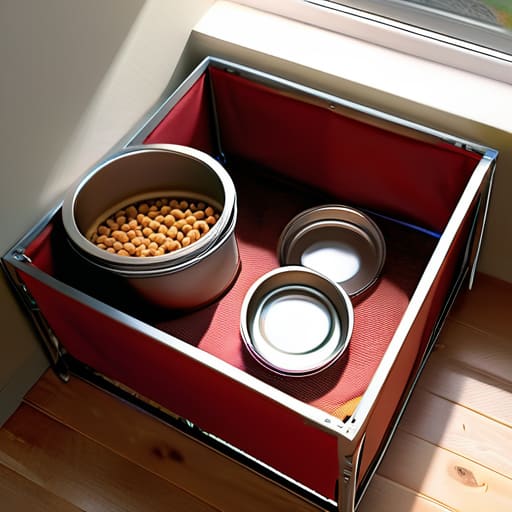
Before you bring that little ball of fur through the front door, you need to stop thinking about “decorating” and start thinking about creating a kitten sanctuary. I’ve seen too many people dump a new kitten into a massive, open-concept living room and wonder why the poor thing spends the next three days vibrating under a sofa. A kitten’s world is defined by what they can touch and where they can hide. You want a small, “base camp” room—a bathroom or a spare bedroom works best—where the perimeter is tight and the distractions are low.

When gathering your essential supplies for new cats, don’t just grab the cheapest litter box on the shelf. Get a low-entry one so they don’t have to hurdle a wall while they’re still learning their footing, and make sure the food and water aren’t right next to the litter; cats are instinctively clean, and they won’t eat if they feel they’re dining in a bathroom. Most importantly, provide verticality. Even a small cardboard box turned on its side offers a sense of security that a wide-open floor simply cannot.

Essential Supplies for New Cats What Costs Money and What Matters

Essential Supplies for New Cats What Costs Money and What Matters

Look, you don’t need a $300 automated fountain that promises to “whisper” while your cat drinks. You need a heavy ceramic bowl that won’t tip over and a high-quality food they’ve already been eating at the shelter. Changing their diet during the initial cat acclimation period is a fast track to expensive diarrhea and a very stressed-out owner. If you want to save money, spend it on a sturdy, high-walled litter box and a vertical space—like a simple cat tree—rather than some fancy gadget that’s just going to collect dust.

The real money is in the things that actually facilitate feline stress reduction tips, like high-quality pheromone diffusers or calming supplements. I’ve seen plenty of people skip the “extra” stuff to save a few bucks, only to end up paying triple at the clinic because a terrified cat decided to hide in the drywall or stop eating entirely. If you have a limited budget, prioritize the basics: food, litter, and a safe hiding spot. Everything else is just window dressing.

The First Week: Reading the Body Language Before You Panic

  • Stop trying to be their best friend immediately. I’ve seen owners spend three hours trying to coax a terrified rescue out from under a sofa, only to end up with a scratched hand and a stressed-out cat. If they’re hiding, let them hide. A cat that feels they have a “safe zone” they aren’t allowed to leave will settle twice as fast as one that is constantly being poked and prodded to “see if they’re okay.”
  • Watch the litter box like a hawk. In my thirty years, I’ve seen more “settling in” issues turn into medical emergencies because an owner thought a cat was just being shy, when really they were straining. If they are using the box normally, they’re adjusting. If they are going outside the box, or worse, if you see them straining or crying while trying to go, that’s not “anxiety”—that’s a potential blockage or UTI, and you need to call the vet, not wait for them to “get used to the new house.”
  • Keep the food schedule predictable, even if it’s boring. Cats thrive on routine because it signals safety. If you’re feeding them twice a day, do it at the same time. If they aren’t eating, don’t immediately assume they’re depressed; check if they’re just overwhelmed by the new smells. However, if a cat hasn’t touched food for 24 hours—especially a small kitten—you don’t “wait and see.” You call the clinic. A cat that stops eating can go downhill into hepatic lipidosis (fatty liver) faster than you can say “vet bill.”
  • Scent is their version of a social media profile. Instead of bringing them into the whole house at once, take a cloth, rub it on their cheeks, and leave it in your living room. Take another cloth, rub it on your furniture, and put it in their “sanctuary” room. It helps them map out the territory without the physical threat of a giant human walking around. It’s free, it’s easy, and it works better than any expensive pheromone diffuser I’ve ever seen.
  • Monitor the “zoomies” versus the “hides.” There is a big difference between a cat that is exploring the house at 2:00 AM with dilated pupils (normal) and a cat that is perpetually hunched, unkempt, or refusing to move even for high-value treats (not normal). If they aren’t grooming themselves, their coat will start to look “spiky” or greasy within a few days. That’s a clinical sign of stress or pain, and that’s when you stop playing the “give them space” game and start looking for the underlying cause.

The Bottom Line: What You Actually Need to Watch For

Don’t panic over a little hiding; most cats need a few days to realize they aren’t about to be eaten, but if they stop eating or using the litter box entirely for more than 24 hours, that’s a vet visit, not a “wait and see” situation.

Skip the expensive, designer pheromone diffusers if money is tight, but do not skimp on high-quality, calorie-dense food—a new cat’s stress can tank their blood sugar, and a hungry cat is a stressed cat.

Keep your eyes on their output; if you see straining, vomiting, or diarrhea that looks like it’s more water than stool, call the clinic immediately because dehydration in a stressed cat happens much faster than you think.

The Difference Between Hiding and Being Terrified

“You’re going to see them tucked under the sofa or behind a chair, and your instinct will be to reach in and pull them out to ‘comfort’ them. Resist that. In my thirty years, I’ve seen more stress-induced urinary issues from over-handling a new pet than from letting them hide. If they’re eating and using the litter box, let them be. You aren’t being a bad owner by giving them space; you’re being a smart one.”

Marlene Ostrowski

The Long Game

Playing The Long Game with cats.

Look, you don’t need a designer cat tree or a fountain that costs more than your grocery bill to make this work. You need a quiet room, a predictable feeding schedule, and the discipline to not force an interaction when they’re hiding under the bed. Remember: the sanctuary setup is about safety, and the supplies are about stability. If they aren’t eating or using the litter box by the forty-eight-hour mark, stop reading blogs and call your vet. Most of the stress you’re feeling right now is just the friction of two different lives trying to merge into one, and that friction is normal.

I’ve spent thirty years watching animals transition from terrified, trembling wrecks to the kings and queens of the household. It doesn’t happen overnight, and it certainly doesn’t happen because you bought the most expensive organic treats on the shelf. It happens through the slow, quiet accumulation of trust—the moment they decide your lap is a safe place to nap or they finally stop flinching when you walk into the room. Be patient with them, and more importantly, be patient with yourself. You’re doing the work, and in the end, that’s what actually matters.

Frequently Asked Questions

My new cat has stopped eating and is hiding under the bed; is this just nerves or should I be worried about a medical issue?

If they haven’t eaten in 24 hours, stop worrying about “nerves” and start worrying about their liver. Cats can develop hepatic lipidosis—basically liver failure—scary fast when they stop eating. If they’re just hiding but still drinking and using the litter box, give it one night. But if they’re lethargic, vomiting, or haven’t touched food by tomorrow morning, don’t wait for an appointment. Get them to the vet. It’s better to pay a consultation fee than to treat organ failure.

How much should I realistically budget for those first few months of unexpected vet visits and vaccinations?

Look, don’t let anyone tell you it’s just the cost of the food. Between the initial core vaccines—rabies, FVRCP—and that first deworming, you’re looking at $200 to $400 right out of the gate. If they’re a rescue, budget another $300 for a baseline blood panel and a wellness exam to catch things like kidney issues or parasites. If you want to sleep at night, set aside $500 for those “just in case” emergency visits.

If my resident dog is acting aggressive or territorial toward the new cat, do I need to separate them permanently or can this be fixed?

It depends on the “why.” If your dog is just barking at the door or guarding a specific toy, that’s territoriality—we can fix that with management and training. But if there is actual physical aggression—snapping, lunging, or pinning the cat—you have to separate them immediately. I’ve seen too many “fixable” situations turn into a trip to the ER for a punctured lung. Use baby gates. If they can’t coexist safely, permanent separation isn’t a failure; it’s responsible.

Normal Temperature Ranges and How to Actually Take One

Guide on how to take a pet's temperature.

I can still smell the antiseptic and the underlying scent of a sick Golden Retriever from a case I handled back in ’98. The owner was frantic, staring at her phone, trying to Google “how to take a pet’s temperature” while her dog was clearly shivering and listless. She was looking for a magic answer online, but all she really needed was a steady hand and a digital thermometer. Most people think you need a medical degree or some high-tech infrared gadget to figure out if your animal is running a fever, but they end up wasting precious time—and money—chasing myths instead of looking at the actual numbers.

I’m not here to give you a textbook lecture or sell you a fancy piece of equipment you don’t need. I’m going to show you exactly how to do this without getting bitten, scratched, or making a mess of your living room. I’ll tell you what a “normal” reading actually looks like, which numbers mean you can wait until morning, and which ones mean you need to grab your keys and head to the ER right now.

Table of Contents

Why Pet Temperature Reading Accuracy Actually Matters

Why Pet Temperature Reading Accuracy Actually Matters

Look, I know nobody enjoys playing doctor with their pet, especially when you’re trying to avoid a frantic midnight run to the ER. But here is the reality: a thermometer is one of the few objective tools you actually have at home. Most people rely on how their dog or cat looks—are they lethargic? Are they hiding under the bed? Those are valid pet health indicators, but they are subjective. A pet can look perfectly fine while their internal furnace is slowly cooking them from the inside out.

If you get a reading that’s off because you used a cheap oral thermometer or you didn’t get a deep enough reading with a rectal thermometer for pets, you are flying blind. An inaccurate number might give you a false sense of security when your cat is actually mounting a fever, or it might send you into a panic over a decimal point that doesn’t matter. Getting that number right is the difference between “we can monitor this until morning” and knowing exactly when to call a veterinarian before things turn irreversible.

Choosing the Right Rectal Thermometer for Pets

Choosing the Right Rectal Thermometer for Pets

Don’t go running to the drugstore and grabbing a flimsy digital thermometer meant for a human child. I’ve seen people try it, and frankly, it’s a recipe for a broken device and a very stressed-out animal. You need a dedicated rectal thermometer for pets—one with a slim, flexible tip and a shorter probe length. Human thermometers are often too long and rigid; if you’re trying to navigate a squirming ten-pound cat, you don’t want to be fighting a piece of stiff plastic that feels like it’s going to snap.

I always tell my fosters to look for something digital with a fast readout. You want a reading in under thirty seconds if possible, because let’s be honest, most dogs aren’t going to sit still for a minute of precision. While pet temperature reading accuracy is the goal, the real priority is safety and speed. If you can, grab one that has a built-in memory function so you aren’t squinting at a tiny, blurry screen while trying to keep a heavy terrier from jumping off the exam table.

Five Things I Learned From Decades of Doing This in the Exam Room

  • Forget the oral thermometer; it’s a waste of your time and a recipe for a bitten finger. Unless you’re dealing with a very cooperative, very large dog, you need to go rectal. It’s the only way to get a reading that actually reflects their core temperature, and after thirty years, I’ve stopped apologizing for that reality.
  • Use enough lubricant to make it slide, not just a smear. I’m talking about a generous amount of water-soluble lube—not Vaseline, because that’s a nightmare to clean out—to ensure you aren’t causing discomfort or injury. If you’re struggling, you’re doing it wrong; stop, calm the animal, and try again.
  • Lubricate the thermometer, but also lube your finger. If you’re restraining a cat or a nervous terrier, you need one hand for the thermometer and the other for stability. A little bit of lube on your index finger makes the whole process faster and less stressful for both of you.
  • Watch the clock, not just the beep. Most digital thermometers take about 30 to 60 seconds. Don’t pull it out the second you hear a click; hold it steady. I’ve seen plenty of people pull it too early and get a reading that’s a full degree off, which is the difference between “call the vet Monday” and “go to the ER now.”
  • Keep a “normal” number in your head. For dogs and cats, that’s usually between 100°F and 102.5°F (37.8°C to 39.2°C). If you hit 103.5°F, you aren’t looking at a “wait and see” situation; you’re looking at a fever, and you need to be prepared to call your vet immediately.

The Bottom Line on Temperature

Don’t trust an ear thermometer or a forehead scan; if you want a number you can actually base a medical decision on, you have to go rectal, or you’re just guessing.

A temperature above 103°F (39.4°C) or below 99°F (37.2°C) isn’t a “wait and see” situation—that is a “call the emergency vet now” situation.

Keep a digital thermometer in your kit and use plenty of water-based lubricant; it’s uncomfortable for a second, but it’s a lot better than the alternative if they’re actually sick.

The Difference Between a Number and a Crisis

“I’ve spent three decades watching owners stare at a thermometer like it’s a math problem they can’t solve, but here is the reality: a temperature isn’t just a number on a screen, it’s your first real warning shot. If you’re hovering at 101, you can breathe; if you hit 104, stop reading my blog and start your car, because by the time they look lethargic, you’re already behind the curve.”

Marlene Ostrowski

The Bottom Line

The Bottom Line: Monitor pet temperature.

Look, I know nobody wakes up excited to play the part of a nurse to their own pet, especially when it involves a rectal thermometer and a bit of a struggle. But if you’ve followed what I’ve said, you know the drill: get a digital thermometer designed for medical use, use plenty of lubricant, and keep a steady hand. Remember that a normal temperature for most dogs and cats sits between 100.5°F and 102.5°F (roughly 38°C to 39.2°C). If you hit 103.5°F or drop below 99°F, stop playing detective and call your vet immediately. Don’t waste time trying to “cool them down” with a bath or waiting for the morning if they are lethargic or refusing food alongside that fever.

At the end of the day, being a pet owner is about more than just the fun stuff like walks and treats; it’s about being the one person who actually knows what’s going on when their body starts to fail. You are their only advocate. When you take that temperature, you aren’t just checking a number on a screen—you are gathering the most vital piece of data that can bridge the gap between a routine appointment and an emergency room visit. It isn’t glamorous, and it certainly isn’t easy, but your ability to stay calm and precise is exactly what will save their life when it matters most.

Frequently Asked Questions

What exactly is a "normal" temperature for a dog versus a cat, and at what specific number should I stop reading and start driving to the emergency vet?

For both dogs and cats, “normal” sits between 100.5°F and 102.5°F (38°C–39.2°C). If you’re seeing 103°F, they’re running a fever; if it’s 99°F, they’re dropping. But listen to me: if that number hits 104°F or dips below 99°F, stop reading this and start driving. Don’t wait for a callback from your vet. At those extremes, you aren’t just dealing with a sniffle; you’re dealing with potential organ failure or shock. Go now.

I've tried using a digital thermometer on my cat's mouth and it didn't work; is there any way to get an accurate reading without the rectal method?

Look, I’ll be blunt: if you aren’t going rectal, you aren’t getting a clinical reading. Oral temperatures in cats are notoriously unreliable because they pant, they lick, or they just won’t hold the probe still. You might get a number, but it’s a guess, not a measurement. If you’re trying to gauge a fever, a “guess” can be the difference between monitoring them at home and rushing to the ER. Use the rectal method. It’s unpleasant, I know, but it’s the only way to know for sure.

If my pet is shivering or acting lethargic, does that change how I should interpret the temperature reading I just took?

If they’re shivering or lethargic, that temperature reading is your most important piece of data, but don’t read it in a vacuum. Shivering can be a sign of a fever trying to break, or it could mean they’re actually hypothermic. If the number is high (over 103°F) and they’re lethargic, they’re sick. If it’s low (under 99°F) and they’re shivering, they’re crashing. In either case, stop playing thermometer and call the vet.