
I’ve spent thirty years watching owners walk into my clinic with a cat that is straining, crying, or—worst of all—soaking the rug because they were following some “lifestyle” blog that suggested one designer, scented litter box was plenty. People love to overcomplicate things with expensive crystals and scented grains, but they completely miss the biological reality of the animal. When you start Googling how many litter boxes a cat needs, you’ll find a lot of fluff about “feline enrichment,” but what you actually need to know is the math of preventing a urinary blockage. I’ve seen too many cats end up in an emergency ICU—costing you a thousand dollars or more in a single night—simply because their owner didn’t realize that one box isn’t just “inconvenient,” it’s a medical risk.
I’m not here to sell you a subscription to a monthly litter delivery service or tell you that your cat needs a custom-built furniture enclosure. I’m going to give you the unvarnished truth based on three decades of seeing what happens when the math is wrong. I’ll tell you exactly how many trays you need to keep, how to spot the difference between a “grumpy” cat and a dying one, and why your current setup might be a ticking time bomb for your wallet.
Table of Contents
The Cat Litter Box Ratio Rule You Cant Ignore

The math is simple, but people always try to negotiate with it. The standard cat litter box ratio rule is N+1. That means if you have one cat, you need two boxes; if you have three cats, you need four. I know, it sounds excessive when you’re looking at your floor space, but you aren’t just providing a toilet; you’re providing options. In a multi-cat household, a single box becomes a contested territory. If one cat is a bully or even just a “territorial lingerer,” the other cats will start looking for alternative places to go—like your laundry basket or the edge of your rug.
When you’re managing multiple cats’ bathroom needs, you have to stop thinking about convenience and start thinking about feline psychology. A cat doesn’t think, “I’ll just wait until the other cat is done.” They think, “That box is occupied, and I’m not taking a risk.” If you start seeing signs of litter box aversion, like a cat suddenly urinating on a tiled floor or near a window, don’t assume they are being spiteful. They are telling you the current setup is failing them. It’s usually not a behavior problem; it’s a math problem.
Managing Multiple Cats Bathroom Needs Without the Chaos
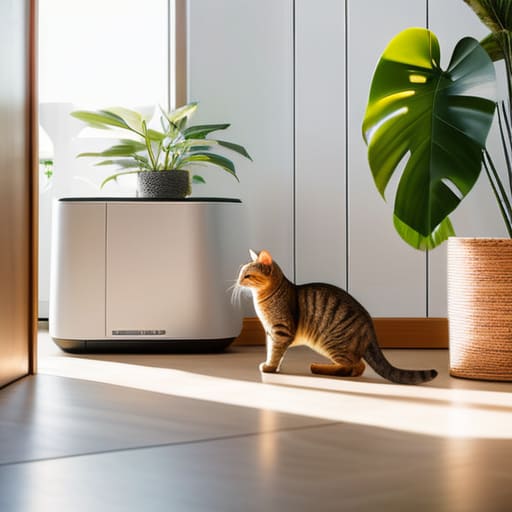
When you’re managing multiple cats’ bathroom needs, the biggest mistake people make is thinking they can just stack three boxes in one corner of the laundry room. That’s not three stations; that’s one station with three options. If your cats are territorial, they’ll view that corner as a single “zone,” and if one cat decides to guard it, the others are effectively locked out. To avoid signs of litter box aversion, you have to spread them out. Think of it like bathroom access in a large house—you wouldn’t put every single toilet in one tiny closet and expect people to be happy.
Placement is just as vital as the count. I always tell owners that the best locations for cat litter boxes are in quiet, low-traffic areas where a cat won’t feel ambushed, but they shouldn’t be tucked behind a heavy door that might accidentally slam shut. You want them accessible but private. If you have a multi-story home, put a box on each floor. It’s an extra $30 and a bit of floor space, but it’s much cheaper than the $400 vet bill for a urinary blockage because a cat was too intimidated to walk down the stairs.
Five Practical Realities of the Litter Box Setup
- Don’t group the boxes together. If you put three boxes in one laundry room, you haven’t given your cat three options; you’ve given them one big, smelly option. Spread them out—one in the living area, one in a quiet corner, one in the basement—so a cat doesn’t feel “trapped” in one part of the house by another cat.
- Watch the “straining” signs. If you see a cat hovering over the box or spending ten minutes in there only to produce nothing, that isn’t a litter box math problem, it’s a medical emergency. If it’s a male cat, that’s a potential urinary blockage, and you’ll be paying an emergency vet fee upwards of $500 to $1,000 before the sun comes up.
- Size matters more than the count. I’ve seen people buy three tiny, hooded trays for a 6kg cat, and it’s useless. The box needs to be at least 1.5 times the length of the cat from nose to base of tail. If they can’t turn around comfortably, they’ll start treating your rug like a bathroom instead.
- The “Scoop or Quit” rule. In my thirty years, I never saw a cat “forget” how to use a box; I saw owners who waited too long to clean them. If you have three cats, you are scooping every single day. If you skip a day, you’re essentially asking a clean animal to go in a pile of waste, and they will find a cleaner spot—like your bed.
- Avoid the “hooded box” trap unless you have no choice. Those covered boxes look tidy, but they trap ammonia. If the smell is concentrated in a small plastic cave, the cat won’t want to go in there. Open-top boxes are easier to clean, easier to monitor for health issues, and much less likely to become a localized biohazard in your hallway.
The Bottom Line: Don't Wait for a Symptom to Add a Box
Follow the N+1 rule—one box per cat, plus one extra—not because it’s a suggestion, but because it’s the most effective way to prevent urinary blockages and stress-induced cystitis.
Watch for “box avoidance” behaviors like straining, crying, or going outside the box; if you see these, adding a box might help, but you’re likely already looking at an urgent vet visit.
Location matters as much as quantity; if you put three boxes in the same laundry room, you might as well only have one, because a dominant cat can “guard” that single doorway.
The Cost of Cutting Corners
“I’ve spent too many nights in the ER treating cats for urinary obstructions that could have been prevented by a twenty-dollar plastic tray and a little more floor space. People think adding a second or third box is a nuisance, but in my experience, it’s a lot cheaper and a lot less traumatic than a three-thousand-dollar surgical emergency because your cat decided they didn’t like the ‘vibe’ of their only bathroom.”
Marlene Ostrowski
The Bottom Line on Boxes

At the end of the day, the math is simple even if it feels like overkill to your floor plan: N+1 is the standard for a reason. If you have one cat, you need two boxes; if you have three, you need four. I’ve seen too many owners try to “save space” only to end up in my old clinic’s exam room with a cat suffering from cystitis or a urinary blockage because they were too stressed to use a single, shared tray. Remember that placement matters as much as quantity—don’t tuck every single box into one cramped laundry room corner where a cat feels trapped. If you see a change in their bathroom habits, don’t assume it’s just a behavioral quirk; treat it as a signal that their environment or their bladder is failing them.
Providing extra litter boxes isn’t about being a “fussy” pet owner; it is about removing the friction between your cat and their basic biological needs. It is much cheaper to buy a plastic tray today than it is to pay an emergency vet technician to catheterize a straining male cat at three in the morning. You are their advocate, their guardian, and the only one who can interpret their silence. When you get the setup right, you aren’t just managing waste—you are providing the peace of mind that allows an animal to feel truly safe in their own home.
Frequently Asked Questions
What if my cat is still using the box but only doing a little bit at a time—is that a behavior issue or something more serious?
If your cat is “micro-peeing”—going a little bit every time—stop looking for behavior training and start looking for a vet. In my experience, that’s rarely a grudge against the litter; it’s usually a sign of discomfort. They feel the urge, they go, but it hurts too much to finish, so they stop. Whether it’s a UTI or a blockage, that’s a “go to the emergency vet tonight” situation, not a “wait and see” one.
Is there a point where having too many boxes actually causes more problems than it solves?
Look, I’ve seen people turn their laundry rooms into literal sand pits because they’re terrified of a single missed scoop. Honestly? You can overdo it. If you have ten boxes for two cats, you aren’t “ensuring cleanliness”; you’re just creating more surfaces for dust, tracking, and bacteria to hide. Once you hit that N+1 ratio, stop. More boxes won’t fix a behavioral issue or a UTI—it just makes your vacuuming job a nightmare.
If I can't afford to buy three or four extra boxes right now, what's the absolute minimum I can get away with before I'm risking a urinary blockage?
Look, I get it. A sudden trip to the pet store for three more trays isn’t always in the budget. If you’re flying solo with one cat, you need at least two boxes. If you have two cats, you need three. If you drop below that “N+1” rule, you’re playing a dangerous game with their bladder. If they start straining or going outside the box, that’s not a behavioral issue—it’s a medical emergency.