
Stop wasting your money on those “essential” luxury pet starter kits you see all over Instagram. You don’t need a designer velvet pet bed or a three-tier automated feeding station to successfully figure out how to prepare your home for a new pet. I’ve spent thirty years in vet clinics watching owners walk in with a house full of expensive gadgets but a pantry full of the wrong food and a living room full of hidden hazards that a puppy could swallow in five minutes. Most of that “must-have” list is just marketing fluff designed to separate you from your hard-earned cash before the animal even walks through your front door.
I’m not here to sell you a lifestyle; I’m here to help you avoid a $2,000 emergency vet bill. In this guide, I’m going to give you the actual, unvarnished checklist of what matters—from the toxic plants you need to toss immediately to the specific ways you should set up your space to minimize stress and accidents. I’ll tell you what’s worth your time, what’s a waste of money, and exactly what you need to have ready so that your first night together is about bonding, not a midnight trip to the ER.
Table of Contents
Essential Pet Ownership Supplies That Actually Matter
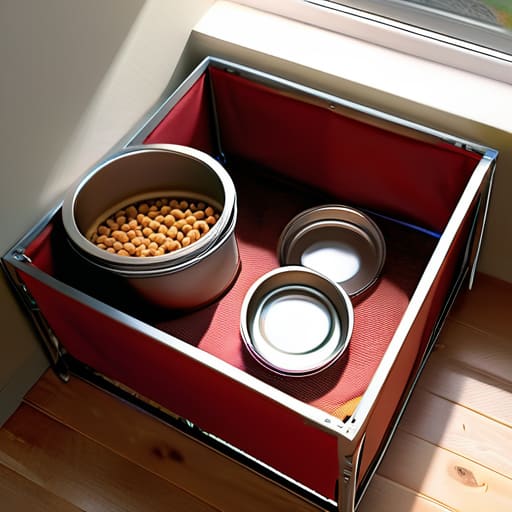
Look, you don’t need a designer pet bed that costs more than your monthly grocery bill, and you certainly don’t need those automated gadgets that promise to solve everything. When I was working the floor, I saw more “high-tech” failures than I care to count. Focus on the basics: a heavy-duty crate, high-quality food that actually agrees with their gut, and bowls that won’t tip over. If you’re bringing home a small animal, your essential pet ownership supplies should prioritize stability and accessibility. I always tell new owners to buy two sets of everything—one for the house and one for the car—because if you’re rushing to the vet at 2:00 AM, you don’t want to be hunting for a leash or a travel carrier.
Beyond the gear, you need to think about your chemistry. I’ve spent far too many shifts cleaning up “accidents” that were actually poisonings. Start creating a safe space for new pets by swapping out your scented candles and harsh floor cleaners for pet safe household products. Most people don’t realize that a “lemon-scented” cleaner can be a death sentence for a curious kitten. It’s a small upfront cost that prevents a massive emergency room bill later.
Setting Up a Pet Station That Works
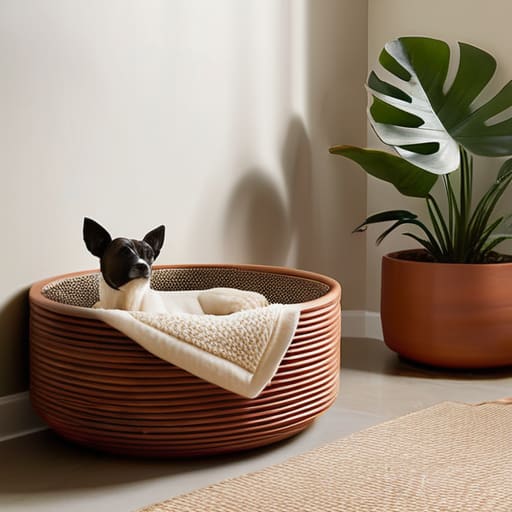
When you’re setting up a pet station, don’t just shove a bowl and a bed in a corner and call it a day. If you’re bringing home a nervous rescue or a high-strung kitten, they need a “den”—a specific, quiet zone where they can retreat when the house gets too loud. I’ve seen too many dogs chew their way through a living room because they felt cornered and had nowhere to hide. Put their station in a low-traffic area, ideally away from the kitchen or the main hallway. If they feel like they own that specific square footage, they’re much more likely to settle down and actually use the expensive bed you just bought.
Efficiency matters here, too. Keep your cleaning supplies, food, and any pet safe household products in one centralized, reachable spot, but keep the chemicals locked away. I’m talking about a dedicated cabinet or a high shelf. You don’t want to be hunting for a specific enzyme cleaner at 2:00 AM because a puppy had an accident on the rug. Having your essentials organized in one place makes managing the daily mess—and the inevitable training hiccups—a lot less stressful for you and much more predictable for them.
The "Don't Pay the Emergency Room Tax" Checklist
- Get down on your hands and knees and actually look at your floor. If you have a puppy or a kitten, anything dangling—shoelaces, loose electrical cords, or even those decorative tassels on a rug—is a potential strangulation or electrocution hazard. I’ve seen enough “accidents” that were actually just owners being too lazy to check under the sofa, and those ER visits start at a baseline of $200 before they even touch the animal.
- Audit your houseplants like you’re checking a pharmacy shelf. Lilies will kill a cat in hours, and Sago Palms will destroy a dog’s liver faster than you can grab the leash. Don’t just Google “is this plant safe”; check the specific species name. If you aren’t 100% sure, put the plant in a room the pet can’t access. It’s cheaper than a $1,500 decontamination protocol.
- Secure your trash cans. It sounds trivial until you’re sitting in a waiting room at 2:00 AM because your new rescue decided to eat a discarded chicken bone or a piece of chocolate. Get heavy, lidded bins—the kind that require a foot pedal or a firm grip. A “home remedy” for a swallowed foreign object doesn’t exist; you either get them to a surgeon or you watch them suffer.
- Check your “small things” stash. I’m talking about the loose coins, the hair ties, the Lego bricks, and the human medications left on the nightstand. For a small breed or a kitten, a single Ibuprofen is a toxic overdose. I always tell people: if it’s small enough to swallow, it’s a hazard. Keep your meds in a locked box, not a decorative jar on the counter.
- Set up a “safe zone” that isn’t just a cage. Whether it’s a crate or a small gated room, it needs to be somewhere they can retreat when the house gets loud. But here’s the real tip: make sure that zone is easy for you to clean. If you’re struggling to scrub a floor because your setup is awkward, you’re going to cut corners on hygiene, and that’s how you end up dealing with skin infections or parasites.
The Bottom Line: What You Actually Need to Know Before They Arrive
Don’t get distracted by the “cute” stuff; focus your budget on high-quality food, a sturdy crate, and a reliable leash, because a $50 designer bed won’t help you if you’re too broke to afford the vet bill for a swallowed sock.
Audit your floorboards and counters for “hidden” killers like lilies, cocoa mulch, or loose electrical cords, because by the time you see them chewing it, you aren’t just looking at a cleaning bill—you’re looking at an emergency room visit that starts at a $150 minimum.
Set up your zones with intention, making sure the food station and the bathroom area aren’t fighting for the same square foot of space, because a stressed animal is an animal that’s more likely to have an accident or an eating issue.
The Real Cost of Being Unprepared
“Don’t spend a fortune on designer beds or fancy gadgets you’ll stop using in a month; instead, spend your time and money on the boring stuff—the sturdy gates, the non-toxic plants, and the secure latches—because the most expensive thing you’ll ever buy is an emergency vet visit for something you could have prevented by just looking at your floorboards.”
Marlene Ostrowski
The Reality of the First Week
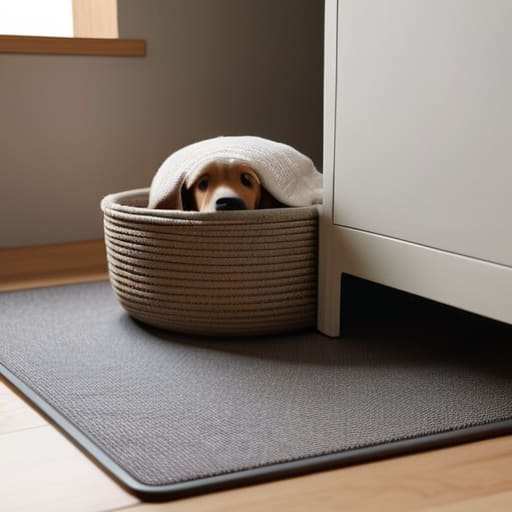
At the end of the day, preparing your home isn’t about having the most expensive orthopedic bed or the designer ceramic bowls you saw on Instagram. It’s about the unglamorous stuff: securing the loose wires, double-checking that your cleaning supplies aren’t within reach of a curious snout, and having a dedicated space where they can actually decompress. You don’t need a house full of gadgets; you need a controlled environment where you can manage their safety and their bathroom habits without losing your mind. If you’ve got the basics—food, water, a way to keep them contained, and a plan for when they inevitably chew something they shouldn’t—you are already ahead of most people I saw walking through the clinic doors.
I know it feels overwhelming, and I know the sheer cost of getting everything “right” can make your eyes water. But remember that you aren’t just buying stuff; you are building a foundation of trust. There will be accidents on the rug and probably a few sleepless nights where you wonder if you’re cut out for this. That’s normal. Just focus on being consistent and observant. Once the chaos of the first few days settles, you’ll realize that the most important thing you brought into your home wasn’t a piece of equipment, but the commitment to being their advocate. You’ve done the work, now just go give them a chance to settle in.
Frequently Asked Questions
How much should I realistically budget for the first month of supplies and unexpected vet visits so I'm not caught short?
Look, don’t let a shiny pet store catalog fool you. For a new dog or cat, budget at least $300–$500 for the basics—food, litter, crates, and preventative meds. But the real killer is the “oops” fund. I’ve seen too many people freeze up in an exam room because they didn’t realize a single emergency visit can easily hit $500–$1,000. If you can’t set aside an extra $1,000 right now, you aren’t ready.
I have a house full of existing pets; how do I introduce a newcomer without causing a fight or a trip to the emergency clinic?
Don’t skip the “scent swap” phase. If you just throw a new dog into a room with your resident cat, you aren’t testing their friendship; you’re testing their reflexes, and someone’s going to end up in the ER with a torn ear or a scratched cornea. Swap bedding first. Let them smell each other through a door. If you see redirected aggression—one pet lunging at another because the newcomer startled them—stop. You can’t fix a fight once it starts.
Is it worth spending the extra money on "smart" pet gadgets, or should I just stick to the basic, heavy-duty gear that actually lasts?
Look, I’ve seen enough “smart” water fountains clog with hair and die within three months to know the score. If you’re asking me, stick to the heavy-duty basics. Spend your money on a solid, stainless steel bowl and a high-quality carrier that won’t crack when you’re rushing to an appointment. Gadgets are fine if you enjoy troubleshooting tech, but when your pet is sick, you want gear that just works, not something that needs a firmware update.