I spent thirty years watching people spiral into a panic because they read some “holistic” blog post that suggested expensive, unproven supplements could replace actual medicine. If you’re currently staring at a pill bottle or a syringe, wondering if you’re doing enough or if you’re just burning money, I want you to take a breath. Learning how to care for a cat with a chronic illness isn’t about finding a miracle cure or buying every fancy prescription diet on the shelf; it’s about the unsexy, daily grind of monitoring vitals, managing side effects, and knowing when a change in behavior is a minor hiccup or a looming crisis.
I’m not here to sell you a lifestyle or sugarcoat the reality of long-term care. I’m going to give you the clinical truth mixed with the practical reality of what this actually looks like in a living room at 3:00 AM. I’ll tell you which symptoms require an immediate trip to the ER and which ones can wait for your Monday appointment, and I’ll be honest about the costs of management so you aren’t blindsided. This is about steady, informed care, not guesswork.
Table of Contents
- Managing Feline Chronic Conditions Without Losing Your Mind
- Tracking Feline Health Symptoms Before They Become Emergencies
- The Practical Toolkit: Five Things That Actually Matter When You’re Managing a Sick Cat
- The Bottom Line: What You Actually Need to Carry Forward
- ## The Reality of the Long Haul
- The Long Haul
- Frequently Asked Questions
Managing Feline Chronic Conditions Without Losing Your Mind

When you’re managing feline chronic conditions, the biggest mistake I see is people trying to be “heroic” by doing everything at once. You can’t turn your home into a sterile ICU overnight without burning yourself out, and a stressed-out owner usually leads to a stressed-out cat. My advice? Start with a system. I’ve spent decades watching owners struggle with complex schedules, so I tell them to get a physical pill organizer—the kind meant for humans—and a dedicated notebook. You need to be tracking feline health symptoms daily, not just when you feel like it. If you wait until the cat is lethargic to realize they haven’t been eating well for a week, you’ve already lost the battle.
As for the actual medicine, forget the idea that every pill has to be a struggle. If you’re dealing with difficult cat medication administration tips, stop fighting them. If a pill is too big, crush it into wet food or use a pill pocket; if they won’t take it, ask your vet about a compounded liquid version. It might cost an extra twenty bucks, but saving your sanity and your relationship with your cat is worth the price of admission.
Tracking Feline Health Symptoms Before They Become Emergencies

You can’t rely on your memory when you’re sleep-deprived and staring at a cat that hasn’t touched its wet food. I spent three decades watching owners walk into the clinic saying, “He’s been acting a little off for a week,” only to find out the cat has been in crisis for ten days. When you’re tracking feline health symptoms, you need more than a vague feeling in your gut. Get a dedicated notebook or a simple spreadsheet. I want to see the numbers: how many milliliters of water they drank, exactly how many grams of kibble went missing, and the precise time they last used the litter box.
If you’re managing feline chronic conditions like kidney disease or hyperthyroidism, those numbers are your early warning system. A subtle drop in water intake might seem minor, but in a cat, it’s often the first domino to fall. Don’t just note that they “ate less”—note that the 4kg cat only ate 15 grams of food instead of his usual 40. That level of detail is what allows a vet to adjust a dosage before a crash happens, rather than just trying to stabilize a patient in the middle of the night.
The Practical Toolkit: Five Things That Actually Matter When You’re Managing a Sick Cat
- Get a digital scale and stop guessing. I don’t care if you think your cat looks “fine,” but if a 4.5 kg cat drops to 4.0 kg, that is a massive percentage of their body mass gone. In my experience, weight loss is the first red flag for kidney disease or hyperthyroidism, and by the time you see the ribs poking out, you’re already playing catch-up.
- Build a “Pharmacy Station” so you aren’t hunting for pills at 3:00 AM. If your cat is on a daily dose—say, 5 mg of something twice a day—keep the meds, a pill pusher, and a small jar of high-value treats in one dedicated spot. When you’re tired and the cat is being difficult, having everything within arm’s reach is the difference between a successful dose and a failed one.
- Learn the “Cost of Convenience” versus the “Cost of Crisis.” Buying a specialized prescription diet or a monthly preventative might feel like a hit to your wallet every month, but it is significantly cheaper than an emergency hospitalization for acute renal failure or a GI blockage. I’ve seen too many people skip the monthly meds to save fifty bucks, only to end up with a three-thousand-dollar ER bill two months later.
- Master the art of the “hidden” medication. If your cat is a fighter, don’t waste twenty minutes wrestling them; you’ll just end up stressed and they’ll end up terrified. Use a tiny bit of Churu or even a smear of plain, unflavored butter. If you have to go the pill-pocket route, make sure it’s a small amount so they actually swallow it instead of just spitting the treat out and leaving the pill on the floor.
- Know your “Red Line” symptoms. You need to decide, right now, while you are calm, what constitutes a midnight emergency. A single bout of vomiting might just be a hairball, but three bouts in four hours along with lethargy? That’s a trip to the ER. If they stop peeing entirely, that is a “drop everything and go” situation. Don’t wait for Monday to see if they “feel better” if they’ve hit your red line.
The Bottom Line: What You Actually Need to Carry Forward
Keep a dedicated notebook or a single digital note for every single dose, weight change, and odd behavior; when you’re standing in an exam room with a vet who has exactly twelve minutes to see you, “he’s been acting weird lately” is useless, but “he’s gone from 4.5kg to 4.1kg in ten days” gets you an answer.
Learn the difference between a “management” cost and an “emergency” cost so you aren’t paralyzed by sticker shock when it matters; a monthly prescription for kidney support is a predictable budget item, but a sudden refusal to eat can lead to a hepatic lipidosis crisis that will cost you a thousand dollars or more in a single night.
Trust your gut, but verify with data; if your cat is hiding more than usual or skipping meals, don’t wait for a forum to tell you it’s fine—check their hydration by gently pinching the skin on their shoulders and see if it snaps back, because if it stays tented, you aren’t waiting until Monday.
## The Reality of the Long Haul
Caring for a chronically ill cat isn’t about the grand gestures or the expensive supplements you see advertised on Instagram; it’s about the quiet, exhausting discipline of noticing that a three-year-old kidney patient is drinking five milliliters more water than they did yesterday, and having the guts to call the vet before that small change turns into a thousand-dollar crisis.
Marlene Ostrowski
The Long Haul
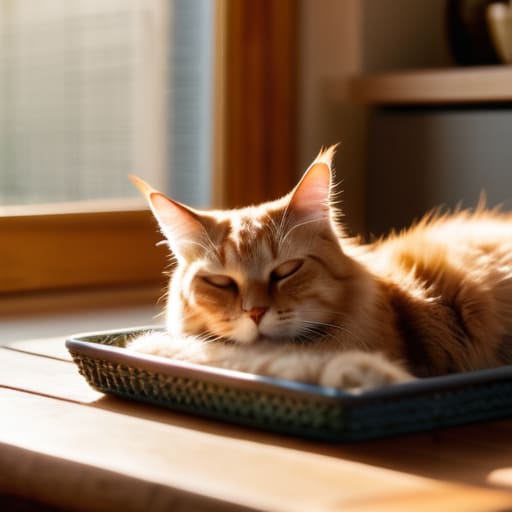
At the end of the day, managing a chronic illness isn’t about being a perfect medical professional; it’s about being a reliable observer. You’ve got the symptom logs, you know how to spot the difference between a “wait until Monday” lethargy and a “get in the car now” crisis, and you understand that the cost of the medication is often cheaper than the cost of an ICU stay. It’s going to be a lot of pill administration, a lot of specialized diets, and probably a fair amount of frustration when the numbers don’t seem to move. But you aren’t just managing a disease; you are protecting their quality of life by staying one step ahead of the decline.
I know it’s exhausting. I’ve sat in those exam rooms and watched owners go grey because they feel like they’re failing their pets every time a lab value fluctuates. But please hear me: you are doing the work that matters. A cat with a chronic condition doesn’t need a miracle; they need a steady hand and someone who pays attention. If you keep providing that stability, you aren’t just adding days to their life, you are adding life to their days. Take a breath, trust your gut, and remember that you’re doing a damn good job.
Frequently Asked Questions
How much am I actually going to spend on monthly medications and specialized food if my cat develops something like kidney disease or diabetes?
Let’s talk numbers, because “expensive” doesn’t help you when you’re standing at the pharmacy counter. For kidney disease, you’re looking at specialized renal diets—usually $50 to $80 a month—plus subcutaneous fluids and maybe phosphorus binders. Diabetes is steeper: insulin alone can run you $100 to $150 monthly, plus testing strips. Budget at least $200 a month for the “maintenance” phase. It’s a heavy lift, but it’s cheaper than an ICU stay for ketoacidosis.
My cat is acting a little "off" but still eating—is this just a side effect of their medication, or am I looking at a flare-up that requires an emergency visit?
If they’re still eating, you usually have a window of time, but “off” is too vague for me. Is “off” lethargy, or are they hiding in a dark corner? If they’ve stopped grooming or their breathing looks shallow, that’s a flare-up. Check their hydration—pinch the skin on their neck; if it doesn’t snap back, go now. Medication side effects usually settle in 48 hours; if it persists, call the vet tomorrow morning.
Is there any point in trying expensive prescription diets or supplements if my cat is already quite old and their organs are failing?
Look, I’ve sat in exam rooms where owners are staring at a $90 bag of renal diet like it’s a scam. Here’s the truth: if your cat is still eating and has some spark left, those diets can buy you quality months by reducing the workload on their kidneys. But if they’re already in end-stage failure and barely breathing, don’t bankrupt yourself. At that point, you’re paying for comfort, not a cure.