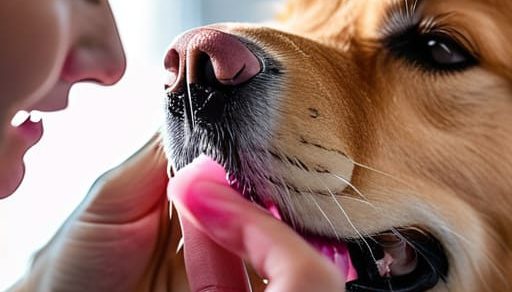
I’ve spent thirty years watching people pour fifty dollars into “natural” essential oil sprays or fancy herbal shampoos, only to end up in my clinic three weeks later with a dog covered in hot spots and a frantic owner holding a receipt. If you think you can just wash away a parasitic infestation with a bit of lavender and some good intentions, you aren’t just wasting your money—you’re inviting a crisis. Learning how to deal with fleas and ticks isn’t about finding the most expensive organic boutique product; it’s about understanding biology and knowing which preventative actually works when the local population spikes.
I’m not here to sell you a lifestyle or a miracle cure. I’m going to tell you what actually kills these pests, what the real-world costs look like for different brands, and—most importantly—how to tell the difference between a simple itch and a tick-borne illness that requires an emergency vet visit. I’ll give you the straight numbers and the clinical reality, without the fluff, so you can stop guessing and start protecting your pets.
Table of Contents
The Truth About Natural Flea Remedies for Dogs

I’ve spent enough time in exam rooms to know exactly why people turn to apple cider vinegar or essential oils. It’s usually because they’re scared of the chemicals, or they’re scared of the bill. I get it. But here is the clinical reality: most natural flea remedies for dogs are essentially just expensive ways to annoy a parasite rather than kill it. You might spray some rosemary water on your golden retriever and feel like you’ve done something, but you aren’t touching the flea life cycle stages happening in your carpet and baseboards. While you’re treating the dog, the eggs are hatching in your rug, and you’re just playing a losing game of whack-a-mole.
If you want to avoid the heavy-duty stuff, fine, but understand the trade-off. Natural methods rarely provide true pet parasite prevention; they just provide a temporary deterrent. If your dog is already scratching until they’re raw or developing hot spots, a home remedy isn’t going to cut it. At that point, you aren’t just dealing with an itch; you’re dealing with potential skin infections that will cost you three times as much in antibiotics and steroids. Don’t mistake a “natural” approach for an effective one when the infestation is already established.
Understanding Flea Life Cycle Stages to Stop the Cycle

If you think you’ve solved your flea problem because you don’t see any crawling bugs on your dog, you are likely falling into the most common trap in pet ownership. You’re only seeing the tip of the iceberg. In a typical infestation, the adult fleas you actually see represent maybe five percent of the total population. The other ninety-five percent are lurking in your carpets, your sofa seams, and your bedding as eggs, larvae, and pupae. Understanding these flea life cycle stages is the only way to stop the constant re-infestation cycle. If you only treat the animal and ignore the environment, you are essentially trying to bail out a sinking boat with a teaspoon.
The pupae stage is particularly nasty because it’s incredibly resilient. They can sit in your floorboards for months, essentially “sleeping,” waiting for the vibration of a walking pet to trigger a hatch. This is why many people feel like they’ve failed at household pest control for fleas when they see a new bug a week after treatment. It’s not that the medicine didn’t work; it’s that the environment just released a new wave. You have to be relentless with vacuuming and washing bedding in hot water to break that cycle.
Five Real-World Rules for Managing Parasites Without Breaking the Bank
- Stop looking for a “miracle” topical. Most of those cheap supermarket brands are basically flavored water that won’t touch a heavy infestation. If you’re seeing actual flea dirt—that little black pepper that turns red when you put it on a wet paper towel—you need a systemic oral medication like NexGard or Bravecto. It’s going to cost you between $25 and $50 a month depending on the dog’s weight, but it’s cheaper than treating a tapeworm infection later because your dog swallowed a flea.
- Treat the house, not just the animal. If your dog is 10kg, you can manage his dose easily, but you can’t “dose” your carpet. About 95% of a flea population is in your floorboards, rugs, and bedding in the form of eggs and larvae. You need to vacuum daily—and I mean every single day—to physically remove the eggs before they hatch, and you have to empty that vacuum canister outside immediately. If you don’t, you’re just running a flea nursery.
- Check the “hidden” spots during every petting session. I’ve seen owners swear their dog is flea-free because the coat looks fine, only to find a massive cluster of engorged ticks tucked deep inside the ear flaps or right in the groin area. When you’re checking, use your fingers to feel for anything that looks like a small, hard seed stuck in the skin. If you find one, pull it straight out with tweezers; don’t just grab the head, or you’ll leave the mouthparts behind and end up with an abscess.
- Know when a tick bite becomes an emergency. A single tick is a nuisance, but if you see your dog becoming lethargic, losing their appetite, or running a fever after a tick removal, you don’t wait for a scheduled appointment. You go to the vet. Tick-borne diseases like Anaplasmosis or Lyme can move fast, and the diagnostic bloodwork and antibiotics will cost significantly more than an early check-up would have.
- Don’t ignore the “itch-scratch” cycle. If your dog is obsessively licking their skin until it’s raw and red, you aren’t just dealing with fleas anymore; you’re dealing with Flea Allergy Dermatitis (FAD). At that point, even killing the fleas won’t stop the itching immediately because their immune system is already haywire. You’ll likely need a steroid or an Apoquel prescription from your vet to calm the inflammation, and that’s an extra trip and an extra cost you should budget for.
The Bottom Line on Fleas and Ticks
Don’t waste your money on “natural” essential oils or garlic if you actually want the infestation gone; you’re essentially paying for scented water while the fleas continue to breed in your carpet.
If you see flea dirt (that black, pepper-like grit) on your dog, you have a manageable problem, but if your pet starts losing patches of hair or acting lethargic, you need to see a vet to rule out flea allergy dermatitis or anemia.
Prevention is significantly cheaper than treatment; a monthly preventative might cost you $20-$40, but an emergency visit for a tick-borne illness or a massive flea-driven skin infection will easily run you several hundred dollars.
The Real Cost of "Wait and See"
“I’ve spent thirty years watching owners try to save twenty dollars on a prescription preventative with a ‘natural’ remedy they found on a forum, only to end up in my exam room six months later facing a three-thousand-dollar bill for a blood-borne parasite or a severe allergic reaction. If you see flea dirt on your dog’s skin, you can probably manage it, but if your pet starts acting lethargic or stops eating, stop looking for home cures and get to a vet tonight—because waiting until Monday is how a nuisance becomes a crisis.”
Marlene Ostrowski
The Bottom Line on Parasites

Look, I know it’s frustrating to spend forty or fifty dollars a month on a preventative that seems to do nothing when you see a single flea on the rug. But you have to remember that you aren’t just treating the dog sitting in front of you; you are trying to break a biological cycle that lives in your baseboards and your carpet. If you skip the monthly preventative because you think a dish soap bath or a rosemary spray will do the trick, you aren’t just saving money—you are essentially inviting an infestation to move in. Between the cost of a vet visit for flea allergy dermatitis and the potential for tick-borne diseases like Lyme, which can run you a thousand dollars in diagnostics and antibiotics, the math is simple: preventative care is the cheapest medicine you will ever buy.
At the end of the day, your pets rely on you to be their first line of defense. They don’t know what a tick is, and they certainly don’t understand the concept of a lifecycle. They just know how they feel. If you stay vigilant, keep up with the scheduled dosing, and don’t fall for the “natural” shortcuts that don’t actually work, you’ll save yourself a lot of sleepless nights and a lot of heartache. It isn’t always glamorous, and it isn’t always cheap, but being the advocate your pet needs is the most important job you have. Now, go check your dog’s ears and make sure they’re due for their next dose.
Frequently Asked Questions
If I find a tick embedded in my dog's skin, can I just pull it out with tweezers at home, or is that going to cause an infection?
You can use tweezers, but don’t just grab the body. If you squeeze the abdomen, you’re essentially injecting the tick’s gut contents—and whatever pathogens are in there—directly into your dog. Use fine-tipped tweezers, grab as close to the skin as possible, and pull straight up with steady pressure. If the head breaks off, don’t panic and dig for it; just clean the area. Watch for lethargy or fever over the next two weeks.
How much am I actually going to spend on preventative medication versus the cost of treating a full-blown flea allergy dermatitis flare-up?
Let’s look at the math, because this is where people get tripped up. A good monthly preventative will run you anywhere from $15 to $35 depending on your dog’s weight—let’s say 10kg for a small breed. Now, if you skip that and end up with Flea Allergy Dermatitis (FAD), you aren’t just buying flea meds. You’re paying for steroids to stop the itching, antibiotics for secondary infections, and probably a $200+ vet exam. You’re looking at hundreds, not dozens.
My dog is on a prescription flea preventative but I still see bugs—does that mean the medicine isn't working, or is my house just infested?
It’s usually a bit of both, but don’t panic. If your dog is on a prescription product like NexGard or Bravecto, the medicine is likely working—it’s just killing the bugs that are currently living in your carpets and bedding. You aren’t seeing “new” fleas; you’re seeing the ones that were already there. If you see a flea on your dog, it’s a sign your environment is infested. Clean the bedding, vacuum daily, and give it a few weeks. If you’re still seeing active, jumping fleas after a full month, then call the vet; the dose might be off or the product might be failing.