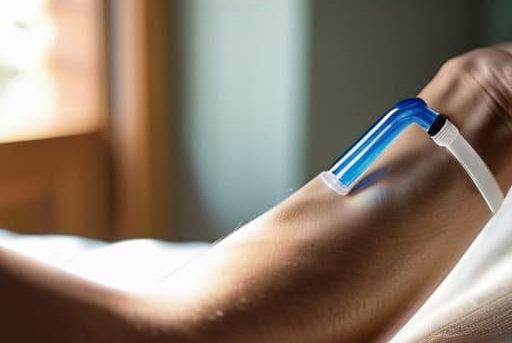
I’ve spent thirty years watching people stare at a bag of saline like it’s some kind of high-tech medical mystery, or worse, like it’s a magic potion that’s going to fix a failing kidney overnight. Let me clear something up right now: if you think understanding how subcutaneous fluids work is going to magically reverse chronic kidney disease, you’re going to end up heartbroken and broke. I’ve stood in exam rooms with owners who thought these fluids were a “cure,” only to realize too late that they were just buying a little more time. Fluids aren’t a miracle; they are a mechanical tool used to manage dehydration and keep a pet stable when their body can’t keep up on its own.
I’m not here to give you the glossy, textbook version of this procedure. I’m going to tell you exactly what happens when that needle goes in, how much you should realistically expect to pay for the supplies, and—most importantly—how to tell the difference between a pet that is getting better and a pet that is just being kept on life support. I’ll give you the clinical reality without the fluff, because you deserve to know the truth before you sign the consent form.
Table of Contents
The Science of the Subcutaneous Hydration Process
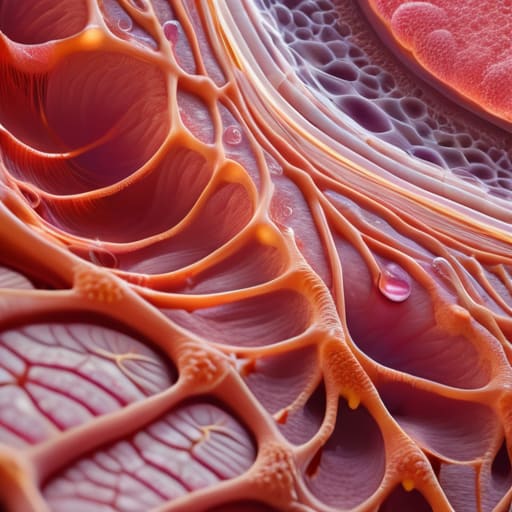
Look, I’m not going to give you a lecture from a textbook, but you need to understand what’s actually happening under the skin. When we talk about the subcutaneous hydration process, we aren’t talking about an IV drip that goes straight into the bloodstream. Instead, we are depositing a warmed saline solution into the loose space between the skin and the muscle. It sits there like a little water balloon. From there, the body has to do the heavy lifting; the capillaries in that area gradually pull the moisture from that pocket into the circulatory system through fluid absorption in tissue.
It isn’t instantaneous. If you’re expecting your cat to bounce back the second the needle comes out, you’re going to be disappointed. It’s a slow, steady soak. This is why fluid volume management is such a delicate balancing act for us in the clinic. We aren’t just trying to “wet” the animal; we are trying to replenish the cellular deficit without overwhelming their heart or kidneys. If the animal is severely dehydrated, that little pocket of fluid will disappear into the system relatively quickly. If they are stable, it might sit there for hours.
Fluid Absorption in Tissue Whats Actually Happening
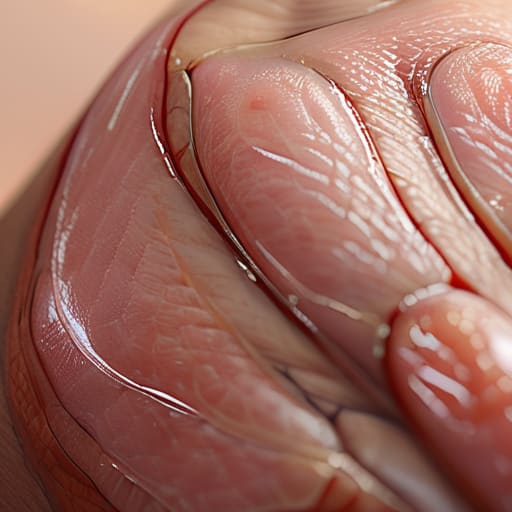
When you’re sliding that needle in, you aren’t hitting a vein; you’re creating a little reservoir in the space between the skin and the muscle. This is where the actual fluid absorption in tissue takes place. Once the bag is empty, you’ll see a visible “pocket” or tenting under the skin. It looks a bit alarming if you aren’t used to it, but that’s just the fluid sitting there waiting to be picked up by the lymphatic system and the capillaries.
The body doesn’t just gulp this down instantly. It’s a slow, steady soak. The subcutaneous hydration process relies on the body’s ability to gradually pull that moisture into the bloodstream to restore blood pressure and organ perfusion. Because it’s a slow soak, you can’t just dump a massive volume into a cat that’s already struggling with heart issues—that’s how we end up with pulmonary edema, which is a nightmare no one wants to deal with. You have to be precise with your fluid volume management to ensure you’re actually hydrating the cells rather than just overwhelming the system.
Five Things I Wish Every Owner Knew Before They Started Squishing Bags
- Don’t expect a miracle if they’re truly crashing. Subcutaneous fluids are for maintenance and mild dehydration—think of it like drinking a glass of water when you’re thirsty, not a blood transfusion when you’re hemorrhaging. If your cat is lethargic and won’t eat, fluids at home won’t fix the underlying kidney failure or infection; they’ll just buy you a few hours of false security.
- Watch the “pocket,” not just the clock. When I was training new techs, I told them to look for the skin to go flat. If you’re giving fluids and that lump stays hard or doesn’t move after a few hours, the body isn’t absorbing them. That can happen if the animal is severely hypoalbuminemic (low protein), and that’s a “call the vet now” situation, not a “wait until morning” one.
- Temperature matters more than you think. I’ve seen owners pull a bag straight from the fridge and inject it; that’s a fast track to making a cat miserable and potentially causing a shock response. Always run that fluid through your hands first. It should feel lukewarm, not cold. If you’re uncomfortable doing it, you’re going to be too shaky to do it right, and a shaky hand leads to accidental intravenous injection—which is a whole different emergency.
- Expect the “wet look.” When you’re injecting into the subcutaneous space—the layer between the skin and the muscle—the skin is going to look like a little tent or a water balloon. This is normal. It’s also going to feel weird. Don’t panic and stop halfway through just because it looks dramatic; as long as you aren’t hitting a vein or a muscle, that fluid needs to be there to do its job.
- Budget for the long haul, not just the bag. People often ask me, “Marlene, how much is a bag of Lactated Ringer’s?” and I tell them the cost of the fluid is the cheap part. The real cost is the needles, the catheters, the scale you need to weigh them accurately every single day, and the inevitable vet visit when the fluids stop working. If you can’t afford the follow-up bloodwork to see if the fluids are actually helping, you need to have a very honest conversation with your vet about palliative care versus aggressive treatment.
The Bottom Line on Subcutaneous Fluids
Fluids under the skin are a bridge, not a cure; they can stabilize a dehydrated cat or dog for a few days, but they won’t fix the underlying kidney disease or GI upset that caused the dehydration in the first place.
Watch the site, not just the animal; if you see redness, heat, or a hard lump that doesn’t go down within 24 hours, you aren’t just dealing with hydration issues anymore—you’re dealing with a potential infection or an abscess.
Don’t let “sticker shock” stop you from asking the hard questions; ask your vet if the fluids are meant to improve quality of life for a chronic condition or if they are a temporary measure to get an animal through an acute crisis, because knowing the goal helps you manage the cost.
The Reality of the Pocket
“Don’t let the sight of a little fluid tent under the skin fool you into thinking the problem is solved; subcutaneous fluids are just a way to buy us some time, not a way to fix the reason they’re drying up in the first place.”
Marlene Ostrowski
The Bottom Line on Fluids
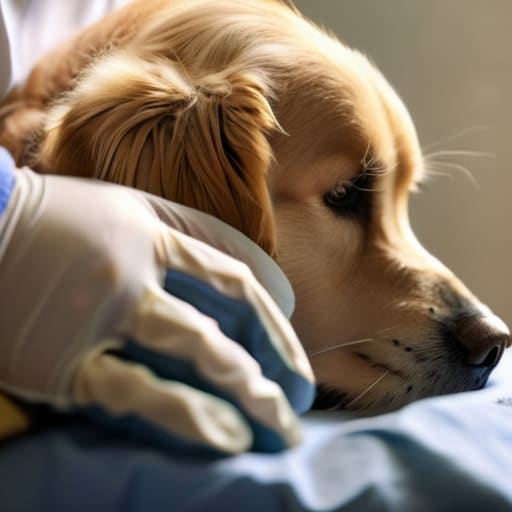
At the end of the day, subcutaneous fluids are a bridge, not a cure. They work by utilizing the space between the skin and the muscle to create a temporary reservoir that your pet’s body can slowly pull from as they need it. It is a mechanical way to fight dehydration when they can’t keep water down or when their kidneys are just struggling to keep up. But you have to remember: these fluids are a supportive measure, not a replacement for addressing the underlying cause—whether that’s kidney disease, GI upset, or something more systemic. If you’re seeing a “fluid pocket” that isn’t shrinking after 24 hours, or if your pet is still lethargic despite the hydration, you aren’t just dealing with a dry pet; you’re dealing with a medical crisis.
I know how intimidating it feels to hold that needle, especially when you’re already exhausted from worrying about them. But there is a profound kind of dignity in being able to provide that comfort in your own living room. You aren’t just “giving shots”; you are actively participating in their care and helping them feel a little more like themselves during a hard season. Just keep your eyes on the real indicators—their gum color, their energy, and their appetite—rather than just the number of milliliters you’ve pushed. You’ve got this, and more importantly, they’ve got you.
Frequently Asked Questions
How much does a bag of fluids actually cost, and am I going to be paying for these every single day?
Let’s talk brass tacks. A single 500mL bag of LRS or saline will run you anywhere from $15 to $30, depending on how much your vet marks up their supply. If you’re doing this at home, you’re also looking at the cost of needles, catheters, and administration sets—maybe another $10 to $15 per session. It adds up fast. You aren’t paying daily, but if your cat needs fluids three times a week, that’s a significant line item in your monthly budget.
How do I know if the fluid is actually being absorbed or if it's just sitting under their skin like a water balloon?
Look, I’ve seen plenty of owners panic because their cat looks like they’ve swallowed a literal water balloon. If you’re doing subcutaneous fluids, you’re going to see a pocket. That’s normal. You’ll know it’s absorbing when that “lump” flattens out over a few hours. If it’s still there, rock hard, or if your pet starts acting lethargic or vomiting, stop. That’s not absorption; that’s a complication, and you need to call the clinic.
Can I do this myself at home, or am I going to need a vet to come out and teach me how to not mess it up?
Look, you aren’t going to kill them by poking them, but you can certainly make things more difficult for yourself if you go in blind. You absolutely can do this at home, but don’t attempt it until a technician has physically guided your hands. I’ve seen owners get too nervous and hit a vein or cause a hematoma. Get the training first; once you understand the “pocket” and the flow, it’s just another Tuesday.