Marlene Ostrowski

What Changes in a Cat After Twelve

Tips on how to care for a senior cat.

I spent twenty-eight years in a small animal practice watching people pour hundreds of dollars into “senior wellness” supplements and overpriced, boutique grain-free kibbles that promised to stop the clock, only to have the cat die two weeks later from a completely preventable kidney issue. Most of the internet’s advice on how to care for a senior cat is written by people who have never actually had to hold a syringe or tell a weeping owner that the end is near. They focus on the fancy gadgets and the “miracle” powders, but they skip over the stuff that actually matters—the subtle changes in how your cat carries their weight or the specific way they’ve started using the litter box.

I’m not here to sell you a lifestyle brand or a subscription to a luxury pet food. I’m going to tell you what to look for in the exam room, what a real vet visit is going to actually cost you, and how to tell the difference between a cat who is just getting old and a cat who is in active crisis. I’ve seen thousands of cases from the other side of the table, and I promise to give you the clinical truth without the fluff.

Table of Contents

Recognizing Signs of Aging in Cats Versus Real Pain

Recognizing Signs of Aging in Cats Versus Real Pain.

It’s easy to look at a thirteen-year-old cat and shrug when they take a little longer to jump onto the sofa. You tell yourself it’s just part of the package—the inevitable signs of aging in cats. But there is a massive, clinical difference between a cat that is moving a bit more deliberately and a cat that is actively suffering. I spent decades watching owners mistake chronic discomfort for “just getting old.” If your cat is hesitating before a jump, or if they start grooming only one side of their body because the other side hurts too much to reach, that isn’t aging. That is pain.

When we talk about managing feline arthritis, we aren’t just talking about making them comfortable; we are talking about preventing the secondary issues that kill them faster, like obesity or muscle wasting. A cat in pain will stop eating, and a cat that stops eating is a cat heading straight for a metabolic crisis. If you see them hunched up, or if they react sharply when you touch their hips, don’t wait for your next scheduled wellness exam. That is your cue to call the clinic immediately.

Senior Cat Nutrition Requirements Fueling or Failing Them

Senior Cat Nutrition Requirements Fueling or Failing Them

When I was working the floor, I saw more cats go downhill because of a bowl of kibble than almost anything else. As they age, their metabolic needs shift, and what worked for them at three years old is often a slow poison at fourteen. You’re looking at senior cat nutrition requirements that prioritize high-quality protein to combat muscle wasting, but you have to balance that against their renal health. If your cat is starting to drink more water or losing weight despite eating more, we aren’t just talking about “getting old”—we are talking about senior cat kidney disease prevention. You can’t fix a failing kidney with a home remedy, but you can certainly make it harder on them with low-grade, high-phosphorus grocery store food.

I’ve also seen owners try to “fix” a stiff cat by just adding more calories, which is a mistake. If you are managing feline arthritis, you don’t want to add weight; you want to add nutrients like Omega-3 fatty acids that help with inflammation. A senior cat needs to be efficient, not just full. If they are picking at their food, don’t just assume they are being picky; check their teeth or consider warming the food up to make it more aromatic. Sometimes, the difference between a thriving old cat and a crashing one is simply how we manage the fuel we’re giving them.

The Practical Stuff: Small Changes That Prevent Big Problems

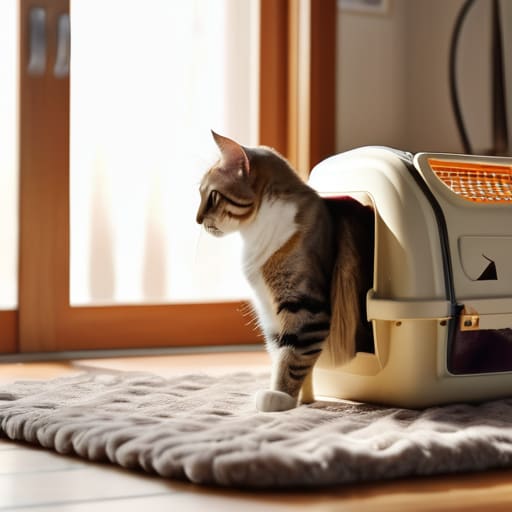
  • Watch the litter box like a hawk. If your cat is suddenly spending ten minutes digging or just staring at the box, it isn’t “old age”—it’s likely arthritis making it hard to step over the rim or a urinary issue that can turn into a life-threatening blockage in hours. If they’re straining, don’t wait for an appointment; go to the ER.
  • Invest in the environment, not just the treats. A cat with osteoarthritis (which is basically every cat over twelve) shouldn’t have to jump three feet to get to their food or their bed. Get low-entry litter boxes and heated orthopedic beds. A heated pad can be a godsend for stiff joints, but make sure it’s a pet-safe one so they don’t overheat.
  • Keep a close eye on the water bowl. Kidney disease is the great thief of the senior years, and the first sign is often just “increased thirst.” If you notice they’re drinking significantly more than they used to, or if they’re suddenly running to the water bowl every twenty minutes, get a blood panel done. It’ll likely cost you between $150 and $300 depending on the clinic, but catching kidney issues early is the difference between a manageable diet and a very expensive, very sad decline.
  • Dental hygiene isn’t optional. I’ve seen too many cats with “just a little bad breath” end up with systemic infections that hit the heart or kidneys. If their breath smells like something died in their mouth, they have periodontal disease. A professional cleaning under anesthesia is a significant expense—expect to see a bill between $400 and $800—but it’s cheaper than treating the organ failure that follows a tooth infection.
  • Don’t ignore the “weight drift.” In my experience, owners often miss the subtle transition from “slightly chunky” to “obese” or, more dangerously, the sudden loss of muscle mass. If you can feel their spine more prominently than you could six months ago, they are losing weight. In a senior, that’s rarely a good thing; it’s usually malabsorption or metabolic issues. Weigh them once a month—use a scale, don’t guess—and keep a log.

The Bottom Line for Your Senior Cat

Don’t mistake “getting old” for “suffering in silence”—if your cat is hiding in a dark corner or stops using the litter box, that’s not a personality shift, it’s a clinical sign that needs a vet’s eyes immediately.

Watch the weight, not just the food bowl; a senior cat losing even a few hundred grams can be the first red flag for kidney disease or hyperthyroidism, and catching it early is the difference between a manageable condition and a massive, expensive emergency.

Prepare your wallet for the “senior tax”—bloodwork, dental cleanings, and managing chronic issues aren’t optional luxuries, so if you can’t afford a $300 diagnostic panel now, you definitely won’t be able to afford the $3,000 hospital stay later.

## The Cost of "Wait and See"

“In my thirty years, I’ve learned that ‘waiting until Monday’ is often just a polite way of saying you’re hoping a problem will fix itself, but when it comes to a senior cat, a sudden change in appetite or a refusal to jump onto the bed isn’t just ‘getting old’—it’s a signal, and by the time they’re too tired to signal, you’re already paying for an emergency visit that could have been a routine checkup.”

Marlene Ostrowski

The Reality of the Golden Years

The Reality of the Golden Years: Senior cat.

At the end of the day, caring for a senior cat isn’t about chasing some impossible standard of “perfect” health; it’s about managing the decline with as much dignity as possible. You’ve learned to watch for the difference between a cat who is just getting a little slower and one who is actually suffering, and you know that their food needs to be more than just a bowl of kibble—it needs to be fuel that doesn’t tax their kidneys. It’s a constant balancing act of monitoring weight, adjusting environment, and knowing when to step in. Whether it’s adding a heated bed or finally having that difficult conversation with your vet about quality of life, your goal is to stay ahead of the curve so you aren’t constantly playing catch-up with a crisis.

I know it feels heavy sometimes. I’ve sat in those exam rooms and watched owners realize that the “quirks” they were seeing were actually symptoms, and I’ve seen the heartbreak that follows. But please remember that being a good advocate for your cat doesn’t mean you have to be a perfect vet; it just means you have to be present. You are the one who knows their specific purr, their specific gait, and their specific way of asking for help. If you keep your eyes open and your wallet ready for the necessary diagnostics, you aren’t just managing an aging animal—you are honoring a decade or more of companionship.

Frequently Asked Questions

My cat is sleeping more than usual, but she's still eating; is this just old age or is she hiding a chronic issue like arthritis?

Sleeping more is a hallmark of aging, but there’s a line between “senior nap” and “painful lethargy.” If she’s still eating, that’s a good sign, but watch how she moves when she finally gets up. Does she stiffen? Does she hesitate before jumping onto the couch? If she’s sleeping more because her joints ache, she isn’t just tired—she’s guarding herself. An exam and some NSAIDs might cost you $150–$300, but it’s better than letting her suffer in silence.

How much should I actually be budgeting for monthly medications and bloodwork once they hit that 12-year mark?

Look, I’m not going to sugarcoat it: once they hit twelve, you aren’t just paying for kibble anymore. For a single senior cat, I’d earmark at least $50 to $100 a month for the basics—think thyroid meds or joint supplements. But if kidney issues or diabetes creep in, that jumps to $150 or more. And don’t forget the twice-yearly bloodwork; budget another $200 to $300 per visit to catch the big stuff before it’s a crisis.

I see people talking about kidney diets online, but should I switch my cat to one now, or wait until the bloodwork actually shows a problem?

Don’t touch the food bowl until you see the lab results. I’ve seen owners switch to renal diets prematurely, and it can actually cause more harm than good if the cat is still healthy or needs different nutrients. Kidney diets are low in protein and phosphorus; if your cat doesn’t actually need that restriction, you’re just starving them of what they need. Wait for the bloodwork, see those creatinine and SDMA numbers, and then make the move.

The Complete Guide to How Much Exercise a Dog Needs

Complete guide to dog exercise needs.

Stop looking at those glossy, color-coded training calendars that promise a “complete guide to dog exercise needs” through a series of expensive agility classes and high-tech wearable trackers. Most of that is just expensive noise designed to make you feel guilty. I spent nearly three decades in a clinic watching owners come in with “over-exercised” Labradors that actually had undiagnosed hip dysplasia, or frantic owners who thought their sedentary Bulldog was “lazy” when he was actually just clinically obese. People treat exercise like a math equation, but a dog isn’t a machine you just run until the battery hits zero; they are living, breathing animals with varying levels of joint integrity and cardiovascular capacity.

I’m not here to sell you a subscription to a fitness app or a fancy new harness. I’m going to give you the unvarnished reality of what movement actually looks like across different breeds, ages, and health statuses. We’re going to talk about how to tell the difference between a dog that’s tired and a dog that’s actually in pain, and I’ll tell you exactly when you need to scale back before you end up with a massive vet bill for a torn ligament.

Table of Contents

Puppy Developmental Exercise Building Foundations Without Breaking Bones

Puppy Developmental Exercise Building Foundations Without Breaking Bones

Look, I’ve seen too many new owners try to “burn off” a puppy’s energy by taking them on a three-mile run through the park, and frankly, it’s irresponsible. Those growth plates in a puppy’s long bones are fragile, and if you treat a six-month-old like a marathon runner, you aren’t building fitness—you’re inviting orthopedic issues that will cost you thousands in surgery later. Puppy developmental exercise isn’t about distance or speed; it’s about short, controlled bursts of movement and, more importantly, mental stimulation for dogs. A ten-minute session of sniffing out treats in the grass will tire a puppy out more effectively than a frantic walk, without the risk of joint damage.

Focus on variety rather than intensity. Think of it as building a foundation rather than testing a chassis. You want to encourage controlled exploration—short walks on varied terrain and gentle play sessions—rather than repetitive, high-impact jumping or sprinting. If you’re dealing with a high-energy breed, the temptation to push them is even higher, but you have to be the adult in the room. Consistency beats intensity every single time when you’re working with a growing body.

High Energy Breed Activities Solving Boredom Before It Becomes Destruction

High Energy Breed Activities Solving Boredom Before It Becomes Destruction

If you’ve ever brought home a Border Collie or a Malinois and thought, “He’s just a little hyper,” you’re in for a rude awakening. These aren’t just “active” dogs; they are biological machines designed for a job. When you fail to meet their canine physical activity requirements, they don’t just sleep it off. They find a job, and usually, that job is deconstructing your baseboards or learning how to open the child-proof latches on the pantry. I’ve seen enough “destruction” cases in my thirty years to know that a chewed-up sofa is rarely about bad behavior—it’s almost always about unspent kinetic energy.

You cannot solve a high-drive breed’s boredom with a twenty-minute stroll around the block. For these dogs, physical movement is only half the battle; you have to incorporate serious mental stimulation for dogs to actually tire them out. I’m talking about scent work, advanced trick training, or long-duration puzzle feeders. If you don’t engage their brains, they will stay wired even after a three-mile run. A tired body is useless if the mind is still hunting for something to destroy.

Five Rules of Thumb to Keep Your Dog Moving Without Breaking Them

  • Stop measuring exercise in minutes and start measuring it in intensity. A twenty-minute sniffari where your dog is actually using their brain is often more exhausting—and better for their mental health—than a forty-minute slog on a retractable leash where they’re just pulling against your arm.
  • Watch for the “post-exercise crash.” If your dog finishes a walk and immediately collapses, panting heavily with pale gums or a refusal to drink, you didn’t just exercise them; you overexerted them. That’s not “tired,” that’s physiological distress, and if it happens every time, you need to scale back or check for underlying cardiac issues.
  • Respect the weight factor. If you have a heavy-set breed or a dog that’s carrying an extra 2–3 kg of “love” around the middle, high-impact exercise like jumping or sprinting is a recipe for torn ACLs and spinal issues. At that weight, stick to controlled, low-impact walking until the scale moves back in the right direction.
  • Learn the difference between “good tired” and “pain tired.” A good tired dog sleeps deeply and greets you with a wag. A dog in pain will be restless, pacing, or whining after exercise, often because their joints are throbbing. If the post-walk behavior looks more like irritability than relaxation, stop the long walks and call your vet about joint supplements or an anti-inflammatory.
  • Don’t forget the mental component. I’ve seen plenty of high-drive dogs who have had three miles of walking but still tear the sofa to shreds at 10:00 PM. They aren’t under-exercised physically; they are under-stimulated mentally. If the body is tired but the brain is still “on,” you need to swap a walk for a scent work session or a puzzle toy.

The Bottom Line: When to Push and When to Pull Back

Exercise isn’t a “one size fits all” number you find on a chart; it’s about reading your dog’s body language, and if they’re panting heavily, lagging behind, or refusing to stand up after a walk, you’ve gone too far and need to stop immediately.

Don’t mistake frantic, repetitive pacing or “zoomies” for high energy—often, that’s actually mental distress or physical discomfort, and no amount of extra walking is going to fix a problem that requires a clinical exam.

Watch the joints, especially in seniors or large breeds; if you notice limping or stiffness that doesn’t resolve after a warm-up, stop the high-impact activity and talk to your vet about pain management before you turn a minor ache into a permanent injury.

The Difference Between a Tired Dog and a Broken One

“Don’t mistake a dog that’s panting and pacing for one that just needs a longer walk; sometimes that frantic energy isn’t a lack of exercise, it’s a dog in pain trying to find a comfortable way to exist in a body that’s failing them. You have to learn the difference between a dog that’s bored and a dog that’s hurting, because one needs a frisbee and the other needs an exam table.”

Marlene Ostrowski

Listen to the Dog, Not the Manual

Listen to the Dog, Not the Manual.

At the end of the day, there is no magic number of minutes or a perfect calorie-to-stride ratio that applies to every dog. You’ve got puppies whose growth plates are still soft and need caution, and you’ve got high-drive working breeds that will literally tear your sofa apart if you don’t give them a job to do. The common thread is that exercise isn’t just about burning off steam; it’s about preventative medicine. Whether you are managing a senior dog’s stiff joints or a teenager’s endless energy, the goal is to find that sweet spot where they are tired but not exhausted, and satisfied but not lethargic. If you see heavy panting that doesn’t stop, or a dog that is suddenly reluctant to move, stop guessing and call your vet.

I spent three decades watching owners realize too late that their “lazy” dog was actually a dog in pain, or their “hyper” dog was actually a dog in distress. Don’t make that mistake. Exercise is the most honest way you can communicate with your animal. When you pay attention to how they move, how they recover, and how they settle after a walk, you aren’t just keeping them fit—you are learning their language. It isn’t always easy, and some days the weather is miserable and your legs ache, but showing up for them is the most important part of the job. They can’t tell you when they’re feeling good, so you have to be the one to notice.

Frequently Asked Questions

My dog is older and slowing down, so how do I know if I'm actually helping his joints or just causing more inflammation?

Listen, there is a fine line between “good movement” and “mechanical damage.” If your dog is stiff for the first ten minutes but settles down after a short walk, you’re likely helping. But if he’s limping, panting heavily, or refusing to get up after a stroll, you’ve crossed into inflammation territory. Watch his gait, not just his speed. If he’s dragging a hind leg or trembling, stop the walks and call the vet.

How much of this "exercise" needs to be physical movement versus mental stimulation to actually tire them out?

If you’re only walking them around the block, you’re barely scratching the surface. In my experience, ten minutes of intense mental work—like scent work or a focused training session—will drain a dog faster than a forty-minute stroll. I call it the 70/30 rule: seventy percent mental, thirty percent physical. If they’re physically exhausted but still pacing and chewing your baseboards, they aren’t tired; they’re just under-stimulated. Use their nose, not just their legs.

I can't afford a trainer or a daycare; what are the signs that my dog's lack of activity is turning into a medical issue rather than just bad behavior?

Look, there’s a line between a bored dog chewing your baseboards and a dog in physical distress. If the “bad behavior” looks like sudden pacing, frantic panting while resting, or a sudden refusal to move, stop blaming their temperament and start looking at their body. If they’re whining when they stand up or their breathing stays heavy long after you’ve stopped moving, that’s not a lack of exercise—that’s potential pain or cardiac strain.

Eye Problems Move Fast: Same-day Rules

Learn how to spot eye problems.

I’ve spent three decades watching people spiral into a panic because they read a forum post claiming a tiny bit of redness meant their dog was going blind, only to watch them ignore the actual signs of a corneal ulcer because they were too busy buying expensive, unproven herbal drops online. Most of the advice you find out there is either way too dramatic or way too vague to be useful. If you are trying to learn how to spot eye problems before they turn into a surgical emergency, you don’t need a lecture on ocular anatomy; you need to know the difference between a bit of seasonal grit and a bulging eyeball that requires a midnight trip to the ER.

I’m not here to sell you a miracle tincture or sugarcoat the reality of veterinary medicine. I’m going to tell you exactly what I’ve seen in the exam room: what a minor irritation looks like, what a true emergency looks like, and roughly what you’re going to pay when you walk through those clinic doors. I’ll give you the clinical signs to watch for and, more importantly, I’ll tell you when it’s time to stop reading and start driving to the vet.

Table of Contents

Common Ocular Symptoms Redness vs a Real Emergency

Common Ocular Symptoms Redness vs a Real Emergency

Most of the time, when an owner calls me panicking because their cat has a pinkish tint to the conjunctiva, it’s just a mild case of eye irritation causes—think dust, a bit of grass, or a minor scratch. If the eye looks a little red but the animal is eating, playing, and the eyeball itself looks clear and firm, you can usually wait until your regular clinic opens on Monday. You might see some slight tearing or a bit of clear discharge, but that’s often just a sign of minor inflammation.

However, there is a massive difference between “pink” and “angry.” If you see vision changes and blurry sight, or if the eye looks like it’s actually bulging out of the socket, you aren’t waiting for Monday. A bulging eye is often a sign of high intraocular pressure—glaucoma—and that is an excruciating, sight-threatening emergency. If the eye is cloudy, or if your dog is squinting so hard they can’t keep it open, they are in pain. Don’t bother looking for home remedies; get them to an emergency vet.

Signs of Eye Infection That You Cannot Ignore

Signs of Eye Infection That You Cannot Ignore

When people talk about signs of eye infection, they usually think of a little bit of “sleep” in the corner of the eye. But an infection isn’t just a bit of crust; it’s a biological battle happening in real-time. If you see thick, yellow, or green discharge—the kind that actually sticks the eyelids shut in the morning—that’s not just a minor irritation. It means there is a significant inflammatory response or a bacterial load that your pet’s immune system isn’t handling on its own. You’ll likely see squinting, too. In my experience, a dog or cat that is holding their eye halfway shut is trying to protect a source of intense pain, and they won’t tell you that in words.

You also need to watch for any sudden vision changes and blurry sight. If your cat is suddenly bumping into the coffee table or your dog seems hesitant to jump onto the couch, don’t just chalk it up to them getting older. If the eye itself looks cloudy or “milky” alongside that discharge, you aren’t just looking at a surface infection; you might be looking at an ulcer or internal inflammation. At that point, you aren’t waiting for a scheduled appointment next Tuesday—you’re calling the vet immediately.

Five things I wish every owner knew before they panicked (or waited too long)

  • Check the “blink reflex” first. If your dog or cat is squinting, holding the eye half-shut, or seems sensitive to light, they are telling you something is physically wrong inside the globe or on the surface. A squinting eye is almost always a pain response, and pain in the eye escalates much faster than a skin rash or a limp.
  • Get a flashlight and look at the color of the sclera. I don’t care if the “pupil looks weird”—look at the white part of the eye. If that white part is turning pink or deep red, you’re looking at inflammation or high blood pressure. If it’s turning yellow, that’s jaundice, which means the eye problem is actually a liver problem, and you need to call your vet for bloodwork, not eye drops.
  • Don’t trust “sleepy” discharge. A little bit of clear or slightly crusty stuff in the morning is normal for some breeds, but if you see thick, yellow, or green goop, that’s pus. Pus means bacteria, and bacteria in the eye can lead to a corneal ulcer in a matter of hours. If it’s colored, it’s an infection, period.
  • Watch the shape, not just the color. If an eye looks “cloudy,” it might be a simple scratch or it might be glaucoma. If the eye actually looks larger than the other one or seems to be bulging out of the socket, that is a massive red flag for pressure buildup. That isn’t a “wait until Monday” situation; that is a “go to the emergency clinic now” situation.
  • Stop using the “human” eye drops in your cabinet. I have seen more damage from people using leftover Visine or leftover steroid drops from their own prescriptions than I have from actual injuries. If you put a steroid drop in an eye that has a tiny scratch (an ulcer), you can melt the cornea right through to the inside of the eye. If you aren’t sure, use plain, preservative-free artificial tears and call the clinic.

The bottom line on eye care

If you see a change in the shape of the eye—like bulging or a sudden collapse—or if they are pawing at it aggressively, don’t wait for a scheduled appointment; that’s an emergency visit, and it’ll likely cost you a few hundred dollars just to walk through the door.

Most “redness” is just irritation, but if the eye is squinting or the third eyelid is covering the cornea, you’re looking at potential pain or a scratch that could turn into an ulcer by morning.

Stop looking for home remedies like saline washes or honey; if there is actual discharge or cloudiness, you need a professional to look under the microscope to see if it’s bacterial or something much more expensive to treat.

The difference between a scratch and a crisis

“I’ve spent three decades watching owners try to ‘wait and see’ if a squinting eye would clear up on its own, only to realize too late that they weren’t watching a minor irritation—they were watching an ulcer eat through a cornea. If your pet is holding their eye shut or acting like it’s being poked with a needle, stop searching for home remedies and start looking for your car keys; by the time it looks ‘bad enough’ to justify the emergency fee, you’re often already too late to save the sight.”

Marlene Ostrowski

When to Trust Your Gut

Knowing when to trust your gut.

At the end of the day, you aren’t looking for a medical degree; you are looking for change. If their eye looks different than it did yesterday—whether that’s a new cloudiness, a constant squint, or a discharge that isn’t just a little bit of “sleep” in the corner—you need to take action. Don’t get caught in a loop of checking Google forums or waiting for the weekend to see if it “clears up” on its own. If you see bulging, intense redness, or if they are pawing at their face like they’re trying to claw the eye out, stop reading and get to the vet. An eye injury can go from a minor scratch to a lost globe in a matter of hours, and by then, the vet bill will be three times higher and the outcome much worse.

I know how heavy that feeling is—the panic of a midnight emergency visit and the dread of the invoice waiting for you at the front desk. But I’ve spent three decades watching owners regret the things they didn’t do more than the things they did. You know your pet better than any technician or doctor ever will. If something feels “off,” trust that instinct. Being proactive isn’t being dramatic; it’s being a good advocate for a creature that can’t tell you where it hurts. You’ve got this, and your pet is lucky to have someone who is actually paying attention.

Frequently Asked Questions

My dog has a slight squint but the eye looks clear; is this just a scratch or something more serious?

If the eye looks clear, you might be looking at a corneal ulcer—a scratch on the surface—or even something deeper like uveitis (inflammation inside the eye). A squint, or blepharospasm, is the dog’s way of saying, “This hurts.” Don’t wait for redness to show up; by then, the damage is often done. A quick exam and fluorescein stain usually cost between $50 and $100. Get it checked tomorrow; if he starts pawing at it, go tonight.

How much is an emergency eye exam going to set me back if I go in tonight versus waiting for my regular vet on Monday?

Look, I’m not going to sugarcoat it: an emergency visit tonight will sting. You’re looking at an exam fee anywhere from $150 to $300 just to walk through the door, plus whatever they charge for after-hours surcharges. If it’s a corneal ulcer, you’re adding meds and maybe a fluorescein stain test on top of that. But if you wait until Monday and that eye ruptures, you aren’t paying for an exam anymore—you’re paying for surgery or an enucleation.

Can I just use over-the-counter lubricating drops for a red eye, or am I risking permanent damage by not using prescription meds?

Look, if it’s just a little grit or wind irritation, some preservative-free artificial tears are fine. But if you’re trying to treat an actual infection or a scratch with over-the-counter stuff, you’re playing Russian roulette. You can’t see a corneal ulcer with the naked eye, and if you put the wrong thing in—especially anything with steroids—you can melt that cornea right out of the socket. If the eye is red, stop guessing and get it checked.

The Complete Guide to Running a Multi-pet House

Complete guide to multi pet households book.

If you go looking online for a “complete guide to multi pet households,” you’re going to find a lot of glossy, expensive nonsense about color-coordinated feeding stations and high-end pheromone diffusers that promise to turn your living room into a Zen garden. Let me tell you something: if you have a senior cat with kidney issues and a high-energy terrier who thinks everything is a chew toy, you aren’t looking for lifestyle aesthetics. You’re looking for a way to manage the chaos without going bankrupt or ending up in an emergency room at 3:00 AM because one animal ate the other’s medication. Most of these guides are written by people who have never had to separate a sick animal from a healthy one while a vacuum cleaner was running in the next room.

I’m not here to sell you on a lifestyle; I’m here to give you the clinical reality of living with a pack. I’m going to walk you through the logistics of multi-pet care—from the actual costs of staggered vaccination schedules to the specific signs of resource guarding that mean you need to change your floor plan immediately. I’ll tell you what’s a minor behavioral quirk and what’s a medical red flag, and I won’t sugarcoat the price tags.

Table of Contents

Pet Introduction Techniques That Actually Work

Pet Introduction Techniques That Actually Work.

When you bring a new animal into a house that’s already established, you aren’t just adding a pet; you are disrupting a social hierarchy. I’ve seen people try to “just let them sniff” in the living room, only to end up in the emergency room with a torn ear or a scratched cornea. Real pet introduction techniques aren’t about forced friendship; they are about controlled, scent-based familiarity. Start by swapping bedding. Let the resident cat rub against the new dog’s blanket before they ever see each other. You want them to recognize the smell as “neutral” before they recognize the physical presence as “intruder.”

If you skip the scent work, you’re basically begging for territorial behavior in pets. Once they can handle the smell, move to visual contact through a baby gate. This allows them to observe one another without the physical ability to charge or strike. If you see a cat’s tail twitching violently or a dog’s body going completely rigid, you shut it down immediately. You aren’t being mean; you are preventing pet aggression before it becomes a learned habit. Patience is free, but a vet visit for a fight wound is not.

Managing Multi Species Homes Without Losing Your Mind

Managing Multi Species Homes Without Losing Your Mind

Once you’ve navigated the initial introductions, you realize the real work isn’t about the first meeting; it’s about the daily grind of managing multi-species homes without turning your living room into a battlefield. In my thirty years, I’ve seen more fights break out over a misplaced bowl of kibble than over actual personality clashes. You have to be surgical about resources. If you have a high-drive dog and a cat that likes to nap in the sun, you cannot have one single feeding station. I always tell people to implement strict multi-pet feeding schedules and, more importantly, vertical space. If that cat doesn’t have a way to get six feet above the dog’s head, you are essentially inviting territorial behavior in pets to escalate into a real crisis.

It’s also about the invisible stuff, like scent and sound. I’ve seen owners try to “tough it out” when a dog starts staring too intensely at a rabbit or a cat, thinking it’s just curiosity. It isn’t. It’s a precursor. You need to watch for the body language shifts—the stiffening of the spine or the dilated pupils—that tell you a fight is brewing. Don’t wait for the growl. By then, you’re already playing defense.

The Survival Checklist: Managing Health, Food, and the Unexpected

  • Stop feeding from the floor. If you have a dog and a cat, or two dogs of different sizes, you cannot just put the bowls down and walk away. I’ve seen too many “healthy” cats with kidney issues because they were scavenging high-protein kibble meant for a 30kg Labrador, and I’ve seen dogs develop pancreatitis from licking up a cat’s specialized diet. Feed them in separate rooms or use microchip-activated feeders. It’s an upfront cost—expect to spend $150 to $300 for a decent setup—but it’s cheaper than a week in the ICU for a metabolic crisis.
  • Learn the “Baseline” rule. In a multi-pet house, you can’t monitor everyone at once, so you have to know what “normal” looks like for each individual. I tell owners: if your cat usually sleeps in the sun but is now hiding under the sofa, that is a symptom. If your senior dog’s gait changes by even a fraction, that is a symptom. If you don’t know their baseline, you won’t notice the shift until they are in respiratory distress, and by then, you’re looking at an emergency exam fee of $150 plus diagnostics.
  • The “One-at-a-Time” Medical Rule. When you have multiple pets, you cannot treat them all for the same thing simultaneously without a plan. If you’re giving a flea preventative to a dog, you better be damn sure the cat isn’t going to groom that dog and ingest a dose meant for a 25kg animal. Always check the math. I still find myself converting doses from milligrams per kilogram to the actual pill size just to make sure nobody gets an accidental overdose.
  • Create “Escape Routes” for the submissive ones. Every multi-pet home has a hierarchy, and usually, one animal is the “peacekeeper” or the “pushover.” If you have a high-drive dog and a senior cat, that cat needs a vertical space—a shelf, a tall cat tree, or a counter—that the dog physically cannot reach. If the submissive pet feels trapped, they will eventually fight, and a fight between a 5kg cat and a 30kg dog isn’t a “scuffle”; it’s a trip to the emergency vet for sutures and a $600 bill.
  • Standardize your first aid kit, but keep it species-specific. Don’t just have a box of Band-Aids. You need separate tweezers for tick removal, different sizes of gauze, and if you have cats, a specific type of calming spray or even a Feliway diffuser nearby. Knowing exactly where your supplies are prevents that frantic, panicked searching when an animal is bleeding or choking, and panic is the enemy of good first aid.

The Bottom Line: What You Need to Carry With You

Stop treating every symptom like a crisis, but learn the difference between a “wait until Monday” twitch and a “get to the ER tonight” emergency; knowing the difference saves your bank account and your pet’s life.

Budget for the “hidden” multi-pet costs—like the fact that if your cat gets a kidney issue, you aren’t just paying for one set of bloodwork, you’re paying to manage the stress and dietary changes for the whole house.

Routine is your best clinical tool; when you know exactly how much a 5kg cat usually eats and how much a 20kg dog usually weighs, you’ll catch the subtle shifts in health before they become expensive, life-threatening disasters.

The Real Cost of a Full House

Managing a multi-pet household isn’t just about who gets the sunbeam or how you stop the cat from staring down the dog; it’s about realizing that when you have four sets of paws under one roof, you aren’t just managing personalities, you’re managing a complex, interlocking web of medical risks and overlapping budgets where one bad decision or one ignored symptom can cascade through the whole pack.

Marlene Ostrowski

The Reality of the Pack

Managing pets: The Reality of the Pack.

At the end of the day, running a multi-pet household isn’t about achieving some perfect, Pinterest-worthy harmony where every animal naps in a circle. It’s about logistics, observation, and knowing the difference between a minor territorial spat and a medical emergency. You have to manage the introductions, keep the food bowls separate to prevent obesity or theft, and—most importantly—stay hyper-aware of the subtle shifts in body language that signal trouble. It’s going to be expensive, and it’s going to be loud, but if you stay ahead of the behavior and the health trends, you won’t find yourself sitting in an emergency waiting room at 3:00 AM because you missed a sign.

I’ve spent three decades watching owners walk through my clinic doors, some with hearts full of guilt and others with eyes full of exhaustion. My advice is this: don’t let the chaos overwhelm your ability to be their advocate. There is a profound, quiet beauty in a house where a senior dog and a young cat have found their own rhythm, even if that rhythm involves a lot of heavy sighing and redirected energy. You aren’t just a pet owner; you are the manager of a tiny, complex ecosystem. Do the work, keep your eyes open, and remember that the effort you put into the structure today is exactly what buys them a peaceful tomorrow.

Frequently Asked Questions

How much extra am I actually going to spend on preventative meds and food when I go from one pet to three?

Let’s get the math out of the way. You aren’t just tripling your costs; you’re multiplying your risk. For three pets, expect to shell out roughly $150 to $250 a month for quality preventative flea, tick, and heartworm meds alone. High-quality food will add another $120 to $180 depending on life stages. If you’re buying the cheap grocery store kibble to save a buck, you’re just trading a monthly saving for a $3,000 kidney disease bill later.

My cat is acting territorial toward the new dog; is this a normal adjustment period or a sign I need to separate them permanently?

Look, I’ve spent decades watching cats hiss from the top of a bookshelf while a new puppy zooms below. Most of the time, it’s just posturing—the cat asserting that they still own the living room. If they’re eating, using the litter box, and grooming, give it time. But if your cat stops eating or starts hiding 24/7, that’s not “adjustment”; that’s chronic stress. Separate them for breaks, but don’t give up yet.

When a multi-pet household has an emergency, how do I know which animal is actually sick if they're all masking symptoms?

In a house full of animals, the quiet ones are usually the ones you should worry about. Dogs are loud about pain; cats are masters of the “I’m fine” mask until they’re literally crashing. Stop looking for obvious limping or vomiting. Look for the subtle shifts: a cat that stops grooming her ears, or a dog that suddenly won’t look you in the eye. If the baseline energy of the house feels “off,” trust your gut and call.

Arthritis in Dogs: Signs Owners Mistake for Old Age

How to care for a dog's joints.

I spent twenty-eight years watching people pour half their paycheck into “miracle” glucosamine chews that are basically just expensive flavored treats, only to bring their dogs in six months later when they can barely lift their heads. If you’re scrolling through forums trying to figure out how to care for a dog’s joints, you’re probably being buried under a mountain of marketing hype and “natural” remedies that haven’t been vetted by a single person with a medical degree. Most of that stuff is a waste of your money, and quite frankly, it’s a waste of your dog’s time.

I’m not here to sell you a subscription to a supplement company or tell you that a turmeric latte is going to fix a Grade IV osteoarthritic hip. I’m going to tell you what actually works, what the real-world costs look like—from cheap preventative measures to the heavy-hitting prescriptions—and, most importantly, how to tell the difference between a dog that’s just “getting old” and a dog that is in actual, measurable pain. I’ve seen it all from the other side of the exam table, and I’m going to give it to you straight.

Table of Contents

Managing Canine Osteoarthritis Before It Becomes an Emergency

Managing Canine Osteoarthritis Before It Becomes an Emergency

If you wait until your dog is yelping when they try to stand, you’ve already lost the battle. Managing canine osteoarthritis is about playing defense, not just reacting to a crisis. Most of what I tell clients starts with the scale, not the pharmacy. Weight management for joint health is the single most effective thing you can do; every extra pound is like carrying a heavy backpack through a minefield of inflamed cartilage. If your dog is even slightly overweight, you are making their pain much harder to control with medicine alone.

Once you have the weight under control, you look at supplements and lifestyle. I get asked about glucosamine and chondroitin for dogs constantly—and yes, they can help, but they aren’t magic pills that will fix a shredded meniscus overnight. They work best as part of a broader plan that includes high-quality omega-3 fatty acids for dogs to help dampen that systemic inflammation. You also need to rethink how they move. This isn’t the time for long hikes; think short, frequent bursts of low-impact exercise to keep the muscles from wasting away. If they lose muscle mass, their joints take the full brunt of their weight, and that’s when the expensive emergency visits start.

Weight Management for Joint Health Why Extra Pounds Kill

Weight Management for Joint Health Why Extra Pounds Kill

If you want to save money on long-term pain management, stop overfeeding your dog. I’ve spent decades watching owners walk into the clinic with dogs that are effectively carrying a heavy backpack of fat every single second of the day. Every extra pound puts exponential pressure on those degrading cartilage surfaces. You can throw all the glucosamine and chondroitin for dogs you want at them, but if they are overweight, you are essentially trying to fix a car’s suspension while driving it through deep mud. It won’t work.

Weight management for joint health isn’t just about the scale; it’s about the inflammation. Fat isn’t just dead weight; it’s metabolically active tissue that pumps out inflammatory cytokines, which actively accelerate the destruction of the joints. If your dog is starting to slow down, don’t just assume they’re “getting old.” Often, they are just carrying too much load. I always tell my foster seniors: a leaner dog is a more mobile dog. Focus on high-quality, calorie-dense portions rather than volume, and if you’re worried about their comfort while they lose the weight, invest in some quality orthopedic dog beds to support them through the transition.

The Practical Toolkit: What Actually Moves the Needle

  • Get the supplements right, but don’t expect miracles. Glucosamine and chondroitin are the standard, but if you’re going to spend the money, look for something with high-quality Omega-3 fatty acids. I’ve seen owners spend fifty bucks on a fancy bottle of pills that does nothing because they didn’t realize the dose needed to be based on weight—usually around 25 to 50 mg of EPA/DHA per kilogram of body weight. If you aren’t seeing a change in their gait after six weeks, stop wasting your money and talk to your vet about something stronger.
  • Fix your flooring before you fix their diet. I don’t care how expensive their kibble is if they are still slipping on hardwood or tile every time they try to get up. Those micro-slips cause tiny muscle tears and inflammation that keep them in a constant state of pain. Get the cheap yoga mats or those interlocking foam tiles from the hardware store and put them in the high-traffic areas. It’s a twenty-dollar fix that saves you a thousand-dollar vet bill for a torn CCL later.
  • Stop treating “slow” like it’s just old age. When a dog starts moving slower, owners often think, “Oh, they’re just getting senior.” Usually, they aren’t just slow; they’re guarding themselves against pain. If you see them hesitating before a step or “bunny hopping” up the stairs, that is a clinical sign, not a personality trait. You can manage this with low-impact movement, but you have to address the inflammation first, or you’re just pushing a broken machine.
  • Watch the stairs like a hawk. If your dog is already showing signs of stiffness, stairs are the enemy. Every time they descend a step, they are putting massive, jarring force through those front elbows and shoulders. If you can’t install a ramp, you need to be the one carrying them or using a sling—a simple towel under the belly works in a pinch—to help them up and down. It feels dramatic, but it’s better than watching them struggle and knowing you could have helped.
  • Learn the math of pain medication. If your vet prescribes an NSAID like Carprofen, do not—under any circumstances—give them human Ibuprofen. I have seen too many people try to “help” their dog with what’s in the medicine cabinet, and it ends in a very expensive, very preventable trip to the ER for stomach ulcers or kidney failure. If the prescribed dose is 2.2 mg per kilogram, give them exactly that. Don’t round up because you think they “look like they need more.” Stick to the math.

The Bottom Line on Joint Care

Don’t wait for a limp to start a conversation; if your dog is slowing down or hesitating at the stairs, they aren’t just “getting old,” they’re in pain, and catching it now is significantly cheaper than treating a crisis later.

Weight is the single biggest lever you have—every extra kilogram (about 2.2 lbs) puts massive mechanical stress on those joints, so if you can’t feel their ribs, you’re making their arthritis worse.

Supplements aren’t magic bullets, but they can help; just don’t expect a bottle of glucosamine to fix a structural problem that requires actual veterinary-grade anti-inflammatories or lifestyle changes.

The Cost of Waiting

“Most owners wait until their dog is literally dragging their hindquarters across the linoleum before they realize there’s a problem, but by then, you’re not just paying for supplements anymore—you’re paying for expensive imaging, heavy-duty pain management, and the heartbreak of knowing you missed the window where a simple weight loss plan could have changed everything.”

Marlene Ostrowski

The Long Game

Managing canine joint health: The Long Game.

Look, managing joint health isn’t about one magic pill or a fancy supplement you saw on an Instagram ad. It’s about the boring, daily stuff: keeping that scale weight down, ensuring they aren’t carrying an extra kilogram of fat that’s crushing their hips, and watching for those tiny, subtle shifts in how they move. You need to know the difference between a dog who is just “getting old” and a dog who is actively in pain. If you catch the stiffness early—before they start panting or refusing the stairs—you can manage it with controlled movement and maybe some NSAIDs. If you wait until they can’t get up without help, you aren’t just looking at a vet visit; you’re looking at expensive diagnostics and much harder decisions.

I’ve spent three decades watching owners walk into my clinic with eyes full of guilt because they missed the signs for six months. Don’t let that be you. Caring for an aging dog is a marathon, not a sprint, and it requires you to be their advocate when they can’t tell you where it hurts. It isn’t always easy, and it certainly isn’t cheap, but protecting their mobility is the greatest gift you can give them in their twilight years. They’ve spent their whole lives trying to please you; the least we can do is make sure their walk to the food bowl doesn’t feel like a mountain climb.

Frequently Asked Questions

Is it worth spending the money on those expensive glucosamine chews, or am I just throwing cash down the drain?

Look, I’ve seen enough people scrape together their grocery money for those fancy, flavored chews only to realize they aren’t doing a damn thing. Most of those over-the-counter treats are glorified candy. If you want to spend money, skip the treats and ask your vet about therapeutic diets or high-quality, veterinary-grade supplements like Adequan injections or specific chondroitin formulas. They cost more upfront, but they actually target the inflammation instead of just making your dog’s breath smell like fake bacon.

My dog is limping after a walk, but they still eat and play—does this mean I need an emergency vet visit or can it wait for a regular appointment?

If they’re still eating and playing, you don’t need the ER at 2:00 AM, but you shouldn’t wait weeks either. A limp after exercise usually means inflammation or a soft tissue strain, not a broken bone. Call your vet for a regular appointment this week. If the limp turns into a refusal to stand or they start panting heavily from pain, that’s when the timeline shifts from “Monday” to “Tonight.”

How much weight loss is actually "safe" before I risk hurting my dog's metabolism or causing other issues?

Look, I’ve seen owners try to “starve” a dog into fitness because they’re scared of the vet bill, and that’s how you end up with a metabolic disaster. You aren’t looking for a crash diet. Aim for about 1% to 2% of their total body weight per week. If your 30kg dog loses more than 0.6kg in seven days, you’re moving too fast and risking muscle wasting. Slow and steady keeps the joints moving without crashing the engine.

Microchipping Is Useless if the Details Are Out of Date

How to microchip and register a pet.

I’ve spent nearly three decades in exam rooms, and if there is one thing that makes my blood boil, it’s seeing a frantic owner realize their “safety net” was actually just a piece of plastic. People think they’ve checked the box when they get a collar or a fancy GPS tracker, but let me tell you, those things fail, they break, or they fall off. When I talk about how to microchip and register a pet, I’m not talking about some optional luxury; I’m talking about the only thing that actually works when the worst happens. I once saw a woman spend three days crying because her dog had a chip, but the registration was outdated—the chip was there, but it was a dead end.

I’m not here to sell you on some high-tech gadget or give you a fluff piece written by someone who thinks a “lost pet” is just a minor inconvenience. I am going to tell you exactly what the process looks like, what it should actually cost you, and why that little piece of tech is useless if you don’t do the paperwork correctly. We’re going to skip the nonsense and get your animal protected the right way.

Table of Contents

Veterinary Microchipping Services the Procedure and the Price Tag

Veterinary Microchipping Services the Procedure and the Price Tag

When you walk into the clinic for the actual pet microchip implantation procedure, don’t expect much of a production. It’s a quick, subcutaneous injection—much like a vaccine—usually delivered between the shoulder blades. I’ve seen plenty of owners tense up, thinking it’s a major surgery, but it’s really just a quick pinch. The vet or a technician will palpate the area to ensure the chip has settled correctly. My advice? Don’t let them do it while your dog is already stressed from a blood draw or a nail trim. Do it when they are calm so the experience doesn’t leave them wary of the exam table.

As for the damage to your wallet, you’re looking at anywhere from $40 to $60 for the procedure itself, depending on whether you’re at a boutique practice or a high-volume clinic. However, the real cost isn’t the needle; it’s the pet identification database registration fee. Some clinics bundle this, but others charge an annual or lifetime fee to keep your data active. If you try to compare a microchip vs pet collar tags, remember that a tag can fall off or be scraped away, but a chip is permanent. Just don’t forget that a chip is useless if the registry isn’t paid for.

Microchip vs Pet Collar Tags Why One Is a Safety Net

Microchip vs Pet Collar Tags Why One Is a Safety Net

Look, I’m not going to tell you that collar tags are useless. They aren’t. If someone finds your dog in the yard, a tag is the fastest way to get them home. But here is the reality I saw every day in the clinic: collars come off. They get snagged on brush, they get chewed through during a scrap with another dog, or an owner simply forgets to clip it on after a bath. When that happens, your pet is effectively invisible. That is where the benefits of pet microchips for lost animals actually kick in. A chip is subcutaneous; it stays with them regardless of whether they’ve lost their harness or their dignity in a muddy ditch.

When we talk about microchip vs pet collar tags, think of it like this: the tag is your first line of defense, but the chip is the fail-safe. The chip doesn’t “track” them—I get that question every single week—it simply holds a unique ID that a scanner can read. However, a chip is only as good as the data behind it. If you get the implant but never finish the pet identification database registration, you might as well have nothing at all. I’ve seen plenty of “chipped” dogs end up in the shelter because the owner never bothered to link a phone number to the code.

Five Things You’ll Forget (But Will Regret Later)

  • Register the chip immediately. I cannot tell you how many times I’ve sat in the exam room holding a scanned, “chipped” dog, only to find out the chip is a blank slate because the owner thought the vet did the registration for them. The vet implants the hardware; you do the paperwork. If you don’t link your phone number to that serial number in the database, that chip is nothing more than a very expensive piece of plastic under your pet’s skin.
  • Use a permanent email address. Do not use your work email or an old college account you haven’t logged into since 2012. If your pet goes missing in three years and the registry sends a “contact us” alert to an inbox you never check, you’ve missed your window. Use something you check every single morning.
  • Update your info every time you move. This is where most people fail. If you move apartments and forget to update the microchip registry, the shelter is calling your old landlord, not you. It takes two minutes on a website, but it’s the difference between a reunion and a euthanasia appointment.
  • Check the chip type and frequency. Not all chips are created equal. Some are FDX-B (the standard) and some are HDX. While most modern scanners catch both, if you’re adopting a senior dog from a rescue, ask exactly what kind of chip they have. It saves the person at the shelter a lot of frustration when they’re trying to help your dog get home.
  • Keep a physical backup. I know, I know—it’s digital. But when you’re at the emergency vet at 2:00 AM and your pet is crashing, you don’t want to be fumbling through a phone app. Keep a photo of the chip number and your registration details in a “Pet Info” folder on your phone, and keep a printed copy in your wallet or your pet’s travel carrier.

The Bottom Line: What You Actually Need to Know

A microchip is useless if you don’t register it; I’ve seen dozens of “lost” dogs brought into the clinic with chips that were still registered to an owner who moved ten years ago, making the device nothing more than an expensive piece of plastic under the skin.

Don’t choose between a chip and a collar tag—use both—because a chip requires a scanner and a working database, while a tag works instantly the second someone sees your dog in their yard.

Budget for the chip and the registration fee upfront, but more importantly, budget for the time it takes to actually update your contact info every time you change your phone number or move house, because that’s the single most common point of failure.

The Registration Trap

“Getting the chip is only half the job; I’ve sat in exam rooms with owners holding a perfectly good microchipped dog, only to find out the chip is useless because the registration was never finished or the phone number was ten years out of date. A chip without a current registry is just a tiny, expensive piece of plastic sitting under your pet’s skin doing absolutely nothing.”

Marlene Ostrowski

The Bottom Line on the Chip

The Bottom Line on the Chip.

At the end of the day, microchipping is a two-part job: the physical implant and the digital registration. If you do one without the other, you’ve essentially bought a very expensive piece of useless plastic. I’ve seen too many people walk out of a clinic feeling proud they got the chip, only to realize three months later that their contact information was never actually uploaded to the registry database. You need the chip for the scan, but you need the accurate, updated paperwork to actually get your dog or cat back. Don’t skimp on the registration fee, and for heaven’s sake, double-check your phone number before you leave the vet’s office.

I know it feels like just another thing on the endless list of pet expenses, right alongside the premium kibble and the annual heartworm preventatives. But compared to the cost of a lost pet—or the heartbreak of a “lost and found” post that comes too late—it is the smallest investment you will ever make in their safety. I’ve spent thirty years watching the difference between a pet that is reunited in hours and one that is gone forever, and more often than not, that difference was a single, correctly registered microchip. Do it today. Don’t wait for a “better time” or a “lower budget,” because animals don’t wait for convenience.

Frequently Asked Questions

If my pet is already microchipped, how do I know if the registration is actually current and not just sitting in some dead database?

Don’t assume a chip in the skin means a pet is protected. I’ve seen plenty of “lost” dogs found only to realize the owner updated their phone number three years ago but never touched the registry. Grab your pet’s paperwork or call your vet to get the chip number. Then, go to the manufacturer’s website and run a search. If it says “no record found” or shows an old address, fix it today.

Can I just buy a chip online and do it myself, or is there a reason I should pay the vet to handle the injection?

Look, you can buy the kits online, but I’ve seen too many “DIY” attempts end with a panicked owner and a pet that’s been poked unnecessarily. When a vet does it, we’re checking the placement and ensuring it hasn’t migrated. Plus, we scan it immediately to confirm the ID works. A vet visit for a chip will run you anywhere from $40 to $60 plus the chip cost; it’s worth it to avoid a botched job.

What happens if the chip fails or the scanner can't read it—is there a backup plan I should have in place?

Look, chips aren’t magic; they’re just tiny pieces of tech that can occasionally fail or migrate. If a scanner can’t find it, you’re back to square one. That’s why you never rely on the chip alone. You need a physical tag on the collar—even if it’s just a cheap metal disc—and your phone number needs to be updated in that registry immediately. If the tech fails, your backup is the old-fashioned way: a tag they can actually see.

Weight Loss in Cats Has to Be Slow or It Is Dangerous

How to help an overweight cat safely.

I’ve spent thirty years watching people fall for the “luxury weight management” trap, spending a fortune on boutique, grain-free, freeze-dried salmon morsels that are essentially just expensive junk food in a fancy bag. If you think buying a $60 tin of “slimming” pâté is the magic answer to how to help an overweight cat, you’re being sold a bill of goods. I’ve seen enough cats on my exam table—cats with diabetes, joint pain that makes them cry, and livers that are shutting down—to know that weight loss isn’t about the brand name on the bag; it’s about the math of calories versus movement.

I’m not here to sell you a lifestyle brand or a miracle supplement. I’m going to tell you exactly how to manage the caloric intake, how to tell if their weight is a slow creep or a metabolic emergency, and what a realistic timeline for weight loss actually looks like. I’ll give you the real numbers, the uncomfortable truths about portion control, and I’ll tell you when a “heavy cat” is actually a medical crisis that requires a vet visit before the damage becomes permanent.

Table of Contents

Recognizing the Signs of Feline Overweight and Hidden Risks

Recognizing the Signs of Feline Overweight and Hidden Risks

You can’t always tell just by looking at them, especially if you have a long-haired breed masking the situation. I used to tell owners to stop looking for a “roundness” and start feeling for the ribs. If you have to press down hard just to find the bone, or if there’s a literal roll of fat over the spine, you aren’t just looking at a chubby pet; you’re looking at signs of feline overweight that lead to real trouble. I’ve seen too many cats where the owner thought they were just “sturdy” until the diabetes diagnosis hit the table.

The real danger isn’t just the extra pounds; it’s the silent metabolic shift. Feline obesity risks include everything from joint inflammation that makes them stop jumping, to hepatic lipidosis—which is a fancy way of saying their liver starts failing because they can’t process the fat. Once a cat stops eating because they feel unwell, you aren’t just looking at a diet change anymore; you’re looking at a multi-thousand-dollar hospital stay. Don’t wait until they’re lethargic to start thinking about their weight.

Why Low Calorie Cat Food Isnt Always a Quick Fix

Why Low Calorie Cat Food Isnt Always a Quick Fix

Look, I see it every single week: an owner comes in, looking guilty, and says they’ve already switched to a low calorie cat food but the scale hasn’t budged. Here is the truth they don’t tell you on the back of the bag: calories are still calories. If you’re still overfilling that bowl by even a handful of kibble every day, you aren’t dieting; you’re just feeding them slightly less expensive weight gain. Most people think they are measuring cat food portions accurately, but unless you are using a digital gram scale, you are likely guessing. And in my thirty years, I’ve learned that “guessing” is usually where the progress dies.

The real danger isn’t just the extra pounds; it’s the metabolic shift. If you just slash their intake without a structured approach, you risk hepatic lipidosis—liver failure—which is a fast, expensive, and terrifying way to lose a cat. That’s why veterinary weight loss plans exist. We don’t just cut food; we manage the transition so their body doesn’t shut down. It’s not about being stingy with the kibble; it’s about being precise so you don’t end up in the ER paying for an ICU stay.

Real-World Tactics for Shrinking the Waistline

  • Stop feeding by the “cup” and start using a gram scale. Most people think they’re being careful, but a “level cup” of kibble can vary by twenty grams depending on how much you scoop. In a ten-kilogram cat, those extra calories add up to a metabolic nightmare. If you want precision, you use grams. It’s the only way to be sure you aren’t accidentally overfeeding.
  • Don’t fall for the “free feeding” trap. Leaving a bowl of kibble out all day is the easiest way to turn a cat into a sedentary loaf. It’s convenient for you, but it’s a slow death for them. Break those calories into four or five small meals. It keeps their metabolism moving and, more importantly, it stops them from treating the food bowl like a 24-hour buffet.
  • You have to play, even if they act like they’re too good for it. I’ve spent many an afternoon in the clinic seeing cats with hepatic lipidosis—liver failure—because they were too heavy to move. Use a wand toy, a laser, or even a crumpled piece of paper. If they won’t run, make them swat. Five minutes of movement three times a day is better than an hour of nothing.
  • Check the label for “fillers,” but don’t get distracted by the marketing. I see people spend sixty dollars on “premium” grain-free food that is still packed with high-calorie carbohydrates. Look at the protein-to-carb ratio. If the first three ingredients are corn, wheat, or peas, you aren’t feeding a predator; you’re feeding a starch-processing machine.
  • Watch the “hidden” calories like a hawk. That little bit of deli ham you dropped, or the extra splash of tuna juice, or the “treat” you give because they looked at you funny—it all counts. If you’re trying to drop weight, those scraps are like trying to empty a bathtub with a spoon while the faucet is still running. Stick to the plan, or the plan won’t work.

The Bottom Line: What You Actually Need to Do

Stop guessing with the bag; get a precise weight in kilograms, because if you’re feeding based on “a handful” instead of actual grams, you’re just feeding a slow-motion medical crisis.

Watch for the “crash”—if your cat stops eating or becomes lethargic while dieting, don’t try a home remedy; that’s likely hepatic lipidosis, and an emergency vet bill for a liver biopsy is a hell of a lot more expensive than a prescription diet.

Measure progress in months, not days; weight loss in cats has to be slow and steady, or you risk metabolic damage that’s harder to fix than the fat was in the first place.

The Real Math of Feline Obesity

People think they’re being kind by letting a cat lap up whatever is in the bowl, but you aren’t feeding a pet; you’re managing a slow-motion metabolic crisis. If your cat is heavy enough that you can’t feel their ribs through a light touch, you aren’t just looking at a ‘chunky’ kitty—you’re looking at a massive increase in the risk for diabetes and hepatic lipidosis, and those aren’t cheap or easy things to fix once they’ve actually set in.

Marlene Ostrowski

The Reality of the Long Game

The Reality of the Long Game.

Look, I know this feels like a mountain to climb. You’ve realized that those extra few hundred grams aren’t just “fluff,” and you’ve learned that throwing a bag of generic diet kibble at the problem isn’t a magic wand. You have to manage the caloric math, watch for the subtle signs of joint pain or lethargy, and realize that consistency is the only thing that actually works. It’s not about a three-week crash diet; it’s about the slow, steady adjustment of their daily intake to prevent the diabetes or hepatic lipidosis that I’ve seen tear families apart. If you’re seeing a sudden drop in activity or a refusal to jump, stop trying to fix it yourself and call the vet.

At the end of the day, this isn’t about aesthetics or making your cat look good for a photo. It is about the quality of the years you have left with them. I’ve sat in exam rooms with owners who realized too late that their “spoiling” was actually shortening their best friend’s life, and that regret is a heavy thing to carry. You are doing the hard work now so that when they are ten or fifteen, they can still walk to their food bowl and greet you at the door. Be the advocate they can’t be for themselves. It’s going to be slow, and it’s going to be frustrating, but the extra time you buy them is worth every single ounce of effort.

Frequently Asked Questions

If I start cutting my cat's food in half today, am I going to trigger hepatic lipidosis—that liver failure issue that happens when they stop eating too fast?

Don’t do that. You’re absolutely right to be worried. If you slash their intake overnight, you aren’t just “dieting” them; you’re potentially triggering hepatic lipidosis. When a cat stops eating—even if it’s because you’re being “helpful”—their liver starts processing fat too quickly to compensate, and that can kill them. We do this in increments. Cut the calories by maybe 10% a week. Slow is steady, and steady keeps them alive.

How much am I actually going to be charged for a professional weight management plan versus just trying to do it myself with store-bought diet food?

Here’s the reality: DIYing with store-bought diet food might cost you $40 a bag, but if you guess the caloric intake wrong, you’re just delaying the inevitable. A professional plan—bloodwork to check thyroid levels, a consultation, and prescription metabolic food—will likely run you $300 to $500 upfront. It feels steep, I know. But paying for a metabolic panel now is significantly cheaper than paying for diabetes management and kidney failure treatment later.

Is there a way to tell if my cat is actually overweight or if they just have a thick coat or a certain body shape, and how do I measure that without a scale?

Forget the scale; most home scales are useless for a ten-pound feline. You need to use your hands. Run your palms along their sides, just behind the ribs. If you can’t feel the outline of the ribs without pressing down hard, they’re overweight. If you have to dig through a layer of fat to find them, they’re obese. A thick coat can hide a lot, but it won’t hide the lack of a visible waistline when looking from above.

Fostering: What They Do Not Tell You About Giving Them Back

Learning how to foster an animal.

I’ve spent three decades in vet clinics watching people walk in with a “rescue” they picked up on a whim, only to realize they have no idea how to manage a runny ear or a sudden bout of diarrhea. Most online guides make learning how to foster an animal sound like a heartwarming montage of puppy breath and soft blankets, but they conveniently leave out the part where you’re cleaning up vomit at 3:00 AM or staring at a $400 vet bill for a parvo test you didn’t see coming. If you think fostering is just about providing a temporary couch, you’re in for a rude awakening.

I’m not here to sell you on the fairy tale; I’m here to give you the blueprint. In this guide, I’m going to strip away the fluff and tell you exactly what you need to prepare for—from the actual cost of specialized senior diets to the mental toll of saying goodbye. I will show you how to vet a rescue organization, how to spot the red flags in a medical history, and most importantly, how to know when a sick animal needs an emergency room instead of a nap.

Table of Contents

Animal Rescue Volunteer Requirements More Than Just a Soft Heart

Animal Rescue Volunteer Requirements More Than Just a Soft Heart

Everyone thinks they’re ready to foster because they have a warm couch and a soft spot for a pair of sad eyes. I’ve seen that look a thousand times, and frankly, a soft heart is the bare minimum. If you want to actually succeed in an animal shelter foster program, you need a level head and a predictable schedule. You aren’t just “babysitting”; you are providing a medical and behavioral bridge for an animal that is often in crisis. This means having the patience to deal with house training setbacks and the mental stamina to handle a sudden vet visit at 2:00 AM.

You also need to be realistic about your physical space. Preparing your home for a foster pet isn’t just about buying a new bowl; it’s about deciding if you can truly isolate a sick kitten from your resident senior cats or if your living room can handle a high-energy foster dog that hasn’t learned leash manners yet. You need to know your limits. If you can’t manage a dog that pulls on a collar, don’t sign up for a working breed. Knowing what you can’t do is just as important as knowing what you can.

Preparing Your Home for a Foster Pet Dont Wait for the Crisis

Preparing Your Home for a Foster Pet Dont Wait for the Crisis.

When you’re preparing your home for a foster pet, you aren’t just setting out a bowl and a bed; you are setting up a triage station. I’ve seen too many people bring a high-needs foster through the door only to realize they don’t have a way to keep a nervous dog away from a kitten, or worse, no way to contain a pet that’s had a sudden bout of diarrhea. You need to think in terms of containment and sanitation. If you aren’t ready to baby-proof your living room with baby gates or crates, you aren’t ready for a foster.

I always tell people to build a foster pet supplies checklist before the animal even arrives. You need more than just the basics; you need heavy-duty enzymatic cleaners to get rid of accidents so the scent doesn’t linger and trigger a habit. You need a dedicated space—ideally a bathroom or a laundry room—where you can monitor them without the rest of the house being a chaotic mess. If you’re debating the benefits of fostering dogs vs cats, remember that the prep work is different: dogs need more physical boundaries, while cats need more vertical space and “hidey holes” to prevent them from bolting into a corner and staying there for three days.

The Practical Realities: 5 Things They Don't Put in the Volunteer Handbook

  • Learn the difference between “behavioral” and “medical.” If a foster dog is pacing and panting, that’s a potential pain issue or neurological event; if they’re just chewing your rug, that’s a training issue. Knowing which is which saves you a 2:00 AM emergency vet bill that you weren’t prepared to pay.
  • Get a handle on the math of medication. I’ve seen too many people panic because they can’t read a label, so learn how to calculate a dose per kilogram. If a rescue tells you a dog needs 5mg/kg and the dog is 10kg, you need to know that’s 50mg instantly, not after an hour of Googling.
  • Budget for the “hidden” costs. Even if the rescue covers the vet bills, they rarely cover the high-quality food, the extra enzymatic cleaner for the accidents, or the specialized treats needed for decompression. If you can’t afford an extra $50 to $100 a month for supplies, you aren’t ready to foster.
  • Master the art of the “slow intro.” Don’t just throw a new foster into the mix with your resident pets and hope for the best. I’ve seen too many “happy homes” turn into chaos because someone skipped the crate training or the scent-swapping phase. It takes time, and it’s usually messy.
  • Know your breaking point. There is a difference between a difficult foster and an unsafe one. If a dog is showing true resource guarding or redirected aggression that you can’t manage with basic tools, tell the rescue immediately. Staying in a dangerous situation doesn’t make you a hero; it just makes you a liability.

The Bottom Line: What You Actually Need to Know

Don’t let your emotions outpace your budget; between specialized prescription diets and the inevitable unexpected vet visit, you need a financial cushion or a very reliable rescue to pick up the tab.

Learn to distinguish between “foster jitters” and a true medical crisis, because knowing when a limp is just a minor sprain versus a torn ACL will save you a frantic midnight ER trip.

Your house is not a sanctuary until you’ve secured the exits and the “safe zones,” because a single unlatched gate or a missing crate can turn a successful foster into a lost pet in under thirty seconds.

The Difference Between Loving an Animal and Fostering One

Fostering isn’t just about having a spare bedroom and a soft spot for a wagging tail; it’s about being the person who can stay calm when the dog starts seizing or the kitten stops eating, and having the sense to know when a “behavioral quirk” is actually a medical emergency that costs five hundred dollars to fix.

Marlene Ostrowski

The Bottom Line

The Bottom Line of fostering rescue dogs.

At the end of the day, fostering isn’t about having a perfectly curated home or a bottomless bank account; it’s about being the bridge between a crisis and a forever home. You’ve learned that you need more than just a soft spot for a wagging tail—you need a realistic grasp of the medical costs, a house that can handle a little bit of chaos, and the mental grit to handle the unpredictable nature of rescue work. Whether it’s prepping your laundry room for a bout of kennel cough or realizing that a senior dog’s medication might run you an extra fifty dollars a month, preparation is what prevents burnout. If you go into this with your eyes open to the logistics, you’re already ahead of ninety percent of the people I saw walking through the clinic doors.

I’ve spent three decades watching animals transition from terrified, shaking wrecks to confident pets, and I can tell you that none of it happens by accident. It happens because someone decided to step up, manage the mess, and provide a steady hand when things got complicated. Fostering is hard, messy, and sometimes heartbreakingly expensive, but it is the most direct way to change the math for an animal that has nothing. You aren’t just “helping”; you are providing the critical stability they need to survive long enough to find their person. So, check your budget, clear your schedule, and get started.

Frequently Asked Questions

What happens if my foster animal gets sick or injured—am I stuck with the vet bill?

This is the question that keeps people up at night, and it’s the one that stops good people from signing up. Here’s the reality: most rescues cover the medical costs, but you have to follow their protocol. If you take a foster to an emergency vet without calling the rescue first, you might be holding a $1,200 bill you didn’t budget for. Always check the contract. Know who authorizes the treatment before the crisis hits.

How much time and space do I actually need to set aside for a dog versus a cat?

Dogs are a time sink; cats are a space sink. If you’re fostering a high-energy breed, you aren’t just “walking” them—you’re managing a schedule of three to four walks a day plus mental stimulation, or you’ll have a chewed-up baseboard by Tuesday. Cats need verticality. If you don’t have a room they can claim or high shelves to escape to, a stressed cat is a cat that’s going to pee on your rug.

What are the red flags I should look for in a foster pet that mean I need to call the rescue immediately?

Look, you’re going to see some things—diarrhea, a little sneezing, a lack of appetite—that aren’t emergencies. But if they’re vomiting repeatedly, have pale gums, or are struggling to breathe, stop reading this and call the rescue. If they’re lethargic to the point they won’t lift their head for a treat, that’s a crisis. Don’t wait until morning to see if they “feel better.” In my experience, waiting is how a manageable issue becomes a $2,000 vet bill.

Head Shaking Is the First Sign, Not the Smell

How to spot ear infections early: head shaking.

I can still smell it if I close my eyes: that sickly-sweet, yeasty scent that hits you the second you lean in to scratch a dog behind the ears. In my thirty years in the clinic, I saw far too many owners walk in with a pet that was clearly in agony, only to hear them say, “Oh, I thought they were just scratching because of the pollen.” By the time they realized it wasn’t allergies, the ear canal was so swollen and inflamed that a simple cleaning had turned into a multi-hundred-dollar medical procedure. Learning how to spot ear infections early isn’t about memorizing a textbook; it’s about knowing the difference between a little itch and the specific, tell-tale signs that your pet is actually hurting.

I’m not here to sell you some overpriced, “miracle” ear cleaning solution from an Instagram ad. What I’m going to give you is the straight truth from someone who has spent decades looking into those red, angry canals. I will tell you exactly what those smells and sounds mean, which symptoms mean you can wait until your regular vet opens on Monday, and which ones mean you need to head to the emergency clinic tonight. No fluff, no hype—just the practical reality of keeping your pet comfortable.

Table of Contents

Ear Redness and Swelling the Warning Signs

Ear Redness and Swelling the Warning Signs

When you pull an ear flap back, you aren’t just looking for dirt; you’re looking for the color of the tissue. Healthy ear canals should be a pale, fleshy pink. If you see bright red, angry-looking skin, that is ear canal inflammation in action. It’s the body’s way of saying something is wrong, whether it’s yeast, bacteria, or a stray grass seed. If the skin looks puffy or feels thick to the touch, the swelling is likely making the canal narrower, which traps moisture and makes the whole thing a breeding ground for more trouble.

Don’t mistake a little pinkness for a crisis, but pay attention to the progression. If the area is hot to the touch or looks like it’s throbbing, you’re moving past a simple irritation. While treating canine otitis externa often starts with topical drops, you can’t effectively medicate a canal that is so swollen it’s essentially shut tight. If you see significant ear redness and swelling accompanied by your dog shaking their head violently, don’t try to flush it out with water at home—you’ll likely just push the infection deeper.

Smelly Ear Discharge Causes You Cant Ignore

Smelly Ear Discharge Causes You Cant Ignore

If you catch a whiff of something sour, yeasty, or just plain “off” when you’re petting your dog, don’t try to mask it with a scented candle. That smell is a byproduct of bacteria or yeast multiplying in the ear canal, and it’s one of the most reliable ear infection symptoms in dogs. If it smells like corn chips, you’re likely looking at a yeast overgrowth; if it’s a foul, rotting stench, you’re probably dealing with a bacterial infection. Neither of these is going to clear up on its own with a cotton swab and some hope.

The type of discharge tells you a lot about the severity. A thin, watery fluid might just be irritation, but thick, dark, or coffee-ground-looking debris often points to something more stubborn. When you see heavy buildup alongside ear canal inflammation, the infection is already well-established. If the discharge is accompanied by a sudden loss of balance or if they start circling, those are serious signs of middle ear infection—which means the infection has moved deeper than the outer canal. At that point, you aren’t just looking at a topical drop; you’re looking at a much more expensive, much more serious veterinary intervention.

Five Things to Look For Before the Scratching Becomes Constant

  • Watch the head tilt. If your dog or cat is holding their head at an angle, they aren’t just being quirky; they likely have inflammation or fluid buildup in the middle ear that’s throwing off their balance. That’s not a “wait and see” situation; that’s a “call the vet now” situation.
  • Check the “scritch” frequency. We all know our pets’ baseline. If your dog is suddenly rubbing their ear against the carpet or pawing at their head more than usual, they are trying to manage discomfort. Don’t wait for them to break a blood vessel in their ear from over-scratching before you take them in.
  • Look for debris in the canal. Use a flashlight—don’t stick a Q-tip down there, please, I’ve seen too many ruptured eardrums—and look for anything that looks like coffee grounds. That’s often a tell-tale sign of ear mites, and if you leave it, it’ll turn into a secondary bacterial infection that costs three times as much to treat.
  • Monitor their appetite and temperament. When an ear infection gets deep enough, the pain can make an animal lethargic or even cause them to stop eating. If a normally food-motivated cat starts turning their nose up at the wet food, check those ears immediately.
  • Listen for the “head shake.” A single shake is normal, but a frantic, repetitive, or violent head shake is a cry for help. If they are doing this several times an hour, the inflammation is significant, and you’re likely looking at a prescription-strength topical medication and a professional cleaning, which usually runs anywhere from $80 to $150 depending on whether they need antibiotics.

The Bottom Line: When to Act

If you see bright red skin inside the flap or notice a thick, dark discharge that smells like old gym socks, stop looking for home remedies; these are active infections that require prescription medication, not just a cotton swab.

Pay attention to behavioral shifts like head tilting or constant pawing; if your dog is suddenly rubbing their head against the carpet or shaking it violently, they are in pain, and you need to call your vet immediately rather than waiting for the weekend.

Don’t let the cost of an exam stop you from catching a minor irritation before it becomes a deep, middle-ear infection that requires expensive imaging or surgery; a quick checkup now is always cheaper than an emergency visit later.

The Cost of Waiting

“I’ve spent thirty years watching people try to ‘wait and see’ with a smelly ear, thinking it’s just a little wax. By the time they finally call me, that ‘little wax’ has turned into a deep, painful infection that’s reached the middle ear, and suddenly a fifty-dollar cleaning has turned into a thousand-dollar emergency visit for surgery. If they’re shaking their head or you smell something sour, stop looking for a home remedy and start looking for your car keys.”

Marlene Ostrowski

Don't Wait for the Scratching to Stop

Don't Wait for the Scratching to Stop.

At the end of the day, spotting an ear infection comes down to paying attention to the small shifts in your pet’s behavior. If you see redness, smell that distinct yeast-like odor, or notice them shaking their head like they’re trying to dry off after a bath, you aren’t “bothering” the vet by calling. Those are the indicators. You need to distinguish between a little bit of wax and a full-blown inflammatory response that requires medication. Remember, an ear infection that is left to fester doesn’t just stay in the ear canal; it can lead to permanent hearing loss or even a ruptured eardrum if you try to treat it with “natural” cleaners that haven’t been vetted. Catching it early means a simple topical drop and a quick office visit, rather than a three-day hospital stay for a deep-seated infection.

I know the cost of an emergency vet visit can be terrifying, and I’ve sat in those waiting rooms with owners who are white-knuckling their wallets. But I promise you, preventative care is cheaper than crisis management. It is much easier on your bank account—and much kinder to your dog or cat—to address a red ear on a Tuesday morning than to deal with a systemic infection on a Sunday night. You are their only advocate and their only source of information. Trust your gut; if something looks or smells wrong, it probably is. Your job isn’t to be a doctor, it’s just to be the one who notices the change before it becomes a catastrophe.

Frequently Asked Questions

My dog keeps shaking his head even though his ears don't look red or smell bad—could it still be an infection?

Yes, absolutely. Don’t let the lack of redness fool you; by the time the skin looks angry and red, the inflammation is already deep. Head shaking is one of the first signs of discomfort. It could be a middle ear infection, a foreign object like a grass seed, or even allergies. If he’s shaking constantly or scratching, he’s in pain. Get him seen. It’s better to catch a mild case now than a ruptured eardrum later.

How much is this actually going to cost me, between the exam fee and the actual medication?

Look, I’m not going to sugarcoat it: the vet visit is where the bill starts climbing. Expect an exam fee between $60 and $120 just to get through the door. If they need to swab the ear to see if it’s yeast or bacteria—which they should—add another $50. The meds themselves, usually a topical drop or ointment, will run you $40 to $80. You’re looking at $150 to $250 minimum to do this right.

Can I just use some peroxide or a cleaning solution from the grocery store to clear this up at home?

Absolutely not. Please, put the peroxide back on the shelf. If you pour peroxide into an inflamed ear canal, you’re essentially creating a foaming reaction that can push debris deeper or, worse, cause intense pain if the eardrum is ruptured. I’ve spent too many afternoons trying to calm dogs who were stinging from “home remedies.” Use a vet-approved cleanser, but if the ear is red or smelly, you aren’t just cleaning—you’re treating an infection.

Bloat: the Twenty Minutes That Decide Whether a Dog Lives

How to spot bloat in a dog.

I can still hear the sound of those frantic, unproductive retches echoing through the exam room at 2:00 AM—that hollow, desperate gagging that tells you a dog is trying to vomit but nothing is coming up. I’ve spent thirty years standing in that exact spot, watching owners freeze in terror because they weren’t sure if they were looking at a simple case of indigestion or a life-threatening crisis. Most of the advice you’ll find online is too vague to be useful when your heart is racing, but knowing how to spot bloat in a dog isn’t about memorizing a textbook; it’s about recognizing that specific, terrifying shift in your dog’s behavior before the clock runs out.

I’m not here to sell you a miracle supplement or give you a list of “natural remedies” that won’t do a lick of good when a stomach is twisting. I’m going to give you the unvarnished truth about what those clinical signs actually look like, when you can afford to wait until morning, and when you need to grab your keys and drive to the ER immediately. We’ll talk about the physical symptoms and, just as importantly, what this is actually going to cost you, because being prepared for the bill is the last thing you should be worrying about when your dog’s life is on the line.

Table of Contents

Canine Abdominal Distension Is It Gas or a Crisis

Canine Abdominal Distension Is It Gas or a Crisis

When a client calls me at 2:00 AM, they usually sound breathless, asking if it’s just “bad gas.” Here is the reality: gas is uncomfortable, but it doesn’t usually make a dog look like they are trying to escape their own skin. If you notice canine abdominal distension—where the belly feels tight, hard, or looks visibly swollen like a basketball—you are no longer in the realm of “wait and see.” In my experience, if the abdomen is firm to the touch, you aren’t dealing with a simple tummy ache; you are looking at a potential life-threatening event.

The most terrifying thing I ever saw in the clinic was a dog attempting unproductive retching—that frantic, gagging motion where nothing actually comes up. If your dog is pacing, drooling excessively, and trying to vomit but nothing is happening, stop reading this and start your car. That is one of the primary signs of gastric dilatation-volvulus in dogs, and once the stomach twists, the clock is ticking on their blood pressure and their life. Don’t try to massage the belly or offer water; just get to the emergency vet.

Dog Unproductive Retching the Sound That Should Terrify You

Dog Unproductive Retching the Sound That Should Terrify You

If you’ve ever stood in a quiet living room and heard that hollow, rhythmic gagging sound—the kind where your dog is trying to bring something up but nothing comes out—pay attention. That dog unproductive retching is not just a bad case of indigestion or a hairball. In my experience, when a dog is straining against an empty stomach, it’s often because their stomach is physically twisting on itself. It is one of the most gut-wrenching sounds you will ever hear in a clinic, and it is almost always a sign that the clock is ticking.

This isn’t the time to wait for them to settle down or try to offer a spoonful of yogurt. If you see this retching paired with a hard, bloated belly, you are looking at classic signs of gastric dilatation-volvulus in dogs. This is a surgical emergency, plain and simple. I’ve seen too many people try to “monitor” the situation until 2:00 AM, only to realize too late that the blood supply to the organs has been cut off. If they are retching and look distressed, stop reading this and find the nearest emergency vet.

Five Red Flags to Watch When You’re Panicking in the Dark

  • Check the belly for “drumming.” If you tap their abdomen and it sounds hollow or feels tight like a basketball, that isn’t just a heavy meal. It’s gas or fluid, and in a large breed, that’s a ticking clock.
  • Look for the pacing. A dog with simple gas might just lie down and look uncomfortable. A dog with GDV (that’s Gastric Dilatation-Volvulus, for those of us who speak the language) will pace, look frantic, and seem unable to get comfortable because their internal organs are literally being compressed.
  • Monitor the gums. If you lift that lip and the gums are pale, grey, or tacky instead of a healthy, moist bubblegum pink, they are likely going into shock. That’s not a “wait and see” symptom; that’s a “get in the car right now” symptom.
  • Watch for excessive drooling. If your dog is suddenly salivating like they’ve been licking a lemon, but they haven’t eaten anything new, it’s often a sign of nausea or the physical distress of the stomach twisting. It’s a classic precursor to the unproductive retching I mentioned earlier.
  • Track the timeline of the “unproductive retch.” If they try to vomit and nothing comes up—not even a little bit of foam or bile—you have zero minutes to waste. Every minute you spend Googling “home remedies for dog nausea” is a minute their blood pressure is dropping.

The Bottom Line: When to Move and When to Wait

If your dog is pacing, dry-heaving, or has a belly that feels hard to the touch, stop looking for a “natural remedy” on Facebook and get to an ER immediately; GDV (bloat) kills in hours, not days.

Don’t let the fear of a $1,000+ emergency bill keep you in the driveway—if it’s bloat, the cost of waiting is a dead dog, and no amount of money can fix that.

Distinguish between “uncomfortable” and “critical”—a dog with mild gas might just need a change in feeding schedule, but a dog that can’t settle and looks distressed is a medical emergency, period.

The Difference Between a Tummy Ache and a Death Sentence

“If your dog is pacing, looking at their belly like it doesn’t belong to them, and trying to vomit without anything coming up, stop Googling and start driving. I’ve spent thirty years watching people try to ‘wait and see’ if it’s just gas, only to realize too late that they were actually watching their dog die of GDV. A vet bill for an emergency surgery is a bitter pill to swallow, but it’s a hell of a lot easier to handle than a funeral you could have prevented.”

Marlene Ostrowski

The Bottom Line

The Bottom Line: Seek emergency veterinary care.

At the end of the day, you have to trust your gut. If your dog’s belly is hard to the touch, if they are pacing like they can’t get comfortable, or if they are trying to vomit but nothing is coming up, you aren’t “overreacting.” I’ve seen too many owners sit in the dark, praying it’s just a little indigestion because they didn’t want to deal with a $2,000 emergency bill or a midnight drive. But gas is a nuisance; bloat is a death sentence if you wait. If you see those signs, stop searching for forums and get to the nearest emergency clinic immediately.

Being a pet owner is a heavy job, and the fear of making the wrong call—either rushing in for nothing or waiting too long—is exhausting. But remember, you are the only one who truly knows your dog’s baseline. You know the specific way they sigh when they’re tired and the exact way they move when they’re hurting. Use that knowledge. It is better to be the person who wasted a trip to the vet than the person who sat there wondering “what if” while the clock ran out. You’ve got this, and your dog is lucky to have you watching the details.

Frequently Asked Questions

If my dog is acting normal but just has a slightly bloated belly, is that still an emergency?

If they’re acting normal, you might have a few minutes, but don’t get comfortable. A “slightly” bloated belly can be simple gas from eating too fast, or it can be the beginning of a torsion. If that belly feels hard or tight like a drum, or if they start pacing, stop reading this and go. I’ve seen “normal” dogs turn into emergencies in twenty minutes. Better to pay a $150 exam fee for gas than nothing at all.

How much is an emergency surgery for GDV actually going to set me back?

Let’s talk numbers, because I know that’s why you’re hesitating. For a GDV surgery, you aren’t just paying for the surgeon; you’re paying for the stabilization, the anesthesia, and the intensive monitoring. Expect to see anywhere from $2,500 to $5,000 minimum. If they need a blood transfusion or an ICU stay, that number climbs fast. It’s a massive hit to the bank account, I know, but waiting to “see if he feels better” turns a manageable crisis into a terminal one.

Can I give my dog something for the gas at home, or will that just make things worse?

Look, I know you want to reach for the Simethicone or some home remedy to save a few bucks, but stop. If this is true bloat, trying to “settle” their stomach with anything at home is like trying to put out a house fire with a squirt gun—it just wastes the precious minutes you have left. If they’re retching and their belly is hard, don’t medicate. Just grab the keys and go.