
I’ve spent thirty years watching people walk into exam rooms with a mountain of expensive, brightly colored gadgets they bought because an influencer told them it was “essential,” only to realize they haven’t even invested in a decent, sturdy leash or a high-quality orthopedic bed for a senior dog. Most of the internet is just a giant marketing funnel designed to make you feel like your pet is lacking, but I’m not here to sell you a lifestyle; I’m here to save you money and stress. If you are looking for a complete guide to pet supplies worth buying, you won’t find any fluff or “must-have” trends here—just the practical, heavy-duty gear that actually holds up when a sixty-pound Labrador decides to lunge at a squirrel.
I’m going to give you the unvarnished truth about what stays in the house and what ends up in the landfill. I’ll tell you which items are worth every cent because they prevent injury or ease chronic pain, and I’ll tell you exactly which “innovations” are just clever ways to drain your bank account. This isn’t about luxury; it’s about functional reliability.
Table of Contents
- Must Have Pet Products for New Owners That Actually Matter
- High Quality Pet Accessories vs Cheap Alternatives Youll Regret
- Five Rules for Spending Your Money Before Your Vet Asks for It
- The Bottom Line on What’s Worth Your Hard-Earned Money
- The Real Cost of Cheap Gear
- The Bottom Line
- Frequently Asked Questions
Must Have Pet Products for New Owners That Actually Matter

When you first bring a pet home, the internet will try to sell you a mountain of plastic nonsense. You don’t need a battery-operated licking mat or a designer sweater. If you’re looking for an essential pet care checklist, start with the things that prevent injury or facilitate medical care. I’m talking about a high-quality, non-retractable leash and a sturdy harness. I’ve spent too many afternoons in the clinic treating dogs that had been strangled by cheap, thin retractable leashes during a sudden bolt. A real harness distributes pressure across the chest rather than the throat; it’s one of those high-quality pet accessories vs cheap alternatives debates where the “cheap” option can literally cost you a trip to the ER.
Next, get a proper, heavy-duty crate. Don’t buy the flimsy wire ones that a determined Labrador can bend into a pretzel in ten minutes. A solid crate is about safety and anxiety management, not just “house training.” If you are focused on pet ownership cost management, spend your money on a heavy-duty crate and a reliable microchip scanner once, rather than replacing broken plastic toys and flimsy gates every three months. It’s about buying things that last longer than the first temper tantrum.
High Quality Pet Accessories vs Cheap Alternatives Youll Regret

I’ve spent enough years cleaning up broken plastic shards from the floor to know that “cheap” is often the most expensive way to shop. When you’re looking at high-quality pet accessories vs cheap alternatives, you aren’t just paying for a brand name; you’re paying for the structural integrity that keeps your dog from escaping or your cat from swallowing something toxic. I’ve seen a $5 nylon collar snap during a walk because the stitching was garbage, leading to a frantic, expensive search for a lost pet. If you’re working on pet ownership cost management, don’t cut corners on the things that physically restrain or contain your animal. Buy the $30 heavy-duty harness once, rather than the $8 one three times a year.
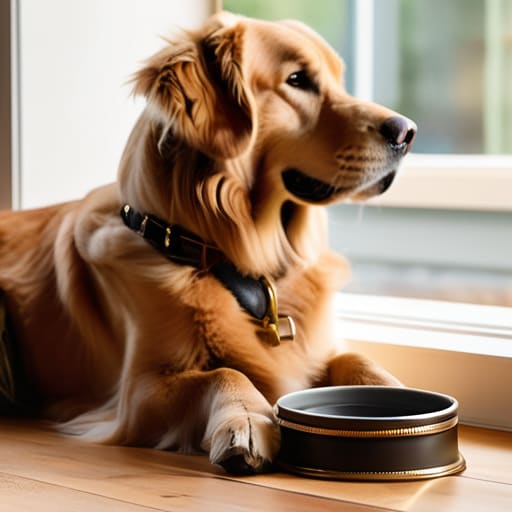
The same goes for feeding bowls. Those flimsy, lightweight plastic dishes are a breeding ground for biofilm and bacteria that can trigger dermatological issues or GI upset. I’ve seen more cases of feline acne caused by cheap plastic bowls than I care to count. If you can afford it, invest in stainless steel or ceramic. It’s a small part of your essential pet care checklist, but it’s one that pays dividends in long-term health.
Five Rules for Spending Your Money Before Your Vet Asks for It
- Buy the heavy-duty crate, not the collapsible one. I spent half my career trying to coax a panicked Great Dane out of a flimsy wire crate that had buckled under his weight. If your animal has a panic attack or a seizure, that crate needs to be a fortress, not a folding chair. It’s a $150 investment now versus a $600 emergency sedation bill later when they’ve chewed their way out of a cheap one.
- Invest in a high-quality, slow-feeder bowl if you have a “vacuum” eater. I’ve seen too many dogs develop life-threatening bloat (GDV) because they inhaled their kibble in thirty seconds flat. A specialized ceramic or heavy silicone slow-feeder might cost twenty dollars more than a plastic dish, but it’s significantly cheaper than an emergency splenectomy.
- Don’t skimp on the harness; get a Y-shaped one that doesn’t restrict shoulder movement. I’ve pulled too many senior dogs out of the exam room with collars that were digging into their windpipes because the owner wanted to save ten bucks. If they have breathing issues or arthritis, a bad collar is just adding insult to injury.
- Get a dedicated, high-quality grooming tool for shedding, even if you aren’t a “groomer.” If you have a long-haired cat or a double-coated dog, a cheap brush won’t touch the undercoat. Mats aren’t just an aesthetic problem; they pull on the skin and can cause painful infections. A $30 de-shedding tool saves you from a $100 professional mat-shaving session.
- Buy a real, sturdy leash—no retractable ones. Period. I have seen retractable leashes snap or the cord tangle at the exact moment a dog lunges at a squirrel or another animal, leaving the owner stumbling or the dog running straight into traffic. A six-foot nylon or leather leash gives you actual control, and in my experience, control is the difference between a walk and a trip to the ER.
The Bottom Line on What’s Worth Your Hard-Earned Money
Stop chasing the “smart” gadgets that promise to fix behavior or health through an app; if it doesn’t improve their physical comfort or safety, it’s just expensive plastic.
Buy the best food and the best harness you can afford, because cutting corners on the things that go into their body or hold them in a crisis is how you end up with a massive vet bill later.
Keep a dedicated “emergency kit” of basics—like a sturdy carrier and a reliable thermometer—because when things go wrong at 2:00 AM, you won’t have time to hunt for a box that actually fits them.
The Real Cost of Cheap Gear
I’ve spent thirty years watching owners try to save twenty dollars on a flimsy harness or a low-grade flea preventative, only to end up sitting in an emergency exam room at 2:00 AM paying five hundred dollars to fix the disaster that followed. If you’re going to spend money, spend it on the things that prevent a crisis, not the gadgets that just look cute in a photo.
Marlene Ostrowski
The Bottom Line
At the end of the day, my advice boils down to this: stop chasing the trends and start investing in the essentials that prevent a crisis. I’ve spent three decades watching people blow their entire budget on a motorized, self-cleaning litter box or a designer sweater, only to realize they haven’t even bought a decent, sturdy harness or high-quality food that won’t wreck their dog’s GI tract. Focus your money on the things that impact their physical health and safety—the nutrition, the proper restraint, and the medical basics. If a product doesn’t directly contribute to your pet’s longevity or daily comfort, it’s probably just another piece of clutter that’s wasting your hard-earned money.
Being a pet owner isn’t about having the most aesthetic Instagram feed; it’s about being the person your animal can rely on when things go wrong. You don’t need a house full of gimmicks to be a good provider, but you do need to be prepared. When you prioritize quality over quantity, you aren’t just buying “stuff”—you are buying peace of mind and, more importantly, you are buying more time with them. I’ve seen too many preventable emergencies because an owner tried to save a few dollars on a cheap collar or low-grade kibble. Buy what lasts, buy what works, and then go give your pet a scratch behind the ears.
Frequently Asked Questions
If I'm on a tight budget, which specific supplies should I prioritize first to avoid an emergency vet bill later?
If you’re pinching pennies, stop looking at toys and start looking at the gut and the teeth. Buy the highest-quality food you can afford; a cheap diet is a slow-motion way to pay for kidney disease later. Second, get a real toothbrush. I’ve seen too many owners treat dental disease like a minor annoyance, only to face a $1,500 extraction bill when the infection hits the heart. Skip the fancy beds; buy the good kibble and the brush.
Are there any "must-have" supplies that are actually just marketing gimmicks I should ignore?
Listen, if you see a “calming” supplement that costs forty dollars a jar and promises to fix a separation anxiety issue, walk away. Most of those are just overpriced chamomile and nothing more. Same goes for those “orthopedic” beds that feel like cheap foam after three weeks; if it doesn’t have high-density memory foam, it’s just a glorified pillow. Don’t buy the hype; buy things that actually serve a physiological purpose.
How do I know if a specific brand of food or supplement is actually high-quality versus just having a pretty label?
Stop looking at the “grain-free” or “holistic” stickers; that’s just marketing designed to make you feel better while you spend more. Look at the ingredient list. If the first three ingredients are corn, wheat, or soy, put it back. You want a named protein—chicken, beef, lamb—not “meat by-products.” If you’re looking at supplements, check for third-party testing labels like NAPI or NASC. If they can’t prove it’s pure, it’s just expensive colored powder.