I’ve spent three decades watching owners walk into the clinic with a look of pure dread, usually because they’ve been told that a dental cleaning is some sort of high-stakes gamble with anesthesia. They see the price tag and the “scary” words on the estimate and think they’re being upsold on a luxury service they don’t need. But after twenty-eight years of seeing what happens when you don’t do it—the abscessed teeth, the systemic infections, and the sudden, expensive kidney issues—I can tell you that the mystery of how a dental cleaning works is often more about fear of the unknown than the actual procedure itself. It isn’t just a cosmetic “teeth whitening” session for your dog; it is a necessary, clinical intervention to stop bacteria from migrating from the mouth into the bloodstream.
I’m not here to sell you on every add-on or premium ultrasonic scaler the vet might suggest, but I am going to tell you exactly what happens once those paws hit the exam table. I’ll break down the steps, from the initial bloodwork to the subgingival scraping, and I’ll give you the unvarnished truth about the costs and the recovery. My goal is to make sure that when you sign that consent form, you aren’t doing it blindly, but because you actually understand the medical reality of your pet’s health.
Table of Contents
- The Real Professional Teeth Cleaning Steps You Need to Know
- Removing Plaque and Tartar Before It Becomes a Crisis
- Five Things I Wish Owners Asked Before the Anesthesia Goes In
- The Bottom Line on Dental Care
- The Truth About the "Clean" in Dental Cleaning
- The Bottom Line on Dental Health
- Frequently Asked Questions
The Real Professional Teeth Cleaning Steps You Need to Know
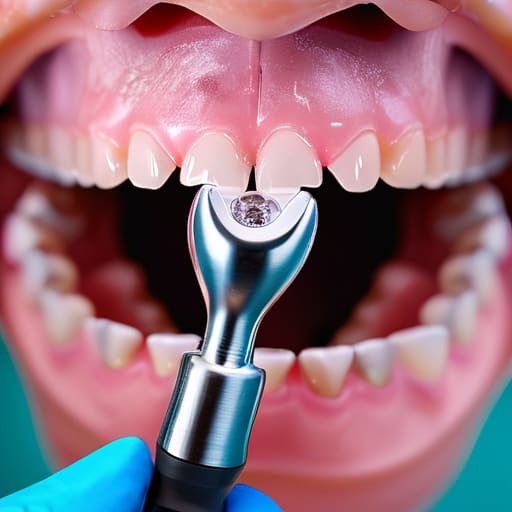
First, we aren’t just talking about a quick brush and rinse. When your pet is under anesthesia, the real work begins with a full oral exam to check for broken teeth or abscesses that you can’t see from the surface. Once we know the teeth are structurally sound, we move into the professional teeth cleaning steps that actually matter: scaling. This is where we use ultrasonic tools to vibrate the hard, crusty tartar off the tooth surface and, more importantly, from underneath the gumline. If the technician only cleans what you can see when your dog opens their mouth, they’ve missed the part that actually causes infection.
After the scaling is done, we move into the dental polishing process. This isn’t for aesthetics; it’s about smoothing out the microscopic scratches left behind by the scaling tools. Think of it like sanding a piece of wood—if you leave it rough, new plaque will latch onto those grooves almost immediately. We finish by rinsing everything thoroughly to flush out any debris. It’s a clinical, methodical process, and it’s the only way to ensure we’re actually practicing preventative oral healthcare rather than just delaying the inevitable tooth loss.
Removing Plaque and Tartar Before It Becomes a Crisis
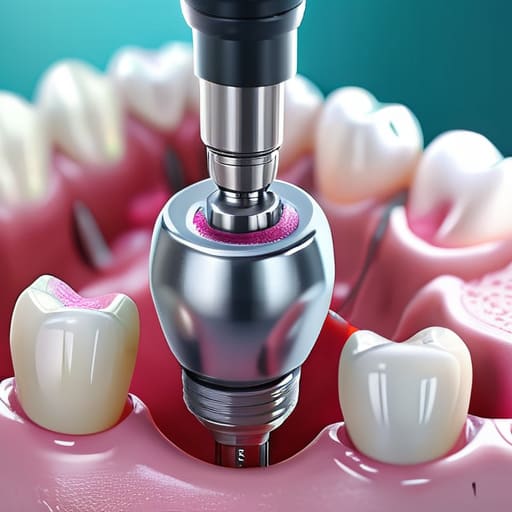
Look, most people think of a dental cleaning as a cosmetic thing—like getting a scale and polish at the dentist to make a smile look brighter. In a veterinary clinic, it’s much more aggressive than that. We aren’t just looking for yellow stains; we are focused on removing plaque and tartar from the subgingival area, which is the space tucked just under the gumline. That is where the real damage happens. If that buildup stays there, it triggers an inflammatory response that eventually dissolves the bone holding the tooth in place. By the time you see a tooth actually wiggling in your dog’s mouth, the battle for gum disease prevention has already been lost, and you’re looking at extractions.
When we perform the dental polishing process, we aren’t just smoothing things over. We are using specialized tools to physically disrupt the biofilm before it mineralizes into calculus. I’ve seen too many owners wait until their pet has “bad breath” to book an appointment, not realizing that halitosis is actually the scent of decaying tissue. If you catch it during these preventative steps, you’re saving yourself a massive bill for oral surgery later.
Five Things I Wish Owners Asked Before the Anesthesia Goes In
- Don’t get tricked by “painless” scaling. If your vet offers to clean your dog’s teeth without general anesthesia, they aren’t saving you money; they are just skipping the part where they actually look at what’s happening under the gumline. You can’t scale what you can’t see, and you can’t see what’s happening when the animal is wiggling or trying to bite the probe.
- Ask for the dental radiographs. I’ve seen countless “clean” teeth that were actually hiding massive abscesses or bone loss right at the root. Without X-rays, a cleaning is just a cosmetic surface job, and you’re essentially paying to paint a house that has a crumbling foundation.
- Budget for the “extra” stuff. A cleaning is rarely just a cleaning. Once the vet gets in there, they’re going to find a fractured molar or a periodontal pocket that needs a local block and an extraction. Expect the bill to jump by $300 to $600 once the actual pathology is revealed—it’s better to know that now than when you’re standing at the checkout counter.
- Watch the recovery, not just the teeth. After the procedure, your pet might be groggy or even a little nauseous from the drugs. That’s normal. But if they aren’t interested in food by the next morning, or if you see swelling in the jaw, call the clinic. That’s when a routine procedure turns into a post-op complication.
- Understand the “why” behind the cost. People see a $500 or $800 bill for a cleaning and get sticker shock. But you aren’t just paying for a technician to scrape teeth; you’re paying for the monitoring equipment, the anesthetic gases, the sterile environment, and the specialized training required to make sure your pet doesn’t stop breathing while they’re on the table.
The Bottom Line on Dental Care
A dental cleaning isn’t a cosmetic luxury; it’s a necessary medical intervention to stop bacteria from migrating from the mouth into the bloodstream and hitting the heart or kidneys.
If you wait until your dog is dropping food or has “stinky breath” to book an appointment, you aren’t just looking at a cleaning—you’re likely looking at extractions and a much higher bill.
Don’t let the anesthesia talk scare you off; the risk of a healthy pet going under is significantly lower than the risk of them living with a chronic, painful infection that’s slowly poisoning them.
The Truth About the "Clean" in Dental Cleaning
When people hear ‘dental cleaning,’ they think of a spa day for their pet’s mouth, but it’s actually more like a surgical intervention. We aren’t just buffing away stains; we are getting under the gumline to scrape away the bacteria that’s actively dissolving the bone holding those teeth in place. If you aren’t willing to go under anesthesia to get that deep, you aren’t actually cleaning the teeth—you’re just painting over the rot.
Marlene Ostrowski
The Bottom Line on Dental Health
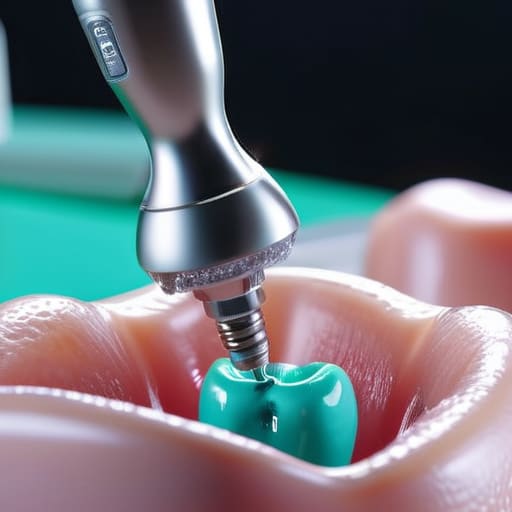
At the end of the day, a professional dental cleaning is a multi-step medical procedure, not just a cosmetic touch-up. We aren’t just looking at the teeth; we are scaling away the calculus that causes inflammation, cleaning the subgingival pockets where the real damage happens, and—most importantly—using anesthesia to ensure we can actually see what we are doing. If you skip the deep cleaning or the X-rays, you are essentially just painting over a cracked foundation. You might think you’re saving money by avoiding the vet visit today, but you’re actually just deferring a much more expensive, much more painful tooth extraction down the road.
I know the cost of anesthesia and the logistics of a fasting period can feel like a headache, but I have sat in exam rooms with owners who realized too late that their “quiet” dog wasn’t just getting old, but was actually in constant, throbbing pain from a resorptive lesion. Don’t wait for the bad breath to become unbearable or for the bleeding to start. Taking care of their mouth is one of the most profound ways you can respect the quality of their remaining years. It isn’t always easy, and it isn’t always cheap, but preventative care is the only way to ensure their senior years are spent wagging their tails rather than hiding in a corner because their mouth hurts.
Frequently Asked Questions
My dog is old and a little frail; is the anesthesia really necessary for a cleaning, or can you just do it while they're awake?
Look, I get it. You see them looking frail and you think the drugs are the danger. But “awake” cleanings are a myth for anything meaningful. You can’t scale the tartar off the molars or probe the gumline if they’re squirming or snapping. More importantly, we can’t clean the teeth without a breathing tube to protect their lungs from inhaling bacteria. For an older dog, the risk of an unmonitored, stressful procedure is much higher than a controlled, medically supervised anesthesia.
I see the bill for the cleaning, but why is there a separate, much larger charge for "bloodwork" and "dental radiographs"?
Look, I get it. You came in for a cleaning, and suddenly the estimate looks like a mortgage payment. But here’s the reality: I’ve seen too many “clean” mouths hide abscesses under the gumline that don’t show up until the dog is in pain. Radiographs let us see the actual roots, not just the surface. And the bloodwork? We aren’t being greedy; we’re making sure their kidneys can actually handle the anesthesia. It’s the difference between a routine procedure and a catastrophe.
How much is this actually going to set me back, and should I expect to be looking at extractions once the vet starts digging under the gumline?
Look, I won’t sugarcoat it: a full dental with anesthesia and bloodwork usually runs between $400 and $800 depending on your area. If we find deep periodontal disease once we’re under the gums, extractions are a real possibility. Those can add $200 to $1,000+ to your bill quickly. If you see bleeding or a foul smell now, we aren’t just polishing; we’re likely looking at surgery. Plan for the worst, but hope for the best.