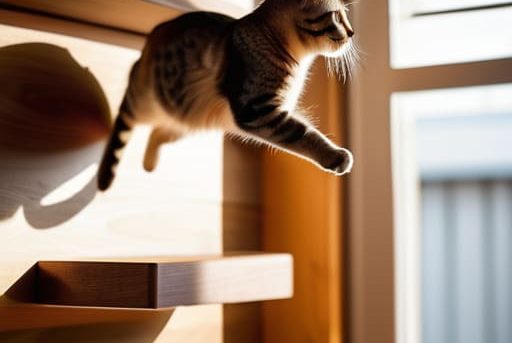
I am so tired of seeing those “enrichment kits” on social media—the ones that cost eighty dollars and consist of a flimsy cardboard box with some dried catnip glued to it. If you think a designer spinning toy is the secret to how to keep an indoor cat happy, you’ve been misled by marketing departments that have never actually had to clean up a cat that’s stopped eating because it’s miserable. I spent nearly thirty years in a clinic watching owners spend a fortune on gadgets while their cats were actually suffering from the same old thing: a complete lack of vertical space and meaningful environmental stimulation.
I’m not here to sell you a subscription box or a luxury feline climbing tree that looks like modern art but serves no purpose. I’m going to tell you what actually works based on decades of observing feline behavior and the physical toll that boredom takes on a cat’s health. We are going to talk about real environmental changes and predictable routines that don’t require a second mortgage. I’ll give you the practical truth about what your cat needs to thrive, and more importantly, I’ll tell you when “boredom” is actually a medical red flag you can’t afford to ignore.
Table of Contents
More Than Just Toys Real Cat Mental Stimulation Ideas
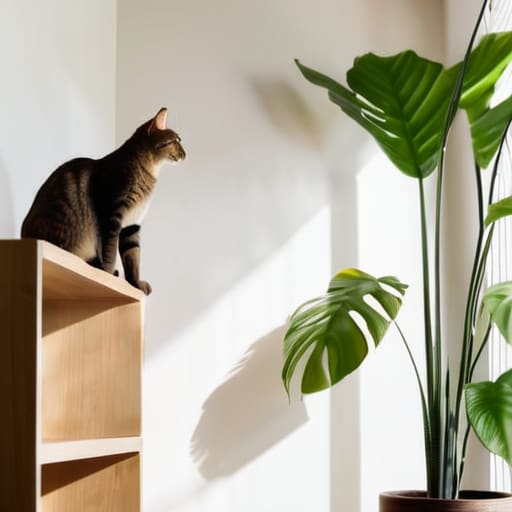
Most people think “enrichment” means buying a $50 motorized feather wand from a pet store, but that’s just a temporary distraction. Real indoor cat environmental enrichment is about changing the architecture of their day. If your cat spends eighteen hours a day staring at a baseboard, they aren’t “relaxing”—they are under-stimulated. I always tell owners to think vertically. If you have the floor space, invest in cat climbing trees and shelves. Giving a cat a way to move through a room without touching the floor changes their entire psychological relationship with the house; it turns a flat, boring box into a three-dimensional hunting ground.
You also can’t underestimate the power of scent and sound. I used to use silvervine or catnip to jumpstart a lethargic senior during my fostering days, but even just a window perch with a view of birds can provide hours of passive sensory stimulation. If you’re looking for cat mental stimulation ideas that don’t break the bank, try a “puzzle feeder.” Instead of a bowl, make them work for their kibble. It mimics the effort of a hunt, and frankly, it’s much better for their metabolic health than just vacuuming up food in thirty seconds.
Preventing Feline Boredom Before It Becomes a Behavioral Crisis
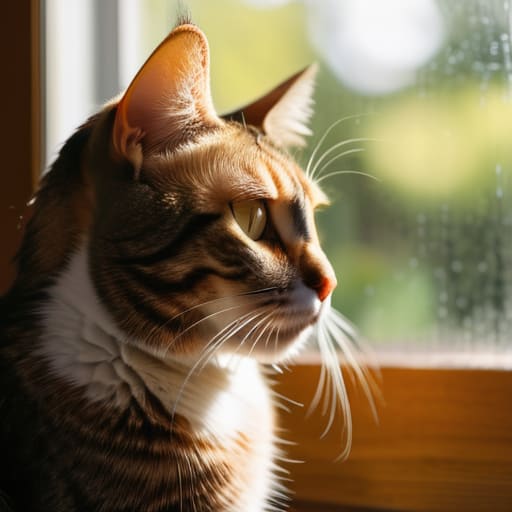
The problem with most owners is that they wait for the “crisis”—the shredded curtains, the sudden aggression, or the frantic midnight zooming—before they realize something is wrong. By then, you aren’t just dealing with a bored cat; you’re dealing with a stressed one. Preventing feline boredom isn’t about buying a $50 motorized mouse that your cat will ignore after ten minutes. It’s about recognizing the subtle shifts, like a cat who stops grooming themselves or starts staring at a wall for hours. Those are the red flags that their environment has become a cage rather than a home.
Real indoor cat environmental enrichment means thinking in three dimensions. If your cat is spending their entire life on the floor, they are living in a tiny, flat world. I’ve seen countless cats develop urinary issues or obesity simply because they lacked the drive to move. You need to get them up high. Installing cat climbing trees and shelves isn’t just a luxury; it changes their entire psychological perspective of the room. It gives them a sense of security and a way to survey their “territory” without feeling trapped. If you wait until they start acting out to fix the layout, you’re already playing catch-up.
The Essentials: What Actually Works When the Novelty Wears Off
- Stop buying the $20 elaborate battery-operated towers; they’re just expensive dust collectors once the novelty dies. Get a dozen cheap wand toys and rotate them every three days. If the cat sees the same feather wand every single morning, it’s not a “hunt,” it’s a chore.
- Vertical space isn’t a luxury; it’s a psychological necessity. A cat that can’t get six feet off the ground feels vulnerable. If you can’t afford floor-to-ceiling cat trees, clear off a bookshelf or a sturdy mantle. They need to be able to survey their kingdom without being cornered by a vacuum or a toddler.
- Feed them like they’re working for it. If you just dump kibble into a bowl, you’re essentially handing a hunter a pile of processed pellets. Use puzzle feeders or even just a clean egg carton to hide the pieces. It forces them to use their brain and their paws, which burns off that frantic midnight energy.
- Don’t ignore the “scent” factor. A house that smells only like laundry detergent is a sterile, boring place for a predator. Leave a cardboard box from your latest Amazon delivery on the floor for a few days. The scent of the outside world and the texture of the cardboard provide more mental stimulation than most high-tech gadgets.
- Watch the weight, because “happy” shouldn’t mean “obese.” I spent half my career managing diabetic cats that were overweight because their owners thought extra treats were a sign of love. If your cat is getting a soft middle, you aren’t spoiling them—you’re shortening their life. Keep the treats minimal and the play sessions high-intensity.
The Bottom Line on Indoor Enrichment
Boredom isn’t just a “cute” quirk; if your cat starts overgrooming themselves bald or acting out aggressively, they aren’t being spiteful—they are telling you their environment has failed them.
You don’t need a hundred-dollar automated gadget from a pet store; a plain cardboard box and a handful of dried silvervine or catnip will do more for their brain than most expensive, battery-operated toys.
Watch the scale, not just the behavior—if a “bored” cat starts putting on weight, it’s often because they’re eating out of stress rather than hunger, and that weight gain is a fast track to diabetes.
The Cost of a Bored Cat
“People think a bored cat is just a nuisance that shreds the curtains, but I’ve seen too many ‘nuisances’ turn into clinical depression or redirected aggression because their world was too small. A cat doesn’t need a room full of expensive, motorized gadgets; they need a predictable environment where they can actually use their instincts, because a cat that has lost its purpose is a cat that starts breaking down physically.”
Marlene Ostrowski
The Bottom Line
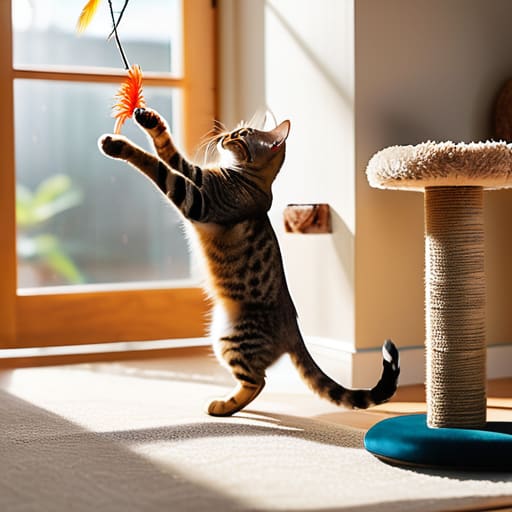
At the end of the day, keeping an indoor cat happy isn’t about buying the most expensive automated laser toy or a $200 cat tree from a boutique catalog. It’s about recognizing that your cat is a predator living in a world that has been stripped of its natural rhythms. You need to provide vertical space, scent variety, and enough mental friction to keep their instincts from turning inward. Whether you are rotating toys every week or simply spending fifteen minutes with a wand toy before you sit down for dinner, you are addressing the biological necessity of engagement. If you see them suddenly over-grooming until they have bald patches or if they start acting strangely aggressive, don’t just assume it’s “personality”—that’s often the sign that their environment has failed them and it’s time to pivot your approach.
I’ve spent three decades watching cats go from vibrant, curious hunters to dull, lethargic shadows of themselves simply because their world became too predictable. A happy cat isn’t a decoration in your house; they are a living, breathing creature that requires a sense of purpose. It takes effort, and yes, some of the enrichment tools might cost a bit of money, but investing in their mental health now is far cheaper than treating the chronic stress-related illnesses that follow years of neglect. You don’t have to be perfect, but you do have to be present. Give them a life worth living, even if it’s inside four walls.
Frequently Asked Questions
My cat has suddenly started over-grooming or acting aggressive when I try to play with them; is that just boredom or something medical?
Listen, I’ve seen this a thousand times. If they’re just zooming around or shredding things, it’s boredom. But sudden over-grooming or snapping when you touch them? That’s a red flag. It’s often pain—arthritis, dental issues, or skin allergies—not a bad attitude. If they’re licking themselves raw or hissing when approached, don’t try to “play it away.” Book a vet appointment. You’ll likely be looking at a physical exam and maybe some bloodwork, which could run $150–$300, but it’s better than letting them suffer.
I've seen people suggest expensive automated toys, but are they actually worth the money or are they just a waste of cash?
Look, I’ve seen people drop $200 on a motorized laser tower only to have their cat ignore it after ten minutes. Most of those gadgets are just expensive distractions. If you have the budget, a high-quality automated feeder or a reliable water fountain is a solid investment for long-term health. But for actual play? Save your money. A crumpled piece of paper or a $2 wand toy works better because you can vary the movement.
How do I know if my cat is actually "engaged" with the enrichment I'm providing, or if they're just tolerating it?
Look for the “active hunt.” If they’re just batting a ball once and walking away, they’re tolerating it. Real engagement looks like dilated pupils, twitching ears, and that focused, low-to-the-ground stalk. You want to see them actually using their predatory drive. If they’re ignoring the new perch or the puzzle feeder entirely, don’t just keep throwing money at more toys—change the stimulus. They aren’t being “difficult”; they’re just bored with the same old routine.