
Stop throwing your hard-earned money at those $20 “interactive” electronic spinning fish that end up gathering dust under the radiator after ten minutes. I’ve spent thirty years watching people walk into clinics with pets that are either bored to tears or, more dangerously, choking on a cheap, feathered wand that fell apart after two days of heavy play. Most of the advice you find online about how to choose cat toys is written by marketing departments trying to sell you a lifestyle, not by someone who has actually seen a cat’s predatory drive in action. If you think a battery-operated mouse is going to replace the primal instinct to hunt, you are wasting your cash.
I’m not here to give you a curated list of “must-have” gadgets from a boutique pet shop. Instead, I’m going to tell you how to look at your cat—their age, their energy level, and their specific quirks—to figure out what will actually keep them moving. I’ll show you which materials are safe for a senior cat with dental issues and which ones are just expensive clutter. This is about practical engagement, not aesthetics.
Table of Contents
Understanding Enrichment for Indoor Cats Without the Retail Fluff

Most people hear “enrichment for indoor cats” and immediately think of those $40 automated spinning towers or designer felt caves. Let me save you some money: most of that is just expensive clutter. Real enrichment isn’t about the price tag; it’s about stimulating the predatory drive that’s still hardwired into their little brains. If your cat is just staring blankly at a motorized mouse, they aren’t being enriched—they’re just watching a screensaver. You want to trigger the hunt, the catch, and the kill.
The real secret is the balance between interactive vs solo cat toys. You need the solo stuff—like a good kick toy or a sturdy wand they can bat around when you’re busy—but nothing replaces the mental engagement of you moving a string or a feather in a way that mimics a wounded bird. While you’re at it, watch out for the cheap plastic bits that crack easily. I’ve seen far too many seniors in the clinic with intestinal blockages because someone thought a flimsy, hollow ball was a good idea. Stick to safe materials for feline play like heavy-duty felt, natural sisal, or solid rubber, and you’ll avoid a very expensive emergency vet visit.
Choosing Safe Materials for Feline Play That Wont End in Disaster
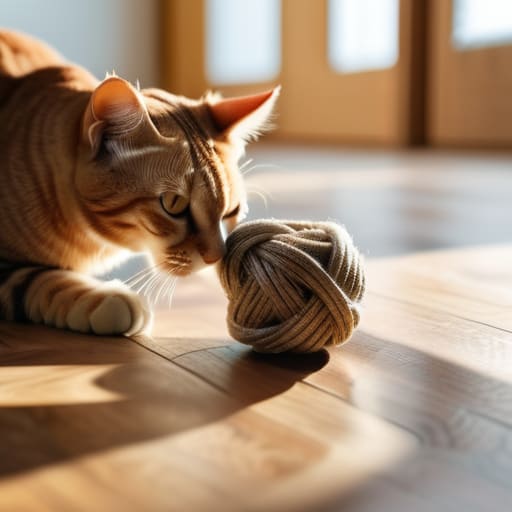
I’ve spent enough time cleaning surgical suites to know that “cute” is often the enemy of “safe.” When you’re looking at safe materials for feline play, your first instinct should be to look for anything that can be shredded, swallowed, or swallowed partially. Avoid those cheap, battery-operated mice that have thin plastic limbs or loose sequins; I have seen more than one kitten end up in emergency surgery because they managed to ingest a tiny, jagged piece of nylon. If a toy can be torn apart by a human hand in under thirty seconds, it’s a high-risk item for a cat.
You also need to be mindful of choking hazards for pets, especially if you have a kitten or a particularly “mouthy” senior. Skip the toys with small bells inside or those tiny felt balls that look like candy. If you’re opting for interactive vs solo cat toys, stick to solid rubber, heavy-duty felt, or natural fibers like sisal. If you wouldn’t let a toddler play with it because it looks like it might break into sharp bits, don’t put it on your cat’s play mat.
Stop buying the fluff and start buying what actually works
- Follow the prey drive, not the price tag. Most people buy these $20 “smart” electronic toys that whir and buzz, but half the time they just end up scaring the cat or getting ignored after five minutes. If you want to see real engagement, get a simple wand toy with feathers or some felt strips. It mimics the erratic movement of a bird or a mouse, and that’s what triggers the hunting instinct that actually burns calories.
- Watch how they hunt before you spend a dime. I’ve seen owners buy high-intensity chasing toys for cats that actually prefer “stalk and pounce” play. If your cat likes to hide behind the sofa and wait, get them something they can bat around under a rug or a cardboard box. If you buy the wrong style, you’re just throwing money into the trash bin.
- Check the “destruction factor” of your materials. If you have a teenager of a cat—the kind that treats everything like a chew toy—don’t bother with those cheap plush mice filled with loose polyester stuffing. Once they rip the seam, you’ve got a cat eating synthetic fluff, which is a one-way ticket to an expensive foreign body surgery and a very stressed-out vet technician. Stick to solid rubber or heavy-duty felt.
- Rotate, don’t accumulate. You don’t need a toy box overflowing with clutter. I’ve seen people with twenty different toys that their cats haven’t touched in months. It’s better to have three good ones and swap them out every week. It keeps the “new toy” novelty alive without turning your living room into a warehouse.
- Mind the age and the teeth. If you’ve got a senior cat like my two at home, skip the hard plastic balls that require a lot of jaw strength to move. Go for something soft and easy to manipulate. On the flip side, if you have a kitten, avoid anything with small, detachable parts like bells or sequins; those are just choking hazards waiting to happen.
The bottom line on cat toys
Stop buying the $20 “smart” gadgets that just collect dust; if your cat isn’t engaging with it within ten minutes, it’s just expensive clutter that’s going to end up under the fridge.
Prioritize scent and texture over flashiness—a simple piece of cardboard or a felted wool ball often provides more mental stimulation than a battery-operated toy that makes too much noise.
Watch the materials like a hawk; if you see any loose threads, small plastic bells, or bits of string that could be swallowed, toss it in the trash immediately because a $3,000 emergency surgery for an intestinal blockage is a much harder pill to swallow than a new toy.
Stop buying the packaging
I’ve spent half my career pulling colorful bits of felt and cheap plastic out of cats’ intestines because an owner thought a “multi-sensory” toy looked cute on a shelf. If you want to spend your money wisely, stop looking at the bright colors on the box and start looking at the durability of the stitching; a five-dollar piece of cardboard is worth more to a bored cat than a fifty-dollar electronic gadget that’s just going to end up as a choking hazard by Tuesday.
Marlene Ostrowski
The Bottom Line on Playtime
At the end of the day, choosing a toy isn’t about finding the most expensive gadget on the shelf or the one with the prettiest packaging. It’s about knowing your cat’s specific drive—whether they are a high-intensity hunter who needs to chase a wand or a quiet thinker who just wants to bat a silvervine stick around the living room. You need to prioritize safety over aesthetics every single time; if a toy has small parts that can be swallowed or strings that can cause intestinal blockages, it doesn’t matter how much your cat loves it—it’s a hazard. Keep your eyes on the materials, watch how they interact with the object, and remember that the best toy is the one that actually gets used before it ends up lost under the refrigerator.
I’ve spent three decades watching animals, and I can tell you that the physical act of play is more than just a way to kill time; it is vital mental maintenance. A bored cat is often a stressed cat, and a stressed cat is a cat that’s going to start making life difficult for both of you through spraying, scratching, or aggression. Don’t feel guilty if you don’t have a rotating wardrobe of fifty different toys. Just give them something that engages their instincts and respects their dignity. If you provide a little bit of focused, daily interaction, you aren’t just buying a piece of plastic—you are investing in their long-term health and your own peace of mind.
Frequently Asked Questions
My cat has started swallowing pieces of her toys; how do I tell the difference between normal play and a dangerous ingestion risk?
If you see her gagging, pawing at her mouth, or suddenly lethargic, stop reading this and head to the ER. That’s not “play”; that’s an obstruction. If she just chewed a bit of felt off a mouse and seems fine, watch her stool for 24 hours. But if she’s vomiting or refuses food, an X-ray is next. Expect to pay $300–$500 just for the diagnostic workup before they even discuss surgery.
I'm on a tight budget—is there a way to provide actual enrichment without buying every new "smart" toy that hits the market?
Look, most of those “smart” electronic toys are just expensive plastic that ends up under the fridge by Tuesday. If you’re on a budget, stop looking at the pet aisle and start looking in your recycling bin. A cardboard box with a few holes poked in it or a crumpled-up paper grocery bag provides more actual mental stimulation for a cat than a $50 battery-operated mouse. Real enrichment is about scent and texture, not flashing lights.
How do I know if my cat is actually getting enough mental stimulation from her toys, or if she's just going through the motions?
Look for the “hunt-eat-groom-sleep” cycle. If she bats a toy and then immediately settles for a nap, she’s actually engaging. If she just stares at it or walks past it like it’s a piece of furniture, she’s bored. Watch her pupils and her tail. If she’s not dilating or twitching that tail, she’s just going through the motions. When that happens, stop buying new things and start changing how you move them.