I’ve spent three decades cleaning up messes that had nothing to do with behavior and everything to do with biology, so please, spare me the “miracle” enzyme sprays and the $50 scented wipes that claim to solve everything. If you’re scrolling through forums looking for a magic trick on how to house train a puppy, you’re going to find a lot of expensive nonsense that won’t work. Most of those “experts” have never had to deal with a bladder that works on its own schedule or a pup that treats your Persian rug like a personal bathroom. Real training isn’t about buying the right gadget; it’s about understanding the clock and being more disciplined than the animal in front of you.
I’m not here to sell you a system or a subscription; I’m here to tell you what actually happens when you’re standing in a puddle at 3:00 AM. I will give you the clinical reality of puppy bladder capacity, the exact schedules that prevent accidents, and most importantly, when a mess is a training issue and when it’s actually a urinary tract infection that requires a vet visit. No fluff, no false promises—just the straight truth from someone who has seen it all.
Table of Contents
- Mastering the Puppy Potty Training Schedule
- Puppy Bladder Control Development and Real Expectations
- Five Hard Truths About Keeping Your Floors Clean and Your Sanity Intact
- The Bottom Line: What You Actually Need to Know
- The Cost of a Missed Window
- The Long Game: Patience, Consistency, and Reality
- Frequently Asked Questions
Mastering the Puppy Potty Training Schedule
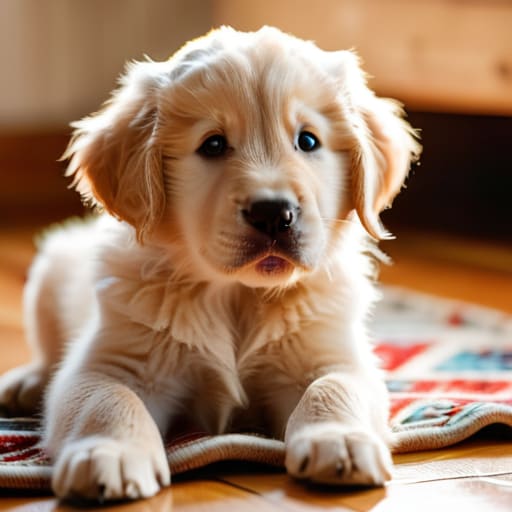
If you’re waiting for your puppy to “just get it,” you’ve already lost. At eight weeks old, their bladder is essentially a tiny, uncooperative balloon; they have zero physiological control. You cannot rely on their intuition, so you have to rely on a strict puppy potty training schedule. I always told new clients: if they aren’t eating, sleeping, or playing, they are likely about to go. Take them out every hour on the hour, plus ten minutes after every meal and every nap. If you miss these windows, you aren’t just dealing with a mess; you’re teaching them that it’s okay to use your rug as a bathroom.
The biggest mistake I saw in the clinic wasn’t a lack of effort, but inconsistent reinforcement. You need to be watching for those subtle potty training signs and symptoms—the frantic circling, the sudden sniffing, or that specific “thousand-yard stare” they get right before the dam breaks. When they actually hit the grass, don’t just say “good boy” while you’re looking at your phone. Give them high-value treats and genuine, enthusiastic praise immediately. If they miss, don’t scold them; just clean it up with an enzymatic cleaner and try again in thirty minutes.
Puppy Bladder Control Development and Real Expectations
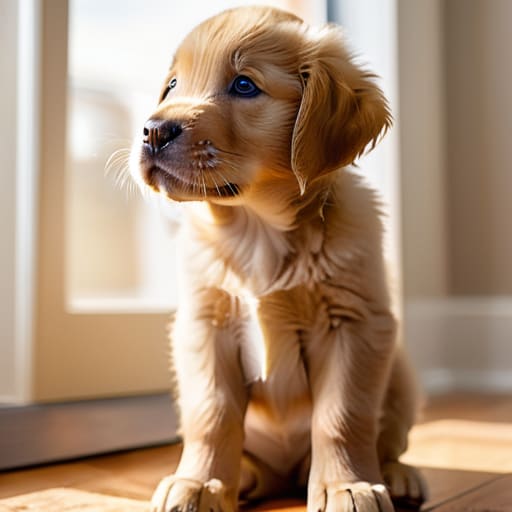
Here is the reality that most breeders won’t tell you: a puppy’s bladder is essentially a tiny, leaky balloon. When we talk about puppy bladder control development, you have to understand that their physical ability to hold it is tied directly to their neurological maturity. A puppy that is eight weeks old doesn’t have the muscular strength to “hold it” any more than a human infant does. If you are expecting them to respect a schedule perfectly by week ten, you are setting yourself up for a very expensive floor repair and a lot of unnecessary frustration.
Most of the puppy potty training mistakes to avoid stem from this lack of understanding. People tend to punish the dog when they find a puddle, thinking they are “teaching a lesson,” but all you’re doing is teaching the puppy to be afraid of you. If they realize that peeing in front of you gets them yelled at, they’ll just learn to hide it behind the sofa. Instead, focus on the timing. If you see those subtle potty training signs and symptoms—the frantic circling or the sudden sniffing of the floor—get them outside immediately. If they miss, don’t make a scene; just clean it up and move on.
Five Hard Truths About Keeping Your Floors Clean and Your Sanity Intact
- Stop the “scolding” nonsense immediately. If you walk into a room and find a puddle, you didn’t miss it, and the puppy didn’t do it to spite you. Yelling or rubbing their nose in it does nothing but teach them to hide when they have to go—which means they’ll be peeing behind your sofa where you can’t see it. If you didn’t catch them in the act, just clean it up with an enzymatic cleaner and move on.
- Buy an enzymatic cleaner, not just a bottle of generic floor soap. If you don’t use something specifically designed to break down the proteins in urine, the scent stays in the floorboards or the carpet fibers. To a puppy, that lingering scent is a permanent “bathroom here” sign. You’ll spend fifty bucks on a good gallon of cleaner now, or you’ll spend hundreds on carpet replacement in six months.
- Watch the “pre-potty” cues like your life depends on it. I’ve seen owners wait for the puppy to actually start squatting before they move, but by then, it’s too late. If they start circling, sniffing intensely, or suddenly get that glazed-over look, they are seconds away from an accident. Get them outside the moment you see that shift.
- Manage your expectations on the “reward” system. A piece of kibble or a tiny bit of boiled chicken works, but it has to be instant. If they finish their business and you spend thirty seconds fumbling for the treat jar in the pantry, the puppy has already moved on. They won’t connect the reward to the act. It has to be a “jackpot” moment the second they finish.
- Use a crate or a very small pen when you aren’t actively supervising. Puppies have a natural instinct not to soil where they sleep, but that instinct is weak when they are tired or distracted. Don’t use the crate as a punishment—that’s just bad training—use it as a tool to prevent the accidents that break your spirit and your schedule.
The Bottom Line: What You Actually Need to Know
Forget the “natural instinct” myths; if you aren’t physically standing by the door every two hours, you aren’t training, you’re just waiting to clean up a mess.
Distinguish between a “oops” accident and a medical issue—if the urine is bloody, smells like ammonia, or they are straining without producing anything, skip the training advice and head to the clinic immediately.
Budget for the mistakes, because between the enzymatic cleaners and the occasional emergency vet visit for an ingested sock, house training is an investment in your sanity and your floorboards.
The Cost of a Missed Window
“If you’re waiting for the puppy to ‘tell’ you they need to go, you’ve already lost the battle; you aren’t training a dog, you’re just cleaning up after a bladder that doesn’t have a sense of responsibility yet.”
Marlene Ostrowski
The Long Game: Patience, Consistency, and Reality
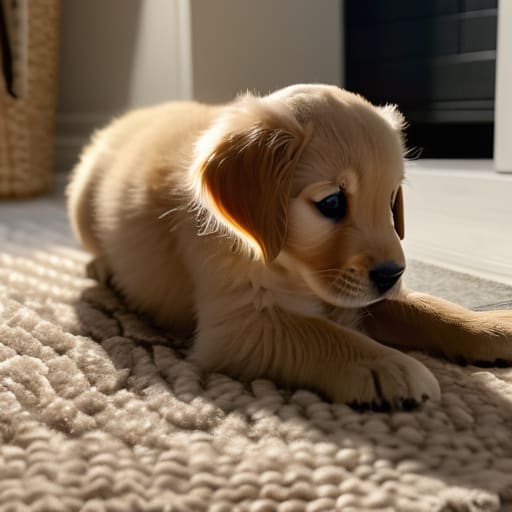
At the end of the day, house training isn’t a magic trick; it’s a relentless grind of schedules, supervision, and managing your own frustration when you find a puddle on the rug at 3:00 AM. You have to stick to the routine, watch for those subtle pre-potty cues, and—most importantly—never punish a mistake after the fact. If you walk into a room and find a mess that happened ten minutes ago, scolding the puppy does nothing but teach them to be afraid of you. You aren’t training them to be clean; you’re just training them to hide their accidents from you, and that’s a much harder problem to fix later on.
There will be setbacks. There will be days when it feels like you’ve gone two steps back for every one step forward. But remember that your puppy isn’t being spiteful; they are essentially a toddler with a bladder the size of a walnut. If you stay consistent and keep your cool, the breakthrough will come. It’s a marathon, not a sprint, and the discipline you show now is what builds the foundation for a lifetime of trust. Hang in there. The sleepless nights and the constant monitoring are worth it once you finally have a dog that can settle in beside you without you constantly looking for the next mess.
Frequently Asked Questions
I’ve tried every trick in the book, but my puppy still won't go when we're outside; how do I tell if this is just a stubborn phase or a urinary tract infection that's going to cost me a vet visit?
Look, there’s a difference between a puppy who is distracted by a butterfly and one who is physically struggling. If he’s straining, licking his private parts constantly, or if the urine smells like ammonia or looks cloudy, that’s not stubbornness—that’s a UTI. A vet visit and a urinalysis will likely run you $150 to $250, but waiting until he’s in pain or develops a kidney infection will cost twice that. If he’s just playing, keep training. If he’s straining, call the vet.
Is there a point where I should stop rewarding every single accident with treats, or am I just teaching them to perform for food?
You aren’t teaching them to perform; you’re teaching them that “doing business” is the most profitable thing they can do all day. Keep the treats coming for the successful outs, but stop the rewards once they’re consistently hitting their marks. If you’re still treating every single success like a jackpot after six months of consistency, you’re just making them neurotic. Focus the high-value rewards on the hard stuff—like pottying in the rain.
How much should I actually be budgeting for crate training supplies and enzyme cleaners if the accidents don't stop by the six-month mark?
If you’re six months in and still seeing accidents, you aren’t just buying treats; you’re paying a “failure tax.” Budget at least $150 for a decent, heavy-duty crate and a proper enzyme cleaner like Nature’s Miracle—don’t bother with the cheap grocery store stuff; it won’t break down the urea, and the scent will linger for the dog. If you’re replacing rugs or floorboards, that’s where the real money vanishes. At six months, we should be looking at medical issues, not just training.