I’ve spent thirty years in vet clinics listening to owners pour money into expensive, pheromone-infused calming diffusers and “smart” automatic feeders, all because they’ve been told those are the magic fixes for how to stop a cat waking you at night. Most of that stuff is just expensive scented water that does nothing for a cat with a real issue. I’ve seen it a thousand times: a person buys the $50 gadget, it doesn’t work, and they end up more sleep-deprived and frustrated than when they started. If your cat is screaming at 3:00 AM, it’s rarely because they need a new lifestyle accessory; it’s usually because they are bored, hungry, or something is physically wrong.
I’m not here to sell you a subscription box or a miracle supplement. I’m going to tell you the truth about why those midnight yowls are happening and, more importantly, how to tell the difference between a behavioral nuisance and a medical red flag. We’ll talk about real adjustments to their feeding schedules and environmental enrichment, and I’ll tell you exactly when that “annoying” habit actually means you need to call the vet instead of just buying more earplugs.
Table of Contents
- Deciphering Nocturnal Cat Behavior vs Actual Pain
- Managing Feline Hyperactivity Before It Becomes an Emergency
- Five Ways to Reclaim Your Sleep (Without Neglecting Your Cat)
- The Bottom Line for Your Sleep (and Their Health)
- The Difference Between a Nuisance and a Crisis
- The Bottom Line
- Frequently Asked Questions
Deciphering Nocturnal Cat Behavior vs Actual Pain
When you’re staring at the ceiling at 3:00 AM, it’s easy to assume your cat is just being a jerk. Most of the time, it is. If they’re doing laps around the hallway or staring you down with dilated pupils, you’re likely dealing with standard nocturnal cat behavior. They’re crepuscular hunters, meaning their internal clock is wired to be active when you’re trying to hit REM sleep. If they’ve got the energy to sprint from the living room to the bedroom, they’re probably just bored and looking for a reaction.
However, I’ve spent too many years in a clinic to ignore the difference between “zoomies” and distress. If your cat is yowling, but it sounds different—hollow, repetitive, or accompanied by sudden grooming of a specific area—stop thinking about boredom and start thinking about biology. In senior cats, sudden nighttime vocalization can be a sign of hyperthyroidism or cognitive dysfunction, which can cost anywhere from $200 to $500 for the initial bloodwork and stabilization. If they are pacing and seem unable to get comfortable, that is not a behavioral issue; that is a medical one that needs a vet, not a new toy.
Managing Feline Hyperactivity Before It Becomes an Emergency
If you’ve ruled out a medical issue like hyperthyroidism or high blood pressure, you’re likely dealing with a simple disruption of natural cat sleep patterns. Cats are crepuscular—meaning they are most active at dawn and dusk—but many domestic cats have simply synced their internal clocks to your living room light switch. To get some sleep, you have to stop rewarding the chaos. If you get up to scold them or, heaven forbid, give them a treat to shut them up, you have just trained them that midnight meowing is a successful way to get your attention.
Instead, focus on managing feline hyperactivity through structured stimulation earlier in the evening. I’ve found that a high-intensity play session about an hour before bed—think feather wands or laser pointers until they are actually panting—followed immediately by a meal can work wonders. If your cat is a midnight scavenger, investing in automatic pet feeders for cats can take the “food hunt” out of your hands and put it on a timer. It shifts their focus from your face to the machine, helping to prevent those frantic 3:00 AM breakfast demands.
Five Ways to Reclaim Your Sleep (Without Neglecting Your Cat)
- Stop the “Midnight Snack” routine. If you get up to feed them every time they meow at 3:00 AM, you aren’t being a good pet parent; you’re training a tiny, furry alarm clock. You have to ignore them. It will be loud, and it will be frustrating, but if you reward the noise with food, you’ve lost the battle.
- Play hard before you go to bed. I’m talking about fifteen minutes of intense, feather-wand-chasing, “get-the-zoomies-out” play right before lights out. If they aren’t physically exhausted, they’ll find someone else to play with—usually your face—at four in the morning.
- Check the math on their caloric intake. I see this all the time in clinic: owners think their cat is “starving” because they’re vocal, but then they look at the weight and realize the cat is actually a bit heavy. If they’re pacing and begging, they might need a small, slow-release snack before bed, or perhaps their portion sizes are just off.
- Automate the feeding if you have to. If the problem is genuinely hunger-driven, buy a timed feeder. It shifts the “source” of the food from you to a machine. The cat stops seeing you as the vending machine and starts waiting for the click of the plastic tray.
- Rule out the medical stuff before you start blaming “behavior.” If a cat that has been quiet for ten years suddenly starts yowling or pacing at night, don’t assume they’re just being a nuisance. Hyperthyroidism or high blood pressure can make a cat feel incredibly restless. If the behavior change was sudden, don’t try to “train” it out of them; call the vet.
The Bottom Line for Your Sleep (and Their Health)
Distinguish between “nuisance” and “emergency” by watching for secondary signs; a cat pacing because they want treats is a behavior issue, but a cat yowling while hunched or hiding is a medical red flag that needs a vet visit, not a lecture on routine.
Manage the clock, not just the cat—shift their most intense play and feeding sessions to late evening to align their biological rhythm with yours, rather than trying to fight their natural predatory instincts at 3:00 AM.
Prepare for the cost of troubleshooting; whether you’re looking at a $150 behavioral consultation or a $500 diagnostic workup for underlying hyperthyroidism, knowing the price difference helps you decide whether to wait for a scheduled appointment or head to the emergency clinic tonight.
The Difference Between a Nuisance and a Crisis
“There is a massive difference between a cat who is meowing because they’ve learned that noise gets them a midnight snack, and a cat who is pacing and yowling because their blood sugar is crashing or their bladder is burning. One requires a firmer boundary and a better feeding schedule; the other requires you to grab your keys and find an emergency clinic before sunrise.”
Marlene Ostrowski
The Bottom Line
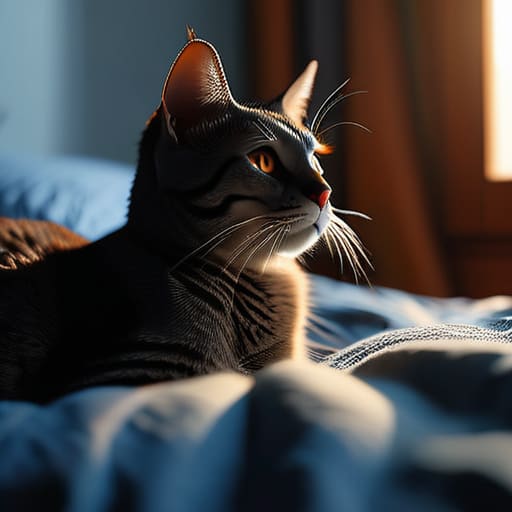
Look, there isn’t a magic pill to make a cat sleep through the night, but there is a method to the madness. You have to distinguish between a cat that is simply being a bored, demanding little predator and a cat that is actually suffering. If you’ve ruled out the medical stuff—the hyperthyroidism, the kidney issues, or the arthritis that makes them pace because they can’t get comfortable—then you are dealing with behavior. Adjust your feeding schedule, ramp up the play sessions before you hit the hay, and stop rewarding the 3:00 AM yowling with treats or even just attention. If you keep feeding the behavior, you are essentially training them to wake you up.
At the end of the day, being a pet owner is a series of compromises, and sometimes that compromise is a few hours of lost sleep. It’s easy to get frustrated when you’re staring at the ceiling at dawn, but remember that your cat isn’t trying to be a jerk; they are just living their life according to instincts we can’t entirely erase. Focus on the quality of your connection during the daylight hours, and keep a close eye on any sudden changes in their nighttime habits. If you stay observant and stay proactive, you’ll find that balance between a well-behaved pet and a well-rested human.
Frequently Asked Questions
If my cat is suddenly meowing at night after years of sleeping through, should I be looking at a specific cost for bloodwork to rule out hyperthyroidism?
If that behavior is sudden, don’t assume it’s just “old age.” In a senior cat, sudden nighttime vocalization is a classic red flag for hyperthyroidism. You’re looking at a senior blood panel—specifically checking T4 levels—to confirm. Expect to pay anywhere from $150 to $300 for the labs and the vet’s exam fee. It’s a frustrating upfront cost, but it’s much cheaper than treating the complications of an undiagnosed thyroid storm.
Is there a difference in how I should handle a middle-aged cat waking me up versus a senior cat who might be experiencing cognitive dysfunction?
There is a massive difference, and you shouldn’t treat them the same. With a middle-aged cat, it’s usually behavioral—boredom or a demand for food. You fix that with play and schedule changes. But with a senior, that midnight yowling is often Cognitive Dysfunction Syndrome. It’s essentially dementia. They aren’t being “naughty”; they’re lost in the dark. You’ll need to talk to your vet about supplements or medication, not just more treats.
Can I use over-the-counter calming supplements to help with nighttime pacing, or am I just masking a symptom that needs a prescription?
Look, I’ve seen owners try to “calm down” a cat that’s actually pacing because of hyperthyroidism or high blood pressure. If you use an OTC supplement like L-theanine or pheromones, you might mask the behavior, but you aren’t fixing the engine. If the pacing is new, skip the supplements and get bloodwork done first. It’ll cost you maybe $150–$300, but it’s cheaper than treating a systemic failure you ignored because you were looking for a pill in a bottle.