I’ve spent half my life watching people pour money into “designer” ceramic fountains and expensive electrolyte additives, hoping it’s a magic fix for a cat that refuses to touch a bowl. It’s frustrating to see owners get scammed by marketing when the real issue is often much simpler—or much more serious. If you’re searching for how to get a cat to drink more water, you don’t need a $60 gadget; you need to understand why your cat is acting like a desert dweller in the first place. I’ve seen enough kidney cases to know that sometimes, no amount of fancy trickery will fix a cat that is clinically dehydrated and needs a subcutaneous fluid bolus, not a new water feature.
I’m not here to sell you a lifestyle brand or a miracle supplement. I’m going to give you the straight truth about what actually works, from adjusting your feeding schedule to knowing when a “picky eater” is actually a medical emergency. I’ll tell you which tweaks are worth your time and which ones are just expensive distractions. My goal is to help you keep your cat hydrated at home so you aren’t staring down a massive vet bill because you waited too long to take action.
Table of Contents
- Why Ignoring a Dry Bowl Leads to Cat Kidney Disease Prevention Failures
- Knowing When a Slow Drink Becomes a Midnight Emergency Visit
- Practical Ways to Fix a Picky Drinker (Without Losing Your Mind)
- The Bottom Line on Hydration
- The Cost of a Dry Bowl
- The Bottom Line on Hydration
- Frequently Asked Questions
Why Ignoring a Dry Bowl Leads to Cat Kidney Disease Prevention Failures
I’ve spent too many afternoons in exam rooms watching owners realize that their “picky” cat was actually a cat in the middle of a renal crisis. People think kidney disease is just an inevitable part of aging, like gray hair or stiff joints, but half the time it’s a slow-motion train wreck caused by chronic, low-level dehydration. When a cat doesn’t get enough moisture, their kidneys have to work twice as hard to filter toxins with less fluid. This is the core of cat kidney disease prevention: it isn’t about one big drink; it’s about the cumulative volume of every sip they take over years.
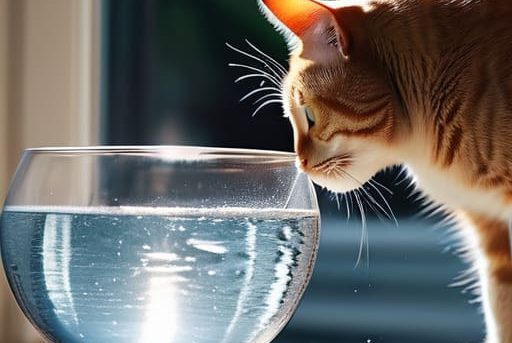
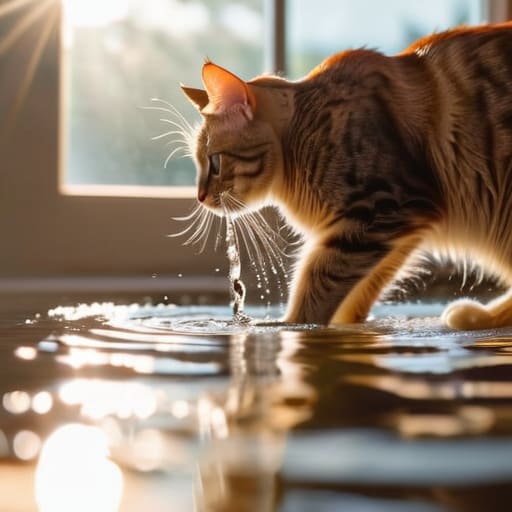
If you’re just looking at a dry bowl and thinking, “I’ll refill it later,” you’re missing the point. Cats are biologically wired to seek out moving water, which is why many owners find success with automatic pet water dispensers. A stagnant bowl in a corner can become a psychological barrier. If they aren’t drinking, they aren’t just being difficult; they are losing the ability to flush their system, and once those kidneys start scarring, you can’t just “fix” them with a new fountain.
Knowing When a Slow Drink Becomes a Midnight Emergency Visit
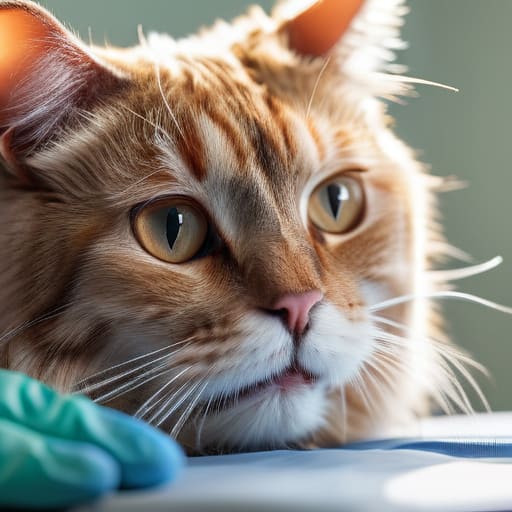
Look, I’ve sat in exam rooms where owners were staring at a bill for a subcutaneous fluid bolus, wondering how a “picky eater” turned into a critical patient overnight. There is a massive difference between a cat who prefers a fountain to a ceramic bowl and a cat who is physically incapable of hydrating. If you notice feline dehydration symptoms like tacky gums—they should feel moist, not like sandpaper—or skin that stays “tented” when you gently pinch the scruff of the neck, stop looking for ways of encouraging cats to drink water and start looking for your car keys.
If your cat is lethargic, hiding in a dark corner, or has stopped eating entirely, that isn’t a “slow drinker” problem; it’s a medical crisis. When an animal hits that level of dehydration, their kidneys are already under immense stress. You might be tempted to wait until your regular vet opens on Monday morning, but if they are truly systemic, waiting is when the damage becomes irreversible. If they aren’t drinking, they aren’t just being stubborn—they are crashing.
Practical Ways to Fix a Picky Drinker (Without Losing Your Mind)
- Stop using heavy ceramic bowls that force their whiskers against the sides. Most cats hate “whisker fatigue,” which is just a fancy way of saying their sensitive facial hair gets overstimulated by touching the rim. Switch to shallow, wide plates or even a saucer. If they don’t like the contact, they won’t drink, and we aren’t going to solve kidney issues by fighting a sensory preference.
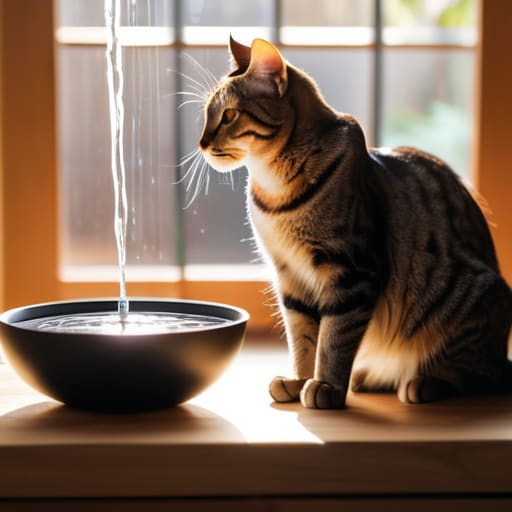
- Get a fountain, but don’t expect a miracle overnight. Cats are evolutionarily hardwired to seek out moving water because, in the wild, still water is usually stagnant and full of bacteria. A circulating fountain provides that oxygenated, moving stream they crave. Just be prepared to clean it twice a week; a slimy, neglected fountain is just a petri dish that will make them avoid it even more.
- Mix wet food with warm water to create a “slurry.” If your cat is a dry-kibble loyalist, you’re fighting an uphill battle because kibble is roughly 10% moisture, while a cat’s natural prey is about 70%. I used to do this for my foster seniors all the time—add a tablespoon or two of warm water to the canned food until it looks like soup. It’s an easy way to sneak in an extra 30 to 50 milliliters of hydration without them even realizing it.
- Spread the water out. I’ve seen many owners keep the water bowl right next to the food bowl, which is a mistake. In the wild, animals don’t drink where they kill; they avoid water near their food source to prevent contamination. Put a water station in a different room or at least three feet away from the feeding station. Sometimes, just having three different spots around the house makes a cat feel more secure about sipping.
- Watch the freshness, especially in the summer. If you leave a bowl of water sitting in a sunbeam for two days, it’s going to get lukewarm and dusty. Most cats will sniff it, decide it’s gross, and walk away. Change the water at least once a day. It sounds like a chore, but it’s a lot cheaper than the $400 bill for subcutaneous fluids and a vet visit when they show up dehydrated and lethargic.
The Bottom Line on Hydration
Don’t waste money on fancy “smart” fountains if your cat is already showing signs of clinical dehydration; if their gums feel tacky or they’re acting lethargic, skip the shopping trip and head straight to the clinic.
If you’re looking to prevent kidney issues down the line, start adding moisture to their food now—wet food is the most effective tool we have, and it’s much cheaper than managing chronic renal failure later.
Watch the math, not just the bowl; if a cat’s water intake drops significantly alongside a change in litter box habits, it’s a medical red flag, not just a “picky eater” phase.
The Cost of a Dry Bowl
You can spend fifty dollars on a fancy ceramic fountain or a dozen different gourmet wet foods, but none of it matters if you aren’t watching the actual intake. In my thirty years, I’ve seen more kidney failure cases from owners who thought their cat was ‘just being picky’ than from cats who were actually difficult to please; usually, they weren’t being picky, they were just too dehydrated to feel like eating.
Marlene Ostrowski
The Bottom Line on Hydration
Look, we’ve covered a lot of ground here, from the logistics of switching to wet food to the mechanical necessity of a fountain. At the end of the day, it comes down to two things: observation and intervention. If you can get them to eat more canned food or use a bowl they actually like, do it. But if you see the signs of dehydration—the skin that stays tented when you pinch it or that sudden, heavy lethargy—stop looking for more ways to “encourage” them and start looking for your car keys. Don’t fall into the trap of thinking a little extra water in their bowl will fix a kidney that is already struggling. Timing is everything in veterinary medicine, and sometimes the best way to encourage drinking is to treat the underlying issue before the damage is done.
I know it feels overwhelming when you’re staring at a cat who refuses to touch anything but a dry kibble. You feel like you’re failing them. But remember, you aren’t just a pet owner; you are their primary advocate. You don’t need to be a doctor to notice when something is off, and you don’t need to have every answer right away. Just stay observant, stay realistic about the costs and the risks, and trust your gut when something feels wrong. You’ve got this, and quite frankly, your cat is lucky to have someone who actually cares enough to do the reading.
Frequently Asked Questions
Is it safe to add tuna juice or broth to their water, or am I just masking a bigger problem?
Look, I’ve seen owners try everything from tuna juice to chicken broth to get a cat to lap up a single drop. If it’s plain, low-sodium broth, it’s a fine temporary trick. But if you’re using it to mask a cat who has stopped drinking entirely, you aren’t “encouraging” them—you’re stalling. If they’re refusing plain water, they’re likely feeling nauseated or uremic. Don’t use flavor to hide a decline; use it to bridge the gap to the vet.
How much water should a typical 4kg cat actually be drinking in a 24-hour period?
A 4kg cat should ideally be taking in about 200ml to 240ml of fluid every 24 hours. That’s roughly 50-60ml per kilogram of body weight. Now, if they’re eating strictly dry kibble, they’ll need closer to the higher end of that to stay hydrated. If you’re tracking this and they’re consistently hitting under 150ml, don’t just buy a fancy fountain—call your vet. Low intake is often the first red flag for kidney issues.
If I switch them to wet food to increase hydration, how much am I actually going to see on my monthly vet bill for the change in diet?
Look, switching to wet food isn’t a “cost-saving” move; it’s a preventative one. You’re going to see your monthly grocery bill jump—probably by $30 to $50 depending on the brand—because canned food is more expensive per calorie than kibble. But I’ve seen the alternative. A single workup for feline kidney disease or a hydration-related crisis can easily run you $500 to $1,200 in a single afternoon. Pay the extra thirty bucks now, or pay the vet a thousand later.