I’ve spent thirty years watching people panic-search for a “complete guide to pet first aid” on their phones while their dog is actively seizing or bleeding out on the kitchen tile. Most of those online guides are useless fluff written by people who have never had to hold a flashlight in a dark exam room or tell a sobbing owner that their pet didn’t make it. They tell you to “monitor your pet,” which is just a polite way of saying do nothing and hope for the best, and that is exactly how animals die. I’m not here to give you a list of soothing platitudes or tell you that a spoonful of honey fixes a swallowed sock; I’m here to tell you what is actually happening when things go wrong.
This isn’t going to be a textbook; it’s going to be the truth from the hallway after the vet has already left the room. I am going to show you how to distinguish between a “call the vet in the morning” situation and a “get in the car right now” emergency. I’ll give you the real numbers, the approximate costs you’ll face, and the clinical reality of what you’re looking at. We aren’t going to waste time on home remedies that don’t work, but we are going to make sure you know exactly what to do when every second counts.
Table of Contents
Recognizing Signs of Pet Distress Before Its Too Late

Most people wait for a scream or a seizure before they realize something is wrong, but by then, you’re usually playing catch-up with a crisis. In my thirty years at the clinic, I learned that the real danger lies in the subtle shifts. It’s the way a cat stops grooming that one specific patch of fur, or the way a senior dog suddenly seems “spacey” during a walk. Recognizing signs of pet distress isn’t about spotting a dramatic collapse; it’s about noticing when the baseline changes. If your dog is suddenly lethargic or refusing their favorite treat, don’t just assume they’re “getting old.”
You also need to watch the vitals you can actually see. Check their gum color—they should be bubblegum pink. If they look pale, white, or even blueish, that’s a red flag that means you aren’t waiting for an appointment; you’re heading to the ER. Pay attention to their breathing, too. Rapid, shallow breaths can be anything from simple anxiety to impending respiratory failure. If you see their chest working twice as hard as usual just to pull in air, stop reading this and start your pet emergency preparedness plan by grabbing the keys.
Essential Pet Medical Supplies You Actually Need

Look, you don’t need a medical-grade surgical suite in your pantry, but you do need more than a box of generic Band-Aids and a prayer. Most people realize they’re unprepared only when the bleeding starts or the breathing stops. I’ve seen owners scramble through junk drawers for scissors while their dog is crashing, and it’s a waste of precious seconds. Start with the basics: sterile gauze pads, self-adhering cohesive bandages (the kind that sticks to itself, not the fur), and a digital thermometer. If you’re serious about pet emergency preparedness, you also need a syringe without a needle for flushing wounds and a bottle of saline.
Don’t forget the tools for the things that happen fast. If your dog swallows a piece of a toy, you’ll wish you had a flashlight to see down the throat. If you’re looking into cat wound care basics, keep some dilute chlorhexidine on hand, but never use hydrogen peroxide on a deep wound—it just damages the tissue we’re trying to save. Most importantly, print out some physical animal CPR instructions and keep them in the kit. Your brain will turn to mush the moment a crisis hits, and you won’t be able to navigate a website to find the right compression rhythm.
Five Things I Wish Every Owner Knew Before the Crisis Hits
- Know your pet’s “normal” weight in kilograms. When you’re standing in an ER waiting room at 2:00 AM, the technician isn’t going to ask how big your dog is; they’re going to ask for a weight so they can calculate a life-saving dose. If you don’t know it, you’re wasting precious minutes while the clock is ticking.
- Keep a printed list of your pet’s current medications and dosages on the fridge. When a pet is unconscious or seizing, they can’t tell you they’re on thyroid medication or a specific NSAID, and “he takes a little blue pill” is not a clinical history that helps a vet make a decision.
- Learn to check gum color immediately. This is the fastest way to tell if your pet is in real trouble. Healthy gums should be bubblegum pink; if they are pale, white, or blue, your pet is likely in shock or has internal bleeding, and you aren’t waiting for an appointment—you are driving to the emergency clinic right now.
- Stop Googling symptoms while you’re in the car. I know the urge is there, but you will only find horror stories that will make you panic and lose your ability to help your pet. Use that time to grab your pet’s carrier and your wallet, because the forum isn’t going to pay your bill or hold the IV catheter.
- Don’t rely on “home remedies” for toxic ingestions. I’ve seen too many people try to induce vomiting with hydrogen peroxide because a blog told them to, only to realize later the pet had swallowed something caustic that will burn the esophagus on the way back up. If they ate something they shouldn’t have, call the vet or the Pet Poison Helpline first; guessing is how mistakes become tragedies.
The Bottom Line
Learn the difference between a “wait and see” symptom and a “get in the car now” emergency, because knowing when to stay home is just as important as knowing when to run to the ER.
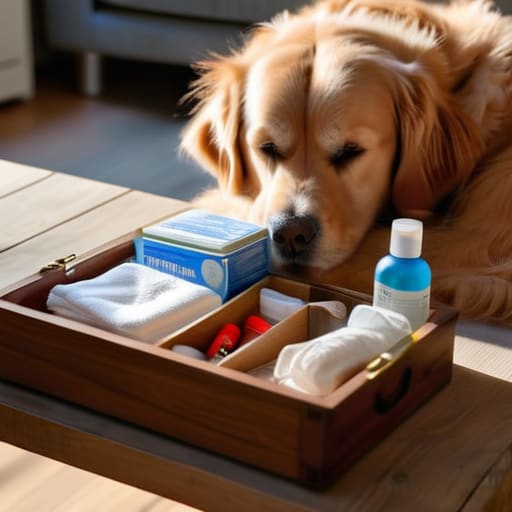
Build a kit with actual medical supplies—like sterile gauze and antiseptic—rather than just a box of Band-Aids, because home remedies won’t stop a major bleed or a deep puncture.
Prepare for the cost of an emergency visit before it happens; having a dedicated fund or insurance means you’ll be making decisions based on your pet’s needs rather than your bank balance.
The Cost of Hesitation
“In my thirty years, I’ve learned that the most expensive thing you can own is a ‘wait and see’ attitude. First aid isn’t about having a magic kit to fix everything; it’s about knowing the difference between a scrape that needs a bandage on Monday and a pale gum that means you’re driving to the emergency vet at midnight.”
Marlene Ostrowski
The Bottom Line
At the end of the day, pet first aid isn’t about being a surgeon; it’s about being the person who stays calm enough to keep the bleeding stopped or the airway clear until you reach the clinic. You need to know your way around your medical kit, you need to know the difference between a minor scrape and a life-threatening emergency, and most importantly, you need to know your pet’s baseline so you can spot when something is off. Whether it’s recognizing the pale gums of shock or knowing exactly how many milligrams of Benadryl to give for a bee sting, preparation is what bridges the gap between a crisis and a recovery. Don’t let the fear of a high vet bill or a midnight drive keep you from acting when a symptom is clearly non-negotiable.
I’ve sat in those exam rooms for three decades, and I can tell you that the owners who walk away with the best outcomes are the ones who didn’t hesitate. You aren’t expected to have all the answers, but you are expected to be their advocate. Being a pet parent is a heavy responsibility, and sometimes that responsibility feels a lot like being a medic in the middle of the night. But when you trust your gut and act on what you’ve learned, you aren’t just managing a symptom—you are giving them a fighting chance. Stay prepared, stay observant, and trust that you are exactly what they need.
Frequently Asked Questions
If I think my dog swallowed something toxic, do I wait for them to show symptoms or head to the ER immediately?
If you see them start vomiting or acting lethargic, you’ve already lost the lead time. Most toxins—like xylitol or certain rodent poisons—work on a cellular level before the outward symptoms even show up. If you suspect ingestion, call the vet or an emergency clinic immediately. Don’t wait for a symptom to prove you were right. It’s much cheaper to induce vomiting under professional supervision than it is to treat organ failure on Monday.
How much should I actually set aside in an emergency fund for a single overnight stay at an animal hospital?
Don’t let anyone give you a “ballpark” figure without a disclaimer. For a single overnight stay, you should have at least $1,500 to $2,500 ready to go. That covers the boarding fee—which can be $150+ a night—plus diagnostics, stabilization, and the actual treatment. If it’s a critical emergency involving an ICU stay, you’re looking at $3,000 or more very quickly. If you can’t swing that, get pet insurance now; it’s cheaper than a crisis.
Is there a way to tell the difference between a dog that's just "acting weird" and one that is actually in clinical shock?
“Acting weird” is vague; “clinical shock” is a physiological collapse. If your dog is just pacing or won’t eat, you can likely wait for your regular vet. But if their gums are pale or tacky, their heart is racing while their body feels cold, or they’re stumbling like they’re drunk, that’s shock. That isn’t a behavioral quirk; that’s their system failing. You don’t call the clinic; you drive straight to the ER.