
I’ve spent three decades watching people pour hundreds of dollars into “miracle” grain-free treats and boutique insect-protein diets, hoping they’ve finally found the secret to how to manage allergies long term. It’s heartbreaking, really. I’ve stood in exam rooms with owners who are exhausted, broke, and watching their best friend literally rub their face raw against the carpet, all because they were following a trendy forum post instead of a clinical plan. Most of those expensive specialty foods are just marketing wrapped in a pretty bag; they don’t address the actual immune response, and they certainly won’t stop a secondary skin infection once it’s taken hold.
I’m not here to sell you a subscription to a luxury kibble brand or promise you a “natural” cure that doesn’t exist. What I am going to give you is the unvarnished truth about what actually works, from immunotherapy to the medications that might actually save your skin—and your wallet. I’ll tell you when a management plan is worth the investment and when you’re just chasing ghosts. We’re going to talk about real protocols, realistic costs, and how to manage allergies long term without losing your mind or your savings.
Table of Contents
- Effective Allergy Prevention Strategies That Actually Work
- Environmental Trigger Control What You Cant Afford to Ignore
- Five Real-World Tactics for Keeping the Itch Under Control
- The Bottom Line: When to Push Through and When to Pivot
- The Long Game of Itch Management
- The Long Game
- Frequently Asked Questions
Effective Allergy Prevention Strategies That Actually Work

First, let’s talk about environmental trigger control, because you can’t medicate your way out of a house that’s essentially a pollen trap. If you’re managing seasonal allergy symptoms, you have to stop treating your home like a sanctuary and start treating it like a clean room. I’ve seen owners spend hundreds on prescription diets only to realize their dog is sleeping on a rug that’s been holding onto dust mites and ragweed for three years. Wipe those paws after every walk, use a HEPA filter if you can swing the electricity bill, and for heaven’s sake, stop letting them roll in the yard right before they come inside.
When it comes to actual allergy prevention strategies, don’t expect a miracle from a single pill. Real long-term allergy relief options usually involve a combination of things: a strict diet, maybe some Apoquel or Cytopoint if the vet agrees, and a massive reduction in what they’re actually touching. I’ve fostered enough itchy, red-skinned seniors to know that consistency is more important than intensity. You don’t need the most expensive stuff on day one, but you do need a plan that you can actually stick to when the itching gets bad.
Environmental Trigger Control What You Cant Afford to Ignore

Look, you can buy the most expensive prescription diet in the world, but if your dog is sleeping on a rug that’s basically a sponge for dust mites and pollen, you’re just spinning your wheels. Environmental trigger control isn’t about being a neat freak; it’s about reducing the constant inflammatory load on their system. I’ve seen countless cases where owners spend hundreds on medicated shampoos while ignoring the fact that their pet spends all day face-deep in old, carpeted debris. If you want real results, start with the basics: ditch the heavy drapes, use a HEPA air purifier in the room where they sleep most, and for heaven’s sake, wash their bedding in hot water at least once a week.
It’s also about knowing when to pull them inside. Managing seasonal allergy symptoms becomes a losing battle if you’re letting them roam the yard during peak pollen counts. If you see them sneezing or rubbing their face after a walk, that’s your cue. You can try some basic allergy avoidance techniques, like wiping their paws and belly with a damp cloth every time they come in from outside, but don’t expect a miracle if the house itself is a trigger zone. It’s tedious work, but it’s a hell of a lot cheaper than the monthly bill for steroid shots.
Five Real-World Tactics for Keeping the Itch Under Control
- Stop the “trial and error” cycle with food. If you’re switching to a hydrolyzed protein diet, understand that it’s not a magic fix—it’s a tool. It can cost you $60 to $80 a bag, and you have to be disciplined. If you’re sneaking pieces of deli ham or table scraps in there, you’re essentially resetting the clock on the inflammation every single day. It won’t work if you’re cheating.
- Get a handle on the medication math. Whether it’s Apoquel or a monthly steroid, don’t just give it when they look itchy. Long-term management means staying ahead of the histamine storm. If you wait until they are raw and bleeding to start the meds, you’re going to be paying for much more expensive topical antibiotics and much more expensive vet visits to treat the secondary skin infections you could have prevented.
- Watch the ears like a hawk. In my experience, the skin might look okay, but the ears tell the real story. If you notice a “yeasty” smell—that sweet, funky scent—or if they start shaking their heads, the allergy is winning. Ear infections are the most common way a “manageable” allergy turns into a painful, expensive chronic problem.
- Don’t ignore the “hot spots.” If you see a patch of hair loss or a red, angry-looking area that feels warm to the touch, that’s not just a seasonal itch. That’s an acute flare-up. You can try a soothing oatmeal rinse at home, but if that spot is expanding by the hour, you need to call the clinic. A localized infection is much cheaper to treat than a systemic one.
- Invest in a good supplement, but don’t expect miracles. Omega-3 fatty acids (fish oil) are great for building up that skin barrier over time, but they take weeks, sometimes months, to show real results in the coat and skin. Don’t buy the cheap stuff from a grocery store; look for high-quality EPA and DHA levels. It’s a slow burn, not a quick fix.
The Bottom Line: When to Push Through and When to Pivot
Don’t mistake “managing” for “ignoring”—if you see skin thickening (we call it lichenification) or if your dog starts licking their paws until they’re raw and bleeding, you aren’t managing an allergy, you’re letting a chronic infection take root.
Budget for the long haul, not just the quick fix; a $50 bottle of over-the-counter antihistamines is a band-aid that won’t stop the inflammation, whereas a prescription diet or Apoquel might cost more upfront but will save you hundreds in secondary ear infection treatments later.
Watch the eyes and the breathing—if the “allergy” starts looking like swelling around the muzzle or a change in respiratory rate, stop playing detective with the vacuum cleaner and get to the clinic, because that’s not an itch, that’s an emergency.
The Long Game of Itch Management
Managing allergies isn’t about finding one magic pill that makes the scratching stop overnight; it’s about the tedious, daily work of reducing the load on their system before they hit a breaking point. You can buy the most expensive prescription diet in the world, but if you’re still letting them roll in the same pollen-soaked grass every afternoon, you’re just throwing money into a hole.
Marlene Ostrowski
The Long Game
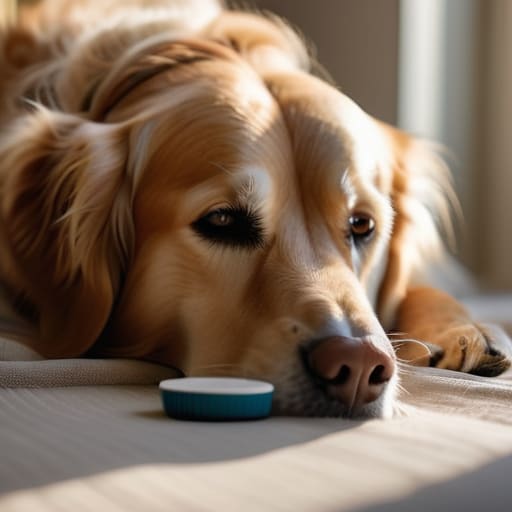
Managing allergies isn’t about finding one magic pill that fixes everything overnight; it’s about the tedious, daily grind of consistency. You’ve got to keep up with the environmental controls, stay on top of those flea preventatives, and actually follow the dietary protocols your vet laid out—not just when the itching looks bad, but when things seem fine, too. I’ve seen too many owners wait until a dog’s skin is raw and weeping before they decide to get serious about a management plan. Remember, the goal isn’t just to stop the scratching today; it’s to prevent the secondary skin infections that turn a simple itch into a three-hundred-dollar antibiotic course and a very stressed-out pet.
I know it feels like an uphill battle sometimes, especially when you’re staring at a pile of laundry or a pharmacy bill that doesn’t seem to be shrinking. But look at your pet when they finally settle down, skin clear and eyes bright, and realize that all those small, annoying adjustments were worth it. You are their advocate, their detective, and their primary line of defense. It isn’t always easy, and it certainly isn’t always cheap, but giving them a life without constant discomfort is the best way to say thanks for the companionship. Just keep watching them, trust your gut, and don’t be afraid to ask the hard questions when something doesn’t feel right.
Frequently Asked Questions
If I switch my dog to a prescription hypoallergenic diet, how long should I actually wait before deciding it isn't working?
Listen, I know you want to see results by Tuesday, but biology doesn’t work on your schedule. You need to give a hydrolyzed diet at least eight to twelve weeks. If you’re switching mid-flare, you might see a slight improvement in a few days, but true skin and gut healing takes time. If you’re still seeing red, angry skin or constant licking after two months, the diet isn’t the culprit—or it’s the wrong one.
My cat is scratching her ears constantly but doesn't have any visible redness; is that still an allergy or should I be looking for ear mites?
If you don’t see redness, you’re likely looking at an allergy or a yeast infection rather than mites, which usually leave a dark, coffee-ground looking debris in the canal. But don’t play detective. If she’s scratching hard enough to cause a hematoma—where the ear flap fills with blood—you’re looking at a $600 surgery. Call your vet for an otoscopic exam. It’ll cost you a co-pay and a quick swab, but it beats a surgical bill.
I can't afford the monthly specialty allergy shots or expensive biologics every single month—what are my realistic options for keeping the inflammation down?
Look, I get it. Those biologics can cost more than my mortgage. If the high-end stuff is off the table, we look at the basics. Start with a high-quality, hydrolyzed protein diet—it’s not a magic wand, but it’s cheaper than a monthly injection. You can also talk to your vet about a steroid taper or Apoquel; they aren’t perfect, but they keep the skin from cracking. Just don’t ignore the redness; once they’re secondary-infected, the vet bill triples.