
I can still smell it if I close my eyes: that sickly-sweet, yeasty scent that hits you the second you lean in to scratch a dog behind the ears. In my thirty years in the clinic, I saw far too many owners walk in with a pet that was clearly in agony, only to hear them say, “Oh, I thought they were just scratching because of the pollen.” By the time they realized it wasn’t allergies, the ear canal was so swollen and inflamed that a simple cleaning had turned into a multi-hundred-dollar medical procedure. Learning how to spot ear infections early isn’t about memorizing a textbook; it’s about knowing the difference between a little itch and the specific, tell-tale signs that your pet is actually hurting.
I’m not here to sell you some overpriced, “miracle” ear cleaning solution from an Instagram ad. What I’m going to give you is the straight truth from someone who has spent decades looking into those red, angry canals. I will tell you exactly what those smells and sounds mean, which symptoms mean you can wait until your regular vet opens on Monday, and which ones mean you need to head to the emergency clinic tonight. No fluff, no hype—just the practical reality of keeping your pet comfortable.
Table of Contents
Ear Redness and Swelling the Warning Signs
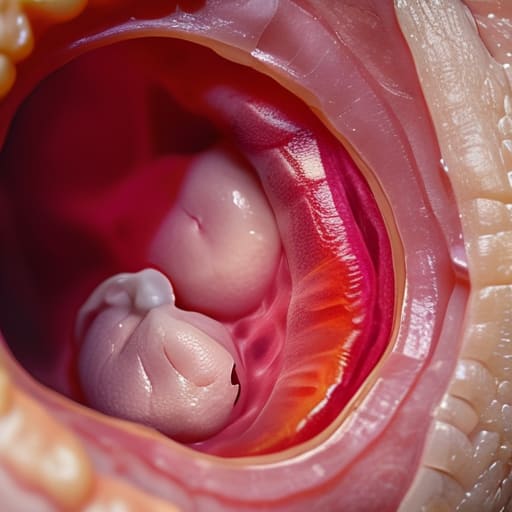
When you pull an ear flap back, you aren’t just looking for dirt; you’re looking for the color of the tissue. Healthy ear canals should be a pale, fleshy pink. If you see bright red, angry-looking skin, that is ear canal inflammation in action. It’s the body’s way of saying something is wrong, whether it’s yeast, bacteria, or a stray grass seed. If the skin looks puffy or feels thick to the touch, the swelling is likely making the canal narrower, which traps moisture and makes the whole thing a breeding ground for more trouble.
Don’t mistake a little pinkness for a crisis, but pay attention to the progression. If the area is hot to the touch or looks like it’s throbbing, you’re moving past a simple irritation. While treating canine otitis externa often starts with topical drops, you can’t effectively medicate a canal that is so swollen it’s essentially shut tight. If you see significant ear redness and swelling accompanied by your dog shaking their head violently, don’t try to flush it out with water at home—you’ll likely just push the infection deeper.
Smelly Ear Discharge Causes You Cant Ignore

If you catch a whiff of something sour, yeasty, or just plain “off” when you’re petting your dog, don’t try to mask it with a scented candle. That smell is a byproduct of bacteria or yeast multiplying in the ear canal, and it’s one of the most reliable ear infection symptoms in dogs. If it smells like corn chips, you’re likely looking at a yeast overgrowth; if it’s a foul, rotting stench, you’re probably dealing with a bacterial infection. Neither of these is going to clear up on its own with a cotton swab and some hope.
The type of discharge tells you a lot about the severity. A thin, watery fluid might just be irritation, but thick, dark, or coffee-ground-looking debris often points to something more stubborn. When you see heavy buildup alongside ear canal inflammation, the infection is already well-established. If the discharge is accompanied by a sudden loss of balance or if they start circling, those are serious signs of middle ear infection—which means the infection has moved deeper than the outer canal. At that point, you aren’t just looking at a topical drop; you’re looking at a much more expensive, much more serious veterinary intervention.
Five Things to Look For Before the Scratching Becomes Constant
- Watch the head tilt. If your dog or cat is holding their head at an angle, they aren’t just being quirky; they likely have inflammation or fluid buildup in the middle ear that’s throwing off their balance. That’s not a “wait and see” situation; that’s a “call the vet now” situation.
- Check the “scritch” frequency. We all know our pets’ baseline. If your dog is suddenly rubbing their ear against the carpet or pawing at their head more than usual, they are trying to manage discomfort. Don’t wait for them to break a blood vessel in their ear from over-scratching before you take them in.
- Look for debris in the canal. Use a flashlight—don’t stick a Q-tip down there, please, I’ve seen too many ruptured eardrums—and look for anything that looks like coffee grounds. That’s often a tell-tale sign of ear mites, and if you leave it, it’ll turn into a secondary bacterial infection that costs three times as much to treat.
- Monitor their appetite and temperament. When an ear infection gets deep enough, the pain can make an animal lethargic or even cause them to stop eating. If a normally food-motivated cat starts turning their nose up at the wet food, check those ears immediately.
- Listen for the “head shake.” A single shake is normal, but a frantic, repetitive, or violent head shake is a cry for help. If they are doing this several times an hour, the inflammation is significant, and you’re likely looking at a prescription-strength topical medication and a professional cleaning, which usually runs anywhere from $80 to $150 depending on whether they need antibiotics.
The Bottom Line: When to Act
If you see bright red skin inside the flap or notice a thick, dark discharge that smells like old gym socks, stop looking for home remedies; these are active infections that require prescription medication, not just a cotton swab.
Pay attention to behavioral shifts like head tilting or constant pawing; if your dog is suddenly rubbing their head against the carpet or shaking it violently, they are in pain, and you need to call your vet immediately rather than waiting for the weekend.
Don’t let the cost of an exam stop you from catching a minor irritation before it becomes a deep, middle-ear infection that requires expensive imaging or surgery; a quick checkup now is always cheaper than an emergency visit later.
The Cost of Waiting
“I’ve spent thirty years watching people try to ‘wait and see’ with a smelly ear, thinking it’s just a little wax. By the time they finally call me, that ‘little wax’ has turned into a deep, painful infection that’s reached the middle ear, and suddenly a fifty-dollar cleaning has turned into a thousand-dollar emergency visit for surgery. If they’re shaking their head or you smell something sour, stop looking for a home remedy and start looking for your car keys.”
Marlene Ostrowski
Don't Wait for the Scratching to Stop

At the end of the day, spotting an ear infection comes down to paying attention to the small shifts in your pet’s behavior. If you see redness, smell that distinct yeast-like odor, or notice them shaking their head like they’re trying to dry off after a bath, you aren’t “bothering” the vet by calling. Those are the indicators. You need to distinguish between a little bit of wax and a full-blown inflammatory response that requires medication. Remember, an ear infection that is left to fester doesn’t just stay in the ear canal; it can lead to permanent hearing loss or even a ruptured eardrum if you try to treat it with “natural” cleaners that haven’t been vetted. Catching it early means a simple topical drop and a quick office visit, rather than a three-day hospital stay for a deep-seated infection.
I know the cost of an emergency vet visit can be terrifying, and I’ve sat in those waiting rooms with owners who are white-knuckling their wallets. But I promise you, preventative care is cheaper than crisis management. It is much easier on your bank account—and much kinder to your dog or cat—to address a red ear on a Tuesday morning than to deal with a systemic infection on a Sunday night. You are their only advocate and their only source of information. Trust your gut; if something looks or smells wrong, it probably is. Your job isn’t to be a doctor, it’s just to be the one who notices the change before it becomes a catastrophe.
Frequently Asked Questions
My dog keeps shaking his head even though his ears don't look red or smell bad—could it still be an infection?
Yes, absolutely. Don’t let the lack of redness fool you; by the time the skin looks angry and red, the inflammation is already deep. Head shaking is one of the first signs of discomfort. It could be a middle ear infection, a foreign object like a grass seed, or even allergies. If he’s shaking constantly or scratching, he’s in pain. Get him seen. It’s better to catch a mild case now than a ruptured eardrum later.
How much is this actually going to cost me, between the exam fee and the actual medication?
Look, I’m not going to sugarcoat it: the vet visit is where the bill starts climbing. Expect an exam fee between $60 and $120 just to get through the door. If they need to swab the ear to see if it’s yeast or bacteria—which they should—add another $50. The meds themselves, usually a topical drop or ointment, will run you $40 to $80. You’re looking at $150 to $250 minimum to do this right.
Can I just use some peroxide or a cleaning solution from the grocery store to clear this up at home?
Absolutely not. Please, put the peroxide back on the shelf. If you pour peroxide into an inflamed ear canal, you’re essentially creating a foaming reaction that can push debris deeper or, worse, cause intense pain if the eardrum is ruptured. I’ve spent too many afternoons trying to calm dogs who were stinging from “home remedies.” Use a vet-approved cleanser, but if the ear is red or smelly, you aren’t just cleaning—you’re treating an infection.