
I spent nearly three decades in a small practice watching owners walk in with a “gut feeling” that their dog looked a little thin, only to realize the animal had actually lost two kilograms in the last month. People think they can just eyeball a pet’s condition, but your eyes lie to you—especially when you’re looking at a face you love every single day. Learning how to weigh and monitor a pet at home isn’t about being obsessive or buying some overpriced, high-tech smart scale that connects to your phone; it’s about having hard data so you aren’t guessing when things go wrong.
I’m not here to give you a lecture or sell you a subscription service. I’m going to tell you exactly what equipment you actually need, how to get a stubborn cat onto a scale without a trip to the ER, and—most importantly—which specific number drops should make you stop scrolling and start driving to the vet. I’ll give you the clinical reality of what weight loss actually means for different breeds and ages, because by the time a pet looks “skinny” to the naked eye, they’ve usually been sick for a long time.
Table of Contents
Choosing a Pet Scale for Small Animals Without Wasting Money

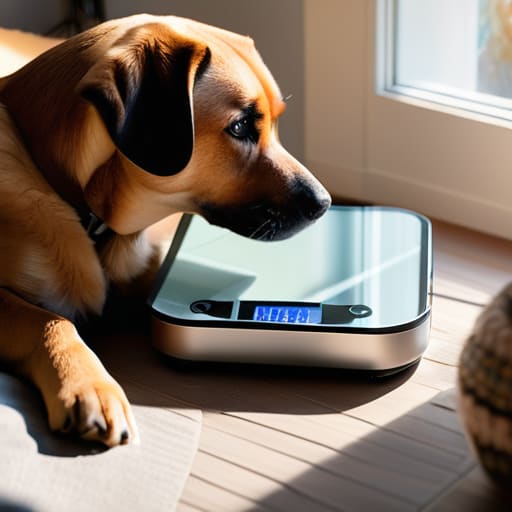
Look, you don’t need a high-tech, medical-grade digital scale sitting in your pantry, but you also shouldn’t be trying to guess a cat’s weight by picking them up and feeling their ribs. If you’re dealing with a small breed or a senior cat, a standard human scale is useless; they’ll barely register at 5 or 6 pounds, and the margin of error is too wide to be helpful. I always tell people to invest in a dedicated pet scale for small animals—the kind that looks like a heavy-duty kitchen scale or a slim digital pad. They usually run between $25 and $40. It’s a small price to pay for accuracy when you’re tracking pet weight trends over a long period.
Don’t get sucked into buying the fancy, expensive versions with Bluetooth syncing and smartphone apps. Most of those are just marketing fluff. You need something sturdy, easy to wipe down, and capable of reading in increments of 0.1 or 0.2 pounds. If you’re on a tight budget, a reliable digital kitchen scale can work for kittens or tiny Chihuahuas, but for anything over ten pounds, you’ll want something with a larger platform. The goal isn’t to have a gadget; it’s to have a number you can actually trust when your vet asks how the new medication is working.
Tracking Pet Weight Trends Before the Change Becomes a Crisis

If you’re just weighing them once every six months during their annual checkup, you’re missing the point. By the time your vet says, “Oh, Mittens looks a little thin,” she might have already lost ten percent of her body mass. You need to be tracking pet weight trends on a spreadsheet or even just a dedicated notebook. I’ve seen too many owners come in panicked because their dog “suddenly” lost five pounds, only to realize the dog has been wasting away for three months. A single number tells you what they weigh today; a trend tells you if they are actually sick.
Don’t just look at the number on the screen, though. You need to start calculating pet body condition score alongside those numbers. I tell my foster kids to feel the ribs—not just poke them, but actually feel for the contour. If the ribs are suddenly easy to find without a layer of fat, or if you can see the spine clearly, that’s a clinical sign, not just a “dietary change.” If you see a downward slope on your graph combined with a change in appetite, you aren’t waiting for your scheduled appointment; you’re calling the clinic that morning.
Five Rules for Weighing Without the Drama
- Pick a consistent time and stop checking the “vibes.” If you weigh your cat while she’s mid-zoomies or right after she’s finished a bowl of wet food, you’re getting garbage data. Pick a time—ideally once a week, maybe Sunday mornings—and do it when they are in a neutral state. Consistency is the only way you’ll actually see a trend before it becomes a medical crisis.
- Do the math in kilograms. I know, I know, we live in a world of pounds, but every drug dose, every anesthesia protocol, and every clinical study I ever read was in kilograms. If your dog drops 1 kg (that’s about 2.2 lbs), that is a massive physiological shift for a small animal. If you’re tracking in pounds, you’re going to miss the subtle downward slide that signals kidney issues or cancer.
- Use a “control” weight. If you’re using a human scale and putting your cat in a carrier, weigh the empty carrier first. Write that number down. Subtract it from the total. Don’t try to do the mental math while your cat is trying to claw your eyes out; just keep a simple logbook or a spreadsheet where the “Net Weight” is already calculated.
- Watch the “Body Condition Score,” not just the number. I’ve seen dogs that look lean but are actually wasting away from muscle loss, and I’ve seen overweight dogs that are actually quite healthy. If the scale stays the same but you can suddenly feel their ribs through their skin, the scale is lying to you. You need to feel the spine and the hips once a month to make sure the weight is staying on the right places.
- Know when a number is an emergency. A slow loss of half a pound over three months is a conversation for your regular vet on Tuesday. A sudden loss of two pounds in a week is a “call the emergency clinic now” situation. If the weight drop is accompanied by lethargy or a change in water consumption, stop reading blogs and start looking for your keys.
The Bottom Line: What You Actually Need to Watch
Stop eyeballing them; a “little thinner” isn’t a metric, so get a digital scale and record the actual number once a week so you have data to show the vet when they ask.
Watch the percentage, not just the pounds—a 5% drop in body weight is a clinical red flag that means you stop Googling and start calling the clinic immediately.
Consistency is your best tool for catching the slow burn of chronic illness, because a steady downward trend is often much harder to treat than a sudden, acute crisis.
Why the Number Matters
“I’ve sat in too many exam rooms watching owners realize their dog has been wasting away for months because they thought he just looked ‘a little thin.’ A pet doesn’t tell you they’re losing muscle mass or that their kidneys are struggling; they just keep wagging their tail and acting fine until they aren’t. You don’t weigh them to satisfy a spreadsheet; you weigh them so you can catch the decline before it becomes a crisis you can’t afford to fix.”
Marlene Ostrowski
The Bottom Line on the Numbers
At the end of the day, this isn’t about being obsessed with a number on a digital readout; it’s about having a baseline. You need a scale that actually works for your pet’s size, a consistent way to record those numbers, and the sense to know when a trend is heading south. If you see a sudden drop—say, more than 5% of their total body mass in a single week—stop looking for answers on a forum and call your vet immediately. Whether it’s a metabolic issue or something more sinister, weight loss is often the first domino to fall before a clinical symptom even shows up.
I know it feels like just another chore on an already overflowing list of pet care, but I promise you, the data you collect today is the most powerful tool you have for tomorrow. When you walk into an exam room and can say, “He was 6.2 kilograms on Tuesday and he’s 5.8 today,” you aren’t just an owner; you are an essential part of the medical team. You are giving your pet a voice when they can’t tell you they feel off. Trust the scale, trust your gut, and remember that being proactive is always cheaper—and much kinder—than being reactive.
Frequently Asked Questions
My cat refuses to stand still on a scale; is there a way to get an accurate weight without a wrestling match?
Look, I’ve spent half my career pinning down cats that didn’t want to be pinned, so I get it. If you’re fighting a wrestling match, you’re going to get scratched and your data will be garbage. Do this instead: weigh yourself on your own scale first. Note the number. Then, pick up the cat, step on the scale, and note that number. Subtract your weight from the total. It’s a bit of math, but it’s better than a trip to the ER for a bite wound.
I noticed a slight drop in weight on the scale, but my dog's appetite seems fine—should I be calling the vet now or waiting to see if it's a fluke?
If it’s a single pound on a sixty-pound dog, it might be a fluke—maybe he just had a big walk or a slightly smaller dinner. But if that weight drop persists for two weigh-ins, you call the vet. A dog with a “fine” appetite who is losing weight is often a classic sign of something metabolic, like hyperthyroidism or diabetes. Don’t let the appetite fool you; the scale is telling the truth.
How much weight loss is actually considered a "red flag" for a senior pet before it becomes an emergency?
Here’s the thing: there is no magic percentage, but there is a rule of thumb. If your senior pet loses 5% of their body weight in a month, or 10% over a few months, you stop scrolling and start calling. For a 10kg cat, that’s just half a kilo. If you’re seeing that kind of drop, it’s not “just old age”—it’s usually something metabolic or oncological. Don’t wait for them to look skeletal to act.